Select Page
How To Create A Cleaning Schedule

How To Create A Cleaning Schedule

Making a plan, a regular cleaning schedule is one of the most essential things you can do to maintain a tidy and well-organized home. We’ve broken down a technique to assist you to come up with a house cleaning routine for your home that’s tailor-made to your preferences.

Whether you’re a new homeowner or a seasoned home cleaner, there are ways to help you stay organized and on top of cleaning duties. This article outlines some tips to help you create a cleaning schedule that works for you. 

By creating a checklist for daily cleaning, you can set aside a certain amount of time to complete one or more cleaning tasks. For example, you can dedicate Monday to cleaning the bathrooms, Tuesday to dusting and vacuuming common areas, and Wednesday to scrub the kitchen, etc. If you want to make a cleaning checklist, follow the one below.

Start with Monday – Clean the Bathrooms

Cleaning the bathroom doesn’t sound like much fun, but it’s an essential household task that needs to be done regularly. There are several things you can do to make this task easy and more effective. The first step is to organize your cleaning supplies. Make sure that the items have designated spaces throughout your house, so they’re easily accessible. If possible, keep a cleaning supply in each bathroom. Next, you can follow this checklist:

  • Clean the surfaces and shelves
  • Wash the towels and hang them
  • Clean and disinfect the sink
  • Take care of the drains
  • Clean the floor with a mop

After you’ve finished everything else on your list, clean the bathroom surfaces with a sponge or scrub brush. First, clean the walls, then the ceiling, the floor, and finally the toilet and the shower curtain. Use a squeegee to remove any water from the glass. Move on to the floors in the end. That completes the first day of your checklist.

Next, Tuesday – Dust and Vacuum Common Areas

While creating a cleaning schedule, don’t forget to take into consideration hard-to-reach areas in your home. These areas tend to collect dust and may be easy to overlook. You can use the “how clean are you?” test to identify areas that need a little extra attention. If you don’t dust these areas, they will remain dusty and the dust will spread around when the door is opened or a gust of wind blows through.

Finally, read through the following:

  • When it comes to the couch, make sure you give the cushions a daily fluff. If the cushions are detachable, you should take them up and look for crumbs below them.
  • When you vacuum, start with a hand-held vacuum cleaner to pick up any crumbs you find on tables, couches, or carpets. Then, go on to the rest of the room and continue cleaning.
  • The first step in spot cleaning is to take a cloth made of microfiber and wipe off any spots that have fingerprints or spills on them.
  • Collect all of the publications, including books and periodicals, remote controls, and then put them on the appropriate shelves. Put the newspapers in the newspaper stand.
  • If there are any toys, video games, or clothes lying about, you should put those back where they belong; clean clothes in the closets and dirty ones in the laundry.

book cleaning service online

Wednesday – Scrub the Kitchen?

Just remember that the best way to clean the kitchen is to get up early on that day. Try to get the cooking done a day before. This will give you plenty of time to scrub down your appliances and counters. You can also focus on cleaning the details that you might have neglected during your regular cleaning schedule.

For instance, you should scrub down the stainless steel finishes on your appliances, and wipe down the faces of cabinet doors, kitchen doors, and windows as these will require some extra effort because of the grimy and humid nature of the kitchen. In addition, you should clean the sink and drain and any extra dishes in the sink.  This may be the most basic component of a daily cleaning checklist, but it is crucial.

Clean the Kitchen

In the kitchen, for instance, a checklist for daily cleaning would read as follows:

  • Unplug the appliances
  • Clean every (suitable) thing with a damp cloth 
  • Wash the dishes and clear the dishwasher
  • Clean and disinfect the stove
  • Vacant the refrigerator and clean or wash the components
  • Clean and arrange the kitchen cabinets
  • Take out the garbage and replace the garbage bags
  • Mop and sweep the floors at the end
  • Use a good scented air freshener to make your kitchen smell clean and fresh

Make a similar cleaning schedule for each room in your home. Make a list of anything that needs to be cleaned, cleared, or organized after a thorough walkthrough. Walls and tile grout should also be cleaned.

Determine how frequently you’d want to do each chore based on your family’s specific requirements. If you live alone and don’t cook very frequently, you probably don’t need to clean your oven or mop your kitchen as regularly as a family of four would.

Organize the Kitchen

While you’re cleaning, try to organize all the clutter and put things back where they belong. This way, you’ll be able to avoid wasting time searching for things. You can also gather up items that you don’t need and put them in baskets for later. After cleaning the counters and getting the entire kitchen clean, you can then put them away.

After the kitchen is cleaned, you can put the finishing touch with some fresh kitchen supplies

Tip: you could use a broom to pick up larger debris and sweep under appliances. Another good option is a vacuum cleaner to remove fine dust and grime.

Tip: Putting out some fresh fruits on the table for your family or friends or just for décor will help it look more inviting.

Cleaning schedule 2

Regular Cleaning Schedule for Thursday – Tidy Your Entryway and Living Room

Gather the Supplies

Before cleaning, gather all the supplies you need for the task. You can use items you already have or buy new ones if you have to. Once you have your supplies, you can move on to the next room. This will make the cleaning process faster and more efficient. You can also look up some amazing home remedies to clean your home effectively.

Sweep Sweep!

You should start Thursday by tidying up your entryway and living room. Just sweeping and vacuuming the floors can help make your entryway clean and look pristine. Next, make sure to clean the living room and do some light dusting. You can get your family members to help you with this part of the cleaning process as well. The living room sets the ambiance for your entire house as it’s the first thing you see when you get home.

A neat, clean, and tidy living room also has a positive impact on your health. Therefore, pay extra attention to details while cleaning it.

Unwind in a Clean Home for a Double Effect!

Your unwinding time at the end of the day is negatively impacted by a cluttered living room. A few minutes spent tidying up can make a world of difference in your mood and level of relaxation, setting you up for success in the day ahead. If you’re feeling overwhelmed, take an hour out of your day to tidy up your living room, which you often see and use, and reclaim some inner peace.

You can get everything done in your living room, from the sofas and cushions to the flooring, if you break down your work list into smaller, more manageable activities. Follow our cleaning checklist pattern to ensure that your living is ready to welcome you and your family after a long day.

Cleaning schedule 3

Friday – Clear the Clutter from Your Bedroom (and Mind)

Remember, each week, a new area in the house is highlighted on a daily cleaning checklist to demonstrate the best methods for organizing, cleaning, and storing.

Now that we’ve seen how to keep the foyer, kitchen, and living room clean, it’s time to turn our attention to the area where we spend a third of our lives: the bedroom, complete with a checklist to ensure that it, too, is spotless and well-organized.

  • The first order of business: trash collection.
  • Second, gather soiled garments for washing.
  • Clean clothes should be stored away in step three.
  • Remove all bedding from your bed (Step 4)
  • Fifth, eliminate any visual clutter.
  • Sixth, clean up the area by wiping it down.
  • Seventh, install dust curtains and lights
  • Eighth, clean the glass and mirror surfaces.

This all-inclusive cleaning checklist for your rooms has useful hints and guidance from organization and storage professionals, and it’s the perfect complement to your daily cleaning checklist as you work toward your goal of having a decluttered house.

These points are important:

  • You can sort your belongings into three categories: keep, toss, and store. Consider a permanent home for anything you plan to retain from the keep box. Put them away in a drawer or a container.
  • Sort through your wardrobe and get rid of the things you never wear. The 80/20 rule states that most individuals only wear 20% of their clothing 80% of the time, yet having too many options might cause “choice fatigue” every time they open their closet door.
  • It’s much easier to get ready and out the door in the morning if your closet is well-organized. Short-sleeved goods should be hung with other short-sleeved items, long-sleeved items with long-sleeved items, skirts with skirts, etc. Your work attire options will get less overwhelming as time goes on, and you’ll be able to get dressed and out the door faster.
  • You should clear the nightstand. Make your bed as easy to make as possible while yet having a high-end look by purchasing high-quality bed linens and furniture. When there are too many pillows and blankets around, they always wind up on the floor, making the room messy.
  • Sort through your book collection and other belongings, throwing away any damaged things and donating the rest.
  • Remove any extra pieces of furniture you may have lying around to make your bedroom seem less cluttered. It’s easy to make a room seem larger just by removing unnecessary furniture.

After successfully checking off all the tasks from your checklist for daily cleaning, you can have a blast on the weekend. You can also invite some friends over and get praised for the good job that you did throughout the week.

Cleaning schedule 4

Benefits of a Daily Cleaning Checklist

There are a lot of things that might put a damper on our fitness goals, such as job, family, childrearing, social obligations, hobbies, and more. Studies have shown that the environment we live in has a significant effect on our psychological and physiological well-being; therefore, keeping up with cleaning is essential.

But how can this be done when there is so much other to take care of? Setting up a routine for cleaning might be useful. Whether you’re the kind who thrives on lists, tasks, and mentally “checking them off” as they’re completed, or the type who prefers to take things as they come, scheduling your cleaning has several advantages.

Below, you’ll find a selection of our favorites:

  • It helps keep you from feeling overwhelmed
  • Reduces the mental drain associated with making choices.
  • It’s a task that’s easily delegated
  • A routine is established
  • It is super-efficient

Conclusion

A regular cleaning schedule is your hidden weapon if you have a hectic schedule. If you dedicate only 15 minutes a day to cleaning, you won’t have to worry about falling behind at work, missing out on quality time with your family, or having your weekend eaten up by cleaning. The goal is to settle into a schedule that allows you to break up the labor across time. Try several things out until you find what suits you. 

My Cleaning Angel is an expert in all types of cleaning. If you can’t take out the time from your busy schedule to follow your daily cleaning checklist or you seem unable to stick to your regular cleaning schedule, you can always come to us. We make sure that our customers are happy and satisfied with our jobs with the help of our professional team and top-notch cleaning equipment and supplies.

Cleaning Tools And Equipment Every Home Needs

Cleaning Tools And Equipment Every Home Needs

Cleaning isn’t just about looks, it’s also important for your family’s health and safety. A clean and tidy home can improve your mood, reduce stress, and make visitors feel comfortable and welcome. Using the right cleaning tools and equipment can make cleaning easier, better, and faster. As it is one of life’s necessities, let’s see what house cleaning equipment and essential cleaning supplies you should invest in.

1. Vacuum Cleaner

Consider switching to non-toxic household cleaning products and pet-safe cleaning products if you haven’t already. These are not only safer for you and your family, but they are also considerably safer for pets. Many items include substances that are hazardous to consume, inhale, or absorb through the skin. For those dogs who covertly drink from the toilet bowl, even the toilet bowl cleaning should be non-toxic.

The Suction Power

The suction power of the vacuum cleaner is an important factor to consider as it determines how well it will remove dirt and debris. A high-quality vacuum cleaner with strong suction power can effectively clean your floors and carpets, leaving them looking and feeling fresh.

Multiple Attachments

These attachments can help you clean various surfaces, such as stairs, upholstery, and hard-to- reach areas. Some vacuum cleaners even come with specialized attachments for pet owners to help remove pet hair and dander.

HEPA Filters

These filters are another crucial feature to look for when choosing a vacuum cleaner. These filters trap microscopic particles such as dust, mold spores, pet dander, and pollen, making it a healthier option for individuals who suffer from allergies or asthma.

book cleaning service online

2. Mop

A mop is among the top cleaning tools and equipment. It is a simple yet effective tool for cleaning hard floors in your home. Hard floors such as tile, linoleum, and hardwood are common in many homes and basic cleaning is almost impossible without a mop. What to look for when buying a mop?

Mop with a Wringer Bucket

When choosing a mop, look for one with a wringer bucket. A wringer bucket makes it easier to remove excess water from the mop head, allowing you to control the amount of moisture you use during cleaning. This is especially important for hard floors as too much moisture can damage them.

Microfiber mop heads are also more Eco-friendly compared to traditional cotton mops. They are made from synthetic materials that can be reused, reducing waste compared to disposable cotton mops.

3. Microfiber Cloths

Microfiber cloths are a versatile cleaning tool for every home. They are highly absorbent and durable; an excellent choice for a variety of cleaning tasks. They are great for wiping down counters, cleaning windows, and dusting furniture. Unlike disposable paper towels, they can be used again and again, making them a more environmentally friendly and cost-effective alternative.

They are machine washable, so you can easily clean and reuse them, saving money and reducing waste compared to disposable cleaning tools and equipment.

In addition to being an Eco-friendly alternative to disposable cleaning products, microfiber cloths are also more effective at cleaning. Their highly absorbent fibers trap dirt and grime, allowing you to clean surfaces with ease. They are also gentle on surfaces, so you don’t have to worry about scratches or damage.

4. Scrub Brushes

Scrub brushes are necessary for tackling tough cleaning tasks in your home. These are versatile cleaning tools and equipment that are great for removing grime from stove tops and ovens, scrubbing bathroom tiles, and removing stubborn stains from carpets. A good scrub brush can make cleaning a lot easier and more effective. So, how to choose scrub brushes?

Look For Sturdy Bristles

When choosing a scrub brush, it’s important to look for one with sturdy bristles. Sturdy bristles are better at removing tough grime and stains, making cleaning a lot easier. They also hold up better over time compared to softer bristles, which can become bent and misshapen after repeated use.

cleaning tools and equipment 2

The Handle of the Brush

A comfortable handle is important because you will be using the brush for an extended time, and a comfortable handle can help reduce hand fatigue and strain.

The Shape and Size of the Scrub Brush

Different shapes and sizes are designed for different cleaning tasks, so it’s important to choose a brush that is appropriate for the job at hand. For example, a long-handled brush is great for cleaning high surfaces, while a small brush with a curved handle is perfect for getting into tight spaces and cleaning small items.

5. All-Purpose Cleaner

An all-purpose cleaner is a versatile cleaning solution that is used on a variety of surfaces, including countertops, appliances, and bathroom fixtures. It is an essential cleaning supply that is designed to tackle a wide range of cleaning tasks, making it a convenient and cost-effective option for many households.

An Eco-friendly and Effective Cleaner

When choosing an all-purpose cleaner, it’s important to look for one that is eco-friendly, biodegradable, and free of harsh chemicals. This is not only important for the environment, but it is also important for the health and safety of you and your family.

Look for a cleaner with a proven track record for removing dirt, grime, and stains. This cleaning product is responsible for how your house smells after you’re done cleaning. Therefore, it is helpful to look for one with a pleasant scent to make cleaning a more enjoyable experience and make your home smell fresh.

cleaning tools and equipment 3

6. Glass Cleaner

A good glass cleaner is an essential cleaning product for keeping windows, mirrors, and other glass surfaces in your home sparkling. Glass surfaces can easily become smudged, stained, and dirty, which can detract from the overall appearance of your home. A good glass cleaner will help you make your home look brighter and more inviting.

When buying a glass cleaner, keep the following things in mind:

  • Choose a glass cleaner that is eco-friendly and biodegradable.
  • The cleaner should also be streak-free. Streaks can be difficult to remove, and they can make your windows and mirrors look dirty and unkempt.
  • It’s also important to look for a cleaner that can be used on a variety of surfaces.
  • Tinted windows can be especially difficult to clean, as some cleaners can damage the tint.
  • Choose a cleaner that is safe to use on tinted windows, so you can keep these surfaces looking clean and clear without damaging the tint.

7. Broom and Dustpan

Cleaning cannot start without a broom and a dustpan. They are one of the simplest, yet highly effective home cleaning equipment for removing dirt, dust, and debris from floors.

Choose a broom with soft, flexible bristles. This type of broom is ideal for sweeping floors, as the soft bristles can easily remove dirt and dust from corners and tight spaces without damaging your floors. The flexibility of the bristles also makes it easier to sweep into a dustpan, which will make cleaning up quick and easy.

cleaning tools and equipment 4

8. Sponges

Sponges are used for a wide range of cleaning tasks, including washing dishes, wiping down counters, and scrubbing surfaces, etc. Sponges are also available in a variety of shapes and sizes.

Choose sponges that are:

Made from Natural Materials

Sponges made from cellulose or vegetable fibers are more environmentally friendly than synthetic sponges. These are biodegradable and compostable.

Durable and Absorbent

Natural sponges are also more durable and absorbent than synthetic sponges. They are less likely to scratch delicate surfaces, which makes them suitable for glassware, non-stick cookware, and delicate surfaces like granite or marble countertops.

Don’t forget to Sanitize

Clean and sanitize your sponges regularly to prevent the buildup of bacteria and other germs. A simple way to do this is to rinse the sponge thoroughly after each use and squeeze out any excess water. You can also pop the sponge in the microwave for a minute or two on high, or run it through the dishwasher, and you’re done.

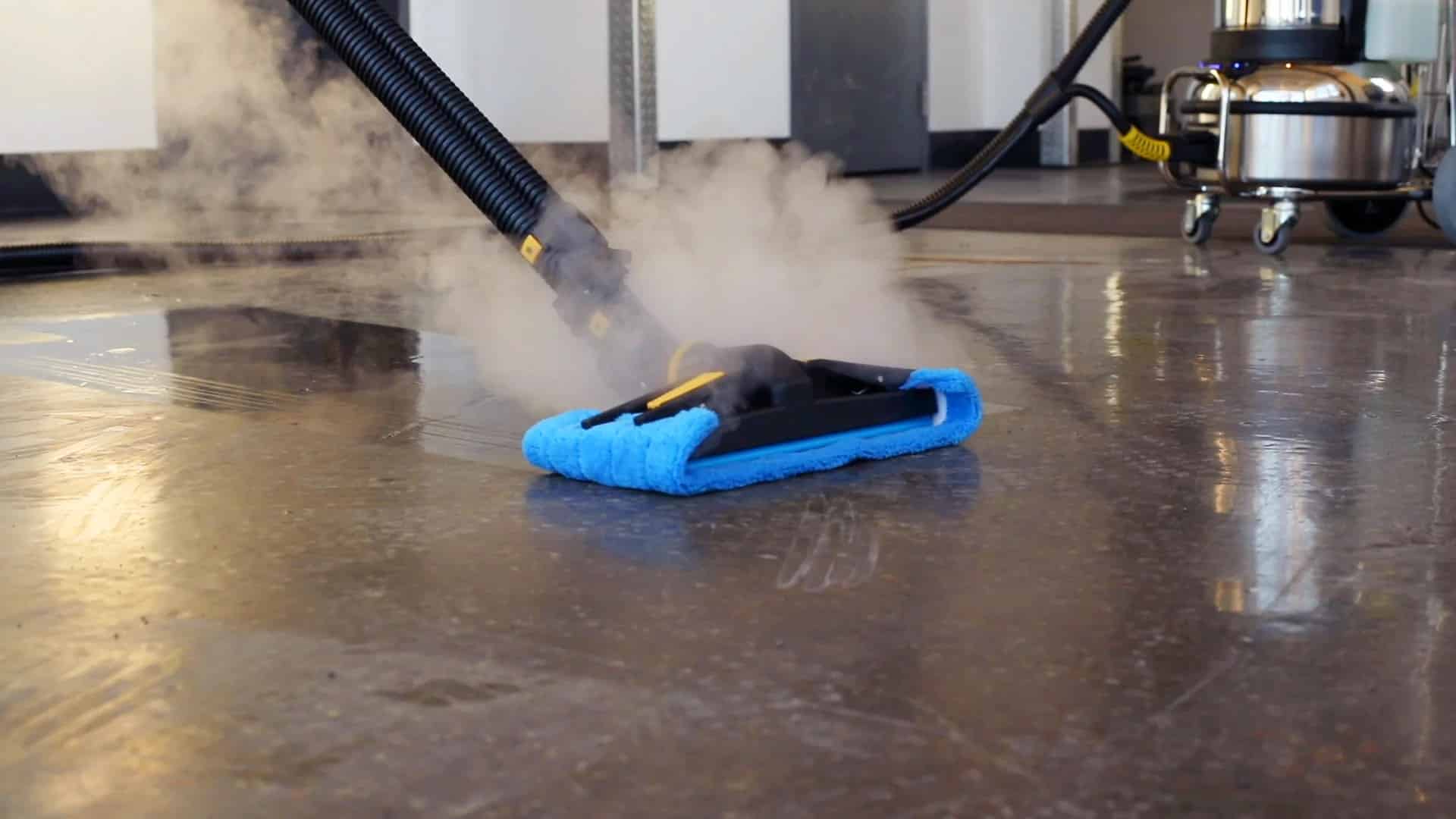
9. Steam Cleaner

One of the biggest benefits of using a steam cleaner is that it’s a chemical-free alternative to traditional products. The high-temperature steam can remove dirt, grime, and germs without the use of harsh chemicals. The lack of chemicals makes it an eco-friendly option that reduces the number of harmful substances in the environment.

Steam cleaners are also highly versatile and can be used to clean floors, upholstery, carpets, and even appliances. Some steam cleaners even come with attachments for specific tasks, such as grout cleaning or detail work.

It’s important to look for one with adjustable steam levels and a large water tank, as this will allow you to clean more surface area without having to constantly refill the tank.

cleaning tools and equipment 5

Conclusion

Investing in quality cleaning tools and equipment is worth it for a healthy and organized home. With the right tools, cleaning can become a breeze, allowing you to focus on the important things in life, like spending quality time with your loved ones. From a vacuum cleaner to a duster, each tool plays a crucial role in maintaining a clean and healthy environment. Having a well-stocked cleaning kit will help make cleaning a stress-free task. So, take the time to evaluate your cleaning needs, invest in the right tools, and enjoy a clean and healthy home.

However, if cleaning seems like a stretch to you, you can always ask for help. At MyCleaningAngel, we are equipped with all the innovative supplies and tools to make your home spic and span. Get an instant quote at our booking page and book cleaning services online now, it’s fast and easy. You’ll love the results.

Should You Clean A House Before Moving In?

Should You Clean A House Before Moving In?

Moving into a new home is an exciting experience. It is a time of possibilities and a promise of a fresh start.  But before you begin packing or get moving, you may be thinking if you should clean the house first. Indeed, it is a resounding yes! 

In this blog, we’ll discuss the advantages of cleaning your new house before moving in, as well as providing a handy move-in cleaning checklist to ensure you’ve covered every nook and corner.

Should you clean a House before Moving in?

But why should you clean a house before moving in? There are several answers to this question, the most important ones include: to move into a fresh and sanitized environment, reduce the risk of allergies and make sure you clean before moving in, free of dirt or grime. 

Let’s go into detail about the importance of move-in cleaning and the best ways to clean a house before moving in to make your cleaning process through and hassle-free.

book cleaning service online

Health and Safety

When you’re moving into a new home, it’s natural to expect a fresh start and a clean slate. However, even if your new place appears pristine, it’s essential to recognize that there may be hidden dirt and grime lurking in unexpected places. It’s not uncommon for previous occupants to leave behind unwanted allergens that could affect your health and wellbeing.

This typically refers to things such as pet hair, dander and dust mites, which are invisible to the naked eye. These become a problem for people who are suffering from asthma or other breathing issues. 

Moreover, damp areas like bathrooms and basements are a breeding ground for mold and mildew. These pesky fungi can cause serious health issues if left untreated, including allergic reactions, respiratory problems, and even neurological issues. Therefore, it’s critical to give your new home a thorough cleaning to prevent these hidden threats from taking root and affecting your and your family’s health.

Try removing any potential allergens or harmful substances, you can breathe easier and enjoy your new space with peace of mind. So, roll up your sleeves and get ready to scrub those hidden corners – your health will thank you for it!

Peace of Mind

When moving into a new home, it’s easy to get swept up in the excitement of settling in and decorating your place to show your personal style. However, you should clean a house before moving in as it can make a world of difference in the overall experience and hygiene. Cleaning and sanitizing your new home will help eliminate any potential allergens or harmful substances and create a more welcoming and comfortable environment for you and your family.

A thorough cleaning of your new home can help to rid it of any lingering germs or bacteria. Because of the COVID-19 pandemic, it’s more important than ever to ensure that your living space is clean and safe.

So, unpacking in a healthy environment and a clean, new home makes you feel more at ease and in control. A clean and organized environment also makes it easier to set up and store everything, making your home feel less cluttered. This makes the entire moving process less stressful.

Easier and More Efficient

A clean house means a more efficient moving process. You won’t have to navigate around boxes and furniture to get to everything. A clean house will also reveal any areas that require special attention, such as hidden corners or difficult-to-reach areas.

Moving can be exhausting, so the last thing you want to do is spend even more time cleaning out the rooms you intend to use before relocating your furniture. A clean home before a move will do half the work for you, so all you have to do is unpack and relax.

clean a house before moving 2

Clean a House before Moving in – Checklist

One of the best ways to clean a house before moving in is making a checklist. Following this handy checklist can help you clean every corner of your new living space spotless and free of dirt, dust, and allergens.

1. Walls and Ceilings

Dust Cobwebs

  • Use a long-handled duster or a broom with a soft cloth attached to reach high corners and ceiling areas.
  • Pay special attention to corners, crown molding, and around light fixtures.

Wipe Down Walls with a Mild Detergent

  • Mix a gentle cleaning solution, warm water, and a few drops of mild dish soap.
  • Use a soft cloth or sponge to gently clean the walls, working in small sections.
  • Be cautious around wallpaper or delicate surfaces to avoid damage.
  • Consider using a magic eraser for stubborn stains or marks.

Clean Light Fixtures and Ceiling Fans

  • Turn off the power to avoid any electrical hazards.
  • Carefully remove any glass or plastic covers, and clean them with warm soapy water.
  • Wipe down the bulbs, taking care not to touch them with your bare hands.
  • Clean the fan blades using a damp cloth or a vacuum with a brush attachment.

clean a house before moving 4

Clean Air Vents and Grills

  • Remove the vent covers and vacuum the inside of the ducts using a hose attachment.
  • Clean the vent covers with warm soapy water, ensuring they are completely dry before reattaching them.
  • Replace air filters as required.

Check for and Remove any Mold or Mildew

  • Inspect walls and ceilings for any signs of mold or mildew, paying special attention to damp areas such as bathrooms and basements.
  • If you discover mold or mildew, use a store-bought mold remover or create your own solution by mixing one part bleach with three parts water.
  • Scrub affected areas with a stiff brush, and rinse with clean water.
  • Dry the area thoroughly and consider using a dehumidifier to prevent future mold growth.

2. Floors

Vacuum Carpets

  • Remove any furniture or obstacles from the carpeted area.
  • Vacuum the entire carpet thoroughly, paying special attention to high-traffic areas and corners.
  • Use the hose attachment to clean edges and any hard-to-reach spots.

Steam Clean Carpets if Necessary

  • Assess the condition of the carpets to determine if a deeper cleaning is needed. Look for stains, embedded dirt, or odors.
  • Rent or purchase a steam cleaner designed for home use, or hire a professional carpet cleaning service.
  • Follow the manufacturer’s instructions or guidelines provided by the cleaning service to ensure optimal results.

clean a house before moving 5

Sweep and Mop Hardwood, Tile, or Linoleum Floors

  • Sweep the entire floor surface with a broom or a dry microfiber mop to remove dust and debris.
  • Mix a cleaning solution appropriate for the type of flooring: for hardwood, use a cleaner specifically designed for wood floors; for tile or linoleum, mix a few drops of mild dish soap with warm water.
  • Mop the floor using a microfiber mop or a traditional mop wrung out well, working in small sections to avoid streaks.
  • Allow the floors to air dry or use a dry mop to speed up the process.

Clean Baseboards and Remove Scuff Marks

  • Dust the baseboards with a microfiber cloth or vacuum them using a brush attachment.
  • Wipe down the baseboards with a damp cloth and a mild cleaning solution.
  • For stubborn scuff marks, use a magic eraser or a mixture of baking soda and water to gently scrub the affected areas.

3. Windows

Clean the Interior and Exterior of All Windows

  • Remove any obstacles, such as furniture or decor items, to access the windows easily.
  • Mix a window cleaning solution using a few drops of mild dish soap and water, or you can use a good-quality store-bought glass cleaner.
  • Use a microfiber cloth or a squeegee to clean the interior and exterior surfaces of each window, working from top to bottom.
  • For hard-to-reach exterior windows, consider using an extendable squeegee or hiring a professional cleaning service like My Cleaning Angel.
  • Buff the windows with a dry cloth or a crumpled newspaper to remove any streaks and achieve a streak-free shine.

clean a house before moving 6

Wipe Down Window Sills, Frames, and Tracks

  • Use a dry cloth or a vacuum with a brush attachment to remove dust and debris from the window sills, frames, and tracks.
  • Apply a mild cleaning solution to a damp cloth, and wipe down the sills, frames, and tracks thoroughly.
  • Use a toothbrush or a small brush to clean hard-to-reach areas and crevices within the tracks.
  • Dry the surfaces completely to prevent moisture buildup and potential mold growth.

Clean Blinds and Curtains

  • For blinds, dust them using a microfiber cloth, a duster, or a vacuum with a brush attachment. Be gentle to avoid damaging the slats.
  • If the blinds are heavily soiled, remove them from the window and clean them with warm soapy water or a suitable cleaner, depending on the material. Rinse and let them dry completely before rehanging.
  • For curtains, check the care label for specific cleaning instructions. Some curtains can be machine washed, while others may require professional dry cleaning or spot cleaning.
  • If machine washing is allowed, remove the curtains from the rods and wash them on a gentle cycle with a mild detergent. Hang them to air dry, or follow the care label’s drying instructions.

4. Bathrooms

Scrub and Sanitize Toilets, Sinks, and Showers

  • Clean the toilet bowl, sink, and shower surfaces with a disinfectant cleaner.
  • Scrub the toilet bowl with a toilet brush and clean the sink and shower with a sponge or brush.
  • Wipe down the surfaces with a clean cloth after rinsing them with clean water.
  • For thorough sanitization, clean the toilet seat, lid, and handle.

clean a house before moving 7

Check for and Remove any Mold or Mildew

  • Look for mold or mildew in the bathroom, especially in damp areas like grout lines, shower curtains, and around the sink.
  • To remove mold or mildew, use a store-bought mold remover or make a solution by combining one part bleach and three parts water.
  • Scrub the affected areas with a stiff brush, then rinse with clean water and thoroughly dry them.

Clean Mirrors, Cabinets, and Countertops

  • For a streak-free finish, spray mirrors with glass cleaner and wipe them down with a microfiber cloth or crumpled newspaper.
  • Wipe down the interior and exterior surfaces with a mild cleaning solution after emptying cabinets and drawers.
  • Use a disinfectant cleaner or a mixture of warm water and mild dish soap to clean and sanitize countertops.

5. Kitchen

Clean and Sanitize Countertops, Sinks, and Faucets

  • Remove any items from the countertops and disinfect or clean them with a mild cleaning solution.
  • Scrub the sink with a sponge or brush, and clean around the faucet and drain with an old toothbrush.
  • Clean the sink with clean water and a clean cloth.

clean a house before moving 3

Wipe down Cabinets, inside and out

  • Wipe down the interior and exterior surfaces with a mild cleaning solution after emptying cabinets and drawers.
  • Pay close attention to handles and knobs, which can collect dirt and bacteria.

Clean Appliances, including the Refrigerator, Oven, and Stovetop

  • For the refrigerator, remove all shelves and drawers and clean them with warm soapy water. Wipe down the interior and exterior surfaces, as well as the door seals.
  • Clean the oven according to the manufacturer’s instructions, using a store-bought oven cleaner or a mixture of baking soda and water. 
  • Wipe down the stovetop with a suitable cleaner, removing and cleaning any removable parts such as burners and knobs.

Should you clean a House before Moving in?

The Final Verdict

Move-in cleaning can make a world of difference in your overall experience. It not only ensures a healthier and safer environment, but it also provides peace of mind and streamlines the entire moving process. So gather your cleaning supplies and relish the chance to start over in your new home. Happy cleaning and best wishes on your upcoming move!

    Can You Clean Without Chemicals?

    Can You Clean Without Chemicals?

    Cleaning is among those activities that you either love or despise. It might be viewed as a therapeutic habit. Creating a tidy haven in which you can relax is important, but what’s even more essential is to know how to clean without chemicals. This is one way of limiting your exposure to hazardous substances. Several of the chemicals included in common cleaning products have been recognized as endocrine disruptors (EDCs). They have been connected to breast cancer and other disorders.

    Cleaning products can carry harmful chemicals into your house, which are prone to building up in indoor air,” says the EWG. They researched 21 regularly used cleaning agents, such as air fresheners and multifunctional washing sprays, and discovered that they emitted over 450 chemicals into the air, including many chemical compounds connected to asthma, developmental and reproductive damage, and cancer.

    How Can You Clean your Home without Using Harmful Chemicals?

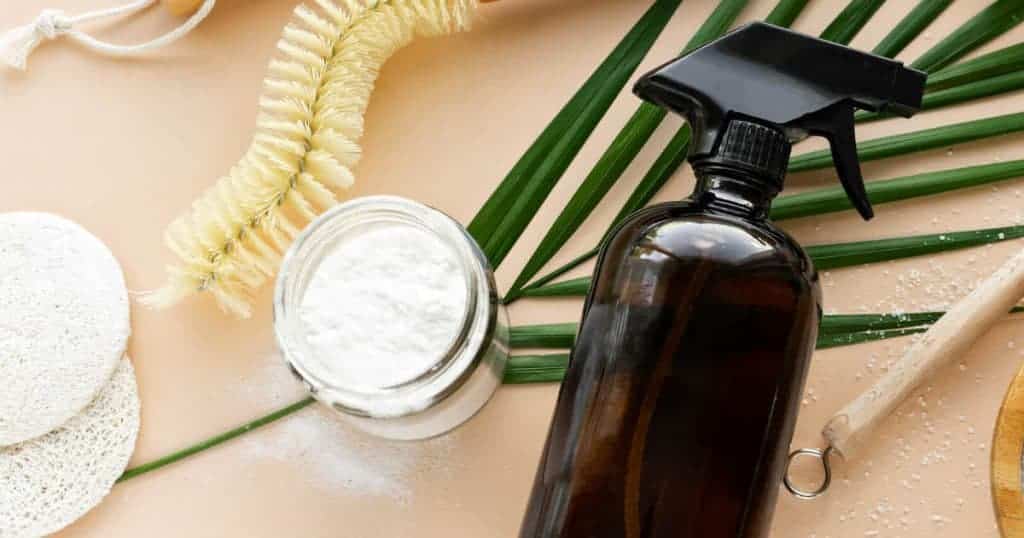
    You can clean your place without harsh chemicals by buying natural alternatives to traditional cleaning supplies or producing your own. Natural cleaning solutions sold in stores are typically pricey. You can make your chemical-free cleaning solutions that are just as effective at a fraction of the cost.

    These are some of the greatest green cleaning product recipes. Before you begin, get in some reusable spray bottles and containers with screw lids to keep your products fresh and easy to apply.

    What is the Finest Homemade All-Purpose Spray?

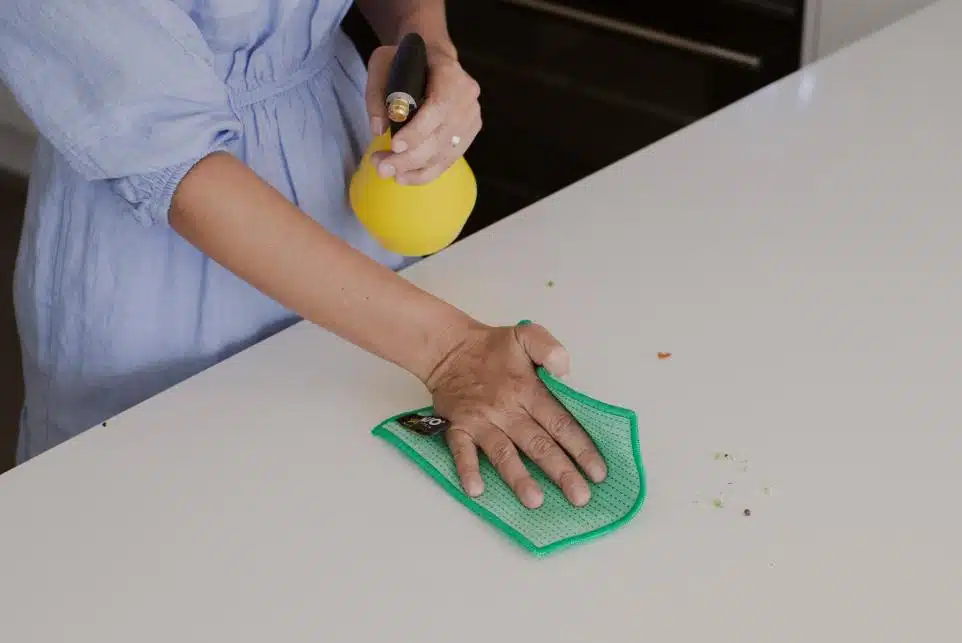
    Basic vinegar is a good and chemical-free cleaning solution for most surfaces. To make it, just mix an equal amount of distilled water and white vinegar in a jug and pour the DIY cleaning spray into a spray bottle. You may also add extra freshly squeezed lemon juice to boost the antibacterial qualities and mask the vinegar smell. A few drops of essential oil, such as lavender, will provide a lovely scent to the spray.

    But, vinegar spray is not recommended for stone surfaces since it might ruin the finish. Castile soap spray is a wonderful choice for stone countertops. For each cup of water used, add a spoonful of castile soap and a few drops of essential oil for aroma. Shake the spray container vigorously before using.

    book cleaning service online

    How can I Disinfect without Chemicals?

    Believe it or not, the best method to disinfect without chemicals is vodka. Ideally, you should select the strongest vodka available in your state, since more alcohol content means stronger cleaning capabilities. Combine three parts vodka and one part white vinegar, in a spray bottle. Add some essential oils such as lavender or citrus, for a fresh aroma.

    If you haven’t got any vodka on hand, you may use rubbing alcohol. Try the cleaning spray on an isolated area first before sprinkling it all over your tabletop, since rubbing alcohol might harm some surfaces. It also has a distinct odor, therefore a few drops of essential oil will most likely be required to disguise it.

    6 Alternatives to Chemical House Cleaners

    So, can you clean without chemicals just as effectively? Fortunately, not every household product has to contain potentially harmful chemicals. In fact, there are safe, environmentally friendly, and chemical-free products available for you to use to get the same cleaning tasks done. Consider these 6 natural alternatives to cleaners. The best chemical-free cleaning products include:

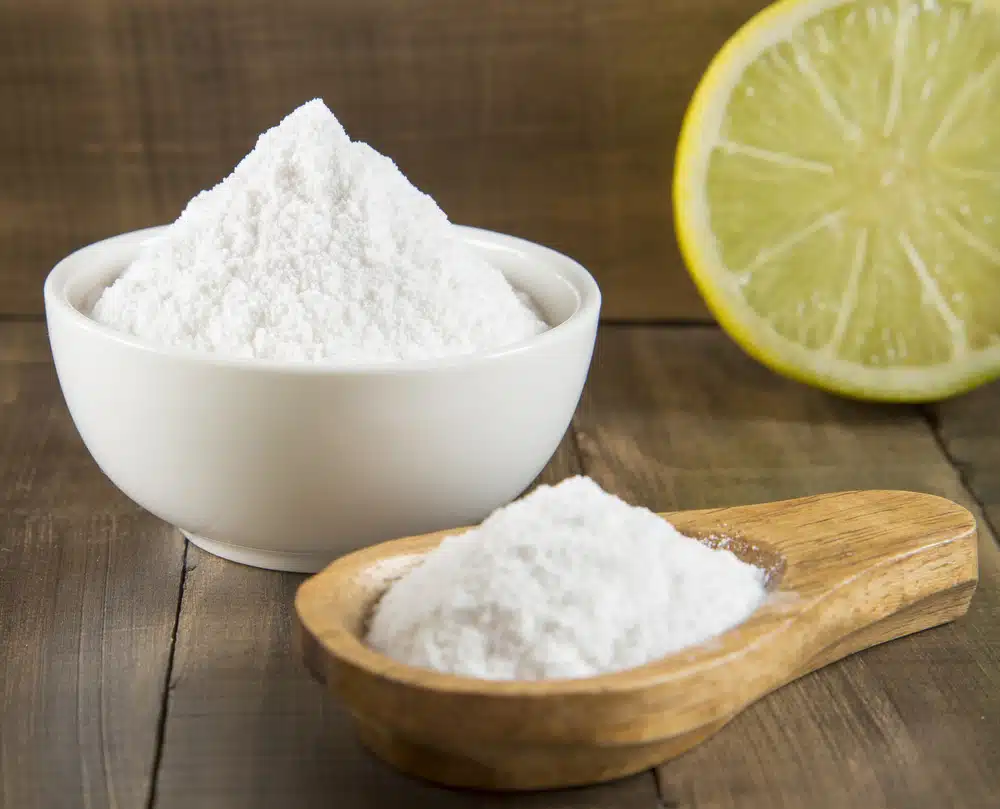
    1. Baking Soda

    Baking soda is a popular natural ingredient in many American households. It offers cleansing and whitening qualities that perform just as well as harsh chemicals. Baking soda has several uses, particularly in home cleaning. You can use it for practically everything, from leaving an open box in your fridge to fight smells and help freshen it to cleaning floors and counters. It may also be used for oven and surface cleaning, as well as toilet and bathtub scrubbing.

    It is an excellent ingredient for removing stubborn stains and cleaning iron faucets, door knobs, and other hardware. Make a baking soda and water paste and apply it to the surface you wish to clean. The bubbling liquid will remove any difficult oil or grime after a few hours.

    clean without chemicals 2

    2. Vinegar

    Vinegar is another popular natural cleaning agent that’s been in use for many years. Both white vinegar and apple cider vinegar offer qualities that can assist to eliminate microorganisms, deodorization surfaces, and general cleaning without chemicals. Since it quickly combats filth, grime, and even grease, white vinegar is widely used to help polish silver and surfaces such as windows. Apple cider vinegar has comparable use and is an excellent addition for naturally deodorizing clothes and cleaning drains.

    Vinegar removes tenacious oil and debris from most surfaces and is ideal for cleaning mirrors, windows, and glass shower screens. However, it should not be used on stone counters since it might etch the surface. If you aren’t fond of the smell of vinegar, try steeping it for a few days with some lemon peel to give it a new aroma.

    3. Hydrogen Peroxide

    Hydrogen peroxide is a harmless chemical with a number of potential uses. It’s not just antibacterial and antifungal, but it could also replace a variety of harsh cleaning agents. The combination of hydrogen peroxide and hot water is ideal for washing floors, scouring counters, and washing sinks and toilets. It’s strong enough to remove stains from toilets while being mild enough not to eat away at your home’s surfaces. Hydrogen peroxide can also be used to treat difficult dirt, mold, and mildew that forms in showers and sinks.

    Fill a spray bottle with straight (3%) hydrogen peroxide or mix it 50/50 with water to use it inside your refrigerator or countertops. Sanitize wooden cutting boards with this solution. If your drains need a good cleaning, add some baking soda and a tablespoon or two of hydrogen peroxide and watch it bubble away the gunk. Hydrogen peroxide is also effective as a toilet bowl cleaner since it is friendly on septic systems. It’s also a wonderful replacement for bleach in your laundry to help brighten and remove stains. Just add a cup of it to your load. This way you can clean without chemicals

    clean without chemicals 4

    4.Borax

    Borax, which is essentially a salt compound, is quite useful for house cleaning. Pour some in your toilet and give it a swish with the toilet brush before letting it settle and flushing. Create a paste and use it as a shower and bath scrub. Borax cleans carpets, deodorizes garbage cans, and the list goes on. It is a must-have for a greener clean and should always be kept beneath the kitchen (or bathroom) sink.

    Sodium borate, otherwise known as Borax, is a powdery white boric acid salt. It can be dissolved in water and used to clean in a variety of ways. Borax is not only a surface, bathroom, carpet, and rug cleaner but also one of the best answers to disinfecting without using chemicals. It is strong enough to remove grease and dirt from ovens as well as mold and mildew stains from toilets. Borax powder is commonly found at hardware stores or in the laundry aisle of big-box retailers.

    5. Castile Soap

    Castile soap is a low-cost, natural liquid soap derived from vegetable extracts. It may be used to clean almost any surface, even stone countertops. Castile soap is also an excellent natural alternative to laundry detergent, but if you have hard water, you also need to add little baking soda to your wash.

    It has a wide range of uses and is an excellent substitute for soaps that may include potentially harmful ingredients such as parabens. Castile soap may be used on practically any surface, including your kitchen flooring and your skin. It is non-toxic, disposable, eco-friendly, and skin-friendly, in addition to being an outstanding cleanser. Castile soap may be used in place of carpet cleaners, surface cleaners, and even toilet cleaners.

    clean without chemicals 5

    6. Essential Oils

    Essential oils are popular right now for good reason. They are a non-toxic, natural method to clean your house. They’re cheap and multipurpose, and they’re great for personal care and aromatherapy. Essential oils are nature’s answer to all of life’s problems.

    Essential oils are really multipurpose products that do more than only aid your body, spirit, and mind; they are also fantastic for cleaning. They include anti-bacterial, antifungal, and antiseptic qualities that destroy germs just as well as the hazardous chemicals found in our typical cleaning solutions. Furthermore, they emit a wonderful aroma that will thrill your olfactory senses while having no negative side effects.

    Go Green!

    The majority of cleaning products contain toxic chemicals. Finding green cleaning items at your local supermarket may be tricky, and you can’t usually trust the labeling. Simple ingredients like baking soda, lemon juice, vinegar, and Borax, etc. provide spectacular outcomes for practically all of your domestic chores. The six alternatives listed above are safer, natural, and green alternatives to keep on hand when creating your own house cleaning products for the lightest, cleanest clean. This is a great way to start to clean without chemicals.

    Contact My Cleaning Angel now if you feel your appliances and house require deep cleaning. Visit our website for additional efficient cleaning suggestions and book cleaning services online now with us. Our team of pros approaches each cleaning project as a challenge and delivers a spick and span finish to our clients.