Select Page
How Removing Allergens Can Lead to a Healthier Home

How Removing Allergens Can Lead to a Healthier Home

Everyone wants a healthy home. But sometimes, sneezing, coughing, and itchy eyes make that hard. The problem? Allergens like dust mites, pet fur, and mold are hiding in your house. Removing allergens is key to feeling better. And nothing better than always maintaining your house clean.

Did you know? About 80% of people breathe in dust mite waste. It can make allergies and asthma worse. This post will show you how to clean your home of these tiny invaders for fresher air and fewer allergy symptoms. Get ready for tips on vacuum cleaners with HEPA filters, air purifiers, and keeping your indoor environment clean.

Keep reading for relief.

Key Takeaways


    • About 80% of homes in the U.S. have dust mites, and 60% have problems with pet fur.
    • Using air purifiers with CERTIFIED asthma & allergy friendly® filters can catch nearly 98% of allergens.
    • Vacuuming floors and carpets once or twice a week with a HEPA filter vacuum helps stop allergies.
    • Washing bedding every week in hot water kills dust mites.
    • Installing exhaust fans in kitchens and bathrooms reduces moisture and mold growth.

Understanding Allergens in the Home

Understanding-Allergens-in-the-Home

Allergens in the home can make life tough. These unwanted guests, like dust mites, pet fur, and cockroach bits, are mostly found where we feel safest. About 80% of homes in the U.S. have dust mites.

Also, 60% deal with cat or dog fur issues. Urban areas or places in the southern U.S. see more problems with cockroaches.

These allergens hide in pets, carpets that cover whole rooms, soft chairs and sofas, toys filled with stuffing, bed sheets and pillows that you can’t wash easily, damp spots around your house; also indoor plants can keep allergen levels high if they trap mold spores too.

It’s important to know what causes bad air inside our homes because this knowledge is the first step toward making our living spaces safer for those with asthma or allergies and anyone wanting cleaner air to breathe.

Steps to Control Indoor Allergens

remove allergens

To start removing allergens indoors, start with a clean house. Use air purifiers and look for products with the asthma & allergy friendly® mark to help keep your home safe.

Regular Cleaning Routines

Regular-Cleaning-Routines

Removing allergens is a big deal for parents. A clean home means healthy kids and fewer allergies. Here’s how to do it:

    1. Vacuum floors and carpets once or twice a week. Make sure your vacuum cleaner has a HEPA filter. This catches tiny particles that cause allergies.
    2. Dust surfaces often. Use damp cloths to pick up dust instead of spreading it around.
    3. Wash all bedding every week. Use hot water, at least 130°F, and dry them on high heat to kill dust mites.
    4. Put special covers on pillows and mattresses. These covers block dust mites.
    5. Keep your home dry to stop mold from growing. Use dehumidifiers in damp areas like basements.
    6. Clean filters in your air conditioners and heaters regularly to keep the air clean.
    7. Open windows often for fresh air, but close them during allergy season to keep pollen out.
    8. Avoid using strong cleaning products that have harsh chemicals or smells.
    9. Take off shoes at the door or use a doormat to reduce dirt coming in.
    10. If you have pets, bathe and groom them regularly to reduce pet dander in the house.
    11. After cleaning, leave the house for a few hours if possible, especially if you wear a mask while cleaning to avoid breathing in any stirred-up allergens.

Following these steps can help keep your indoor air quality high and reduce allergens in your home, making it healthier for everyone living there.

Use of Air Cleaners

Use-of-Air-Cleaners

Air cleaners are a big help in making homes healthier, especially for families. They can reduce allergens that cause asthma and allergies. Here’s how:

    1. Look for air cleaners with CERTIFIED asthma & allergy friendly® filters. They capture nearly 98% of allergen bits.
    2. Make sure the air cleaner removes at least 75% of stuff floating in the air to get certification.
    3. Use air purifiers in rooms where you spend most time, like bedrooms and living rooms. They drop pollen, mold bits, dust-mite stuff, and pet dander.
    4. Pick air cleaners that showed a big drop in tiny harmful particles. A study found a 51.8% decrease in PM2.5 (tiny bad particles) after six weeks of use in bedrooms.
    5. Place air purifiers away from walls and furniture for best airflow.
    6. Clean or replace filters as advised to keep the machine working right.
    7. Choose machines that match your room size for effective cleaning.
    8. Air purifiers with HEPA (High-Efficiency Particulate Air) filters are great against tiny nasties in the air.
    9. Avoid purifiers that make ozone, which can harm lungs and make breathing problems worse.
      10 Clean the pre-filters regularly to boost performance and extend filter life.

Using these steps will help keep your home’s air clean and reduce health risks linked to indoor pollutants and allergens, providing a safer environment for your family to breathe easier.

CERTIFIED Asthma & Allergy Friendly® Products

remove allergens

CERTIFIED Asthma & Allergy Friendly® products must pass strict tests. These tests check if they make indoor air better. The Asthma and Allergy Foundation of America (AAFA) helps with this.

They look at how vacuum cleaners keep dust in and take allergens out. They also see if cleaning supplies let out bad chemicals or smells.

Air purifiers that have this certification need to clean the air well without adding problems. Products like these lower risks from things like house dust, pet dander, and pollen inside homes.

This means fewer allergy attacks at home. Parents who choose these items make a healthier place for their families to live and breathe by removing allergens.

Room-by-Room Guide to Reducing Allergens

Room-by-Room-Guide-to-Reducing-Allergens

Check out our room-by-room guide for tips on keeping your home free from allergens. We cover every area – the place you sleep, the spot you relax, where you cook, and even where you bathe.

You’ll learn how to handle things like air purifiers in bedrooms, choosing the right cleaning tools for living areas, managing moisture in kitchens to prevent mold growth, and ensuring bathrooms are well-ventilated to avoid dampness.

Ready to make each part of your house safer? Keep reading!
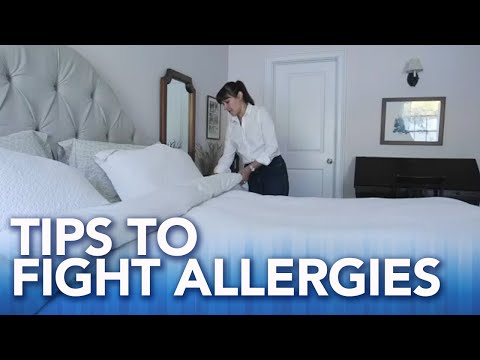
Bedroom

remove allergens bedroom

The bedroom is a key battleground against allergens. Studies have found that over 99% of bedrooms in the U.S. carry at least one type of allergen, with about 74.2% housing three to six types.

To fight back, using dust-mite-proof covers on pillows and mattresses is a smart move. Washing bedding weekly at temperatures above 130°F (or 54°C) helps kill off dust mites too.

Since pets can bring in more allergens, they should stay out of the bedroom. Bathing pets weekly cuts down on what they might bring in.

Choosing synthetic materials for bedding and opting for low-pile carpets or skipping carpets altogether can also make a big difference in keeping the air clean. Next up: tackling the living room to create an even healthier home environment.

Living Room

removing allergens living room

Moving from the bedroom to the living room, it’s key to keep this area free of allergens too by removing allergens. Hard floors like wood or linoleum are better than carpets that can hold dust and other triggers.

It’s wise to replace chairs with cushions for ones without upholstery. These choices make cleaning easier and reduce places for allergens to hide.

For cleaner air, keep windows shut during pollen season. This prevents outdoor allergens from coming in. Air conditioning helps too, by filtering the air inside your home. Don’t forget about plants—while they add beauty, their soil can grow mold.

Covering soil with aquarium gravel solves this problem well. Lastly, avoid using wood-burning fireplaces because they release smoke and gases that might bother someone with allergies or asthma.

Kitchen

In the kitchen, parents can fight against allergens by installing a vented exhaust fan. This helps get rid of cooking fumes and extra moisture. Washing dishes every day, along with scrubbing sinks and faucets, keeps mold and food scraps away.

A clean fridge without moldy food also matters a lot. Storing food in sealed containers and trash in bug-proof cans cuts down on allergens.

It’s vital to empty the garbage every day to keep allergen levels low. Next up: tackling the bathroom for allergen control.

Bathroom

Bathrooms can make or break a home’s fight against allergens. Adding an exhaust fan cuts down moisture from showers, keeping mold at bay. Swapping out carpet for hard flooring like tile or wood helps too.

These floors don’t hold onto allergens and are easier to clean. Plus, using washable rugs lets you throw them in the laundry to get rid of dust mites and other allergy triggers.

Parents should also focus on drying shower areas after use and tackling any mold with bleach solutions. It’s smart to regularly wash or change shower curtains and mats that can turn into mold hotspots if left damp.

By controlling indoor humidity under 50%, families can prevent many issues caused by mould and dust mites—a key step toward cleaner air for everyone living there.

Conclusion

removing allergens conclusion

Taking out allergens makes homes healthier. This means fewer asthma attacks and less sneezing for everyone living there. Clean air machines and smart products help a lot. They catch tiny bits that make us sick.

Cleaning each room well also stops these bits from floating around in the air. So, better breathing starts with removing what causes trouble in the first place – those unseen allergens hiding all over our homes.

FAQs

1. How can I reduce indoor air pollution for a healthier home?

To reduce indoor air pollution, you need to focus on improving ventilation and employing effective air filtration. Using HVAC systems with good clean air delivery rates can help remove fine particles and volatile organic compounds (VOCs). Regular vacuuming can also eliminate allergens from furnishings.

2. What are the common sources of indoor pollutants?

Common sources of indoor pollutants include cigarettes, fragranced consumer products like air fresheners, central heating and cooling systems, room air conditioners, and even your clothes dryer. Certain materials in your home may release VOCs which contribute to poor Indoor Air Quality (IAQ).

3. Can removing allergens impact allergic diseases?

Absolutely! Removing allergens from your home reduces exposure to triggers for allergic reactions or hypersensitivity pneumonitis. This could lead to less frequent seasonal allergies or asthmatic episodes.

4. How does poor IAQ relate to lung diseases such as emphysema or chronic bronchitis?

Poor IAQ is associated with various respiratory conditions including asthma, chronic bronchitis, emphysema, and other lung diseases due to the presence of particulate matter that irritates the alveoli in our lungs.

5. Are there certifications or guidelines I should look out for when trying to improve my home’s IAQ?

Yes! Consider products certified by programs like Asthma & Allergy Friendly® Certification Program endorsed by American Academy of Allergy Asthma & Immunology (AAAAI) as they meet standards set by Environmental Protection Agency(EPA) regarding low emissions of VOCs

6. What steps can I take right now towards a healthier living environment at home?

Start by regularly changing your HVAC system’s filters and using vacuum cleaners equipped with HEPA filters that capture ultrafine particles effectively; keep humidity levels under control especially after water damage events; consider seeking advice from an exterminator if pests are an issue, and wash pillowcases and comforters regularly to minimize allergens.

When To Start Fall Cleaning: Essential Tasks & Timing Guide

When To Start Fall Cleaning: Essential Tasks & Timing Guide

Deciding when to start fall cleaning puzzles many people. Early September is the best time. This guide offers tips and a checklist to make it easy. Read on for helpful advice.


Key Takeaways

  • Start fall cleaning early to mid-September to prepare for cold weather.
  • Big tasks like deep cleaning carpets and decluttering closets are important.
  • Check and clean HVAC systems before winter to save money on energy costs.
  • Clean gutters and check chimneys in fall to keep homes safe and dry.
  • Swap summer items for fall and winter gear by late September.

Optimal Timing for Fall Cleaning

A cluttered living room in need of a thorough cleaning and organization.

Start fall cleaning early to mid-September. This time is perfect for tackling big jobs and preparing your home for colder months.

Early to Mid-September

A woman in her 30s organizing her closet for fall.

Early September is perfect for starting fall cleaning. The weather begins to change, making it a good time to clean inside the house. People put up fall-themed decorations at their front door.

They also start deep cleaning places like the freezer and refrigerator in mid-September. This helps get the home ready for colder months ahead.

House owners focus on areas that need attention after summer ends. Vacuuming carpets and checking smoke detectors are common tasks during this period. It’s also when many decide to sort through closets, getting rid of clothes they don’t wear anymore.

Early September gets homes clean and organized before fall fully sets in.

Essential Fall Cleaning Tasks

when start fall cleaning

Fall cleaning means tackling big jobs like washing floors and scrubbing surfaces, along with organizing spaces that get cluttered. It’s time to bring out the vacuum cleaner, sort through wardrobes, check safety devices like smoke alarms, and make sure heating systems are ready for colder weather.

Get motivated to clear out the old and spruce up your home—read on for more helpful tips!


Deep Clean Carpets and Rugs

when start fall cleaning

Regular carpet cleaning promotes a conscious living environment, making certain that spaces appear and maintain an overall cleanliness.

Freshen Up Upholstery

After taking care of carpets and rugs, it’s time to tackle the couches. Use upholstery cleaning foam for a deep clean. Products like Chemical Guys Foaming Citrus Fabric Cleaner ($31.99) work well.

For leather items, Leather Honey Leather Cleaner ($16.99) is a good choice. Also, don’t forget to launder bedding and get it ready for colder weather with fall layers.

This makes your furniture look and smell fresh again. It also keeps your home healthy by getting rid of dirt and germs hidden in fabrics.

Declutter and Organize Closets

Decluttering closets starts with taking everything out. House owners and parents look at each piece of clothing and accessory. They decide what to keep, give away, or throw out. This makes room for fall and winter items.

It’s important to swap out summer clothes during this time.

House owners use a checklist to make sure they don’t miss anything. They sort shirts, pants, jackets, and accessories. For kids’ closets, they check sizes to see what still fits. Then, house owners put back only the things they will use in fall and winter.

This keeps closets organized and easy to use.

Exterior Maintenance and Cleanup

After arranging closets, it’s time to focus outside. Cleaning gutters and raking leaves should be done 8-10 weeks before Thanksgiving. This makes sure homes are ready for the holiday season.

Yard cleanup includes power washing and removing dead plants or branches. Also, storing outdoor furniture prevents damage from winter weather.

Next, check the house’s outside parts for any repairs needed before cold weather hits. This could mean fixing shingles on the roof or sealing windows to keep heat in. Planning these tasks helps avoid last-minute rushes and ensures a smooth transition into winter.

HVAC System Check and Cleaning

HVAC systems need a check before winter hits. You should change the filters and clean the coils. This ensures your system runs well in the cold months. It’s a must-do to keep your house warm and energy costs low.

Experts say, “Routine preventive maintenance on HVAC units saves money.” This includes cleaning parts inside like filters and outside parts like coils. Doing this once a year helps avoid big problems later.

Prepare Seasonal Item Swaps

Swap out summer clothes for fall and winter ones by late September. This means putting away shorts and t-shirts. Instead, bring out sweaters and jackets. It’s also time to declutter unused clothing.

Don’t forget fall/winter accessories like hats and gloves.

By early October, check the garage for items that need indoor storage before it gets too cold. This includes patio furniture and garden tools. Also, switch seasonal bedding to warmer options for chilly nights ahead.

Why Fall Cleaning is Important

A woman organizes kitchen cabinets during fall cleaning.

Fall cleaning reduces allergens. It makes the air fresh. This is key for kids’ playrooms and study spaces. They focus better in a clean room. Decluttering helps too. Giving away unused items makes the home easier to manage.

Kitchen gets better with fall cleaning, helping with cooking and meal planning. Clean counters, organized cabinets, and checked expiration dates boost kitchen efficiency. This season, take time to swap out summer clothes for warmer options, making mornings smoother.

Ultimate House Deep Cleaning Checklist

Elderly couple deep cleaning kitchen with eco-friendly products.

Understanding why fall cleaning is crucial leads us directly to how to do it. The ultimate house deep cleaning checklist is your guide.

  1. Clean all kitchen surfaces, including countertops and stovetops, using a mild cleaner.
  2. Empty and scrub the inside of your microwave, dishwasher, and refrigerator.
  3. Check expiry dates on food items in the pantry and fridge.
  4. Wash shower curtains, liners, and bathmats in bathrooms.
  5. Deep clean showers, sinks, and toilets with disinfectant.
  6. Replace showerheads if they show signs of wear or build-up.
  7. Vacuum or steam clean carpets and rugs throughout the house.
  8. Clean windows inside and out for clear views and more light.
  9. Dust all surfaces, high and low, focusing on forgotten areas like tops of doors and ceiling fans.
  10. Organize closets by donating unused items and storing season-specific clothing like sweatshirts for winter.
  11. Inspect smoke detectors and carbon monoxide detectors; change batteries if needed.
  12. Replace HVAC filters for better air quality inside your home.
  13. Declutter living areas by removing items that no longer serve you or your family.
  14. Prepare outdoor furniture for storage or cover it for protection during colder months.
  15. Clean gutters to prevent water damage from rain or snow melt-off.

Each task helps prepare your home for the colder months while ensuring a healthy environment indoors.

Additional Fall Maintenance Tips

A man in his 40s cleaning gutters while standing on a ladder.

For a home that’s ready for winter, think about cleaning your gutters, checking the chimney, and getting the garden set for colder days. This step keeps the house safe and warm. Plus, tackling these tasks now can save time and trouble when cold weather hits hard.

Don’t miss out on these tips to keep your home in top shape.

Gutter Cleaning

Gutter cleaning is a must-do task twice a year, in early fall and early spring. It helps keep your home safe from water damage. If you skip this chore, fixing the damages can cost around $5,121 on average.

Hiring someone to clean your gutters might cost between $80 and $150 for a single-story house.

This job keeps rainwater away from your roof, walls, and foundation. When gutters get blocked with leaves and debris, water can’t flow out. This causes leaks and damage over time. Clean gutters also prevent pests like rodents and insects from making homes in the debris.

House owners find that regular gutter maintenance saves money in the long run by avoiding costly repairs.

Chimney Sweeping

Moving from cleaning gutters, chimney sweeping comes next. This task is key for keeping homes safe and warm. Over time, chimneys gather creosote, debris, and sometimes animal nests.

These can be fire hazards. High-quality brushes and vacuums remove these risks effectively.

Experts use special tools to clean chimneys well. They check for any signs of damage too. Cleaning once a year keeps the chimney working right. It lets smoke out easily and keeps air inside fresh.

Garden and Patio Winter Preparation

To get gardens and patios ready for winter, there are key steps to follow. First, rake up fallen leaves often. This stops grass from getting smothered. Next, clean out garden beds of any debris to keep insects and diseases away.

Adding mulch around plants helps protect roots from cold and insulates them well during the winter months.

For patios, cleaning outdoor furniture before storing it away is important. Check if roofs over patios need any repairs or cleaning too. Make sure sprinklers and irrigation systems are drained and turned off to avoid freeze damage.

These actions ensure a garden and patio are set for the colder days ahead while keeping everything in good shape for spring.

Benefits of Recurring Cleaning Services

A robot vacuum cleaner cleans a tidy living room with sunlight.

Recurring cleaning services bring big perks to busy homeowners and parents. They save time, helping families use those hours for fun activities instead of scrubbing floors. These services also make homes healthier by getting rid of dust and allergens.

This can mean fewer sick days and less stress about a dirty house. Each cleaning plan fits exactly what the family needs, whether it’s focusing on kitchen cabinets or deep carpet cleaner jobs.

These services often cost less in the long run than buying lots of different products for spring cleaning, fall maintenance, and regular upkeep. They keep HVAC systems running well and prevent mold by staying ahead of water heater leaks or basement dampness.

Plus, clean gutters and chimneys mean a safer home during winter months. All these tasks handled regularly maintain a home’s value over time without letting small issues become big problems.

Conclusion

A person in their 30s sweeping leaves in a backyard during fall.

Starting fall cleaning at the onset of September is significantly beneficial. It provides ample opportunity for detailed tasks like addressing exterior home repairs, inspecting heating systems, and transitioning seasonal items.

Essential tasks including cleaning gutters, chimney sweeping, and preparing gardens for winter contribute to maintaining homes in peak condition. This guide proposes an extensive checklist to address every area—from living rooms to outdoor spaces—guaranteeing no aspect is forgotten. Book cleaning services online this fall, get your quote online. It’s easy, fast, you see the price right away and can book it instantly.

Fall cleaning prepares homes for the colder seasons and also creates a cozy environment for holiday get-togethers.

FAQs

1. When is the best time to start fall cleaning?

Start your fall cleaning as soon as you notice a change in the season. This gives you enough time to complete essential tasks like kitchen, bedroom, and bathroom cleaning.

2. What are some important tasks on a fall cleaning checklist?

A comprehensive fall cleaning checklist should include home maintenance items such as window cleaning, chimney inspection, roof inspection, and outdoor furniture storage.

3. How can I maintain an efficient cleaning schedule for my home during the fall?

To maintain an efficient schedule, divide your tasks over several weekends. Start with indoor spaces like kitchens and bathrooms then move outdoors for window washing and other exterior chores.

4. Are there any specific supplies needed for seasonal fall cleanings?

Yes! You’ll need standard supplies like brooms and mops but also consider professional tools for specialized jobs like chimney inspections or energy-efficient water heaters checks in basements.

Absolutely! Check out our recommended list of products where we’ve included some affiliate links offering great deals on quality products perfect for your seasonal clean-up needs.

What You Need to Know About Bed Bugs

What You Need to Know About Bed Bugs

Many people find themselves facing a common and frustrating issue: bed bugs. These tiny pests can turn your home into an uncomfortable place, making good sleep hard to come by. One surprising fact about bed bugs is that they can survive for many months without a blood meal, hiding away in places you wouldn’t expect.

This article will guide you through everything you need to know about bed bugs, from identifying their presence to effectively dealing with an infestation. You’ll learn how these pests affect your health, how to recognize the early signs of an infestation, and the difference between professional extermination and DIY methods for getting rid of them.

Let’s get started on making your home bed bug-free again and a house clean. Keep reading!

Key Takeaways

  • Bed bugs can survive without blood for months and are not a sign of dirtiness. They hide in mattresses, furniture, and even behind wallpapers.
  • Identifying bedbugs early includes looking for itchy bites, blood spots on sheets, and musty odors. Checking regularly can prevent serious infestations.
  • Treating bedbug bites involves cleaning the area with soap and water. Severe reactions may require medical attention.
  • Getting rid of bedbugs requires thorough cleaning, vacuuming, using protective covers for mattresses, and sometimes professional extermination methods.
  • Preventing bedbugs involves inspecting second-hand furniture before bringing it home, washing clothes at high temperatures after traveling, reducing clutter to limit hiding spots, and using door sweeps to block their entry from outside.

Understanding Bedbugs

understanding bedbugs

Bedbugs, often found in sleeping areas, thrive by feeding on human blood. These tiny pests are experts at hiding and can cause a range of problems for anyone dealing with an infestation.


What Are Bedbugs?

what are bed bugs

Bedbugs are small, blood-feeding insects that have become a significant concern in homes and hotels worldwide. These pests thrive by consuming the blood of humans and animals while they sleep.

Small and brownish, they can hide in many places like mattresses, box springs, and within cracks in furniture. Since they feed at night, people often don’t notice them until there’s a serious infestation.

These insects are experts at hiding, making them hard to detect without a close inspection. They tend to live near where people sleep because they are attracted to the carbon dioxide humans exhale and the warmth bodies provide.

Recognizing an infestation early is critical because bedbugs multiply quickly; one female can lay hundreds of eggs over her lifetime. Pest control becomes necessary as soon as these bloodsuckers make themselves known through itchy bites or visible sightings on bedding or furniture.

What Do Bedbugs Look Like?

Moving from identifying what bedbugs are to recognizing them visually is a crucial step. Bed bugs, known scientifically as Cimex lectularius, have distinct appearances that set them apart from other insects.

Adults reach about the size of an apple seed, measuring 5-7 mm in length. They possess flat, oval bodies when unfed but become red and swollen after feeding on blood. Their color ranges from brown to reddish-brown, making them visible against light-colored backgrounds.

Young bedbugs, or nymphs, appear almost transparent and grow darker as they mature through five molting stages before reaching adulthood. Eggs pose a challenge to detect due to their tiny size and pale yellow color.

These pests do not have wings, so they cannot fly or jump but move quickly across floors and walls. Recognizing these features plays a vital role in early detection of a bedbug infestation.

Health Implications of Bedbugs

health implications of bed bugs

Bedbugs can cause more than just itchy bites; they may lead to serious skin problems and allergic reactions. The Centers for Disease Control and Prevention (CDC) reports that these pests might also increase stress levels and affect sleep quality.

How Can Bedbugs Be Harmful to My Health?

Bedbugs bring more than just a nuisance into your home; they pose real health risks. These tiny pests feed on blood during the night, leading to skin problems such as itchy welts, allergic reactions, and even secondary infections if bites are scratched too much.

The Centers for Disease Control and Prevention (CDC) confirms that while bedbugs aren’t known to spread diseases directly, the discomfort and sleeplessness they cause can significantly impact one’s well-being.

People react differently to bedbug bites. Some might not notice them at all, but others could experience severe allergic responses requiring medical attention. In rare cases, excessive blood loss from multiple bites could lead to anemia in some individuals.

Therefore, recognizing and treating bedbug infestations early is crucial to prevent these health issues and ensure a safe environment for your family.


Recognizing Bedbugs

recognizing bedbugs

Identifying bedbugs early can help you tackle an infestation before it spreads. Keep reading to learn how to spot these pests in your home.

Early Signs of Bedbugs

Parents often worry about the cleanliness and safety of their homes for good reasons. Bed bugs pose a threat that is not always easy to spot initially. Here’s a list of early signs that can help you detect bed bug infestations:

  1. Small, red bites on skin: People usually find bites on their arms and legs after sleeping. These bites might itch more than mosquito bites.
  2. Blood spots on sheets: Tiny blood stains can appear on your bedding from the bugs being crushed while you move in your sleep.
  3. Dark or rusty spots on mattress: Bed bugs leave behind excrement that creates these marks on mattresses, sheets, and even walls near the bed.
  4. Musty odor: A heavy, sweet smell might come from a large bed bug infestation. This odor comes from the bugs’ scent glands.
  5. Egg shells or shed skins: Finding small pale yellow skins or egg casings around your bedroom points to a growing problem.
  6. Live bed bugs: Although they’re hard to catch, seeing live bed bugs is a clear sign. These insects are small, brownish, and flat.
  7. Unusual spots on furniture: Besides the bed, check other areas like chairs and sofas for signs of bed bugs.

Detecting these early signs is crucial for handling the situation before it worsens. Next up, we’ll delve into how to properly check for bedbugs in your home.

How to Check for Bedbugs

After identifying early signs of bedbugs, it’s crucial to know how to check for these pests. This process helps prevent an infestation from spreading throughout your home.

  1. Look closely at your bed sheets and pillowcases for tiny, dark stains. Bedbugs leave behind small blood smears after feeding.
  2. Examine the seams of mattresses and box springs. Use a flashlight to highlight any hidden bugs or eggs.
  3. Check all corners and edges of the bed frame. Bedbugs like to hide in cracks and crevices during the day.
  4. Inspect upholstered furniture, especially sofas and chairs where people rest for longer periods. Focus on seams, folds, and skirts.
  5. Move furniture away from walls to look for signs of bedbugs in baseboards and carpet edges.
  6. Review any curtains or drapes near sleeping areas for bedbugs or their droppings.
  7. Use a credit card or a similar flat tool to swipe along cracks in wooden furniture and decipher if there are any hidden bugs.
  8. Look inside electrical outlets and light switches as bedbugs might hide there too.
  9. Examine personal items such as books, alarm clocks, and even electronics close to beds or resting areas.
  10. Place interceptor cups under each leg of your beds and furniture to catch wandering bedbugs attempting to climb up.

These steps should help you identify potential bedbug issues before they turn into severe infestations by focusing on typical hiding spots around your home.

Pictures of Bedbugs and their Bites

Seeing pictures of bedbugs and their bites helps parents spot these pests early. Bedbugs are tiny, reddish-brown insects that hide in mattresses, furniture, and even behind wallpapers.

Their bites look like small, red marks on the skin and may lead to itching or a rash. These pests feed on human blood at night. Since they are small, finding them can be hard without knowing what to look for.

Photos show that bedbug bites often appear in lines or clusters on areas of skin exposed while sleeping. Recognizing these signs early can prevent larger infestations in homes. Parents should check their children’s beds and other common hiding spots regularly.

Washing clothes and bedding at high temperatures kills bedbugs as well as using vacuum cleaners on mattresses and furniture.

Dealing with Bedbugs

dealing with bedbugs

Tackling bedbug infestations requires a clear plan and the right tools. People often turn to insect killers and professional pest eliminators to clear their homes of these pests.

Bedbug Bites: Symptoms and Treatment

Bedbug bites often appear as small, red, itchy bumps on the skin. Parents might notice these signs on their child’s arms, legs, or back after sleeping. These irritations come from bed bugs feeding on human blood during the night.

Unlike mosquito bites that swell and become evident quickly, bed bug bites may take a few days to show up. Some kids might react more severely to the bites, developing intense itching and even hives or blisters.

Treating bed bug bites involves cleaning the affected area with soap and water to prevent infection. Applying over-the-counter anti-itch creams or taking oral antihistamines can also help relieve itching and discomfort.

For those who experience severe reactions like allergic symptoms or anaphylaxis—a rare but serious response—it’s crucial to seek medical attention promptly. To avoid further issues, parents should consider professional extermination methods to remove bed bugs from their home using safe pesticides approved by the Environmental Protection Agency (EPA), rather than relying solely on do-it-yourself solutions that may not effectively tackle the infestation.

How to Get Rid of Bedbugs

Eliminating bedbugs calls for a sharp eye and sustained actions. A vital role within this battle falls to parents who adopt an all-encompassing strategy.

  1. Explore all bedrooms completely for signs of bedbugs, such as tiny brown points or live insects. Use a flashlight to examine each corner.
  2. Launder all bedding, curtains, and clothes in hot water and dry them on the peak dryer setting to eliminate bedbugs.
  3. Vacuum your home thoroughly, concentrating on carpets, furniture, and concealed spots where bugs may lurk.
  4. Secure gaps in walls and around baseboards to prevent bedbugs from entering your home.
  5. Cover mattresses and pillows with protective covers to prevent bedbugs.
  6. Distribute diatomaceous earth around the perimeters of rooms and beneath furniture; it’s a non-chemical strategy that desiccates the bugs.
  7. Ponder using pyrethroids-based pesticides with care, adhering to label directions strictly to circumvent health hazards.
  8. Apply steam cleaning to carpets and upholstery at temperatures sufficient to instantly eliminate bedbugs.
  9. Dispose of heavily invaded items that cannot be salvaged by encasing them in plastic and marking as “infested with bedbugs”.
  10. Engage a professional exterminator if the infestation persists. Pest control firms employ techniques like heat therapy or chemical applications that are more potent but necessitate proficiency.
  11. Persist in checking for bedbugs consistently even subsequent to treatment to verify they don’t recur.

Parents following these procedures will significantly diminish the likelihood of bedbug invasions taking root or recurring once eradicated.

Professional Extermination vs. DIY Methods

After exploring how to identify and understand bedbugs, a significant concern for parents now is choosing between professional extermination and do-it-yourself (DIY) methods to solve the infestation problem. This choice is crucial for ensuring a safe and bedbug-free home. The following table outlines key points of both options, helping parents make an informed decision.

Aspect Professional Extermination DIY Methods
Efficiency Highly effective. Professionals use industrial-grade insecticides and heat treatments that are more potent than over-the-counter products. Varies. Depends on the severity of the infestation and the approach used. Natural remedies are less effective on large infestations.
Cost More expensive upfront but may save money in the long run by eliminating the infestation thoroughly on the first try. Less costly initially. However, repeated treatments and potential failure could lead to higher expenses over time.
Time Commitment Less time-consuming for the homeowner. Professionals handle the entire process. Requires significant time and effort from the homeowner to research and apply treatments.
Safety Exterminators are trained to handle chemicals safely and often offer eco-friendly options. Risk of misuse of chemicals. However, natural and eco-friendly DIY solutions reduce this risk.
Guarantee Many professionals offer a warranty or guarantee on their services. No guarantees. Success depends on the adequacy and thoroughness of the treatment applied by the homeowner.
Convenience High. Requires minimal effort from the homeowner. Low. Requires extensive effort in terms of preparation, application, and post-treatment cleaning.
Expertise High. Professionals possess the knowledge and experience to identify and treat all stages of bedbug infestation effectively. Varies. Homeowners may need to conduct extensive research to effectively tackle the problem.

Deciding between professional extermination and DIY methods depends on several factors including the infestation’s severity, budget, and personal preferences. Parents should weigh these considerations carefully to choose the best approach for their family’s safety and well-being.

Prevention Strategies

prevention strategies

To keep bed bugs away, people often change their sheets regularly and vacuum floors often. They also seal cracks in walls and around baseboards to block entry points for these pests.

How to Prevent Bedbugs

Preventing bedbugs requires attention to detail and a proactive approach. Parents can protect their families by following these simple steps:

  1. Inspect second-hand furniture for signs of bedbugs before bringing it home. Look at seams and folds where bedbugs like to hide.
  2. Encase mattresses and box springs in protective covers designed to keep out bedbugs. These covers are often made of tightly woven fabric that prevents bugs from entering or escaping.
  3. Wash and dry clothes on high heat after returning from trips. Bedbugs are known to hitchhike in luggage, so this step is crucial.
  4. Use vacuum cleaners regularly on beds, furniture, and carpets to remove any bedbugs or eggs that might be present.
  5. Reduce clutter in your home to minimize bedbug hiding spots. This includes tidying up areas under beds and closets.
  6. Repair cracks in walls and peeling wallpaper to eliminate bedbug shelters. Sealing these openings also prevents other pests from entering the home.
  7. Install door sweeps on the bottom of doors to keep bedbugs from moving between apartments in multi-unit buildings.
  8. Educate your family about not placing bags or clothing on floors in public places like hotels or theaters, which may have bedbug infestations.
  9. Examine your pets’ bedding regularly, as bedbugs can also live on dogs and cats, albeit less commonly than on human hosts.
  10. Prevent birds and bats from roosting near your home as they can carry bed bugs into the house indirectly through nesting materials or droppings.
  11. Consider using non-chemical methods like steam cleaning for furniture suspected of being infested with bedbugs as it kills all stages of life without using insecticides.

By employing these strategies, parents ensure their homes remain free from the discomforts and health implications associated with common bed bugs.

Debunking Bedbug Myths

debunking bedbug myths

Many people think bedbugs only live in dirty places. This is not true. Bedbugs can thrive in any environment as long as they have access to blood-meals. They are not picky about cleanliness and can be found anywhere from clean hospitals to cozy homes.

It’s all about the availability of their food source, not the tidiness of their surroundings.

Another common myth is that bedbugs transmit diseases to humans. Research shows that while they feed on blood and can cause skin irritation, there’s no solid evidence that bedbugs spread infectious diseases like mosquitoes or ticks might do.

Parents should focus more on preventing bites through proper pest management rather than worrying about disease transmission from these pests.

When to Seek Medical Attention

when to seek medical attention

After clearing up some common myths about bed bugs, it’s crucial to know when these pests cause more than just annoyance. If someone in your family starts showing severe allergic reactions to bed bug bites, such as intense swelling or difficulty breathing, medical help is necessary.

Allergies can turn serious quickly.

Bed bug bites usually look like small red marks and might itch. But if the bite areas become infected—showing signs of pus, increasing pain, or spreading redness—it’s time to see a doctor.

Infections from scratching can lead to more significant health problems. Also, if fever follows a series of bed bug bites, this could point to a bacterial infection from the bite sites needing professional treatment.

Parents should act fast in these situations to ensure their family’s health isn’t at risk.

Conclusion

conclusion bed bugs

Bed bugs are tricky pests that need attention and action. Recognizing these tiny invaders early helps keep your home safe. If you spot signs, take steps to treat bites and remove the bugs right away.

Options range from DIY methods to calling professionals for help. Keeping your living spaces clean and following prevention tips can also ward off future invasions. Stay informed, stay vigilant, and you can win the fight against bed bugs. Keeping your house clean can prevent bedbugs and can make you save money in a long term.

Book cleaning services online, get a quote with My Cleaning Angel, see the price and book your house cleaning now.

FAQs

1. What are bed bugs and why should I be concerned about them?

Bed bugs, scientifically known as Cimex Hemipterus, belong to the Cimicidae family of true bugs. They are micropredators that feed on blood meals from humans and some domestic animals like cats. Bed bug bites can lead to conditions such as cimicosis, allergies due to salivary proteins, or even secondary infections if not treated properly.

2. How do bed bugs spread and what environments do they thrive in?

Bed bugs can infest various environments including rental housing units or places with heavy linen usage like hotels. They spread through clothes, luggage, furniture and even through roosts of pests like ants and cockroaches. These pests prefer warm temperatures regulated by thermostats which is why they often reside near beds.

3. Are there any distinctive features or behaviors of bed bugs that I should know about?

Yes, bedbugs have unique mouthparts for biting and feeding on their hosts’ blood during mating periods after ecdysis – a process where they shed their skins during moult stages of growth . Notably, these pests emit odors similar to cilantro when crushed due to pheromones released for communication among themselves.

4. Can bed bug infestations lead to other medical conditions?

While not directly infecting humans with diseases like Lyme disease or malaria unlike fleas or lice; the itching caused by bedbug bites may become secondarily infected leading to more serious health issues requiring medical attention.

5. What measures can I take at home against a potential bed bug infestation?

Maintaining cleanliness is key- regular laundering using washers at high heat settings helps kill these pests along with dry-cleaning ‘dry-clean only’ items especially cotton-based ones since these insects hide in fabric folds too.

Also consider pest-control services using organochlorine insecticides despite some resistance to pesticides shown by these bugs.

6. What are some professional extermination methods for bed bugs?

Exterminations often use bug sprays containing Pyrethrum or Propoxur, substances harmful to these pests. Companies like Orkin specialize in such services. Additionally, a systematic review of your living space can help identify infestation hotspots and guide the extermination process effectively.

How to Keep Your Home Office Electronics Spotless

How to Keep Your Home Office Electronics Spotless

Maintaining home office electronics clean is about functionality as much as aesthetics. Dust and dirt accumulating over time could potentially slow down your devices and affect their reliability.

This issue is a common concern for everyone who works from home, be it a busy parent balancing work and family or an individual who likes their surroundings immaculate. And a house cleaning well done.

One crucial point is that consistent upkeep prevents dust from causing connectivity problems in electronic devices such as laptops, keyboards, and computer monitors. This article provides straightforward procedures for maintaining a neat workspace – from arranging wires with cable management solutions to cleaning surfaces with a microfiber fabric.

Prepare for practical advice that will transform your home office into a tidy hub for productivity. Persist in reading; this guide assures easy solutions!

Key Takeaways

  • Regular cleaning and dusting of home office electronics stop the buildup of dirt that can slow down devices. Use microfiber cloths for safe wiping.
  • Cable management and proper storage solutions like filing cabinets keep workspaces tidy and prevent dust from gathering around devices.
  • Cleaning products should be suitable for electronics, avoiding harsh chemicals. A mix of 70% isopropyl alcohol with 30% water works well for most gadgets.
  • Deep-cleaning every few months removes harmful bacteria and viruses, making the home office a healthier environment.
  • Organizing essentials within reach boosts productivity by minimizing clutter and keeping the workspace efficient.

Importance of Keeping Home Office Electronics Clean

home office eletronics clean

Transitioning from the introduction, it’s essential to discuss the importance of maintaining cleanliness for office electronics. Regular sanitation of equipment like computer screens, keyboards, and even smartphones elevates both health and productivity in a professional environment.

Electronics accumulate dust, dirt, and microbes that can impede their effectiveness and shorten their service life. Establishing a cleaning regimen ensures these devices operate efficiently.

Step-by-step Guide to Cleaning Home Office Electronics

home office electronics clean

Maintaining the cleanliness of your home office equipment doesn’t have to be challenging. This manual instructs you on correct cleaning methods for everything from your computer to your keyboard, starting from an absolutely clean environment. Then, we proceed to discuss dust removal and the cleaning of every surface. In addition, this includes strategies for keeping keyboards and other high-touch areas germ-free. Management and organization of wires is another crucial step we address.

For this task, you’ll require basic items like microfiber cloths that are gentle for lifting dirt without scarring screens or other surfaces. Also, it’s a good idea to keep air dusters on hand for removing dust from narrow spaces in gadgets like desktop computers and related hardware, ensuring their efficient operation without the risk of overheating because of blocked vents or fans.

Mindfully selecting the proper cleaning items is critical, as strong chemicals could harm delicate electronics.

So, prepare yourself; adhering to these instructions, your home office devices will maintain an impressive appearance and operate more efficiently.

Start with a Clean Slate

start with a clean slate

Clearing out clutter is the first step toward a spotless home office. Parents should gather loose papers, outdated receipts, and unnecessary gadgets that pile up over time. Placing these items in filing cabinets or shredding them can free up space quickly.

Use banker’s boxes for documents you need to keep but don’t often use. This makes room for cleaning your work desk and electronics without distractions.

With the area now clear, using vacuum attachments helps remove dust from hard-to-reach places like keyboard trays and behind desktop PCs. A microfiber cloth lightly sprayed with a cleaner designed for electronics is perfect for wiping down screens and exteriors of laptops, tablets, and smartphones safely.

Starting with a clean slate means everything from light fixtures to power strips gets attention, ensuring your home office isn’t just tidy but hygienic too.

Dust and Wipe Down Surfaces

dust and wipe down surfaces

After clearing the area, attention should be paid to dust and wiping down surfaces. This phase is vital for maintaining pristine home office electronics. A microfiber cloth is suitable for this job as it collects dust without causing harm to devices.

The importance for caregivers of maintaining regular upkeep, including daily dusting of high-traffic areas such as desks, laptops, and ergonomic keyboards, is essential.

Devices like desktops, thinkpad x1 carbon laptops, and gaming PCs accumulate lint and static electricity that can negatively affect their functionality. A light brush with a barely wet microfiber cloth effectively eliminates this accumulation.

It is also acceptable to clean screens with distilled water to prevent any scratches.

Clean Keyboards and Other High-Touch Points

clean keyboards and other high touch points

Parents know the challenge of keeping high-touch areas like keyboards and telephones clean in a home office. Keyboards collect dust, dirt, and grime quickly. To tackle this, use compressed air to blow away debris from between the keys.

Following that, a microfiber cloth lightly dampened with isopropyl alcohol makes an effective tool for wiping down the surface without damaging internal components.

Telephones require attention too. The handset and keypad harbor germs due to frequent use. Wiping these parts with a damp cloth removes most contaminants effectively. Both tasks should become part of daily cleaning routines to maintain hygiene and prevent data loss from dirty electronics malfunctions.

For screens, consider using products like Black 2-in-1 Phone Screen Cleaner to keep display surfaces spotless without harming them.

Manage and Clean Cables

manage and clean cables

Managing and cleaning cables in a home office can create a significant improvement. Utilizing cable management tools prevents wires from becoming entangled and causing disarray. Parents find labeling each cable beneficial.

This provides clarity on the specific function of each cord, saving time and reducing frustration. Power strips and surge protectors also contribute to cord organization. These devices can be secured under desks or along walls with double-sided mounting tape or Velcro strips.

The Plugable UD-3900C USB-A or USB-C Dock is an intelligent selection for parents striving for a neat workspace. It retails approximately for $100 and is rated highly among Audio & Video Lens Cleaners.

This dock streamlines and reduces the requirement for multiple charging ports, leading to a cleaner, more organized desk space. Maintaining a clean home office with such arrangements turns from a tedious task into an attainable objective daily.

Tips for Maintaining a Clean Home Office

Maintaining a neat home office facilitates the optimal functioning and longevity of your electronics. Implementing consistent daily and weekly procedures, such as clearing debris from surfaces with a microfiber cloth, can have significant benefits.

Utilizing appropriate cleaning agents for items like laptops and smartphones averts potential harm. Appliances like vacuum cleaners assist in clearing dust from challenging spots around ergonomic desks or behind filing cabinets.

Periodic comprehensive cleaning exercises are also integral to upkeep. By tidying up cables with clips or ties and choosing digital storage alternatives like Google Drive, Dropbox, or Microsoft OneDrive to diminish clutter, you establish a space that is tidy and proficient.

Daily and Weekly Cleaning Tasks

Maintaining cleanliness in your home office electronics is essential for parents balancing professional and household tasks. It nurtures productivity and extends the life of your devices. Here’s how you can incorporate simple daily and weekly tasks into your schedule:

    1. Sweep the floors around your workspace daily. This inhibits dust accumulation, which could infiltrate your electronic devices.
    2. Organize the desk each morning. Dispose of unnecessary items such as the previous day’s coffee cup or unused notebooks, to keep a tidy surface.
    3. Wipe down surfaces with a microfiber cloth every day to control dust. This encompasses monitors, desks, and shelves where dust tends to gather.
    4. Arrange cables every week ensuring they are orderly and untangled. This helps maintain a neat workspace and minimizes static-electric buildup attracting dust.
    5. Conduct a thorough cleaning of frequently touched points weekly, such as keyboards, mouse pads, trackpads, and desk-blotter edges using sanitizer or a suitable cleaning solution that does not damage electronics.
    6. Use an air duster on keyboards and ports to get rid of crumbs and debris that accumulate over time. Doing this task weekly helps avoid build-up.
tips for maintaining a clean home office

7. Weekly vacuum cleaning under desks and behind file cabinets helps eliminate dust that could affect electronic devices’ performance.

8. Go through digital files monthly, sorting them into folders in cloud storage services like Google Drive or Microsoft OneDrive for easy access and to keep the digital environment tidy.

9. Weekly inspections of ergonomically designed furniture like ergonomic desks ensure their good condition, making necessary adjustments for comfort and safety during extended work hours.

10. Dispose of unneeded papers by shredding personal information first; using shredding services if required prevents clutter accumulation on the work surface.

Continuing…

11. Address stains on chairs or carpets promptly to avoid permanent damage, utilizing dishwashing liquid for minor spots or professional cleaning services for tough stains.

12. Implement filing systems like hanging folders within file cabinets or storing infrequent paperwork in labeled boxes on shelves; this keeps the desk area free of papers and simplifies retrieval.

13. Parents should instruct children to avoid eating over keyboards or important documents to prevent spills; designating specific areas for food can deter potential messes affecting work areas.

14. Install racks for glasses near computer stations if applicable; keeping them within reach reduces disruptions from searching elsewhere while working online.

15. Finally, consider timer apps like those in Chrome extensions to schedule cleaning breaks without forgetting amid busy days; it alerts users when it’s time to manage workspace hygiene briefly before resuming tasks.

These straightforward yet effective strategies help parents maintain their home office electronics spotless with little effort, seamlessly integrating into their work-life balance.

Use of Proper Cleaning Products for Electronics

Selecting appropriate cleaning solutions for home office electronics is vital. A wise choice is a microfiber cloth, lightly moistened with a concoction of 70% isopropyl alcohol and 30% water.

This blend cleans without causing damage to devices. Electronics such as laptops, smartphones, and tablets get the advantage from this approach. It eliminates germs and maintains clear screens.

It’s always pivotal to avoid spraying liquids directly onto electronics.

Particularly for screen cleaning, distilled water is optimal as it averts potential scratches that tap water might induce due to minerals. Never use harsh chemicals like bleach or ammonia on any electronic surface; they have the potential to mar finishes and screens.

For a reliable screen cleaner, think about the Black 2-in-1 Phone Screen Cleaner available on Amazon.com since August 18, 2022. Its mild formula won’t injure delicate screen coatings while guaranteeing flawless results each time you clean.

Importance of Regular Deep-cleaning

Using the right products to clean your electronics is just the beginning. Taking time for regular deep-cleaning sessions also matters a lot. Deep-cleaning every three to six months prevents dust and dirt from harming your devices.

It gets rid of bacteria, viruses, and allergens that can make you sick. This makes the air in your home office better to breathe.

Regular deep-cleans help your furniture, carpets, and tech last longer too. This means you can save money because you won’t have to replace things as often. Parents know how important it is to keep a healthy environment for their kids.

Plus, if clients ever see your home office, a clean space looks more professional. Cleaning well regularly keeps everyone safer and makes working from home nicer for everyone.

Organizing for a Cleaner Office Space

organizing for a cleaner office space

A tidy office leads to a clear mind. Using storage solutions such as bookcases and filing cabinets helps keep clutter at bay. Keeping necessary items like your computer, pens, and notepads within arm’s reach means less time searching and more time being productive.

Simple changes, like adding a small wastebasket or recycling container for paper waste, can make daily cleanup easier. By keeping cables from devices like your laptop or smartphone organized with clips or ties, you prevent them from becoming tangled messes that collect dust.

Every item in its place promises a smoother workday and a cleaner office space.

Utilizing Storage Solutions

Parents realize the difficulty in maintaining a tidy home office, particularly when surrounded by multiple electronics. Employing useful storage methods eases this responsibility. Items such as file cabinets, storage containers, and binders are key in maintaining orderliness.

They help in organizing documents and files, keeping them out of the mess on desks. Bookshelves prove to be ideal locations for devices like TP-Link routers, or gadgets like Amazon Kindle e-book readers, ensuring safety, and easy reach.

Addressing the issue of cable management is another consistent problem solved graciously by storage systems. Using cable organizers or clips can convert a chaotic jumble into a systematically arranged setup, reducing dust build-up around devices such as Lenovo ThinkPad laptops or Android phones.

Putting resources into these straightforward tools does more than freeing up space; they also protect valuable electronics from accidents such as spills, or overheating due to insufficient ventilation.

This organizational method motivates productivity by forming a workspace that feels orderly and effective, where every item, from SD cards to microfiber cloths used for cleaning screens, has its designated spot.

Keeping Essentials Within Reach

Parents often discover that a well-arranged home office aids in sustaining concentration and enhancing efficiency. Utilizing drawer dividers, desktop trays, and bookcases, they make certain all crucial items like pens, paper clips, and notepads are readily accessible.

This arrangement removes the requirement for lengthy searches during busy workdays. Setting up a bulletin board or using digital tools such as Microsoft Outlook or Gmail can further optimize the management of tasks and appointments.

Including daily and weekly tasks in the routine guarantees that the workspace remains neat. Parents locate trash bins and recycling receptacles within easy reach to maintain a clutter-free environment with minimal effort.

Making sure that cleaning supplies like microfiber cloths are easily accessible allows for swift wiping of screens and surfaces without leaving marks or scratches. This straightforward organization strategy aids in keeping necessary items handy and promotes a clean working space conducive to efficiency.

Conclusion

Home office electronics clean

Maintaining cleanliness of your home office electronics is more straightforward than you might imagine. Regular dusting stops accumulation which can cause problems with your equipment.

Utilizing suitable cleaning products warrants safety and efficacy, especially for screens and commonly used areas such as keyboards. Organizing wires and employing storage solutions fosters cleanliness and simplifies the cleaning process.

By adhering to these steps, you can uphold a clean workspace that fosters improved efficiency and extends the lifespan of your electronics.

Book cleaning services online now with My Cleaning Angel. It’s easy and fast, you get an online quote with the price, fill out the information asked and it’s done.

FAQs

1. How can I clean my laptop computer and other electronics in my home office?

You can keep your laptop, Chromebooks, iPhones, smartwatches, and gaming mice spotless by using a microfiber cloth to gently wipe the surfaces. For hard-to-reach areas like USB charging ports or Thunderbolt 3 connectors, consider vacuuming with a small attachment.

2. What’s the best way to handle trash in my home office?

Having recycling bins and trash cans at hand is essential for maintaining cleanliness in your home office. This allows you to dispose of any waste directly without cluttering your workspace.

3. Are there products that help maintain cleanliness on electronic devices?

Yes! Products such as Amazon Prime offer various cleaning supplies suitable for electronics including microfiber cloths or specialized cleaners that are safe for use on screens which emit blue light like laptops or eBook readers.

4. Can washing machines be used to clean certain electronic accessories?

While it’s not advisable to put electronics into a washing machine, accessories like washable covers or cases can often be cleaned this way following manufacturer guidelines.

5. How does keeping my home office spotless relate to ergonomic considerations?

Keeping power cords organized and ensuring clear spaces around lamps (halogen or others) supports good ergonomics by reducing clutter which could lead to accidents or discomfort during work hours.

6. Is there any software tool helpful in maintaining an uncluttered digital environment on devices?

Yes! Tools such as Adobe Acrobat Pro can help manage PDFs efficiently while Nest Hub assists with controlling compatible devices remotely thereby contributing towards a cleaner digital space.