

Does the house seem to slide from decent to dusty the minute the weekend opens up? For many homeowners and parents, that is exactly why recurring cleaning starts to feel more practical than waiting for one big reset or booking a single one-time deep cleaning.
The better choice depends on the home, the schedule, and how far the mess has already spread. Recurring cleaning protects home cleanliness on a steady rhythm, while deep cleaning tackles the buildup that routine visits are not meant to fix.
This guide compares cleaning services, cost, indoor air quality, and the best cleaning schedule for busy households.
Read on.
Executive Summary: This guide compares recurring cleaning with one-time deep cleaning. It explains benefits, cost differences, and scheduling options for busy households. House cleaning frequency depends on the home’s condition and budget.
Key Takeaways
- Recurring cleaning works best for homes that need steady upkeep. Weekly, bi-weekly, and monthly visits keep dust, crumbs, and bathroom grime from turning into a bigger job.
- One-time deep cleaning is the reset option. It covers regular house cleaning tasks plus detail work like blinds, baseboards, and doors, which makes it the smart choice after long gaps, move-ins, move-outs, or remodeling.
- Cost usually follows depth. Angi’s 2026 customer data puts standard house cleaning at about $75 to $175 per visit, while deep cleaning commonly lands around $200 to $400 per visit.
- Health benefits are real, but they work best with the right tools. The EPA notes that HEPA filters can capture very fine particles, and regular dust removal helps reduce allergens such as pet dander and dust.
- A practical starting point is simple. If the home has gone a month or more without professional cleaning, start with a deep clean, then move into recurring home cleaning services to hold the line.
Understanding Recurring Cleaning Services

Recurring cleaning means a professional team returns on a fixed cleaning schedule instead of starting from scratch each time.
That usually looks like a weekly cleaning service, a bi-weekly visit, or a monthly cleaning plan that keeps kitchen cleaning, bathroom cleaning, bedroom cleaning, and living area cleaning under control.
For parents and busy owners, the biggest benefit is predictability. The house stays easier to manage, and the mess rarely gets bad enough to need another exhausting catch-up weekend.
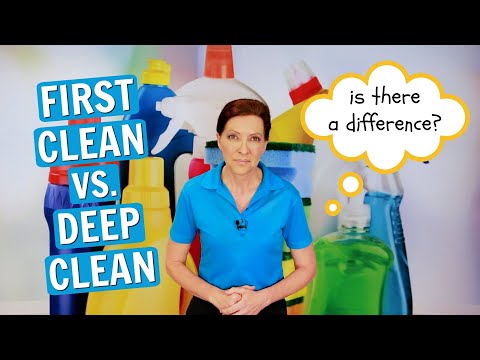
What Is Recurring Cleaning and How Often Does It Happen?

Most recurring house cleaning plans fall into three choices: weekly, bi-weekly, or monthly. Weekly service fits homes with kids, pets, heavy kitchen use, or allergy concerns.
My Cleaning Angel states that recurring cleaning can be booked weekly, bi-weekly, or monthly, and it may recommend a deep clean first for homes that have not been professionally cleaned in the last 30 days.
- Weekly: best for active households, multiple pets, or anyone who wants low day-to-day cleanup.
- Bi-weekly: the most balanced cleaning frequency for many homeowners who want help without the highest annual spend.
- Monthly: better for lighter upkeep, smaller households, or owners who handle most daily chores themselves.
Regular visits help maintain a consistent house cleaning frequency, reducing the need for extensive deep cleaning sessions later.
Homeowners who want routine help with dust, floors, and bathrooms can start with recurring house cleaning. Those comparing it with a lighter upkeep model can also review what maintenance cleaning usually covers.
What Services Are Typically Included in Recurring Cleaning?

Recurring cleaning is built for regular upkeep, not rescue work. The tasks are meant to keep the home presentable, limit buildup, and make home maintenance easier from one visit to the next.
- Dusting and surface care: furniture, shelves, frames, and reachable surfaces get attention on each visit, which helps control the indoor dust that carries pet dander, pollen, and other allergens.
- Floor care: vacuuming and mopping happen every visit, which is one of the fastest ways to improve home cleanliness in busy family spaces.
- Bathroom cleaning: tubs, toilets, sinks, mirrors, and counters are cleaned and disinfected where needed. The CDC notes that regular cleaning is usually enough for most homes, while disinfecting becomes more important when someone is sick or at higher risk.
- Kitchen cleaning: counters, backsplashes, sink areas, and the outside of cabinets get wiped down so grease and food residue do not harden into a larger deep cleaning job.
- Appliance care: small appliances such as microwaves and coffee machines are often cleaned inside and out, while larger appliances like fridges and ovens are usually exterior-only unless add-ons are booked.
- Rotating detail work: items like ceiling fans, blinds, baseboards, and doors may be rotated across visits so the house does not slowly fall behind in the places people notice later.
Specific extras often affect the per-visit cost. On My Cleaning Angel’s published residential checklist, inside-fridge cleaning is listed from $25 to $35, inside-oven cleaning is listed at $35, and inside cabinets or reachable windows are listed from $60.
Households with children or pets should also ask about product choice. The EPA’s Safer Choice program identifies cleaning products with ingredients that are considered safer for human health and the environment, which is a more useful standard than vague marketing terms alone.
Understanding One-Time Deep Cleaning

One-time deep cleaning is the heavy reset. It goes past visible tidying and into the areas that collect grime slowly, such as baseboards, blinds, door frames, and buildup around kitchen and bathroom edges.
This is the service that makes sense after long neglect, before guests arrive, after a renovation, or right before recurring cleaning begins. It costs more because the labor is slower, more detailed, and usually less predictable from room to room.
Deep cleaning often ensures that every hidden corner receives attention similar to the cleaning standards observed in commercial cleaning service protocols.
What Is One-Time Deep Cleaning and What Does It Cover?

A one-time deep clean includes the regular house cleaning basics, then adds the detail work that recurring service usually handles only on rotation or skips entirely. That often means baseboards, blinds, doors, door frames, deeper bathroom scrubbing, and more attention around appliances and trim.
It can also include inside-fridge, inside-cabinet, and inside-window cleaning as add-ons. For move-in/move-out cleaning and post-construction jobs, teams usually follow a tighter checklist because the goal is a full reset, not weekly maintenance.
- Included more often: baseboards, blinds, doors, frames, detailed bathroom buildup, and hard-to-reach dust on standard surfaces.
- Common extras: inside ovens, inside fridges, inside cabinets, and reachable interior windows.
- Often excluded: hoarding cleanup, biohazards, animal waste, heavy debris, heavy wall scrubbing, exterior work, and lifting over 25 pounds.
Those exclusions matter. If a home needs junk removal, mold remediation, or hazardous cleanup, homeowners should plan for a specialty service first. Standard residential cleaning crews usually exclude those jobs for safety and scope reasons.
This comprehensive cleaning method supports higher cleaning standards if deep cleaning is used as a reset before the recurring cleaning cycle begins.
When Should You Schedule a Deep Cleaning?

A deep clean is best when the home needs a reset, not just upkeep. It is the service for buildup, transition points, and situations where hidden dust or grime will keep showing up if nobody tackles the details first.
- Before starting recurring service: if the home has gone more than a few weeks without professional cleaning, a deep clean gives the recurring crew a fair starting point.
- Before a move-in or move-out: this is the right time to clean inside cabinets, along baseboards, and around appliances before everyday life fills the space again.
- After remodeling or repairs: the EPA advises homeowners to control dust and improve ventilation during remodeling, so a post-construction clean makes sense after drywall dust and fine debris settle.
- Before holidays or parties: special-event cleaning is often cheaper than a rushed series of DIY cleanup days, and it pushes visible rooms to a much higher standard.
- After a long stretch of neglect: if bathrooms, floors, and trim all need attention at once, recurring cleaning alone will usually feel too light on the first visit.
- Before listing a short-term rental or sale: first impressions depend on details like doors, trim, and corners, which is exactly where one-time deep cleaning helps most.
Across current U.S. service guides, quarterly deep cleans show up most often for homes with pets, young children, or allergy concerns. Homes that already receive steady recurring cleaning often need that full reset only once or twice a year.
These guidelines help support proper house cleaning frequency for managing both residential needs and seasonal demands.
Key Differences Between Recurring Cleaning and One-Time Deep Cleaning

Recurring cleaning is about control. One-time deep cleaning is about correction.
That is the simplest way to separate the two cleaning options. One protects a clean baseline. The other builds it.
This comparison helps homeowners decide based on cleaning standards and overall requirements.
How Often Are Recurring and Deep Cleaning Services Performed?
The schedule tells the whole story. Recurring cleaning is part of the household routine, while deep cleaning is event-based or condition-based.
| Service Type | How Often | Best Fit | Typical Tasks | Helpful Notes |
|---|---|---|---|---|
| Recurring Cleaning |
|
|
|
|
| One-Time Deep Cleaning |
|
|
|
|
These schedules allow homeowners to align service frequency with budgeting needs while maintaining high cleaning standards.
How Deep Is the Cleaning in Each Service?
The main difference is not whether floors and counters get cleaned. Both services do that. The difference is how far the crew goes past the obvious surfaces.
| Item | Recurring Cleaning | One-Time Deep Cleaning |
|---|---|---|
| Depth of Work | Focused on visible upkeep and maintenance cleaning. | Focused on resetting buildup and neglected detail areas. |
| Typical Rooms | Kitchens, bathrooms, bedrooms, living areas, and floors on a routine cycle. | The same rooms, plus more attention to trim, corners, buildup, and detail surfaces. |
| Detail Tasks | May rotate ceiling fans, blinds, baseboards, and doors across visits. | Usually includes blinds, baseboards, doors, and other detail work in the same visit. |
| Air Quality Impact | Best for keeping dust and pet dander from coming back quickly. | Best for removing a heavier load of settled dust after neglect or construction. |
| Time on Site | Shorter and more predictable visits. | Longer visits with more scrubbing and slower room-by-room work. |
| What It Does Best | Keeps the home easy to live in week after week. | Gets the home back to a higher starting standard. |
| What It Does Not Solve | Heavy buildup, long neglect, or specialty cleanup. | Biohazards, hoarding, exterior work, or major debris removal. |
The tables showcase clear differences that support careful scheduling and cost decisions based on cleaning standards.
How Do the Costs Compare Between These Cleaning Options?

Cost is where many families pause, and it should be. The cheaper option per month is not always the cheaper option per hour of life reclaimed or the cheaper option over a full year of cleanup.
According to Angi’s 2026 customer data, standard house cleaning typically runs about $75 to $175 per visit, while deep cleaning commonly falls around $200 to $400. For larger U.S.
| Cost Factor | Recurring Cleaning | One-Time Deep Cleaning | What It Means for the Homeowner |
|---|---|---|---|
| Typical national price range | $75 to $175 per visit | $200 to $400 per visit | Recurring service costs less each visit because the home stays easier to clean. |
| 1,500 sq. ft. example | $150 to $300 | $180 to $375 | Home size quickly changes the quote, so square footage matters more than bedroom count alone. |
| 2,000 sq. ft. example | $200 to $400 | $240 to $500 | If the home is larger and overdue, delaying routine service usually raises the reset cost later. |
| Add-ons | Often extra for interiors of appliances, cabinets, and windows | Often extra unless bundled into the deep clean scope | Small requested extras can change the quote faster than homeowners expect. |
| Published My Cleaning Angel extras | Inside fridge from $25 to $35, inside oven $35, cabinets/windows from $60 | Same add-on logic applies depending on scope | Good to price these before booking so the first estimate stays realistic. |
| Cancellation policy | My Cleaning Angel’s published checklist lists a $70 fee within 24 hours | The same policy can apply | Families who reschedule often should ask about policy before committing to a recurring slot. |
| Same-day cancellation after arrival | My Cleaning Angel’s checklist lists 50% of the scheduled total | Can apply the same way | Prepping access, water, electricity, and clutter beforehand helps avoid wasted cost. |
| Long-term money pattern | Higher annual spend, lower per-visit strain | Lower frequency, higher reset cost each time | Recurring cleaning usually pays off most for time-starved households. Deep cleaning pays off most for occasional resets. |
The cost comparison reinforces that recurring cleaning often leads to more predictable budgeting over time.
Benefits of Recurring Cleaning

Recurring cleaning helps a home stay livable, calmer, and easier to manage. That matters more than people sometimes expect, especially in homes with school schedules, pets, sports gear, or constant kitchen use.
It also supports indoor air quality. The EPA notes that pet dander, dust mites, pollen, and other biological contaminants are common in household dust, so routine removal has a clear purpose beyond appearance.
How Does Recurring Cleaning Maintain Consistent Cleanliness and Organization?
Consistency is the biggest win. A house that gets cleaned before grime hardens is much easier to keep up than a house that keeps resetting from messy to overwhelming.
The EPA also notes that HEPA filters can theoretically capture at least 99.97% of particles at 0.3 microns. In practical terms, that makes HEPA vacuums especially helpful in homes with pet dander, pollen, and fine dust that keep floating back into the air after a rushed clean.
- Regular dusting: keeps visible surfaces from becoming dust magnets.
- Routine floor care: removes crumbs, dirt, and tracked-in particles before they spread room to room.
- Bathroom resets: stop soap scum and hard-water film from getting stubborn.
- Kitchen upkeep: prevents grease and food residue from turning basic wiping into scraping later.
A small pro tip helps too: many cleaners and homeowners in online housekeeping discussions say a quick pre-visit pickup is the best way to make recurring cleaning worth it. When counters, toys, and laundry are off the floor, the crew spends more time cleaning and less time moving things around.
This approach meets the cleaning standards expected in many residential services. Some providers use pet-safe products to improve overall air quality.
How Can Recurring Cleaning Save Time for Busy Households?
This is where recurring cleaning often wins the argument. The service does not just clean the house. It gives time back in small, repeatable chunks.
For busy parents, that statistic explains why weekly cleaning or bi-weekly cleaning feels so valuable. The gain is not only scrubbing time. It is also the planning time, the catch-up time, and the mental load of always seeing the next chore.
- Less weekend recovery cleaning: bathrooms and floors do not turn into an all-day task.
- Less supply prep: professional cleaning teams usually bring the tools and products.
- Less decision fatigue: a fixed cleaning schedule removes one more recurring household choice.
This time saving supports a regular house cleaning frequency that reduces stress.
Can Recurring Cleaning Reduce Long-Term Cleaning Costs?
Recurring cleaning can lower the cost of future cleaning, even if it raises annual spend compared with doing nothing for long stretches. The reason is simple: homes that stay close to baseline are cheaper to maintain than homes that need repeated resets.
Angi’s 2026 pricing data shows the pattern clearly. Regular cleaning for a 2,000 square foot home averages $200 to $400, while deep cleaning for that same size averages $240 to $500. The more buildup a crew has to undo, the more labor the homeowner buys.
- Less grime buildup: tubs, tile, and kitchen surfaces need fewer heavy clean sessions.
- Less emergency booking: homeowners are less likely to pay rush deep-clean rates before guests or move-outs.
- Better surface care: regular wiping is gentler on finishes than repeated aggressive scrubbing.
- More predictable budgeting: recurring service turns cleaning into a planned line item instead of an occasional surprise.
Cost efficiency in recurring cleaning aligns with modern house cleaning frequency practices.
Benefits of One-Time Deep Cleaning

A one-time deep clean is the best choice when the home needs a strong reset fast. It reaches the spots that make a house feel dingy even after counters are wiped and floors are vacuumed.
That reset can include HEPA vacuuming, steam cleaning, and targeted products such as medical-grade disinfectant where the surface and situation call for it. The goal is a visible and practical fresh start, not just a neater version of the same buildup.
This service supports cleaning standards similar to those found in commercial cleaning for areas requiring a comprehensive reset. Providers often recommend deep cleaning before starting recurring cleaning services.
Why Is Deep Cleaning Ideal for Special Occasions?
Special occasions expose the details people normally ignore. Guests notice the guest bathroom corners, the sticky spots near the stove, the dust on blinds, and the fingerprints around doors.
That is why one-time deep cleaning makes sense before holidays, birthdays, graduation weekends, or visiting family. According to Angi’s 2026 cost data, event cleaning can run from about $100 to $500, which often beats giving up several nights in a row to DIY cleanup.
- It raises the visible standard quickly: especially in kitchens, bathrooms, and entry areas.
- It helps with short timelines: one concentrated visit usually does more than scattered evening cleanup.
- It keeps the host focused on the event: not on grout lines, dusty trim, or shower doors.
Deep cleaning often follows stringent cleaning standards and makes use of biodegradable and pet-safe products for special events.
When Is Deep Cleaning Best for Move-Ins and Move-Outs?
Move-in/move-out cleaning is one of the clearest cases for deep cleaning. Empty or half-empty rooms make it easier to reach trim, corners, cabinet interiors, appliance edges, and baseboards that stay blocked during normal living.
Angi’s 2026 pricing guide lists move-out cleaning at up to $500, which reflects the larger scope and tighter standards many homeowners, renters, and sellers want at handoff. In plain terms, this is the visit that creates a true clean slate.
It also makes recurring cleaning easier afterward. Once the new occupants start from a cleaner baseline, a weekly cleaning service or bi-weekly cleaning service can keep the home there with much less effort.
This approach supports a consistent cleaning routine and meets high cleaning standards.
How Does Deep Cleaning Address Neglected Areas?
Neglected areas are where deep cleaning earns its name. These are the places routine wipes miss because they sit low, high, behind, or just outside daily sight lines.
- Baseboards and door frames: some of the biggest visual payoff in the whole house.
- Blinds and fan blades: common dust traps that keep feeding particles back into the room.
- Appliance interiors and edges: especially useful before guests, moves, or after a long stretch of takeout and heavy kitchen use.
- Detailed bathroom buildup: soap scum, grout lines, and corners that never fully clear during quick weekly wiping.
If the home has heavy trash, biohazards, animal waste, or severe clutter, homeowners should plan for a specialty service first. Standard residential cleaning crews usually exclude those jobs for safety and scope reasons.
Deep cleaning of neglected areas delivers results that meet high cleaning standards and minimizes the need for emergency cleaning.
Factors to Consider When Choosing Between Recurring and One-Time Cleaning

The right service depends on three things: money, time, and the home’s starting condition. Most wrong bookings happen when homeowners choose by price alone and ignore the actual cleaning load.
A quick house check usually gives the answer. If the home looks mostly manageable but never quite stays clean, recurring cleaning is probably the better fit. If the buildup is obvious in corners, trim, blinds, or appliance edges, one-time deep cleaning should come first.
House cleaning frequency and adherence to cleaning standards play a vital role in this decision.
How Does Your Budget Influence Your Cleaning Choice?
Budget should be measured two ways: cash spent and labor avoided. A lower invoice is not always the better value if the homeowner is still losing whole weekends to chores.
| Budget Question | If the Answer Is Yes | Better Fit |
|---|---|---|
| Does the household need a lower per-visit cost? | Routine upkeep matters more than a full reset right now. | Recurring cleaning |
| Is the home overdue and likely to need several extra tasks? | The first visit must remove buildup before maintenance can work. | One-time deep clean first |
| Does the family want predictable monthly planning? | Fixed cleaning frequency helps control surprise spending. | Recurring cleaning |
| Is this tied to a move, event, or remodel? | The need is short-term but intense. | One-time deep cleaning |
This comparison reflects that budgeting should account for both immediate costs and overall cleaning frequency.
How Do Lifestyle and Time Availability Affect Your Decision?
Some homes get dirty because they are neglected. Others get dirty because life is full. Parents, pet owners, remote workers, and households with frequent guests usually fall into the second group.
In those homes, recurring cleaning works because it protects time management as much as it protects the floors and bathrooms. The routine does the heavy lifting before the home slips into catch-up mode.
- Long workweeks: recurring cleaning removes the need to choose between rest and chores.
- Kids and pets: higher traffic usually means weekly cleaning or bi-weekly cleaning makes more sense than monthly service.
- Frequent travel or hosting: a flexible scheduling plan keeps the home ready without last-minute panic.
- One-off needs: homeowners who usually keep up fine on their own may only need a one-time deep clean a few times a year.
A well-defined house cleaning frequency supports a balanced lifestyle and meets residential service requirements.
What Role Does Your Home’s Condition Play in Choosing Cleaning Services?
The home’s condition is often the deciding factor. A reasonably tidy house and a neglected house need two different types of help.
My Cleaning Angel may recommend a deep cleaning first if the home has not been professionally cleaned in the last 30 days, and that is a practical rule. Routine maintenance pricing assumes the home is already close to baseline.
Condition matters even more after construction or repairs. The EPA advises homeowners to control dust and improve ventilation during remodeling, so if the home still carries fine debris after a project, a one-time deep clean is the better first move.
Ensuring the correct cleaning service is chosen helps maintain proper cleaning standards and house cleaning frequency.
Can You Combine Both Services?

Yes, and for many households this is the smartest setup. Deep cleaning creates the baseline, and recurring cleaning protects it.
That combination works especially well for homes with pets, young children, or owners who want the house to stay guest-ready without paying deep-clean pricing every time.
Combining both services adheres to high cleaning standards and often delivers cost and time benefits.
Should You Start Recurring Cleaning with a Deep Clean?
In many cases, yes. Starting recurring cleaning with a deep clean gives the crew a clean slate and gives the homeowner better value from every later visit.
That approach is especially useful if baseboards, blinds, bathroom corners, and kitchen edges already show buildup. A routine visit can maintain those areas, but it is usually too short to fully restore them all at once.
- Start with deep cleaning if: the home has gone a month or more without professional service, there are pets shedding heavily, or detail areas are visibly overdue.
- Move straight to recurring cleaning if: the home already stays in decent shape and mainly needs help with consistency.
- Prep tip: clear laundry, toys, mail, and clutter before the first visit so the crew can spend paid time cleaning instead of organizing around obstacles.
Many working cleaners in online housekeeping discussions make the same point: standard maintenance cleans deliver the best results when the house is already reasonably picked up and the first visit is not forced to function like a rescue clean.
Starting with a deep clean ensures that subsequent recurring cleaning follows an effective house cleaning frequency.
How Often Should You Schedule Deep Cleaning Alongside Recurring Services?
The right rhythm depends on traffic and tolerance. A calm two-adult home may do well with recurring cleaning plus a deeper reset once or twice a year. A home with pets, allergies, and children often benefits from more frequent detail work.
| Home Type | Recurring Plan | Deep Cleaning Rhythm |
|---|---|---|
| Light-traffic home | Monthly or bi-weekly | Once or twice a year |
| Typical family home | Bi-weekly | Twice a year or as needed |
| Pets, allergies, or young kids | Weekly or bi-weekly | Quarterly works well for many homes |
| After remodel or major event | Resume normal recurring plan after reset | Book a one-time deep clean immediately after the event |
A good rule is simple: if detail areas start looking tired before the next season, the deep-clean interval is too long. If they still look solid at the next check-in, the current plan is working.
Setting the right deep cleaning rhythm supports optimal house cleaning frequency and overall cleaning standards.
Conclusion

Recurring cleaning is usually worth it for homeowners who want steady house cleaning, better time management, and fewer all-day catch-up sessions.
One-time deep cleaning is the better fit for overdue homes, move-in/move-out cleaning, and post-construction resets.
The strongest plan often uses both. Start with deep cleaning when the home needs a reset, then use recurring cleaning to protect the result and support cleaner air, lower stress, and easier home maintenance.
The best choice comes down to budget, schedule, and how the home looks today.
This comprehensive comparison reinforces the importance of maintaining house cleaning frequency and adhering to high cleaning standards.
FAQs
1. What is the main difference between recurring cleaning and one-time deep cleaning?
Recurring cleaning is regular care that keeps your home tidy and cuts down on build-up. One-time deep cleaning is a big reset that tackles hidden grime and tough spots.
2. Is recurring cleaning worth the cost?
Yes, it often pays for itself by saving time and stopping big jobs later.
3. How often should I schedule recurring cleaning?
Try every two weeks and tweak from there. Busy homes with pets or frequent guests may need weekly service, while quiet homes can do monthly. Add a one-time deep clean by a professional cleaner once or twice a year.
4. Can recurring cleaning replace a one-time deep cleaning?
Recurring cleaning keeps dirt in check, but it rarely removes long-term grime on its own. Think of regular visits as daily care, and a deep clean by a specialist as the full restart.
Consider that many reputable residential services maintain a steady house cleaning frequency to ensure lasting cleanliness.


