
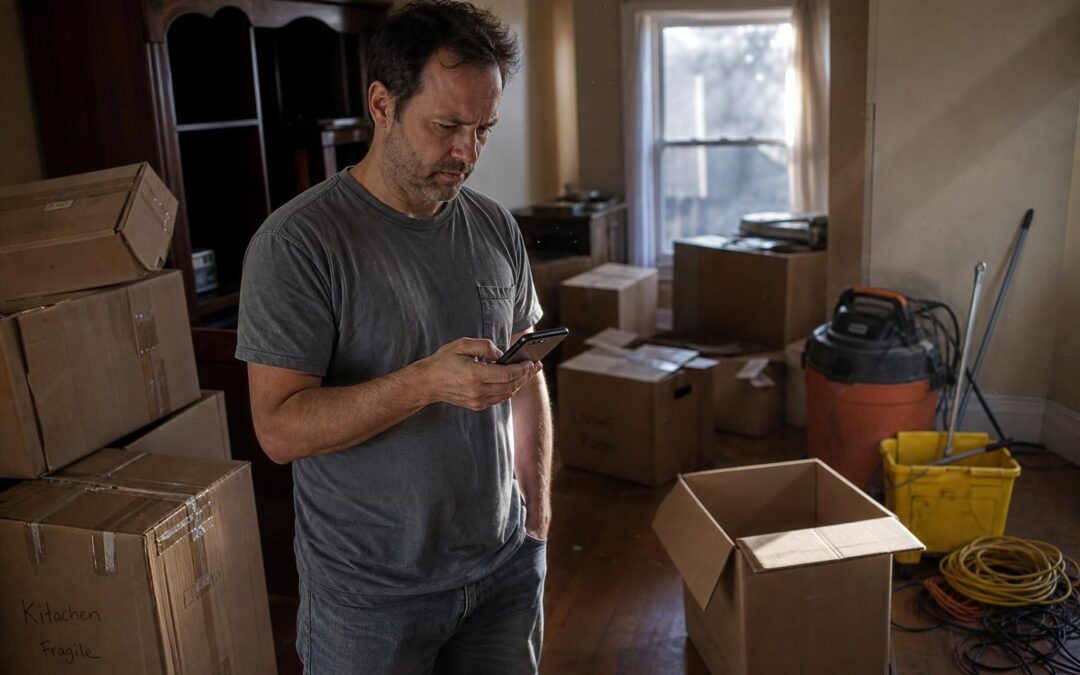
Does moving day always seem to leave the hardest job for last? For busy families and homeowners, searching for move-out cleaning services near me is usually about protecting time, lowering stress, and keeping the final walkthrough from turning into a late-night scrub session.
A strong service should do more than wipe counters. A strong service must show clear pricing, explain deep cleaning add-ons, carry real insurance, and make booking simple enough that parents can line it up between movers, school pickup, and key return.
That is what this guide breaks down, step by step, so households can compare cleaning services with confidence and book the right help without guesswork.
This guide follows a neighborly done right promise by presenting a detailed cleaning checklist and practical advice. Information provided reflects guidance from authority brands. Cleaning frequency is also highlighted to help plan for move in/move out cleaning services.
Key Takeaways
- Professional move-out cleaning services usually work best when the home is empty, because crews can reach baseboards, corners, appliances, closets, and bathroom fixtures without working around furniture.
- As of July 2026, Angi lists average move-out cleaning cost at about $360 nationally, with many jobs landing between $120 and $420, while HomeGuide places many jobs in the $150 to $500 range.
- My Cleaning Angel lists insurance coverage up to $1 million, a 24-hour satisfaction guarantee, and a temporary card authorization hold 24 hours before the appointment.
- Common add-ons should be written out in advance. My Cleaning Angel currently lists inside-fridge cleaning at $25 to $35, oven cleaning at $35, inside cabinets at $60, and inside windows at $60 to $100.
- BBB guidance for hiring a cleaning company is simple and useful: get at least three estimates, ask for a written agreement, and make sure the scope matches what landlords or property management companies inspect.
Fast booking matters because moving schedules rarely stay calm for long. My Cleaning Angel says its online form can be completed in about 60 seconds, and the company notes that the card is only fully charged after the cleaning is finished.
Pricing detail matters just as much. Families should expect the base package to cover the usual cleaning tasks, while deeper work such as appliance interiors, inside cabinets, or window cleaning often appears as separate line items.
Benefits of Hiring Professional Move Out Cleaning Services
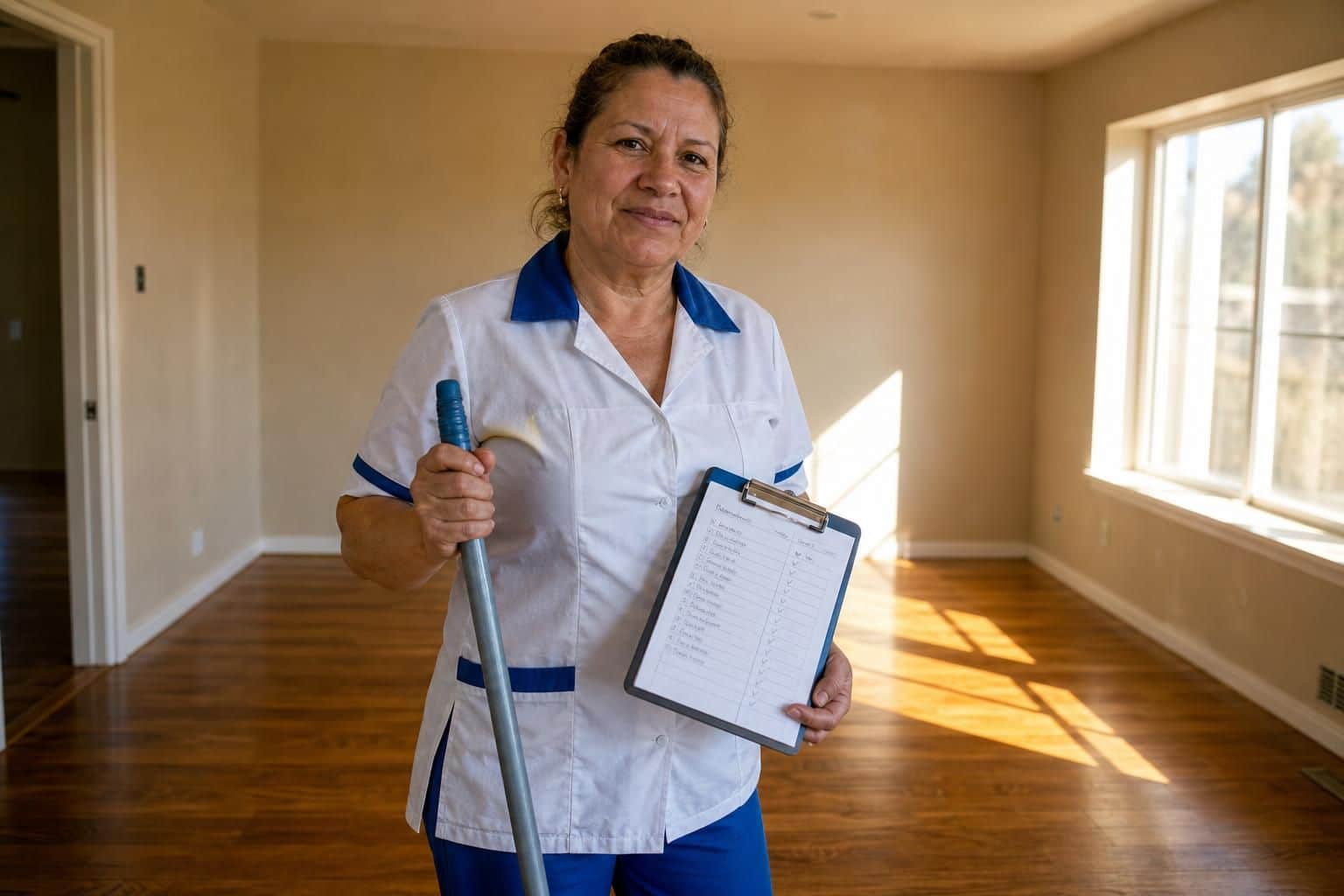
A professional cleaning team takes one of the messiest parts of moving off a family’s plate.
For tenants, the goal is often a better shot at a full security deposit. For landlords and property management companies, the goal is faster turnover and a cleaner space for the next showing or lease signing.
How Can Move Out Cleaning Save You Time and Energy?
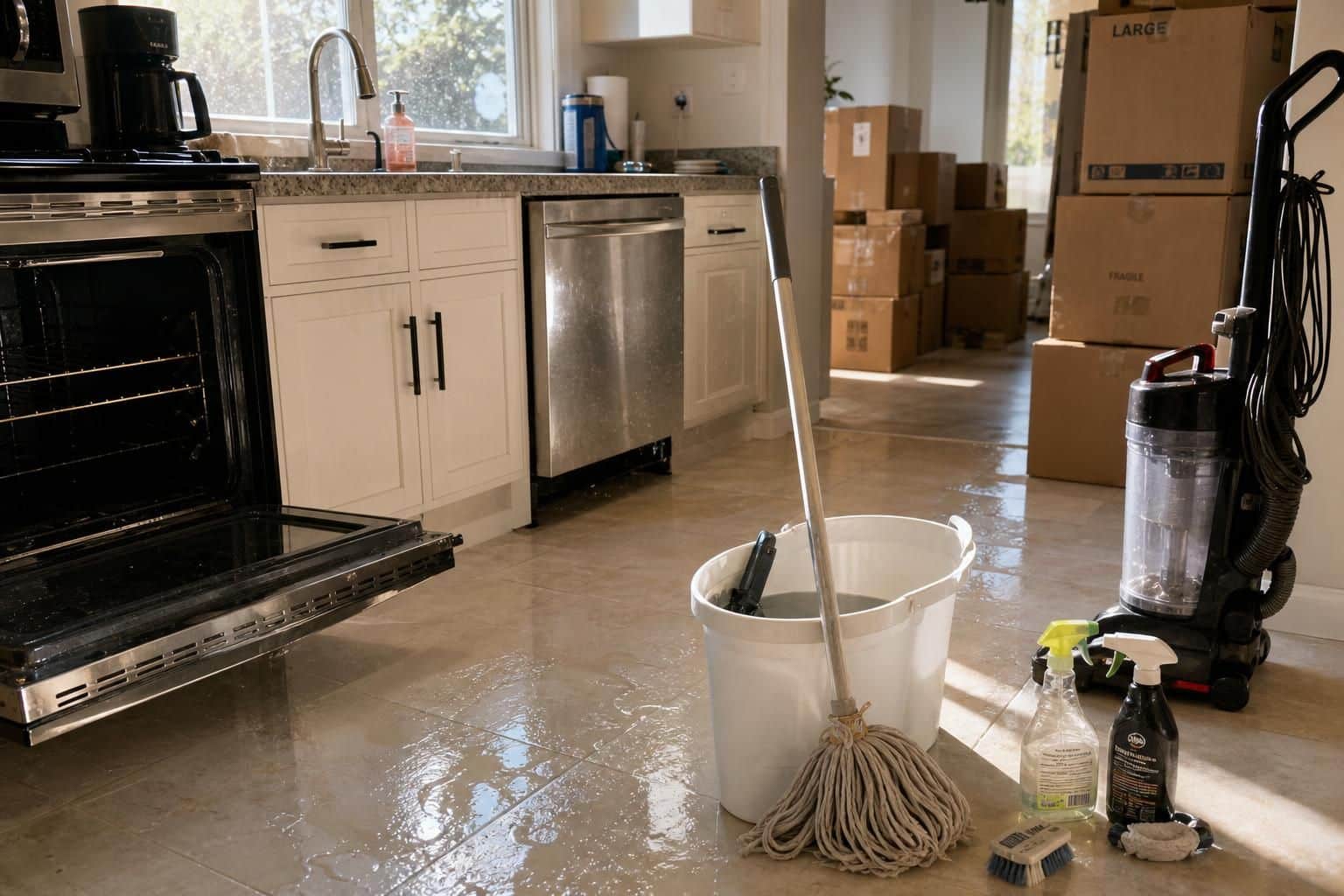
Move-out cleaning saves time because the family stops trading packing hours for scrubbing hours. Angi’s 2026 move-out guide points out that a professional cleaning team can often finish in a day what would take a renter or seller much longer on their own.
This matters even more for parents. My Cleaning Angel says many move-related cleanings run about 3 to 6 hours, depending on home size and condition, which gives households a practical planning window for movers, childcare, and the final inspection.
- The crew brings supplies, vacuums, microfiber cloths, and cleaning products, so there is no last-minute shopping run.
- Kitchens and bathrooms get the hardest attention first, which is where most move-out stress lives.
- Baseboard cleaning, blinds, and appliance wipe-downs get handled in the same visit instead of becoming separate weekend chores.
- Online booking helps a family lock in a date quickly and move on to the next task.
Professional cleaning also helps with energy, not just time. Packing, hauling, and managing children already drain a household. Handing off the deep cleaning makes the rest of moving day feel much more controlled.
How Does Professional Cleaning Help You Get Your Full Security Deposit?
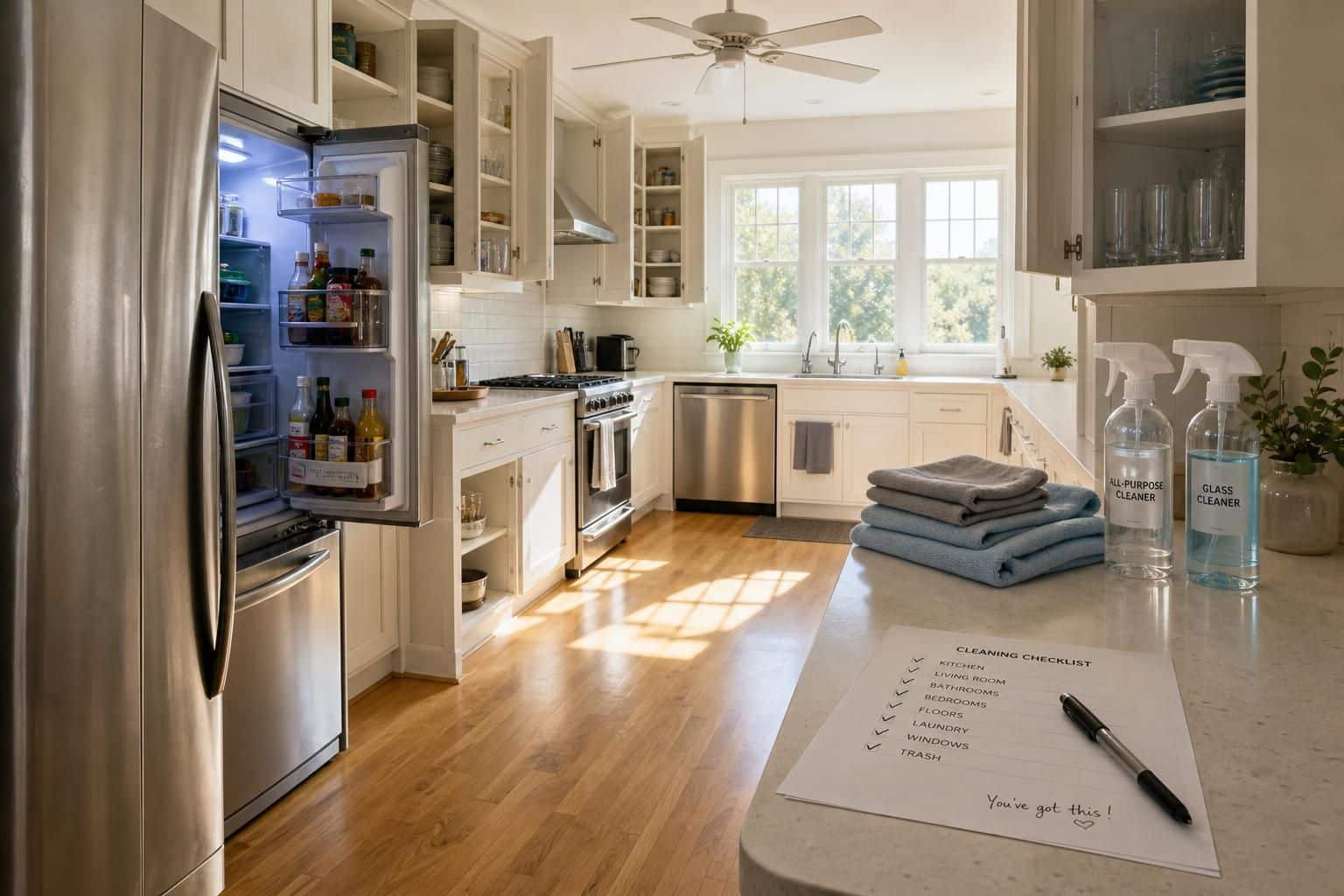
Professional move-out cleaning helps with deposit protection because it lines the home up with what landlords usually inspect: floors, counters, appliance surfaces, bathrooms, inside cabinets, baseboards, and visible dust.
That is why written add-ons matter.
Documentation helps too. A household that finishes with a checklist and a folder of dated photos has a much cleaner record if a landlord later questions the condition of the home or asks for support during full security deposit discussions.
For families who want the safest route, pairing a professional clean with simple before-and-after photos is usually stronger than relying on memory alone.
How Do Move Out Cleaners Simplify the Moving Process?
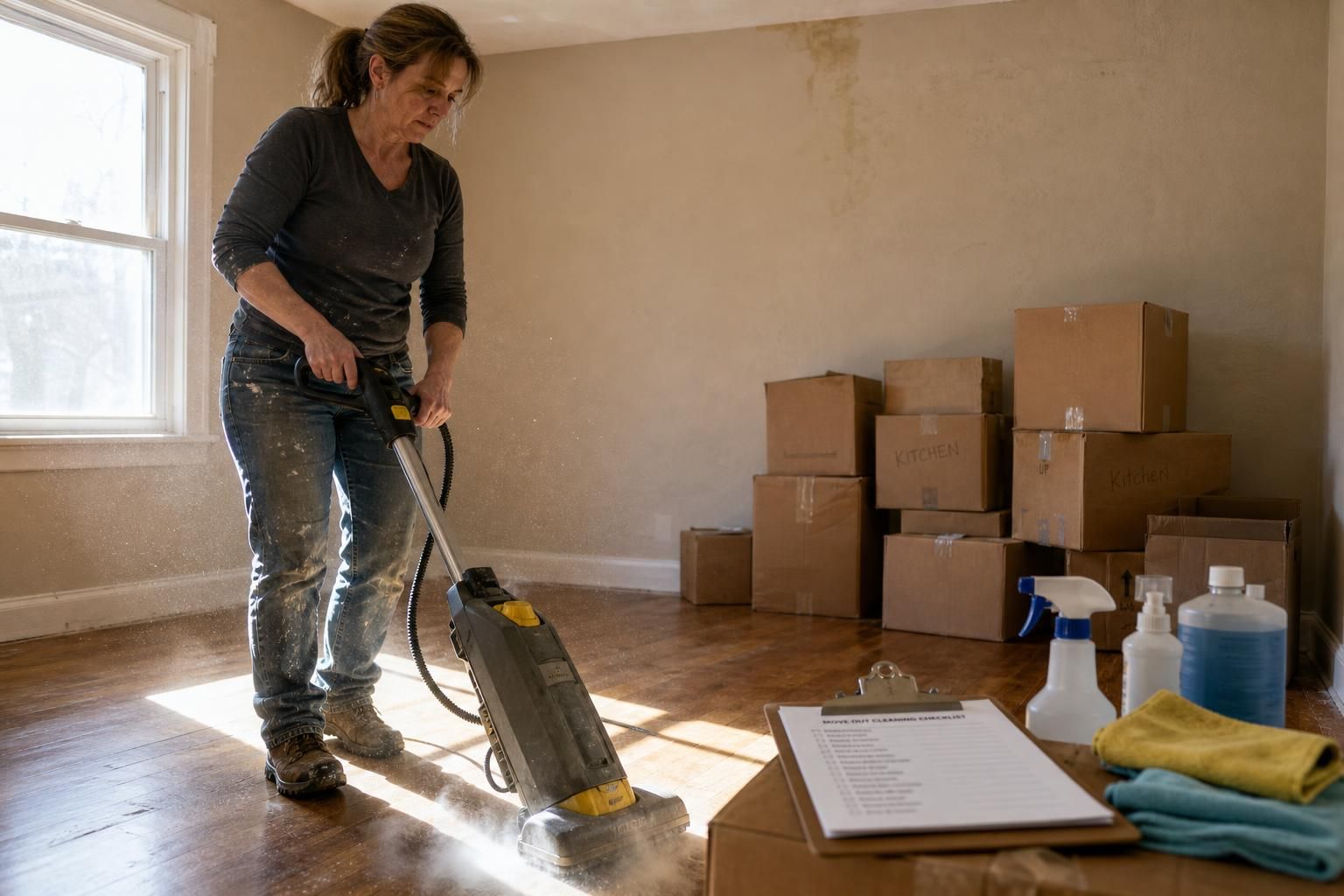
Move out cleaners simplify the day because they turn a vague promise, the place will get cleaned somehow, into a scheduled job with a checklist, a payment process, and a finish line.
This structure helps a family coordinate movers, utility shutoff, and key handoff without adding more calls and errands. If something is missed, the company advertises a 24-hour satisfaction window and sends the same cleaner back for touch-ups.
- The home can be cleaned after furniture is out, which makes thorough cleaning easier.
- Insurance coverage up to $1 million adds peace of mind if accidental damage happens during service.
- Online confirmation and digital receipts reduce confusion on a busy move-out day.
- A separate cleaning team lets the household focus on boxes, paperwork, and children instead of grout and grease.
Common Services Offered by Move Out Cleaning Companies
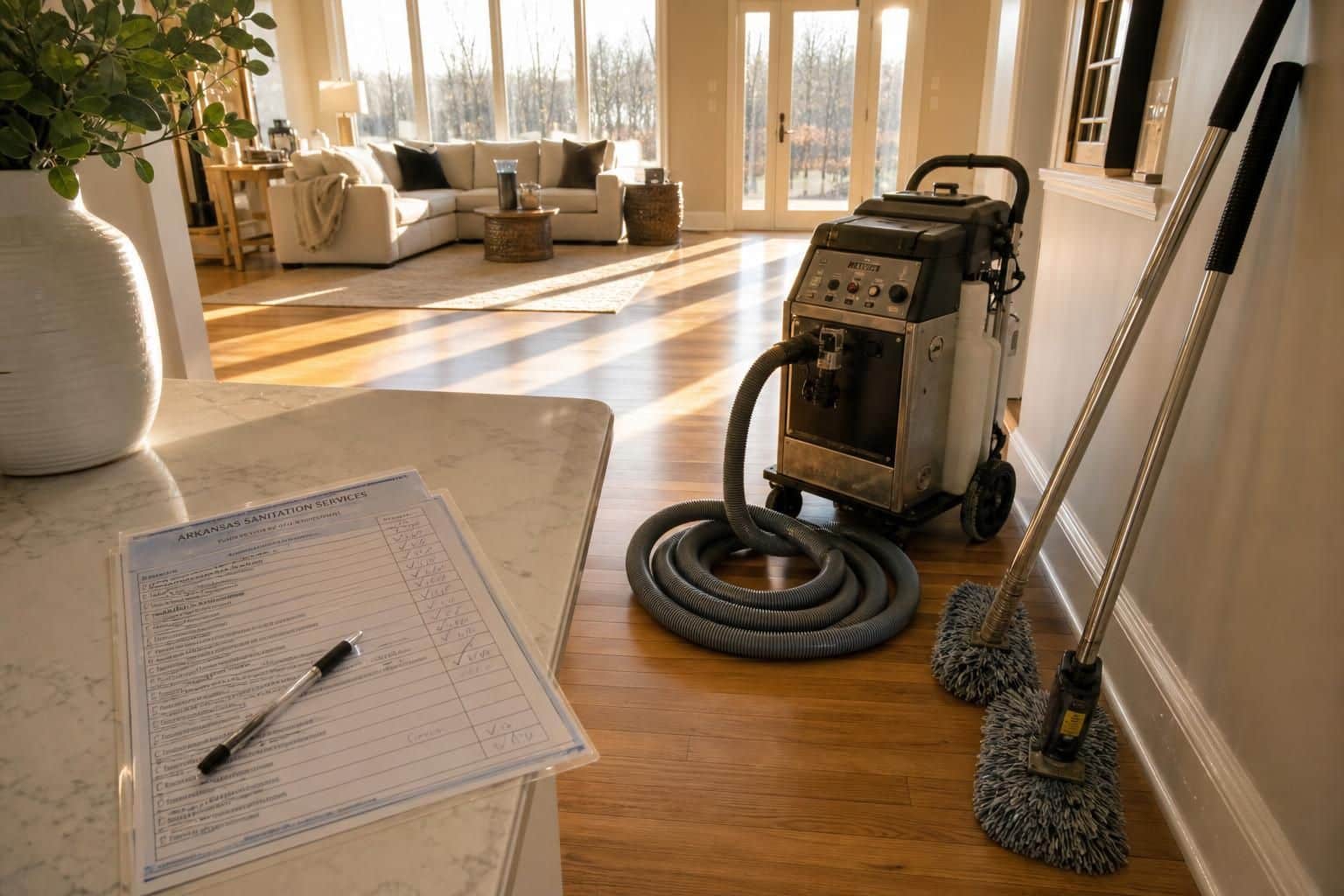
Most move-out cleaning services follow the same basic idea: tackle the whole home from top to bottom, then offer deep cleaning upgrades for items that collect grease, soap scum, or hidden dust.
What Does Comprehensive Cleaning of All Rooms Include?
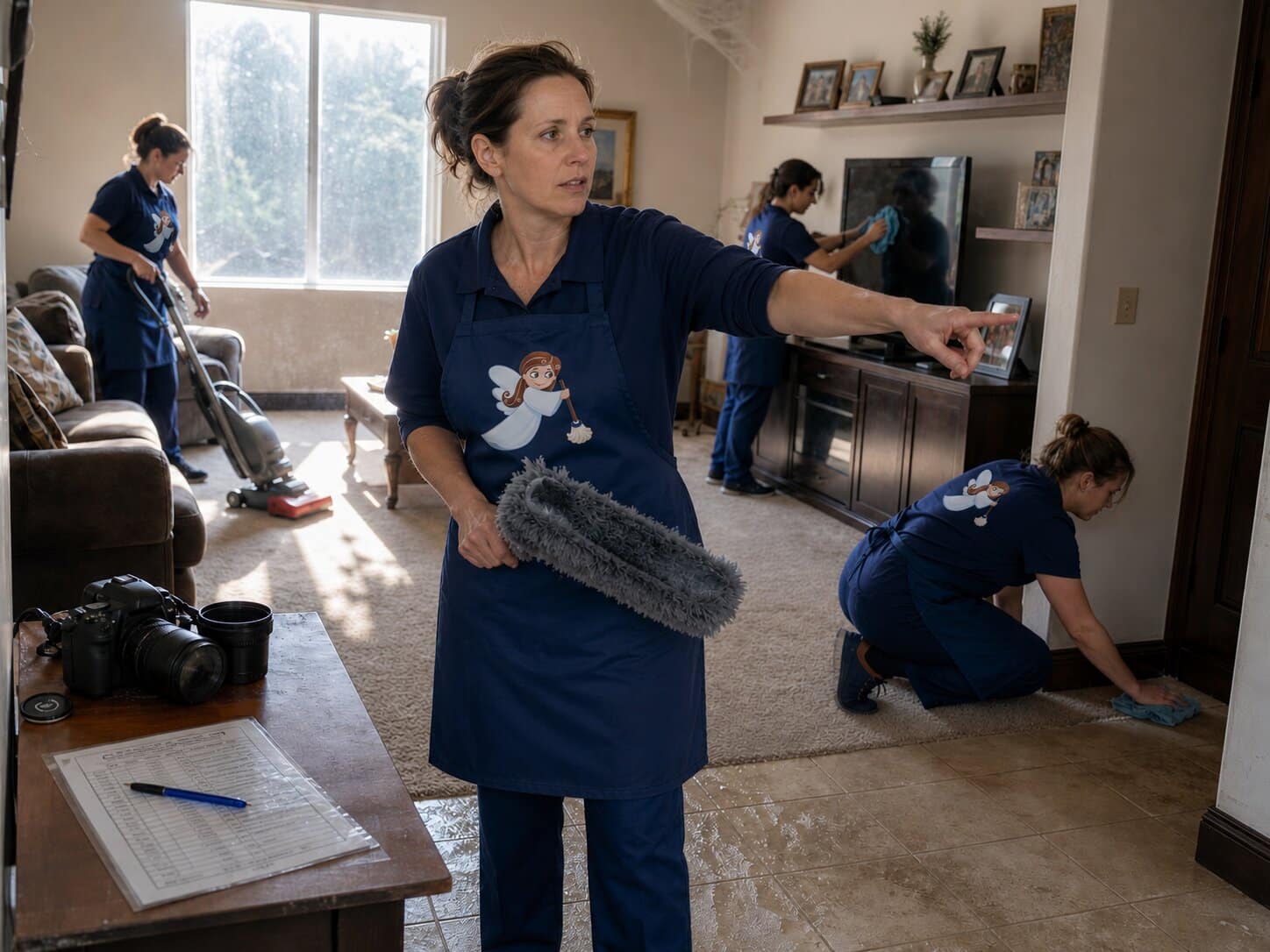
A full move-out clean should leave the property looking ready for inspection, photos, or new occupants.
- Floors get a full treatment with a vacuum and mop, removing dirt and debris across the home. A team that uses a HEPA vacuum has a real advantage because the EPA says true HEPA filtration is built to capture 99.97 percent of 0.3-micron particles, which helps keep vacuumed dust from escaping back into the air.
- Baseboards, blinds, cabinet fronts, and ceiling fans receive full dusting with microfiber cloths and dusters, leaving surfaces clear of buildup and hair for a family-ready home.
- Furniture, TVs, and picture frames get careful dusting and light polish in furnished spaces, which can reduce the visible dust that buyers, tenants, and landlords notice right away.
- Corners, walls, and windowsills receive inspection and cleaning, and scuff marks and cobwebs get targeted treatment before the final walkthrough.
- Kitchens see degreasing of appliances, cabinet fronts, counters, and sink sanitization using EPA-registered disinfectants and a checklist to track tasks for landlords and parents.
- Bathrooms undergo deep scrubbing of tubs, showers, toilets, and vanities, with grout treated, mirrors wiped, and floors mopped to a sanitary finish.
- A final walkthrough uses a printed checklist and digital photos to confirm all rooms match the scope and to support deposit documentation if questions come up later.
How Are Bathrooms and Kitchens Thoroughly Sanitized?

Bathrooms and kitchens need a different level of attention because they collect grease, moisture, soap film, food residue, and odors that can cost a tenant money.
- The cleaner disinfects tubs, toilets, and sinks using a professional disinfectant and cleaning cloths, scrubbing grout and fixtures until surfaces meet common move-out standards.
- The cleaner wipes counters, backsplashes, and sink areas with a degreasing solution, then polishes surfaces to remove spots and water marks.
- The cleaner spot-cleans cabinet exteriors, removing grease and fingerprints with a mild detergent and soft cloth, focusing on handles and edges.
- The cleaner cleans small appliances, inside and outside, including microwaves and coffee makers, so crumbs, odors, and sticky residue do not get left behind.
- The cleaner uses a vacuum and damp cloths to remove dust from vents, ledges, and light fixtures, then targets stubborn stains with the right remover for the surface.
- The cleaner offers deep-clean add-ons for an extra fee, such as inside fridges, ovens, cabinets, and windows, and those prices appear clearly on the quote.
- The cleaner documents work with photos and a checklist, helping tenants show what was completed before they turned in the keys.
How Do Cleaners Effectively Remove Dust, Dirt, and Stains?
Good residential cleaning services follow a repeatable order instead of rushing room to room. Dust falls, stains set, and floors pick up fresh debris while a household moves boxes through the home.
- The cleaner starts with high dusting, wiping ceiling fans and light fixtures with a microfiber cloth, then works down walls and baseboards to stop repeat fallout.
- The cleaner uses a HEPA vacuum on carpets with a two-pass pattern, lifting embedded soil and pet dander before spot treatment begins.
- The cleaner treats stains with an enzyme or oxygen-based remover, depending on the stain and the surface, and avoids over-wetting carpet that needs to dry before inspection.
- The cleaner mops hard floors with a microfiber mop and a surface-safe solution, then dries them to reduce streaks and sticky residue.
- The cleaner wipes kitchens and bathrooms with disinfectant and a nonabrasive pad, targeting splatters, soap scum, and sticky spots.
- The cleaner finishes with a final walkthrough, checks every room against a checklist, and removes all cleaning supplies before leaving.
How to Find Trusted Move Out Cleaning Services Near Me
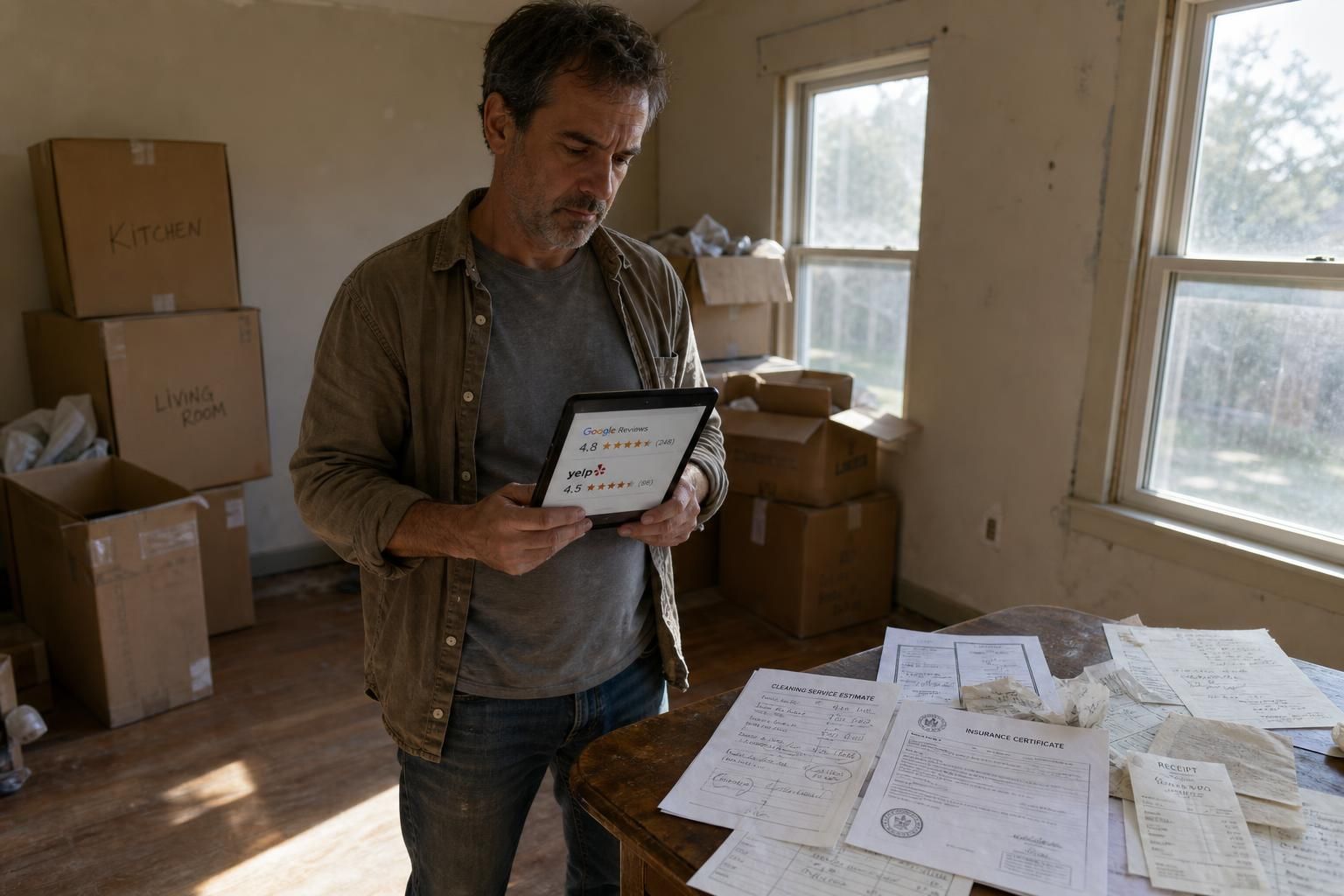
Finding a reliable house cleaning service usually comes down to a short checklist: read recent customer reviews, compare written estimates, verify insurance, and make sure the scope includes the cleaning tasks that matter for move-out day.
How Can I Research Online Reviews and Ratings for Cleaners?
Online reviews are helpful, but they work best when a shopper reads them like a pattern, not like a headline.
- Start with recent reviews, ideally from the last few months, because cleaning crews, ownership, and service quality can change quickly.
- Look for comments that mention specific results, such as baseboard cleaning, oven interiors, punctual arrival, or help with a security deposit walkthrough.
- Give extra credit to reviews with photos, because they show what âcleanâ meant in a real apartment cleaning or house cleaning job.
- Check whether the company replies professionally to complaints. A calm response and a clear fix often say more than a perfect star score.
- Use more than one review source, such as Google, Yelp, BBB, Thumbtack, or an app store listing if the company books through an app.
- Watch for review language that sounds copied, generic, or too polished across many posts, because those comments rarely help a parent make a real decision.
Where Can I Get Recommendations from Friends or Family?
Personal recommendations still save time because households receive details a public review rarely includes: whether the crew arrived on time, whether the final bill matched the quote, and whether the cleaners handled landlord standards well.
- Ask neighbors or school friends who moved within the last year, because their pricing and scheduling experience will be current.
- Ask a real estate agent or property manager which cleaners they see repeatedly on successful turnovers.
- Ask whether the company handled add-ons fairly, especially ovens, fridges, cabinets, and inside windows.
- Ask if the cleaner showed up with a checklist and sent a receipt or completion photos after the job.
- For a named local option, My Cleaning Angel says it started in Tampa in 2013 and now serves markets including Atlanta, Jacksonville, Miami, Orlando, and Tampa.
- If a friend mentions a national brand like Molly Maid or Merry Maids, use that as a benchmark and compare the local provider’s guarantee, checklist, and quote structure against it.
How Should I Evaluate Quotes from Different Cleaning Services?
Quotes should make the decision easier, not murkier. BBB hiring advice is straightforward: get at least three estimates, have someone review the home before pricing when possible, and ask for a written agreement that lists what the cleaners will do and when they will do it.
| Criteria | What to Check | Helpful 2026 Benchmark | Why It Matters |
|---|---|---|---|
| Base Price | Ask whether pricing is based on bedrooms, bathrooms, square footage, or condition. | Angi lists many move-out cleaning jobs at $120 to $420, with a national average near $360. | It shows whether a quote is realistic or missing labor. |
| Apartment Pricing | Compare small-space quotes by unit type. | Angi lists studio units at about $90 to $130 and a 1 bed, 1 bath at about $100 to $190. | Useful for tenants who want a fast apartment cleaning benchmark. |
| Add-On Options | Check oven, fridge, cabinet, carpet, and window pricing. | My Cleaning Angel lists fridge at $25 to $35, oven at $35, cabinets at $60, and inside windows at $60 to $100. | Extras can change the final bill more than the base package. |
| Included Services | Request a written checklist for kitchens, bathrooms, floors, and baseboards. | Strong quotes usually mention appliance exteriors, counters, tubs, toilets, fans, and baseboard cleaning. | Clear scope prevents âthat wasn’t includedâ surprises. |
| Guarantee | Ask about re-cleans, time limits, and who returns. | My Cleaning Angel advertises a 24-hour satisfaction guarantee and same-cleaner touch-up. | A guarantee protects customer satisfaction after inspection. |
| Insurance | Ask for proof of active liability coverage and who to contact for claims. | My Cleaning Angel states coverage up to $1 million. | It reduces risk if damage happens during the job. |
| Payment Policy | Confirm deposits, holds, and when the full charge posts. | My Cleaning Angel says a temporary hold is placed 24 hours before the appointment, then the card is charged after completion. | It helps households avoid surprise charges on move-out day. |
One more simple check helps. If two quotes look similar, the better one is usually the cleaner that explains exclusions clearly, because that is where hidden stress tends to show up.
Advantages of Choosing Local Move Out Cleaning Providers
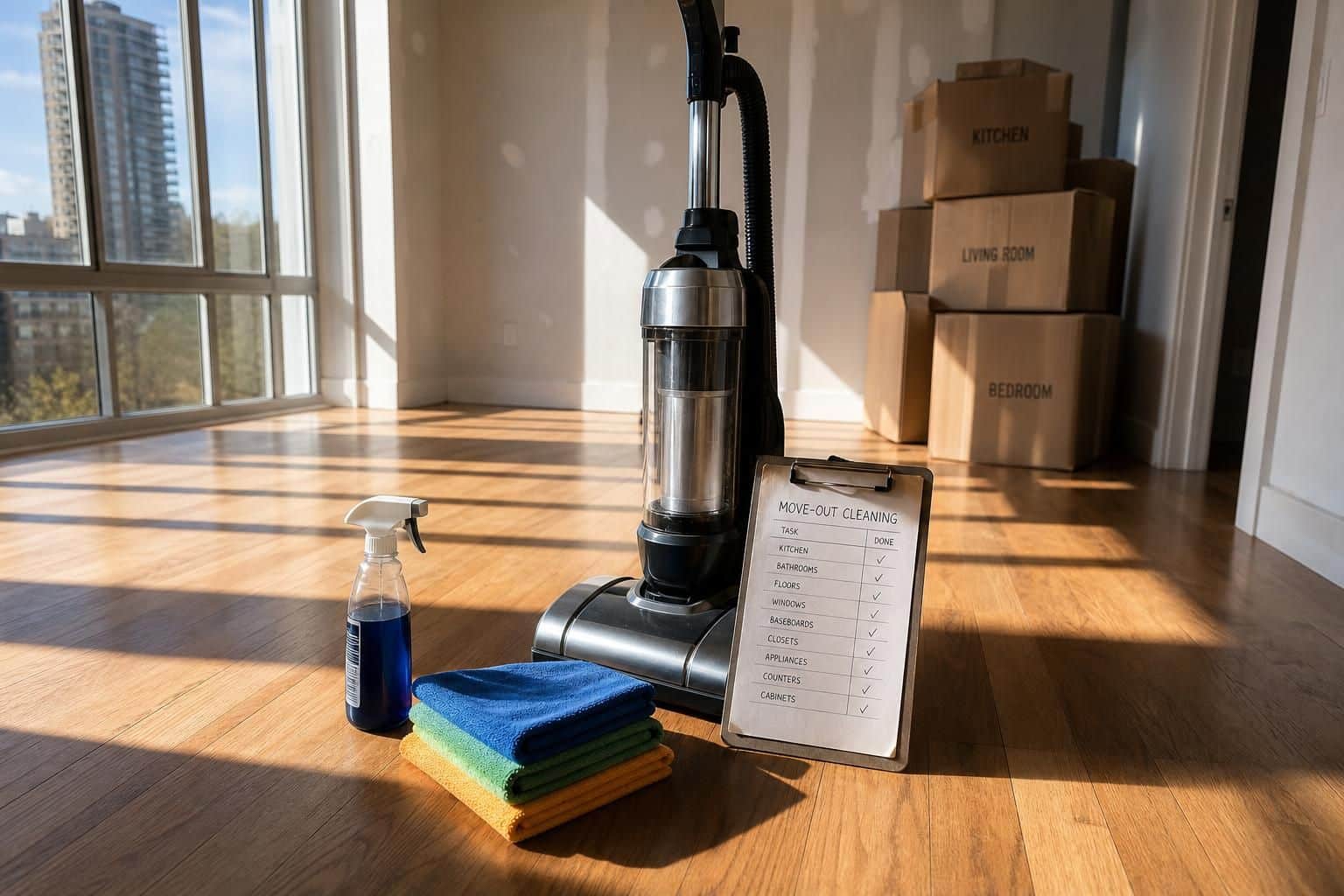
Local providers usually win on speed and familiarity. A nearby cleaning team knows the apartment layouts, parking headaches, gate codes, and property management expectations that can slow down a move-out job.
How Do Local Cleaners Provide Faster Service Responses?
Local cleaners respond faster because the crew is already working in the same city or suburb instead of driving in from far away. Shorter travel time makes same-day or next-day help more realistic when a move timeline shifts at the last minute.
- Nearby teams can fit shorter appointments between existing jobs.
- Less travel means fewer late arrivals caused by traffic in a metro area.
- My Cleaning Angel promotes same-day cleaning, which gives households another option when the keys need to be returned quickly.
- Local dispatching works well for apartment cleaning, where access windows are tight.
For parents, faster service matters because a missed cleaning window can affect movers, school pickup, pet care, and the landlord walkthrough all at once.
Why Is It Important That Cleaners Follow Local Cleaning Standards?
Local standards matter because landlords do not inspect from a national template. One building may focus on inside appliances and grout lines, while another may care more about blinds, baseboard cleaning, or cabinet interiors.
Angi advises renters to ask the rental company about final cleaning expectations, and My Cleaning Angel says its teams use move-out checklists based on those used by corporate leasing offices.
Local providers often outperform a generic quote because they are more likely to know the inspection habits of nearby property management companies and condo communities.
How Does Hiring Local Cleaners Support the Local Economy?
Hiring a local house cleaner keeps the job, the wages, and the supply purchases close to home. It gives homeowners a better chance of working with a crew that knows the area’s apartment communities, gated entries, and common move-out routines.
- Local crews rely on repeat work and neighbor referrals, so customer satisfaction has a direct effect on their next booking.
- Regional cleaning services tend to buy supplies, fuel, and maintenance locally, which keeps more of the spending nearby.
- City-based teams usually know which buildings require tight move windows, elevator reservations, or proof of insurance.
- A local provider is also easier to reach if the household needs a follow-up clean or a same-week recheck.
Important Questions to Ask Before Hiring Move Out Cleaners
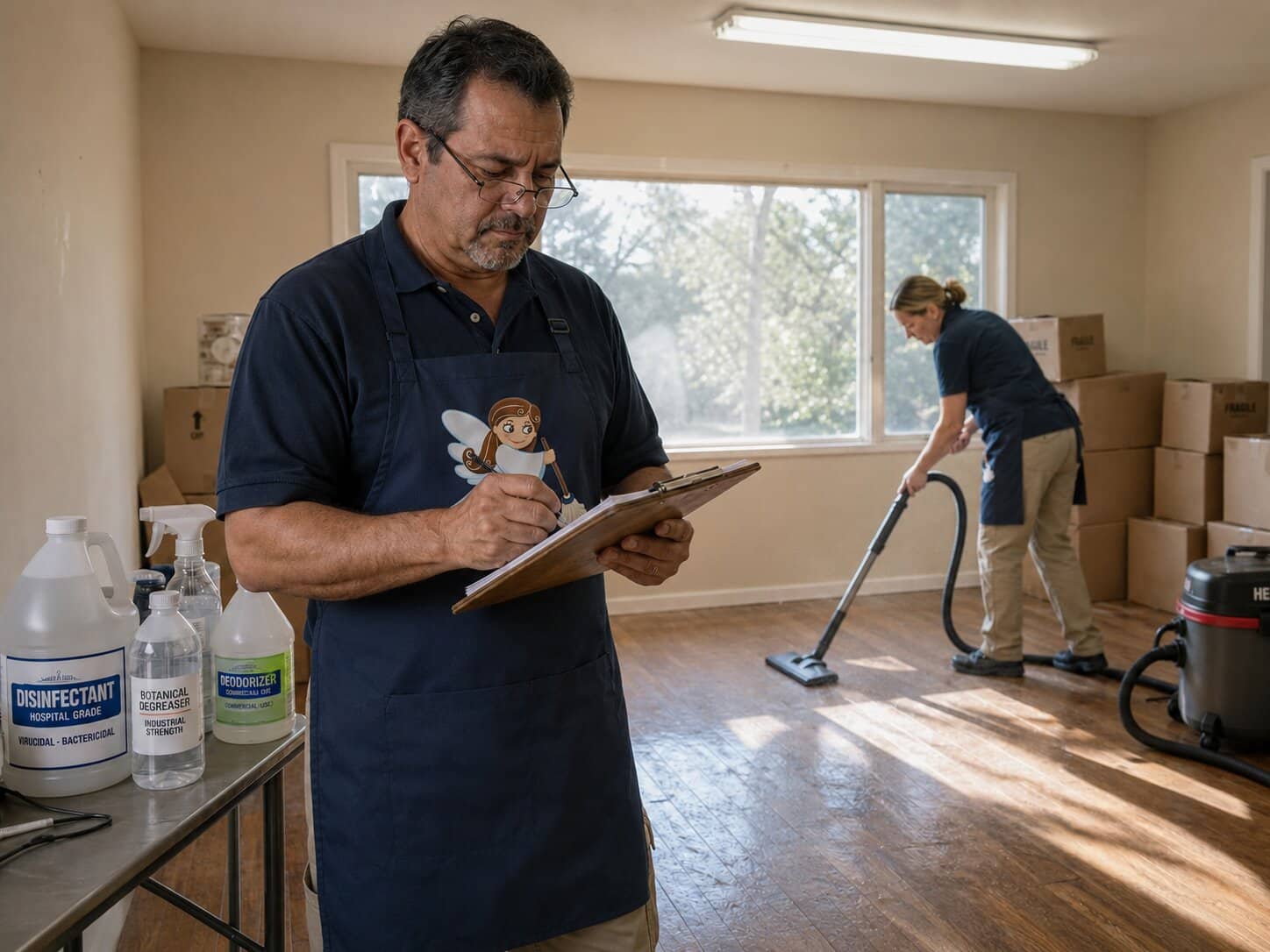
The right questions quickly separate a polished cleaning company from a risky one. Households should ask about insurance, written scope, exclusions, payment timing, and what happens if the landlord finds a missed spot after the cleaners leave.
How Can I Confirm a Cleaner’s Licensing and Insurance?
Insurance is the first document to verify because it protects the homeowner if something breaks during the job.
- Ask for a current certificate of insurance and confirm the coverage dates match the move-out appointment.
- Ask who handles claims if property damage happens during service.
- Ask whether workers are employees, contractors, or a mix, because that can affect communication and accountability.
- My Cleaning Angel states that it carries insurance coverage up to $1 million.
- The company also says cleaners go through identity checks and in-person interviews, which offers one more layer of comfort before letting someone into an empty property.
- Save screenshots or PDFs of the quote, the policy summary, and the appointment confirmation with the rest of the moving paperwork.
That paperwork may feel small at booking time, but it becomes important if there is ever a dispute.
What Services Should I Clarify Are Included in the Cleaning?
A written checklist is what turns a generic quote into a useful one. Families should ask exactly which services are included, which count as deep cleaning add-ons, and which tasks the company will not touch at all.
- Ask for a room-by-room checklist that covers kitchens, bathrooms, floors, counters, cabinets, and baseboard cleaning.
- Confirm whether inside-fridge, inside-oven, inside-cabinet, and inside-window cleaning are included or billed separately.
- Ask whether the crew will bring all tools and whether it uses environmentally responsible cleaning products on request.
- Clarify exclusions before booking. My Cleaning Angel says it does not move or lift anything over 25 pounds, wash exterior windows, handle biohazards, clean high areas beyond a short step stool, or clean outside the home.
- Ask whether the home needs to be empty. My Cleaning Angel says personal belongings should be packed and removed so cleaners can reach every area.
- Request written notes for special trouble spots, such as pet hair, soap scum, heavy grease, or a rental house garage that needs extra time.
Ask specifically about the services to avoid misunderstandings during the move-out cleaning process.
Is There a Satisfaction Guarantee and Why Does It Matter?
A satisfaction guarantee matters because move-out cleaning is judged after the crew leaves, often during a landlord walkthrough or buyer handoff. A service with a clear re-clean policy gives the household a practical fix instead of a debate.
My Cleaning Angel advertises a 24-hour satisfaction guarantee and says the same cleaner returns to correct missed areas. That promise is preferable to a vague statement without a set time window and concrete next step.
Typical Locations That Require Move Out Cleaning
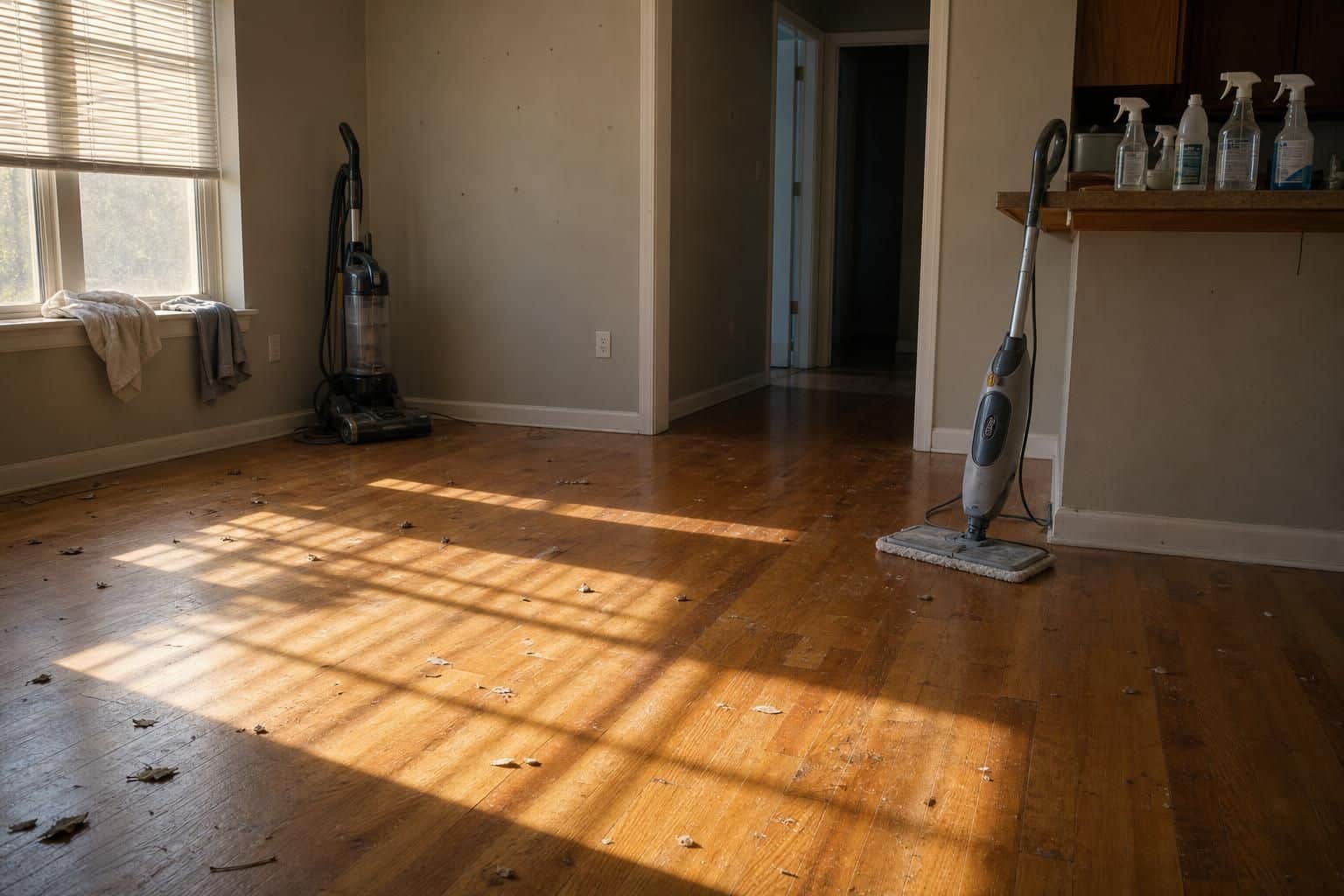
Move-out cleaning is not just for one kind of property. The same service model can work for apartments, condos, rental houses, townhomes, and some small office spaces, but the checklist and crew size often change with the layout.
What Cleaning Needs Are Common in Apartments and Condominiums?
Apartments and condos often look simple because they are smaller, but they still collect a surprising amount of move-out detail work. Grease near the range hood, dust on blinds, hair in bathroom corners, and crumbs inside drawers can all stand out during inspection.
Pricing is often lower than for a house, which helps renters budget. Angi’s 2026 pricing guide lists many studio move-out cleans at about $90 to $130, 1 bed and 1 bath units at about $100 to $190, and 2 bed and 2 bath units at about $140 to $210.
- Expect special attention on kitchens and bathrooms, because those rooms drive most complaints.
- Expect floors, baseboards, window sills, and cabinet fronts to be part of the standard checklist.
- Expect inside-appliance work to appear as an add-on unless the quote says otherwise.
- Expect the best results when the unit is empty and the building’s move-out rules are shared in advance.
How Is Cleaning Different for Rental Houses and Townhouses?
Rental houses and townhouses usually need more labor because there is simply more to cover. More rooms, more stairs, more trim, and more appliance area all raise the time and cost of thorough cleaning.
| Aspect | Rental Houses | Townhouses | Practical Notes |
|---|---|---|---|
| Size and rooms | Often larger, with extra living spaces, garages, or basements. | Usually smaller, but split across levels. | More square footage usually means more labor and a higher quote. |
| Typical price effect | Angi lists many 2,000 to 2,500 square foot move-out cleans at about $240 to $340. | Smaller layouts may stay closer to lower house ranges if condition is good. | Condition still matters, especially if the home has not had regular cleaning. |
| Stairs and landings | Multiple stair runs add dusting, vacuuming, and scuff removal. | Usually fewer flights, but still a noticeable time factor. | Stairs often separate a quick job from a long one. |
| Appliances and windows | Larger kitchens often mean more grease and more interior appliance work. | Smaller kitchens may clean faster, but windows and blinds still add time. | Ask for add-on pricing before move day. |
| Inspection points | May include porches, garages, utility rooms, and extra bathrooms. | Often focuses on high-use interior areas and shared-entry impressions. | Landlord checklists vary, so get the exact list first. |
| Crew size | Larger homes often need a bigger cleaning team or longer service window. | Smaller teams may handle townhouses well if the scope is clear. | Match crew size to square footage and deadline. |
What Should I Expect for Office and Commercial Space Cleaning?
Office and light commercial cleaning usually focuses on appearance, sanitation, and speed. A small office turnover may need dusting, vacuuming, restroom sanitizing, break-room wipe-downs, and trash removal so the next staff member or tenant walks into a clean space.
- Expect desks, counters, common areas, and restroom fixtures to be the top priorities.
- Expect commercial cleaning quotes to depend on square footage, number of restrooms, and how much furniture remains.
- Expect exclusions on outdoor work, high ladder work, and specialty cleanup unless the company offers those services separately.
- If the company mainly handles residential cleaning services, ask whether small office work is part of its normal schedule or a special-case service.
That question matters because a company that handles only house cleaning may not bring the right crew structure for a larger office turnover.
How to Prepare Your Home for Move Out Cleaning
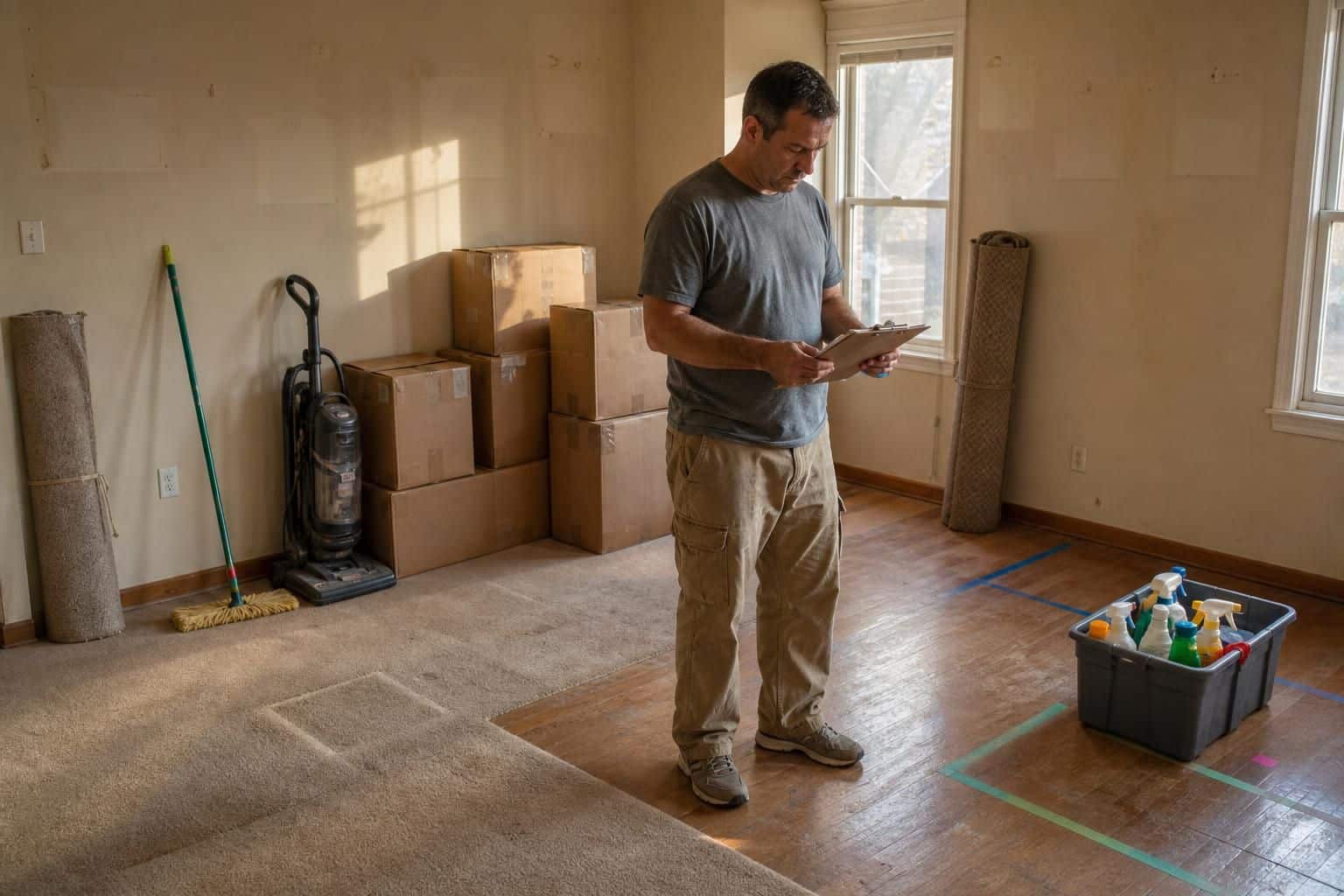
The best cleaning appointment starts before the crew arrives. A little prep saves paid time, reduces confusion, and helps the cleaners spend more of the visit on actual dirt instead of access issues or leftover clutter.
Why Should I Clear All Personal Items Before Cleaning?
Move-out cleaning works best in an empty home because the crew can reach every edge, shelf, and floor line without shifting boxes or sorting personal belongings. My Cleaning Angel says personal items should be packed and removed before the service so cleaners can access every area.
This is especially important for baseboards, inside closets, floor corners, and the space behind bathroom doors, which are common inspection zones.
- Empty closets, drawers, and cabinets that need interior cleaning.
- Remove toiletries, toy bins, pet bowls, and laundry baskets from floors.
- Take down wall hooks, nails, and removable storage if the lease requires it.
- Set aside keys, garage remotes, and paperwork so they do not get packed by mistake.
When the home is truly clear, the cleaning team spends its time cleaning, not waiting.
How Do I Identify Areas That Need Special Attention?
A short inspection before booking helps households use their cleaning budget where it matters most. The goal is to spot the items that could trigger landlord questions, extra charges, or a longer appointment.
- Scan floors and high-traffic paths with good light to spot stains, tracked dirt, and pet hair that may need deep cleaning.
- Open cabinets and closets to look for crumbs, dust, sticky residue, or forgotten items.
- Inspect behind and under appliances for grease, spills, and dust buildup.
- Check baseboards, window sills, door frames, and vent covers for visible dust or scuff marks.
- Test sinks, tubs, and shower walls for soap scum and hard-water buildup.
- Use a phone camera to photograph trouble spots and send them to the cleaning company before the appointment.
Nolo’s recent guidance on deposit protection suggests pairing written notes with photos or video, which makes it easier to compare move-in and move-out condition if a dispute appears later.
When Is the Best Time to Schedule Move Out Cleaning?
The best time to schedule move-out cleaning is after the furniture and personal items are gone but before the final walkthrough. That order gives the crew full access and gives the family time to review the finished work before keys are returned.
My Cleaning Angel says a temporary card hold is placed 24 hours before the appointment, and many move-related cleanings take several hours, so households should avoid booking too close to the exact handoff minute.
- Finish packing and move large items out first.
- Book the cleaning for the same day or the day before the walkthrough.
- Share the landlord’s checklist and any photos of problem areas in advance.
- Leave enough daylight or review time to inspect the home after the cleaners finish.
Conclusion
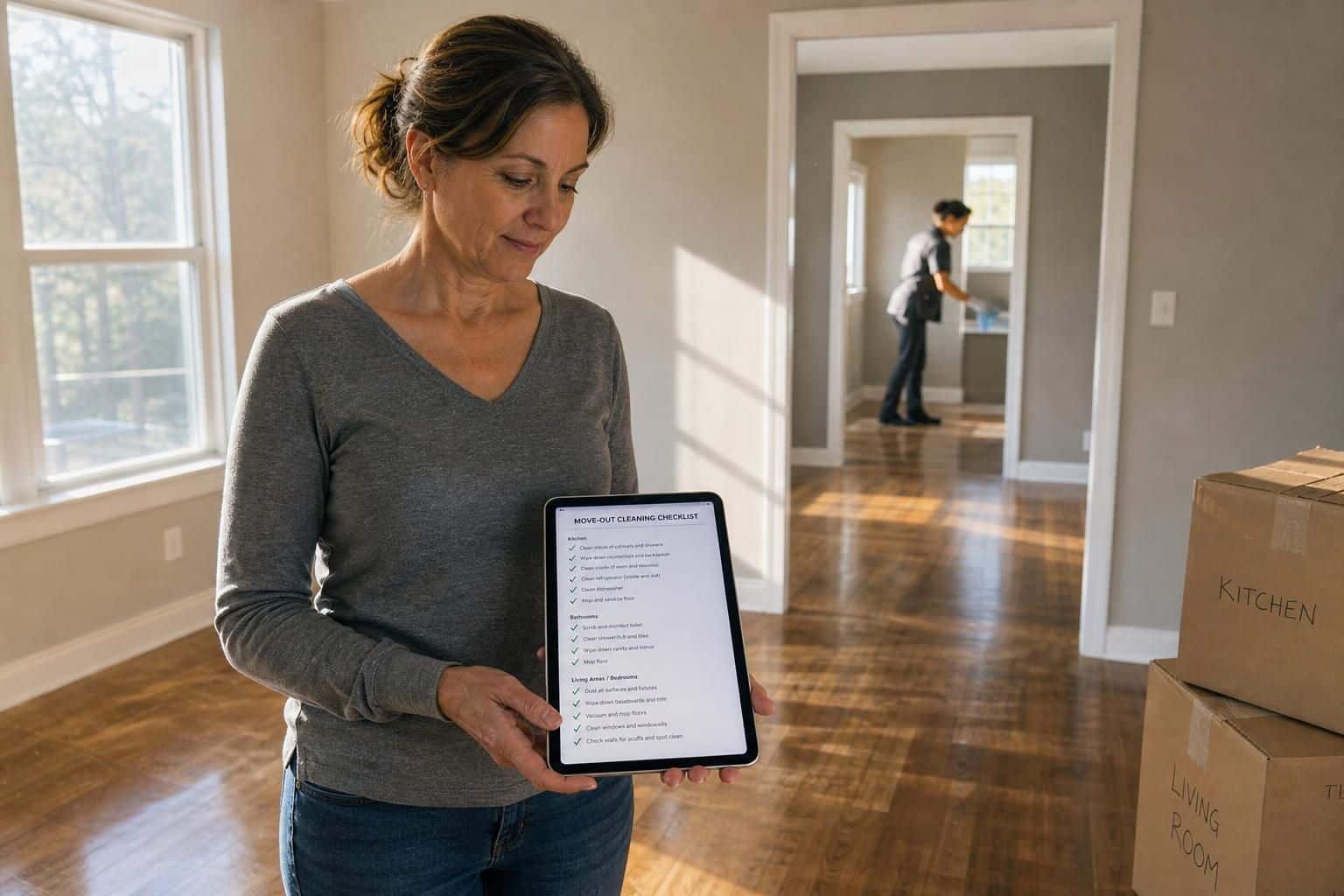
Reliable move-out cleaning services make a stressful week feel much more manageable. The best choice is usually the company that gives a written checklist, transparent add-on prices, current insurance, and a simple plan for touch-ups if the walkthrough finds anything missed.
My Cleaning Angel highlights the details families usually want most: insurance coverage up to $1 million, a 24-hour satisfaction guarantee, online booking, and clearly listed deep cleaning extras for ovens, fridges, cabinets, and windows.
A clean home, a clear receipt, and a folder of final photos can go a long way toward a smoother move and a safer security deposit outcome.
This guide adheres to the neighborly done right promise by offering a clear, detailed cleaning framework. It reflects the standards of move in and move out cleaning services required for a high cleaning frequency in busy households.
FAQs
1. How do I find reliable move out cleaning services near me?
Search “move out cleaning services near me” and read recent reviews. Call two or three service providers and ask about insurance and past jobs.
2. What should I ask the cleaning company before I book?
Ask, “What exactly is included, and do you bring supplies?” Request a written estimate and a clear time window. Also ask for references or before and after photos.
3. How can I keep my move stress-free while the cleaners work?
Pack early, label boxes, and leave a clear path for the crew, think of it as clearing a runway.
4. Can I trust online reviews when I look to find reliable move out cleaning services near me?
Reviews help, but watch for fake or old posts. Call references and ask for photos to lock in a stress-free move.