

Every spring, patio furniture can come out of storage looking far worse than anyone expected. Dust, mold and mildew, and dingy outdoor cushions can turn a quick setup into a full house cleaning job.
The fix is usually simple once the order is right: remove dry debris first, match the cleaner to the material second, then dry everything fully before adding weather protection.
Read on.
Key Takeaways
- Start with a dry cleanup using a leaf blower, vacuum, or soft brush before adding water, because loose grit can scratch finishes.
- Use mild soap, dishwashing soap, Dawn dish soap, Dawn Powerwash, castile soap, or Simple Green for most routine washing, but always spot test outdoor fabric first.
- Match the method to the material: teak and other wooden outdoor furniture need gentle grain-safe scrubbing, wrought iron needs rust control, and HDPE poly or other marine grade polymers usually clean up with soap, water, and a soft brush.
- Treat mold and mildew quickly, rinse thoroughly, and dry cushions all the way through before storing or covering them again.
- Finish with weather protection such as wood sealant, fabric protector, or protective covers, then store cushions in a dry, breathable space.
How do you prepare to clean outdoor patio furniture and cushions?

A good prep routine saves the most time. Homeowners usually get the best results when they gather supplies, inspect for damage, and clear away dry dirt before the hose ever comes out.
That order matters because a hidden split seam, loose screw, or patch of mildew can get worse once the furniture is soaked.
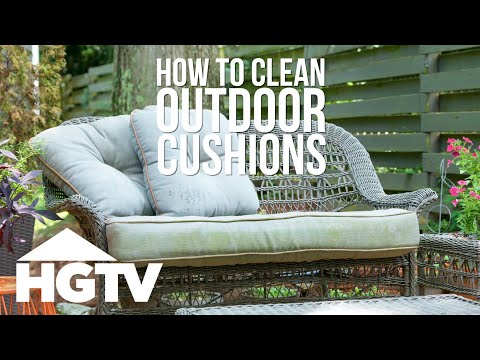
What cleaning supplies do you need to gather?

The best supply pile is small and material-safe. Most families do not need a garage full of specialty bottles, but they do need the basics within reach.
AL-NEW currently lists its 32-ounce Outdoor Cleaner at $9.95 and its 32-ounce Patio Cushion Cleaner at $15.95, which makes them practical add-ons for homeowners who want one cleaner for frames and a separate one for outdoor cushions and patio umbrella fabric.
- A garden hose with an adjustable spray nozzle, plus two buckets so clean rinse water stays separate from soapy water.
- A soft-bristle brush, microfiber cloths, a sponge, and a vacuum with an upholstery attachment for seams, zippers, and rattan or wicker creases.
- Mild dishwashing soap, Dawn dish soap, Dawn Powerwash, castile soap, or Simple Green for routine washing on most plastic, resin, aluminum, and outdoor fabric surfaces.
- A stain option for mildew or deep grime, such as AL-NEW Patio Cushion Cleaner, SH50 Mold & Mildew Stain Remover, or a fabric-safe bleach mix if the manufacturer allows it.
- Protective gear, especially gloves and eye protection, if bleach, mold removers, or a pressure washer are part of the plan.
- After-cleaning products such as Scotchgard Outdoor Water Shield, a wood sealant for teak or other wooden outdoor furniture, and fitted furniture covers for storage.
Safety Tips and Best Practices

When working with cleaning agents, always use protective gear. Work in a well-ventilated area and read all product labels carefully. Follow instructions for safe use and proper disposal.
- Wear protective gloves and goggles.
- Ensure the area has good airflow.
- Read and follow product instructions.
- Keep chemicals away from children and pets.
How do you inspect furniture and cushions for damage?

Inspection is the quiet step that prevents bad surprises later. It helps a homeowner decide whether the piece needs a simple wash, a repair, or full replacement.
- Check frames for cracks, wobble, bent legs, loose welds, and missing hardware. This matters most on cast aluminum, wrought iron, and folding chairs.
- Look closely at powder-coated metal for chips or scratches. Small bare spots often turn into rust or oxidation if they stay wet through another season.
- Press on plastic, resin, HDPE poly, and marine grade polymers to find brittle areas from long exposure to UV rays.
- Inspect teak, cypress, and treated pine for splinters, gray weathering, soft spots, and loose joints. Dark staining near the feet can point to moisture damage from storage on concrete.
- Unzip removable cushion covers if possible and smell the filler. A musty odor usually means moisture got trapped during storage.
- Check seams, piping, straps, and zippers before scrubbing. A brush can turn a weak seam into a tear in minutes.
- Read the care tag before washing covers. If the tag or maker allows machine washing, a cold delicate cycle may be fine. If it says spot clean only, hand washing is the safer call.
How do you remove loose debris like dirt, leaves, and dust?

Dry debris comes off first. That keeps muddy streaks from forming and stops sand or pollen from grinding into the finish during scrubbing.
In Lowe’s 2026 pressure washer guide, light-duty machines up to 1,899 PSI and a 40-degree nozzle are treated as the safer starting point for patio furniture. For most spring jobs, though, a blower, vacuum, and garden hose still do the safest work.
- Use a leaf blower, hand broom, or soft brush to clear leaves, mulch bits, and dust from the patio set, patio umbrella frame, and cushion tops.
- Vacuum seams, welts, zippers, and woven areas. This is one of the fastest ways to pull out grit that a sponge will miss.
- Brush cushions lightly with a nylon or soft-bristle brush to lift hair, crumbs, and dry soil before they turn to mud.
- Rinse frames with a garden hose on a spray or rain setting. Strong, narrow streams can mark painted metal and woven material.
- Use a pressure washer only on sturdy surfaces, keep the nozzle wide, and stay back from the furniture. Cushions, natural wicker, and old paint are poor places to test high pressure.
- Move the mess away from the cleaning zone so damp fabric does not pick up the same dirt again.
Cleaning methods for different types of patio furniture

Different materials need different pressure, cleaners, and drying times. That is where most spring cleanup mistakes happen.
A cleaner that works beautifully on resin can damage raw wood, and a pressure washer that speeds up driveway stains can chew through wicker or fabric.
How do you clean plastic and resin furniture?

Plastic, resin, and most HDPE poly furniture are the easiest pieces to bring back. The goal is to remove chalky film and trapped dirt without scratching the surface.
POLYWOOD says its furniture can be deep-cleaned with a power washer up to 1,500 PSI, while Trex Outdoor Furniture keeps the everyday method even simpler with soap, water, and a soft-bristle brush.
- Rinse the piece first to wash off loose grit.
- Mix warm water with mild soap and scrub with a soft brush, paying extra attention to textured grain, cup-holder rings, and the underside of arms and seats.
- Use Simple Green or castile soap for film, sunscreen, or food splatter that plain water will not lift.
- Try Dawn Powerwash or a baking soda paste on greasy spots, then rinse well so residue does not dry white.
- Dry with a microfiber cloth if water spots show easily on darker colors.
- Skip wood sealant, paint, and oil on HDPE poly. These materials are built for low maintenance, and extra coatings usually create streaks or peeling.
How do you clean wrought iron furniture?

Wrought iron patio furniture needs two jobs at once: cleaning and rust control. If the frame already has chipped paint, washing alone is not enough.
- Rinse off dirt with a garden hose, then wash the frame with warm water, mild dish soap, and a soft cloth or brush.
- Inspect joints, feet, and scrollwork closely. Those spots hold water and usually show rust first.
- Use a wire brush or fine steel wool only on rusty patches, not on intact paint.
- Wipe away rust dust, then apply a rust converter or rust-inhibiting primer if bare metal is exposed.
- Touch up chipped powder coat or paint after the frame dries fully. This is the step that keeps the rust from returning after the next rainy stretch.
- Finish with a clear protective coating or metal-safe sealant if the set lives in a damp area or near sprinklers.
How do you clean wood furniture such as teak, cypress, and treated pine?
Wood looks forgiving, but it punishes harsh cleaning. A strong pressure washer, a wire brush, or the wrong oil can age a table faster than winter storage did.
Home Depot’s care guide says wooden outdoor furniture benefits from a fresh coat of sealant each year, and teak specialists regularly warn against routine teak oil because it can add upkeep and encourage mildew.
- Brush away dirt and leaves so grit does not grind into the grain.
- Rinse lightly with fresh water. On teak, scrub in the direction of the grain with a soft-bristle brush and mild soap.
- Use a firmer nylon brush for treated pine if the grime is stubborn, but keep the strokes with the grain.
- Let the piece dry for 24 to 48 hours before deciding whether it really needs sanding.
- Lightly sand rough or gray areas with fine paper, usually around 220 grit for teak and slightly coarser for tougher pine surfaces.
- Apply a wood sealant or teak sealer, not a random indoor finish, once the surface is clean and fully dry.
- For small grease marks from food or sunscreen, dish soap usually works better than harsher chemicals and is less likely to stain the wood.
How do you clean wicker furniture, both natural and synthetic?
Wicker traps dirt in places a sponge cannot reach. That is why dry vacuuming matters more here than on almost any other material.
- Vacuum the weave first with a brush attachment, especially under seat rails and along the back.
- For natural wicker or rattan, use a soft brush with mild soap and water, then rinse with a very gentle spray instead of a hard blast.
- For synthetic wicker, a little more water is fine, but the scrubbing should still stay gentle to protect the weave and finish.
- Use a toothbrush or detailing brush for corners and tight wrap points where dust cakes up.
- Spot treat mildew with a mild vinegar mix or a fabric-safe cleaner, then rinse thoroughly.
- Dry in a breezy shaded area. Natural wicker can warp if it stays soaked or bakes too long in hot direct sun.
- Keep cushions stored separately. Synthetic wicker often handles outdoor exposure well, but the cushion inserts usually do not.
How do you clean aluminum and cast aluminum furniture?
Aluminum and cast aluminum hold up well outdoors, but oxidation, hard-water marks, and trapped grime can dull the finish. The underside and weld points are easy to miss, and they are often the dirtiest parts.
- Rinse off dirt first so the cloth does not drag grit across the finish.
- Wash with mild dish soap and warm water using a soft cloth or brush. This is usually enough for routine seasonal cleaning.
- Clean the underside, weld joints, and feet carefully. Those are the spots where grime and moisture sit longest.
- Use a 1:1 white vinegar and water mix for light oxidation on compatible finishes, then rinse well.
- Avoid ammonia-heavy and highly alkaline cleaners on metal finishes, because they can speed up oxidation or cloud the surface.
- For chalky or badly faded cast aluminum, use an aluminum-specific restorer such as an Aluminum Restoration Cleaning Solution, then follow with a protective top coat.
- Tighten loose hardware before the furniture goes back into use.
How do you clean outdoor cushions and fabrics?

Outdoor cushions usually carry the hardest part of the job. They hold dust, pollen, spills, and mildew in the seams and filler, so a quick wipe almost never solves the whole problem.
The safest routine is simple: brush and vacuum first, wash with a mild solution second, treat mold and mildew only where needed, then dry every layer before the cushions go back on the patio set.
How do you brush off loose dirt and debris?
This first pass feels basic, but it keeps dirt from turning into a muddy paste. It also helps a homeowner see what is a true stain and what is only surface dust.
- Shake the outdoor cushions out and tap them gently to loosen trapped grit.
- Use a vacuum with an upholstery brush over the fabric, especially around seams, zippers, and buttons.
- Brush the surface lightly with a nylon or soft-bristle brush to lift pet hair, pollen, and crumbs.
- Rinse hard surfaces nearby, such as the chair frame and side table, before the clean cushions go back out.
- Lift the cushions off the deck or driveway while cleaning so they do not pick up fresh grime or driveway stains from runoff.
How do you use mild soap and water for fabric cleaning?
For most outdoor fabric, mild soap and water still do the bulk of the work. The main trick is to clean the whole panel, not just the visible stain, so the fabric dries evenly.
- Mix warm water with a small amount of mild dish soap in a bucket. A soft sponge or brush is enough for everyday soil.
- If the fabric needs more bite, a common patio mix is dish soap, white vinegar, and warm water. That works well on body oils, food marks, and stale storage odors.
- Scrub from seam to seam instead of only on one spot. This prevents clean rings and uneven fading.
- Blot, do not twist, squeeze, or wring the cushion insert. Twisting can damage the fill and leave lumps that never quite flatten out again.
- If covers are removable, wash them by hand unless the care tag clearly allows a machine cycle.
- If the maker permits machine washing, close the zippers, use cold water on delicate, and air dry the covers.
- Rinse thoroughly. Soap left in the fibers attracts fresh dirt and slows drying.
Next comes the step most families face after a damp winter: tackling mold and mildew without ruining the fabric.
How do you remove mold, mildew, and stains?
Mold and mildew need a little more intention than ordinary grime. Scrubbing hard without the right cleaner can spread the stain, rough up the fabric, and still leave the odor behind.
Sunbrella’s current care guide uses 1 cup of bleach and 1/4 cup of mild soap per gallon of water on compatible fabrics, with a 15-minute soak before a soft-bristle scrub and a full rinse.
- For light mildew, try white vinegar and water or a cushion-specific cleaner on the visible spots first.
- For heavier growth on bleach-safe fabric, use a measured bleach and mild soap mix, let it dwell, scrub gently, then rinse until no residue remains.
- Use baking soda as a deodorizing or grease-lifting pre-treatment, especially on food spots. It works best before the rinse, not as a miracle fix by itself.
- For frames, hard trays, and nonporous surfaces, detergent and water usually handle mildew well once the area is scrubbed and dried.
- Wear gloves and work in open air if the cleaner contains bleach or a stronger mold remover.
How do you air-dry cushions properly to prevent shrinkage?
Drying is where a lot of good cleaning work gets undone. A cushion that feels dry on the surface can still be damp deep inside.
- Blot the fabric with clean towels right after rinsing to pull out surface water.
- Stand cushions on their side or prop them upright so air can move through both faces and the seams.
- Open zippers on removable covers to speed airflow, but do not force wet covers back onto damp inserts.
- Use shade or indirect sun for most of the drying time. A short spell of sun can help, but long direct exposure can fade outdoor fabric.
- Flip the cushions every 30 to 60 minutes until both sides feel evenly dry.
- Keep them off bare ground. A drying rack, slatted bench, or clean plastic chair lets air move underneath.
- Never use a high-heat dryer or intense heat source unless the care label specifically allows it.
What are the best cleaning solutions for patio furniture and cushions?

The best cleaner depends on what is being cleaned. A strong mold product makes sense for mildew on compatible fabric, while a bucket of soapy water is still the better pick for most frames.
How do homemade vinegar and baking soda solutions work?
Homemade mixes work best when they are matched to the problem. The goal is not to replace every store-bought cleaner, but to handle common spring messes with things already on hand.
| Solution | Best For | Why It Helps | Use With Care On |
|---|---|---|---|
| Mild dish soap and warm water | Routine washing on patio furniture frames, plastic, resin, aluminum, and many fabrics | Lifts body oils, pollen, food residue, and general grime without being too aggressive | Raw wood that stays soaked, and any fabric with a spot-clean-only warning |
| White vinegar and water | Light mildew, odors, and water spots | Helps cut surface film and stale smells, especially on outdoor cushions and metal with light oxidation | Natural stone nearby, unfinished metals, and color-sensitive fabric without a spot test |
| Baking soda paste | Greasy spots, sunscreen marks, and deodorizing | Acts as a mild abrasive and absorbs oily residue | Glossy finishes that scratch easily |
| Vinegar spot spray after a baking soda pre-treatment | Set-in mildew patches and stubborn surface grime | The fizz can loosen debris, but the real cleaning still comes from brushing, rinsing, and drying well | Untreated iron, raw teak, and delicate fabric finishes |
| Bleach and mild soap mix | Heavy mold and mildew on compatible solution-dyed outdoor fabric | Stronger stain removal for dark mildew that mild soap will not touch | Any fabric without bleach approval from the maker |
| Castile soap or Simple Green | Everyday cleanup on resin, HDPE poly, and many mixed-material patio sets | Useful for light grease and storage film without adding heavy residue | Unfinished wood unless rinsed promptly |
What store-bought outdoor furniture cleaners are effective?
Store-bought cleaners earn their keep when the material is touchy, the stain is deep, or the homeowner wants a faster process with fewer trial-and-error mixes.
Product
Best For
Listed Price
Why Someone Would Pick It
Good To Know
AL-NEW Outdoor Cleaner
Plastic, vinyl, deck boxes, and general outdoor furniture surfaces
$9.95
Budget-friendly for routine grime on multiple surfaces
Works best with a soft brush, cloth, or low-pressure rinse
AL-NEW Patio Cushion Cleaner
Outdoor cushions, patio furniture covers, awnings, and umbrellas
$15.95
Built for outdoor fabric, so it is easier to use than experimenting with random household sprays
Spot test first, especially on older or sun-faded fabric
AL-NEW Step 2 Protect
Restored outdoor surfaces that need a moisture-repelling finish
From $29.95
Adds a clear protective layer after oxidation cleanup
Works best after the surface is fully clean and dry
AL-NEW SH50 Mold & Mildew Stain Remover
Heavy mold and mildew stains on outdoor surfaces
About $15.99
Saves time when vinegar or soap does not cut it
Use gloves and keep it limited to the stained area
Scotchgard Outdoor Water Shield
Outdoor fabric that is already clean and dry
Varies by retailer
Helps with future stain resistance and water repellency
Best used as a finishing step, not on damp fabric
How do you maintain outdoor furniture and cushions long-term?

Long-term care is usually less about big weekend cleanups and more about short resets done on time. Ten minutes once in a while beats a major rescue every spring.
How do you apply protective sprays and sealants?
Protection works best after the furniture is fully clean and fully dry. Spraying over damp fabric or dirty metal only traps the problem underneath.
3M says Scotchgard Outdoor Water Shield should be reapplied after cleaning or once a season, so the smart time to use it is after a full spring wash or just before storage, once the outdoor fabric is dry to the core.
- Use fabric protectant on clean outdoor cushions, sling backs, and patio umbrella fabric only after all soap residue is gone.
- Apply wood sealant to teak, cypress, and treated pine once the wood has dried for at least a full day, and longer if the wood was heavily rinsed.
- Use metal-safe protectants on aluminum and cast aluminum after oxidation is removed.
- Spray in shade or low wind so the coating lands on the furniture, not on the surrounding deck.
- Use thin, even coats instead of one heavy pass. Heavy application often dries sticky or streaky.
- Let the surface cure before stacking, sitting, or covering the piece again.
What are proper storage tips for the off-season?
Storage is where a lot of patio furniture either earns a longer life or takes unnecessary damage. Dry, breathable, and off the ground is still the best formula.
- Clean and dry every piece before storage. Dirt left on the frame holds moisture and speeds wear.
- Store outdoor cushions in breathable storage bags or bins, not sealed plastic, if there is any chance they still hold moisture.
- Add silica gel or another desiccant inside cushion storage if the garage or shed runs damp.
- Choose furniture covers with vents if the set must stay outside. Vented covers reduce condensation and help stop mildew from building under the cover.
- Elevate furniture legs off concrete with wood blocks or pallets so water does not wick up into feet, frames, or wooden slats.
- Keep hardware, bolts, straps, and cover ties in labeled bags so spring setup takes minutes instead of guesswork.
- Check stored cushions once a month during humid weather. A five-minute peek can prevent a full mold cleanup later.
What regular cleaning routines help prevent buildup?
The best routine is the one a busy family will actually keep. It should be short, seasonal, and tied to the way the patio really gets used.
- Rinse frames with a garden hose every week or two during heavy pollen season.
- Wipe spills quickly, especially sunscreen, ketchup, grease, and drink stains on outdoor fabric.
- Vacuum and brush cushions once a month so dirt does not settle deep into seams.
- Rotate cushions every month or two so wear and fading stay more even.
- Tighten screws, bolts, and moving parts every six months, especially on cast aluminum dining sets and patio umbrella bases.
- Wash high-touch areas such as armrests, tabletops, and chair seats more often than the rest of the set.
- Apply wood sealant yearly and touch up metal chips as soon as they show.
- Schedule one deep clean in spring and one lighter cleanup before winter storage.
How do you restore faded or weathered furniture?

Faded furniture usually needs more than soap. Once the finish goes chalky, gray, or patchy, the job shifts from cleaning to restoration.
What specialized restoration products should you use?
The right restorer depends on what failed. Chalking on aluminum needs a different fix than UV rays fade on resin or gray weathering on teak.
| Problem | Best Product Type | Why It Helps | Best For |
|---|---|---|---|
| Chalky oxidation on painted or coated metal | Two-step cleaner and protectant | Removes the oxidized layer, then seals the renewed finish | Aluminum, cast aluminum, metal accents |
| Dull or oxidized raw aluminum | Aluminum restoration cleaner | Targets oxidation more directly than general soap and water | Plain aluminum frames and trim |
| Deep mildew staining on fabric | Outdoor fabric cleaner or mildew remover | Handles stains that mild soap leaves behind | Cushions, awnings, outdoor umbrellas |
| Gray, rough wood | Wood cleaner plus light sanding and wood sealant | Restores color and smoothness before sealing | Teak, cypress, treated pine |
| Small scratches on synthetic lumber | Fine abrasive repair and polish | Smooths the mark without repainting the whole piece | HDPE poly and similar synthetic outdoor furniture |
How do you refinish wood furniture to maintain its appearance?
Refinishing wood is worth the effort when the piece is still structurally solid. A tired finish does not automatically mean the furniture is done.
- Wash the surface first and let it dry fully.
- Sand only as much as needed to remove roughness, stains, and loose finish. A light hand preserves the shape of edges and slats.
- Vacuum or wipe away sanding dust before applying stain or sealer.
- Test stain or oil on a hidden area so the final color does not become a surprise.
- Brush on thin, even coats of exterior-grade finish, following the grain.
- Let each coat cure as directed before adding the next one or putting the piece back into service.
- Repeat the light maintenance every year or so instead of waiting for the furniture to go fully gray and dry again.
Conclusion

Patio furniture usually comes back to life faster than it first appears. The real difference is using the right cleaner for the material, drying everything fully, and finishing with simple weather protection.
For outdoor cushions, that means brush, wash, rinse, and air dry before adding a protector or putting them back into storage. For frames, it means mild soap for regular care, a pressure washer only where it makes sense, and a wood sealant or protective coating when the finish needs extra help.
A short seasonal cleaning routine keeps the whole patio set ready for family time instead of rescue work.
FAQs
1. How do I clean outdoor patio furniture and cushions after storage?
Brush off loose dust and leaves. Use a suction cleaner on cushions, then scrub frames and fabric with soap and warm water. Rinse with a water sprayer and lay items in the sun to dry fully.
2. How do I get mold or mildew off cushions and furniture?
Mix a mild cleaner with water and test a hidden spot first. Scrub the affected areas with a stiff brush, rinse well, and sun dry to kill spores. Repeat if spots stay, and apply a fabric protectant to slow return.
3. Can I use a power sprayer or similar tool on my furniture?
Yes for metal and plastic frames, but use low pressure and keep distance. Do not blast cushions or saturate padding, or you may trap moisture.
4. How should I dry and store pieces to avoid big jobs next season?
Let everything dry completely before storing, no damp lumps in a box. Store in breathable bags in a cool, dry place and keep items off the floor so air can move.


