
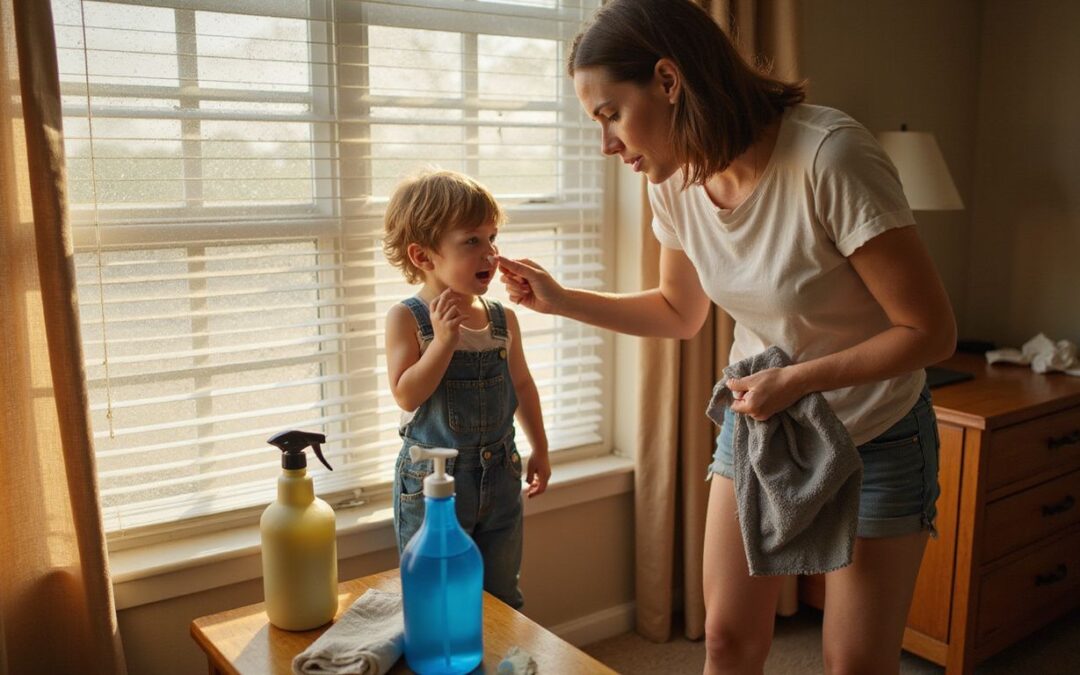
Ever notice how fast window blinds and curtains can turn into a magnet for yellow pollen and gray dust? For many house owners and parents, the fastest first step is a vacuum with brush attachment and a dry microfiber cloth, because that combo lifts debris before it gets rubbed deeper into the surface.
That matters even more with pleated styles and fabric blinds, where pollen hides in folds, pockets, and stitched edges. Once that buildup starts, rooms feel stuffy, sneezy, and harder to keep fresh.
This guide breaks the job into simple cleaning methods, from fast weekly dusting to safe deep cleaning, so families can get cleaner air and cleaner-looking window coverings without guesswork.
Key Takeaways
- Dust blinds weekly, then vacuum slats, top rails, and curtain pleats every one to two weeks to keep pollen from piling up.
- Start dry whenever possible, especially on wood blinds, real wood blinds, and delicate fabric window treatments.
- Use a damp microfiber cloth with a mild solution of soap and warm water for faux wood, vinyl blinds, and many washable roller blinds.
- Reserve bathtub soaking for detached aluminum blinds and other metal blinds that the care label says can handle it.
- Run a true HEPA air purifier near problem windows, keep windows closed on high-pollen days, and let every damp-cleaned item air dry fully before rehanging.
- Call a pro for tall windows, motorized systems, heavy odors, water stains, or fabrics that are marked dry-clean only.
- Handle cleaning solutions carefully and test on a small area before full application.
Why It’s Important to Remove Pollen and Dust from Window Blinds and Curtains
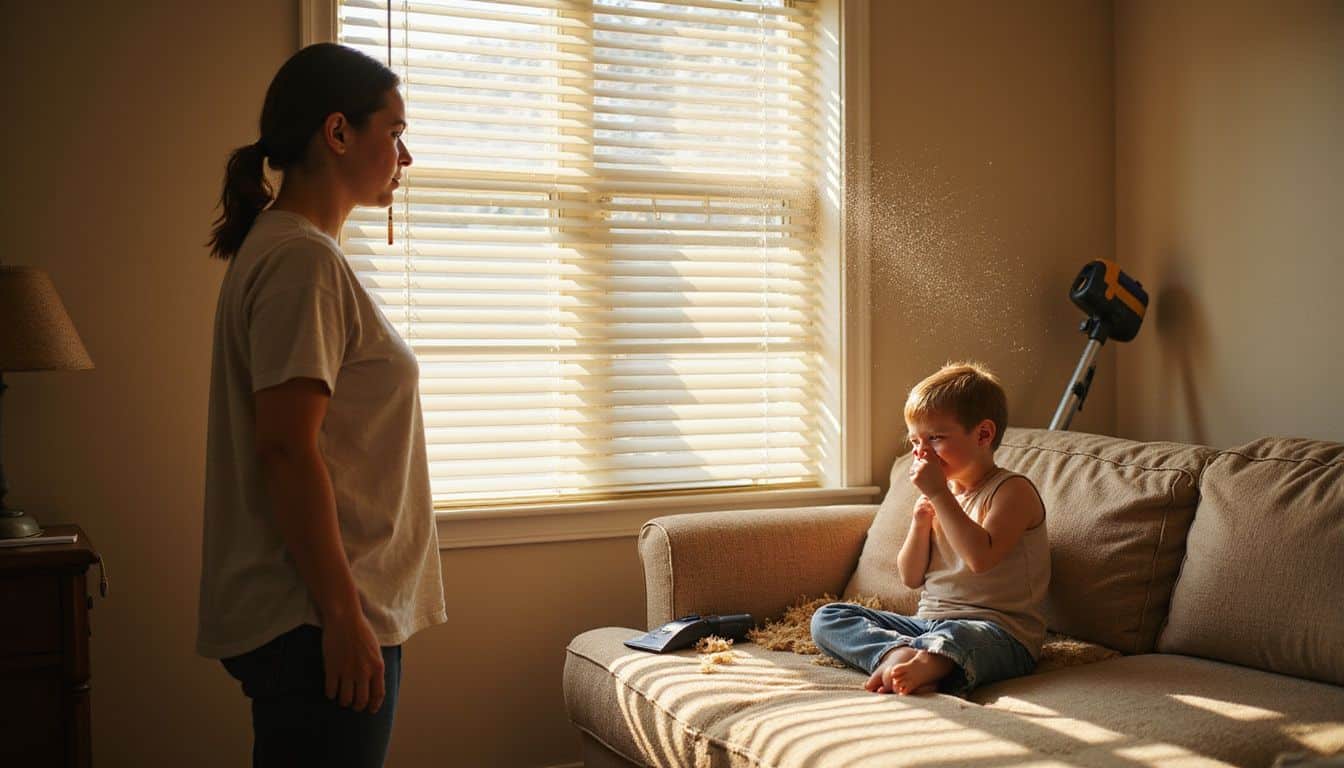
Pollen, dust, pet dander, and mold spores settle on slats, hems, folds, and top rails faster than most people expect. EPA notes that these are part of indoor particulate matter, and the smaller particles can stay in the air long enough to keep allergies active long after the windows are shut.
That is why clean blinds and curtains do more than improve the look of a room. Every wipe with a microfiber cloth, every pass with a brush attachment, and every careful round of spot cleaning removes material that would otherwise get stirred back into the air when blinds open, close, or sway.
Moisture control matters too. EPA guidance on mold prevention keeps the target indoor humidity below 60%, with 30% to 50% as the ideal range, so any damp-cleaned drapery or shades should be dried completely before they go back into daily use.
For styles with more folds and edges, including venetian blinds and fabric window treatments, gentle regular care usually works better than waiting for one huge scrub day.
Tools You’ll Need for Cleaning

A simple kit handles most window treatments well: microfiber cloths, a vacuum with a soft brush, mild soap, a bucket or tub for washable blinds, and a duster or cleaning wand for fast upkeep. For homes with allergy-prone kids, a true HEPA vacuum or portable air cleaner adds another practical layer because the HEPA standard is built around capturing 99.97% of particles at 0.3 microns.
Tool
Best use
Best for
Dry microfiber cloth
Weekly dusting without scratching
Wood blinds, faux wood, vinyl, aluminum blinds
Vacuum with brush attachment
Lifting loose pollen before wiping
Window blinds, curtains, roman shades, honeycomb blinds
Mild detergent or dish soap
Sticky grime and kitchen film
Faux wood, vinyl blinds, washable metal blinds
Duster or cleaning wand
Fast in-place touch-ups
Venetian blinds, vertical blinds, narrow slats
Handheld steam cleaner
Very limited spot refreshes on approved materials
Some hard surfaces only, never every fabric or motorized headrail
Microfiber cloths

Microfiber cloths are still the easiest place to start because they grab pollen instead of just pushing it around. One dry cloth handles routine dusting, while a second cloth can be lightly dampened for sticky spots on faux wood, vinyl blinds, and other hard surfaces.
For finished wooden blinds and real wood blinds, keep moisture low and wipe with the grain. Hunter Douglas care guidance for stained wood also allows occasional lemon oil or another wood preservative, which makes sense when slats look dry or dull after repeated dusting.
- Use dry microfiber first on wood blinds, alternative wood blinds, and delicate fabrics.
- Switch to a barely damp cloth only when dust has turned tacky.
- For faux wood, a mild solution of soap and warm water usually works better than a stronger cleaner.
- Spot test first on roman shades, roller, pleated, roman or cellular shades, and any fabric with a lining.
Vacuum with brush attachment
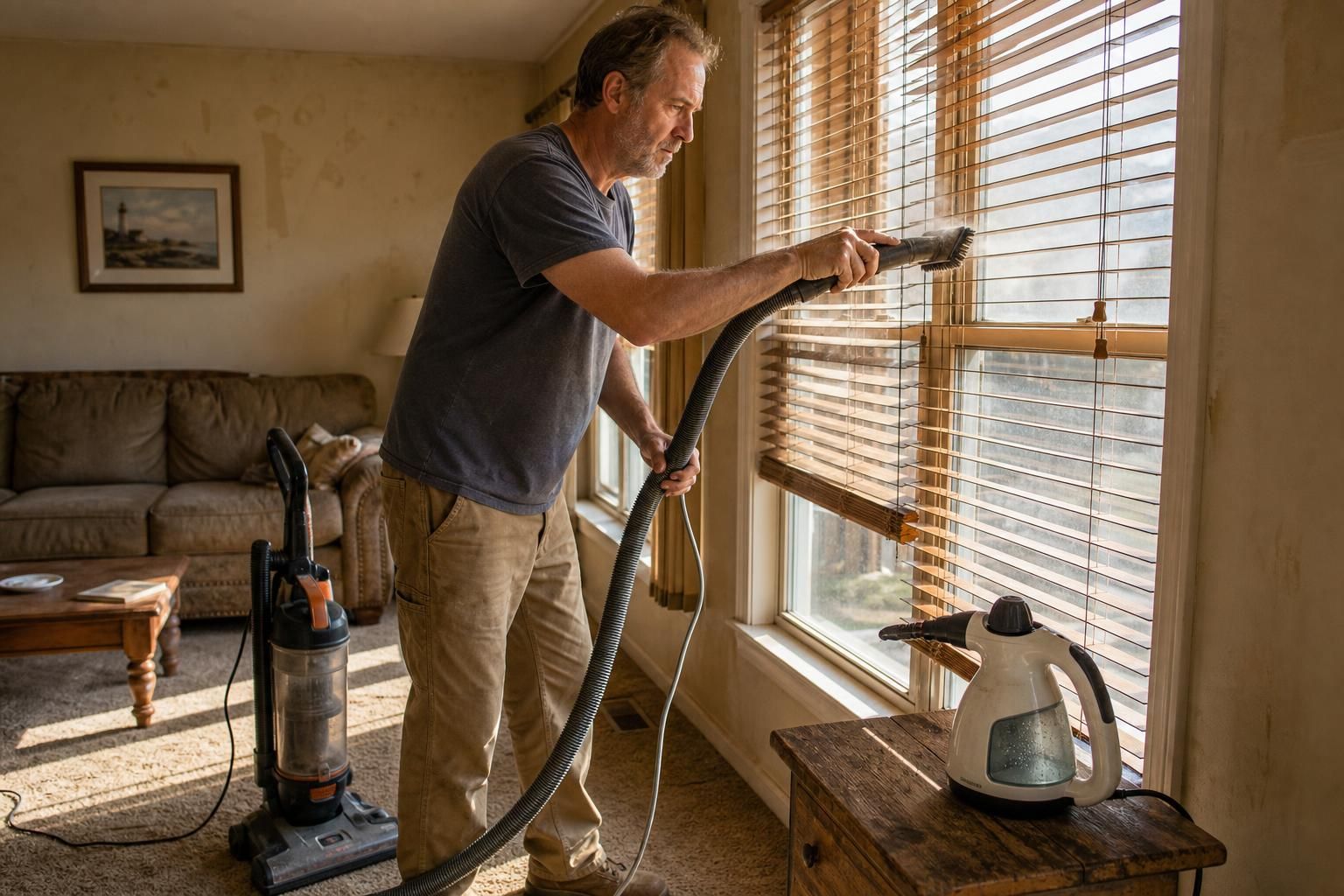
A vacuum with a brush attachment removes loose debris before anyone starts wiping. That matters because dry pollen grains and gritty dust can scratch finishes on wooden blinds, modern precious metals, and painted slats if they get rubbed across the surface.
Lower suction is the safe setting for fabric blinds, roman shades, roller blinds, pleated shades, and cellular honeycomb shades. Supporting the fabric from behind with one hand helps keep the vacuum from pulling wrinkles into the material, and a handheld unit or even a light stick vacuum can make quick work of narrow side windows.
In busy family rooms, a stick vacuum such as a power clean fur-guard 280w stick vac can be handy for fast upkeep. The key is still the brush tool and gentle pressure, not brute suction.
Mild detergent
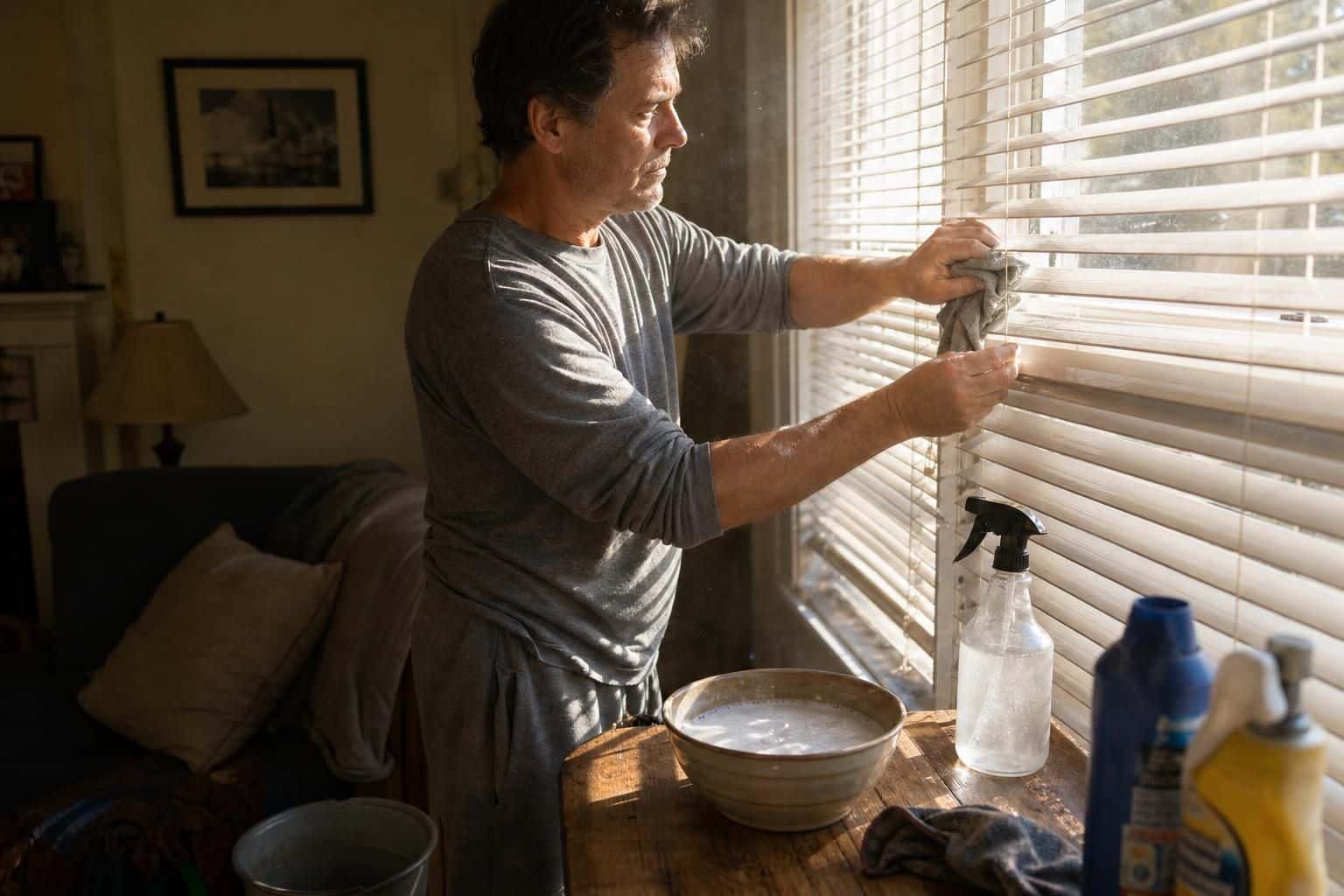
Mild detergent earns its place when dry dusting stops working. A few drops of grease-cutting dish soap in lukewarm water can loosen spring grime, cooking residue, and fingerprints without the harsh finish damage that stronger cleaners can cause.
On faux wood blinds, a damp microfiber cloth is safer than spraying cleaner straight onto the slats. On detached aluminum blinds and many vinyl blinds, a brief soak in warm soapy water works well, but strong bleach, ammonia, and rough scrub pads are best left out of the routine.
Steam cleaning sounds tempting, yet it is not a universal fix. Hunter Douglas specifically warns against steam on some woven woods, delicate fabrics, and motorized headrails, so a handheld steam cleaner or steam shot omnireach handheld steam cleaner & sanitizer should be reserved for materials that clearly allow it.
Additional Tip: Some cleaning guides from Architectural Digest note that vinegar can serve as a gentle alternative for routine cleaning tasks. Lowe’s offers various cleaning supplies that meet these standards.
Duster or cleaning wand

A duster or cleaning wand is the speed tool for families that want the room to look better in five minutes, not fifty. It slides between slats, works well on venetian blinds and vertical blinds, and makes quick touch-ups easy before company comes over.
Top-to-bottom strokes work best because the falling dust lands below the next pass instead of back on the clean area. After the loose layer is gone, one vacuum pass along the top rail and window casing keeps new buildup from dropping right back onto the blinds.
For tight spots, panel tracks & woven wood shades and some sheer styles, a wand is best for the first pass only. If grime is stuck on, a microfiber cloth or careful vacuuming usually finishes the job better than repeated swiping.
How to Clean Window Blinds

The safest order is simple: remove loose dust first, spot clean second, then deep clean only if the blind material allows it. That order protects finishes, reduces airborne mess, and keeps families from turning a light cleaning job into a dripping one.
Dusting blinds for regular maintenance
Dust clings to slats and fabric fast, especially in spring and fall. A quick habit keeps that layer from becoming sticky grime.
- Close the blinds completely, then vacuum or dust from top to bottom on one side.
- Reverse the slats and repeat, because the back side often holds more pollen than the front.
- Wipe the top rail, brackets, and nearby window trim every time, since that ledge drops fresh dust back onto the clean slats.
- Use a dry microfiber cloth for wood blinds and wooden blinds, and a lightly damp cloth for faux wood or vinyl when fingerprints show up.
- For vertical blinds and melody sheer vertical blinds, clean one vane at a time with light pressure so the vanes do not twist.
- Keep cords, chains, and lift systems out of little hands during cleaning, then return them to a safe position when finished.
That small routine usually takes less time than a later deep clean.
Vacuuming blinds with a brush attachment
Vacuuming is the best middle step between weekly dusting and full washing. It removes the loose layer that a damp cloth would otherwise smear.
- Use slow, steady passes rather than quick swipes, because the brush needs a second to lift debris from the slat edges.
- Set the machine to low suction for fabric blinds, roman shades, and honeycomb blinds.
- Support delicate shades from behind with one hand while vacuuming the front.
- Check tracks, headrails, and corners where pollen packs in and can make operation noisy.
- Use the crevice tool around brackets, then switch back to the brush for the visible surfaces.
Families who already vacuum floors on a weekly schedule can tack this on at the end and keep the whole job manageable.
Deep cleaning method using a bathtub soak
A true deep cleaning soak is best saved for detached metal blinds, aluminum blinds, and many vinyl blinds. It is not the right move for wood, most fabric window treatments, or any blind with a motorized headrail attached.
- Take the blind down carefully and dust or vacuum it first.
- Fill the bathtub with lukewarm water and a small amount of mild soap or dish soap.
- Lay the blind flat so the slats are supported and not bent.
- Let it soak for about 10 to 15 minutes, then wipe each slat gently with a sponge or microfiber cloth.
- Rinse until the water runs clear, because leftover soap attracts new dust.
- Set the blind on towels, blot excess water, and let it air dry fully before rehanging.
If grease is heavy, especially on kitchen blinds, a second short soak is safer than scrubbing harder. For stubborn residue that sits deep in cords and hardware, ultrasonic cleaning is usually the better next step than another home soak.
Additional Cleaning Tip: For vinyl or plastic blinds, soak in a bathtub with a mild dish soap solution to remove stubborn grease. Ensure the blinds air dry completely before rehanging.
Cleaning Specific Types of Blinds
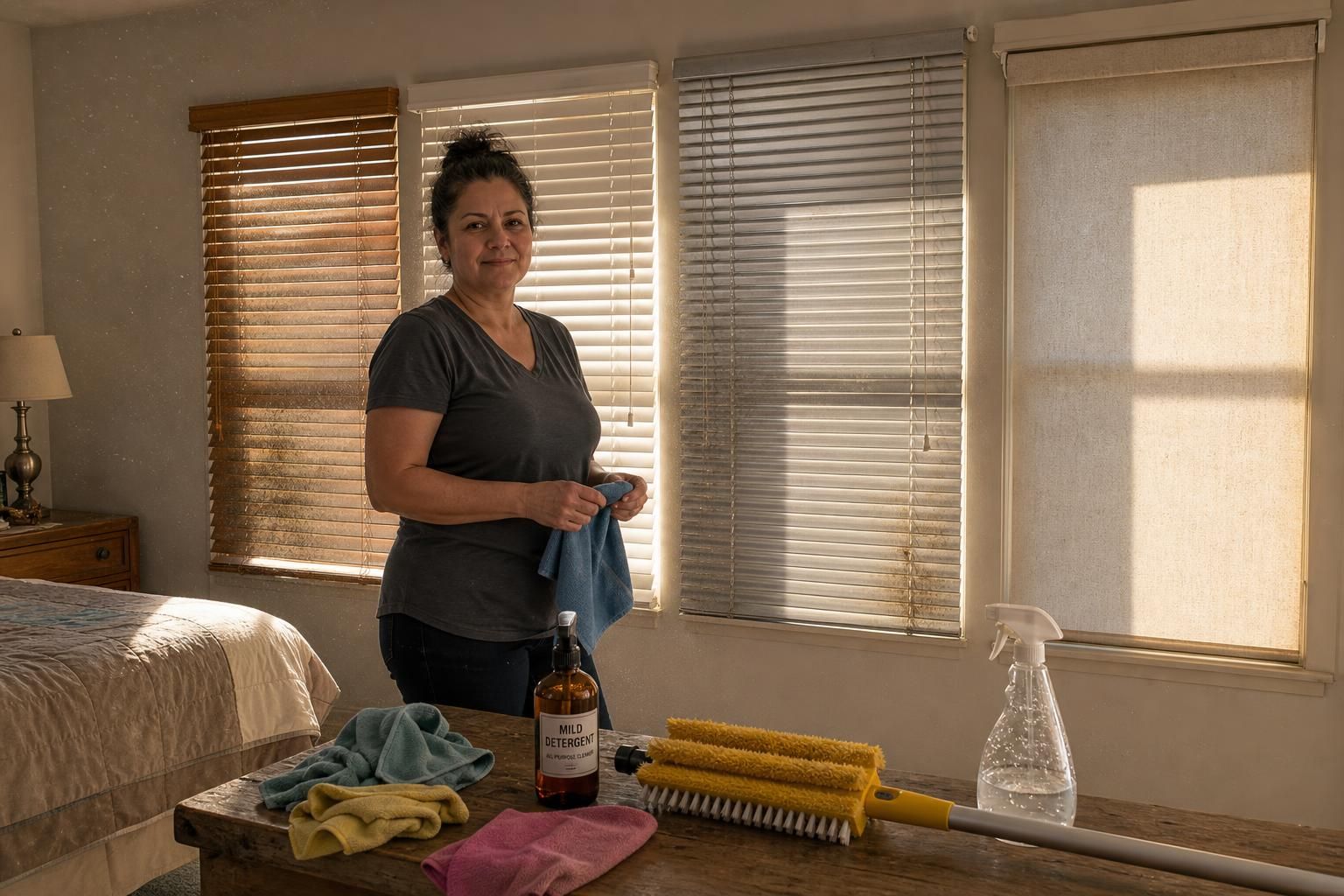
Different blind materials need different cleaning care. One method for all window coverings sounds convenient, but it is usually the quickest route to warped wood, bent aluminum, or stretched fabric.
| Blind type | Safest routine | Avoid |
|---|---|---|
| Wood blinds | Dry microfiber cloth, light vacuuming, occasional lemon oil | Soaking, steam cleaning, heavy moisture |
| Faux wood blinds | Vacuum first, then damp microfiber with mild soap | Harsh scrubbers, soaking the headrail |
| Metal or aluminum blinds | Vacuum, wipe, or bathtub soak if detachable | Bending slats, abrasive pads |
| Fabric blinds and cellular honeycomb shades | Low-suction vacuuming and gentle spot cleaning | Full soaking, overheating, rough scrubbing |
Material-Specific Warnings: For wood blinds, never soak them or use excessive water as this can warp the material; dust regularly and polish with a wood-safe cleaner. For faux wood blinds, clean with a lightly damp microfiber cloth and mild detergent, and avoid full immersion in water. For fabric or cellular shades, blot gently with a damp sponge and mild detergent and keep them fully lowered to dry completely.
Wood blinds: Use a dry microfiber cloth and wood-safe polish
Wood blinds and real wood blinds should stay on the dry side. Vacuum loose grit first, then wipe each slat with a dry microfiber cloth so dust comes off without pushing moisture into the finish.
If the slats look dull after a few cleaning cycles, a tiny amount of lemon oil on a clean sock can restore shine. The cloth should feel barely treated, not wet, because excess product leaves a film that attracts dust faster.
Faux wood blinds: Clean with a damp microfiber cloth and mild detergent
Faux wood and alternative wood blinds are more forgiving than real wood, which makes them a practical choice in kitchens, bathrooms, and kids’ rooms. A vacuum with a brush attachment removes surface dust, then a damp microfiber cloth takes care of fingerprints and sticky spots.
A good working mix is 3 to 4 drops of dish soap in 1 quart of warm water. Wring the cloth well, clean one section at a time, and dry with a second cloth so water does not sit around cords or the headrail.
Metal blinds: Soak in warm, soapy water and wipe gently
Metal blinds, including many aluminum blinds, handle deeper washing better than most other styles. That makes them one of the easiest options for homes near busy roads, kitchens, or playrooms where dust and grime build quickly.
Vacuum first, then soak only if the blind is detachable and the hardware is protected from sitting in water. After rinsing, dry both sides well before rehanging so the cords, ladders, and slat edges are not left damp.
Fabric blinds: Use a vacuum or blot with a sponge and mild detergent
Fabric blinds need the lightest touch in the house. For roman shades, roller blinds, pleated shades, and many honeycomb blinds, low suction with a brush attachment is usually the safest regular method.
Spot cleaning works best with a damp sponge, mild detergent, and blotting from the outside of the stain inward. For dust trapped inside cellular honeycomb shades, Hunter Douglas guidance favors a cool hair dryer or compressed air rather than forcing a cloth into the cells.
That same gentle rule applies to specialty styles from Hunter Douglas and The Shade Store, including designer screen patio shades, cascade or serenity sheer shades, and other lined or delicate fabrics. If the care label is unclear, stop at vacuuming and call for product-specific cleaning instructions.
How to Clean Curtains and Drapes
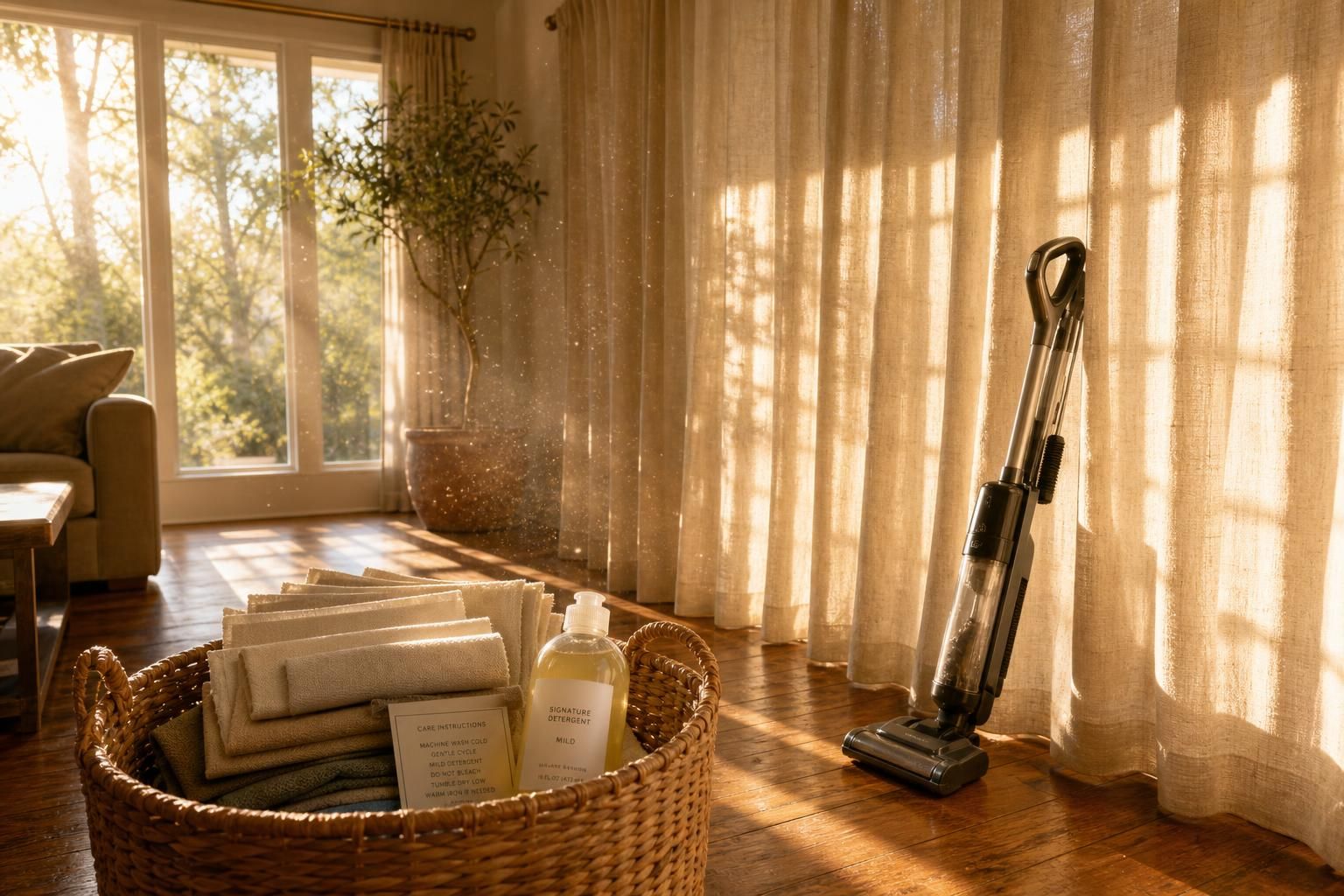
Curtains and drapery collect pollen the same way blinds do, but they hide it in seams, pleats, hems, and linings. That means regular vacuuming matters even for curtains that still look clean from across the room.
Vacuuming curtains regularly
Regular vacuuming keeps curtains fresher and cuts down pollen buildup between washes. Consumer Reports still recommends vacuuming drapes with a soft brush between deeper cleanings, and that advice holds up because it removes dust without stressing the fabric.
- Start at the top and work down so loosened debris falls onto the uncleaned area.
- Use an upholstery or brush attachment and keep the suction low on sheers and lightweight panels.
- Pay extra attention to hems, pleats, and the back side near the window glass.
- Vacuum rod pockets, rings, and the top edge where dust often collects first.
- For heavy drapery, use one hand to support the fabric while the other guides the vacuum.
- Repeat every one to two weeks during peak pollen months.
Washing machine-safe curtains: Follow care labels
Some curtains can go into the laundry, but the care tag gets the final say. That one small check prevents a lot of regret, especially with lined panels, blackout coatings, and shrink-prone fabrics.
- Remove hooks, pins, and rings before washing.
- Sort by color and weight so heavy panels do not rough up lighter fabric.
- Use mild detergent and a gentle cycle.
- Place sheer panels in a mesh bag for extra protection.
- Skip high heat unless the label clearly allows it.
- Rehang while slightly damp when possible so wrinkles fall out as the fabric air dries.
For family homes, that last step is a time saver because it reduces both ironing and the chance of over-drying.
Spot cleaning delicate fabrics
Delicate curtains, lined panels, and decorative drapery often do best with spot cleaning instead of a full wash. The goal is to lift the stain without creating a water ring around it.
- Vacuum loose dust first so it does not grind into the fibers.
- Test any cleaner on a hidden seam or hem.
- Use a damp sponge or white cloth with mild soap.
- Blot gently, never scrub hard.
- Press the area with a dry towel to remove moisture.
- Let the panel dry fully while hanging straight.
If the spot spreads, darkens, or leaves a tide mark, it is usually time to stop and move the piece to professional care.
Preventing Dust and Pollen Buildup
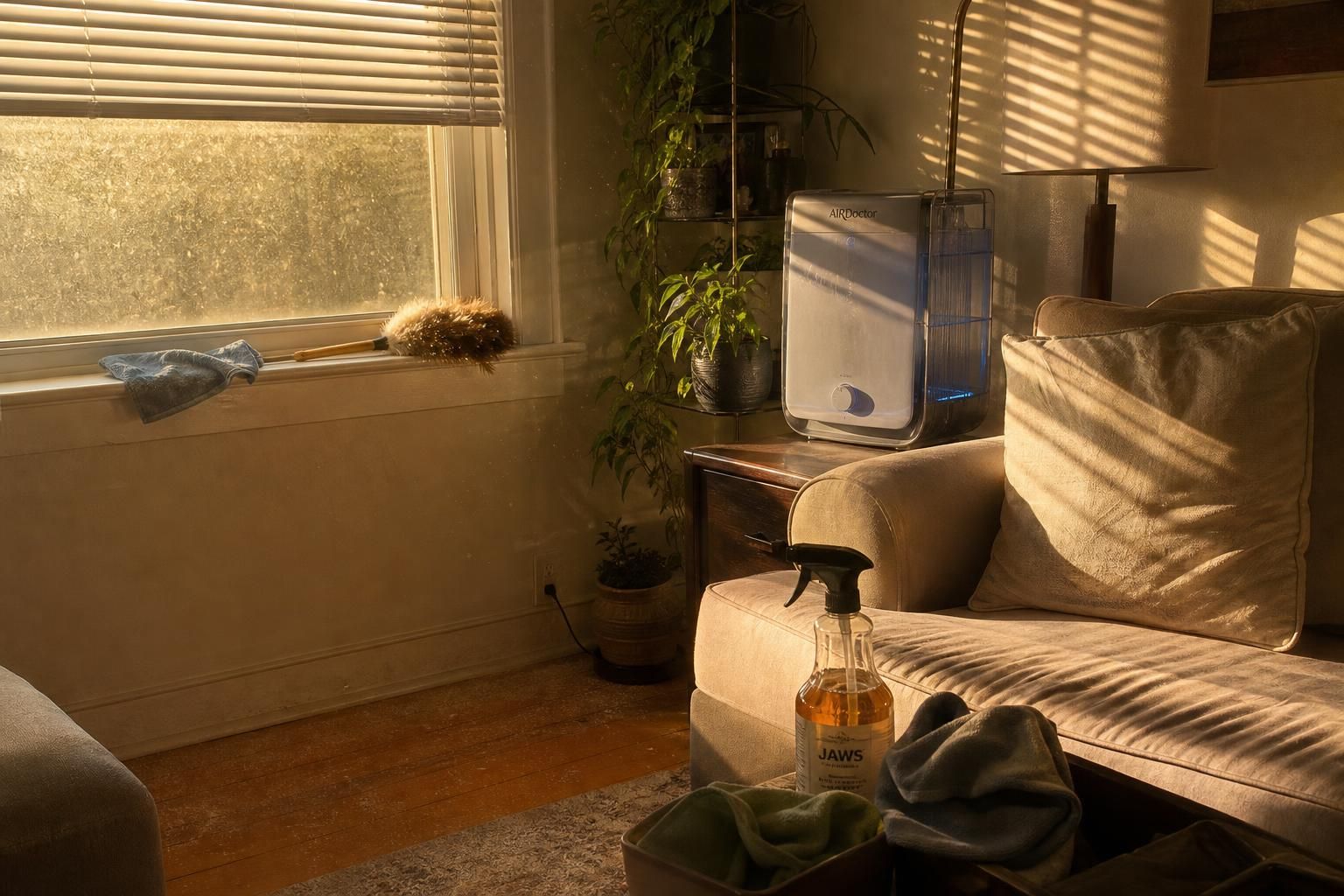
The easiest cleaning job is the one that never turns into a major buildup. A few small habits keep blinds, window treatments, and curtains from collecting enough dust to bother the whole room.
Regular dusting schedule
A weekly dusting schedule beats an occasional marathon clean almost every time. Parents who put blinds on the same routine as baseboards or bathroom mirrors usually find the work stays quick and the air feels better.
A practical rhythm looks like this:
- Dust blinds weekly with a microfiber cloth or duster.
- Vacuum slats, curtain pleats, and top rails every two weeks.
- Deep clean washable vinyl or metal blinds seasonally.
- Wash or professionally clean curtains as the care label recommends.
That schedule is especially helpful in spring, after yard work, and during dry windy weeks when pollen levels jump.
Using air purifiers in rooms
A portable air purifier can slow how fast freshly cleaned surfaces get dusty again. AHAM places pollen, dust, and smoke CADR numbers on certified room air cleaners, so matching the unit to the room size is more useful than buying by marketing claims alone.
For bedrooms and nurseries, place the purifier near the window or the main airflow path, not hidden behind furniture. True HEPA filtration is the baseline worth looking for, and filter changes need to happen on schedule or performance drops fast.
Keeping windows closed during high pollen seasons
Keeping windows closed on high-pollen days sounds basic, but it works. EPA indoor air guidance specifically recommends closing windows when pollen is high, and that one habit can sharply reduce how much new debris lands on curtains and blinds by the end of the day.
It also helps to shake out jackets near the entry, wash hands after outdoor play, and keep shoes from tracking extra dust to the windows. For households with allergies, those small changes often do as much good as a new cleaner.
Tips for Quick Cleaning Without Taking Blinds Down
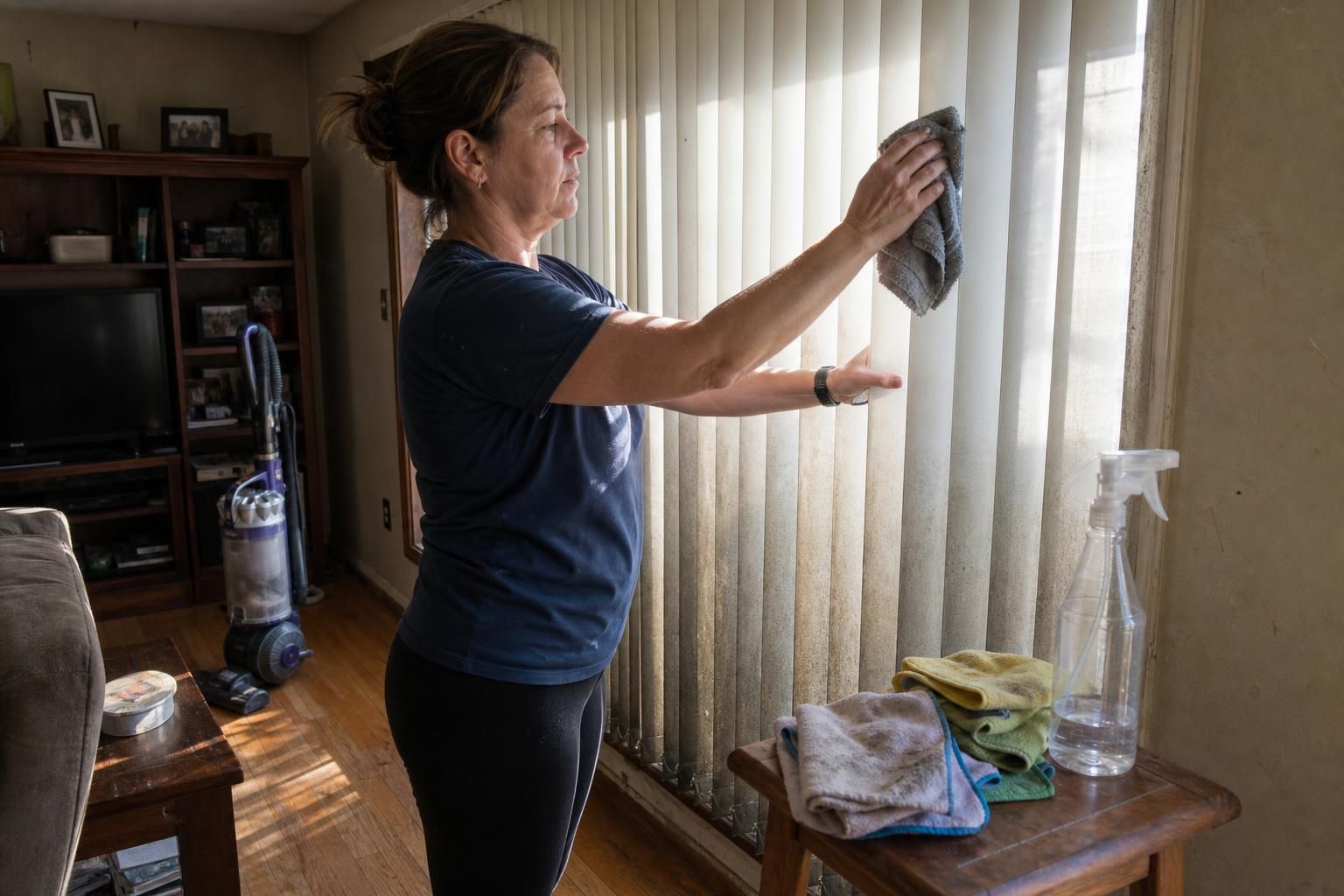
Quick clean-ups keep dust from turning into the kind of film that needs soaking or stain work. Most of the time, blinds can stay right where they are.
- Close the slats and wipe them with a dry microfiber cloth from top to bottom.
- Run a vacuum with a brush attachment over both sides before the family vacuuming routine ends.
- Use a cleaning wand for mini blinds and narrow venetian blinds when time is tight.
- Wear a microfiber glove for fast touch-ups on faux wood and vinyl.
- Blot marks on curtains with a damp cloth instead of spraying the whole panel.
- Put an old towel or sheet under the window first so falling dust does not settle into carpet.
That last tip is simple, but it saves a second cleanup.
Additional Cleaning Guidelines
Dry dust blinds first to avoid turning dust into mud. Use a microfiber wand to wipe down each slat from top to bottom during routine cleaning. For greasy or sticky blinds, soak them in a bathtub with a mild dish soap solution and let them air dry completely.
When to Consider Professional Cleaning Services
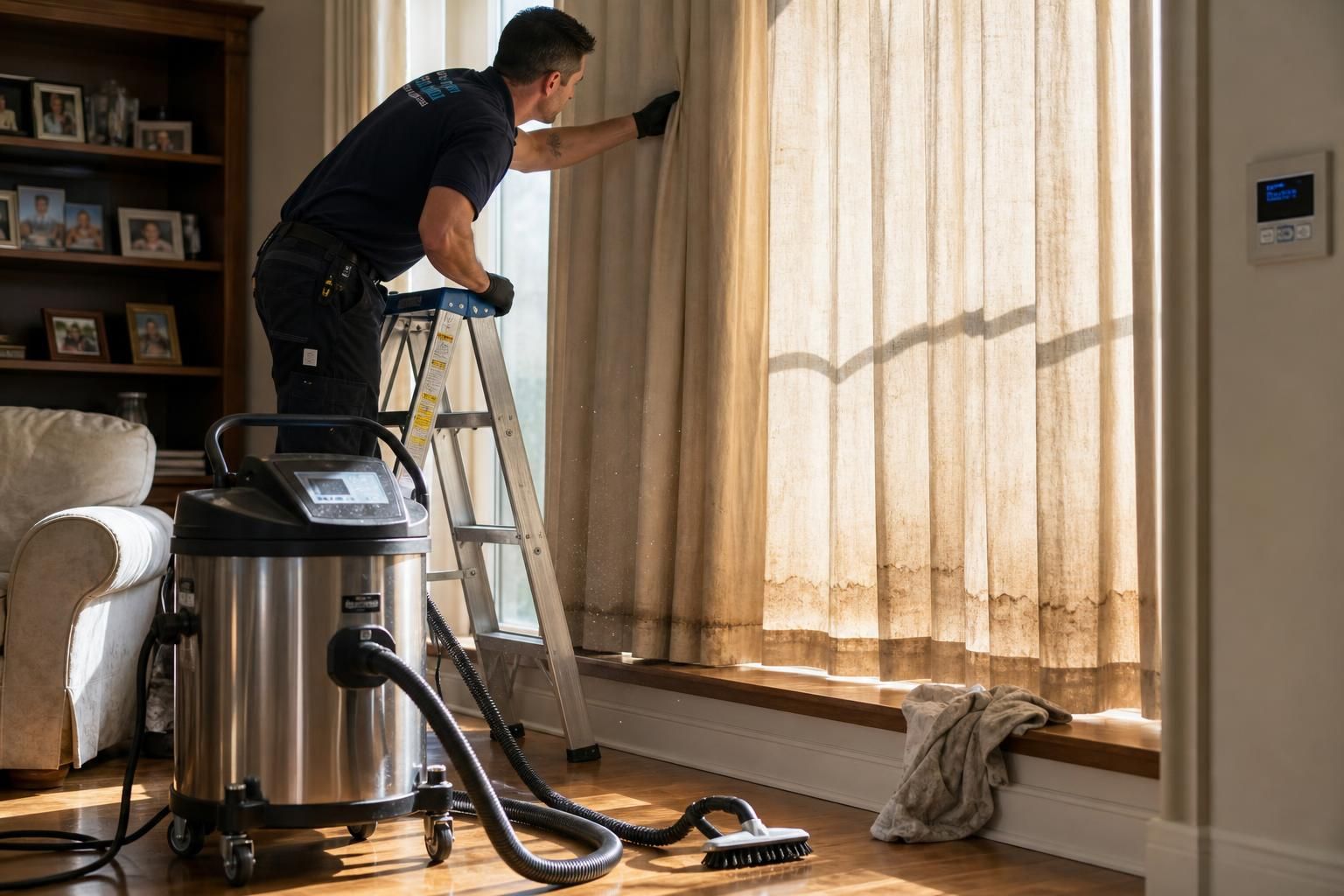
Some window coverings move past the point of home cleaning. Heavy stains, smoke odors, grease, mildew smell, and tall hard-to-reach installs are all signs that the safer move is to call a professional.
That is especially true for motorized shades, older corded blinds, and delicate fabrics with linings or special finishes. As of 2026, Angi puts professional drapery cleaning around $100 to $250 per set and ultrasonic blind cleaning around $20 to $50 per blind, while CPSC safety rules still treat long accessible cords as a real hazard for young children, so older corded or hard-to-reach treatments are often worth outsourcing.
- Choose a pro for powerview shades, large roman shades, and tall stairwell windows.
- Ask whether the service uses ultrasonic cleaning, injection and extraction, or on-site dry methods.
- Confirm that the cleaner has experience with brand-specific products such as Hunter Douglas systems.
- Request rehanging help for heavy drapery so hardware goes back level and secure.
If allergy symptoms stay high even after routine cleaning, professional service can reach the dust packed into folds, cords, and internal cells that home tools miss.
Conclusion
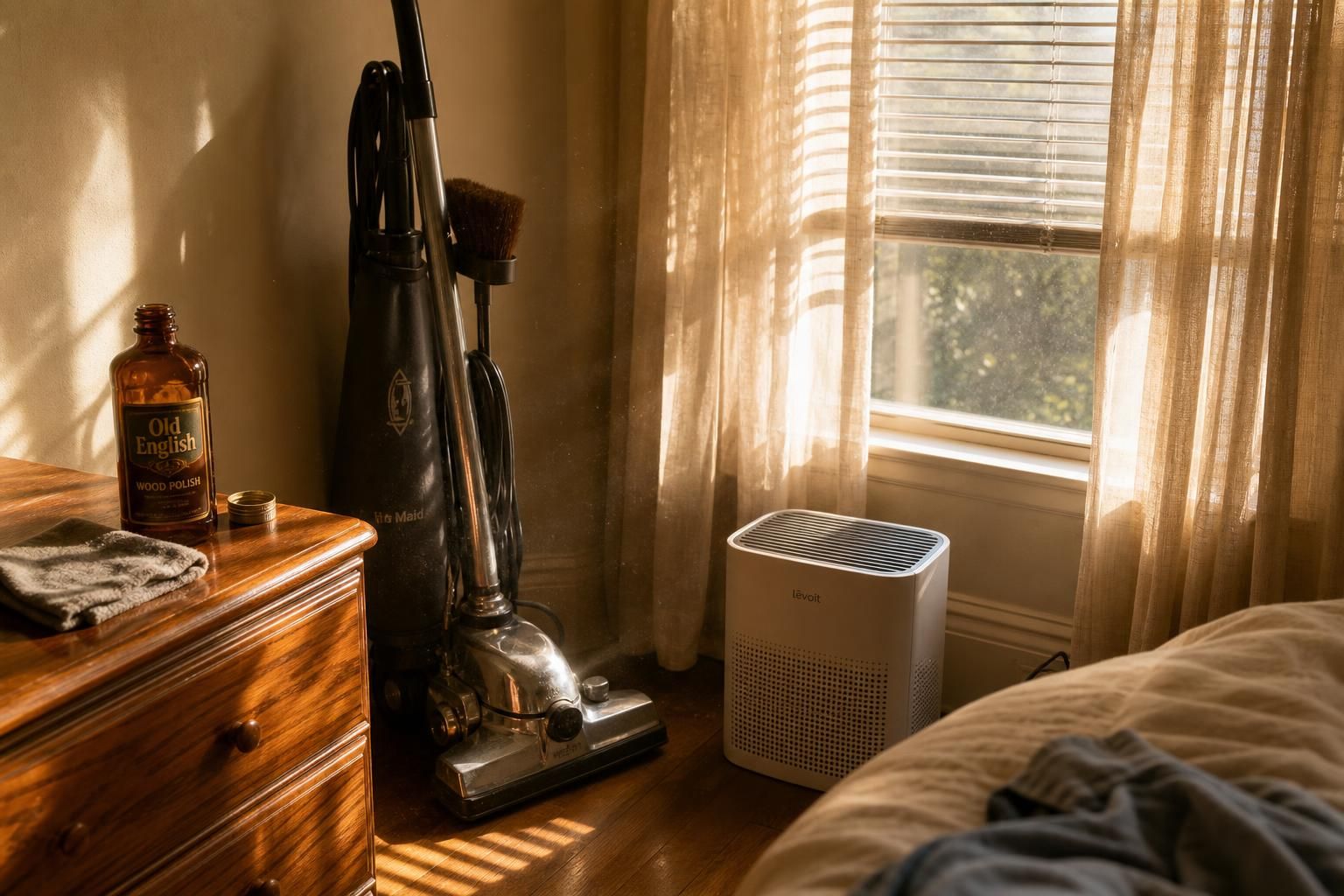
Clean window blinds and curtains make a room feel better fast, and they also cut the pollen and dust that keep sneezes going. A microfiber cloth, a vacuum with brush attachment, mild soap, and a careful air-dry routine handle most homes well.
Wood blinds should stay mostly dry, faux wood can handle a damp wipe, and metal or vinyl blinds are the best candidates for soaking. When stains are stubborn, fabrics are delicate, or the setup is tall or motorized, professional help is usually the smartest next step.
With the right cleaning instructions and a steady schedule, window coverings stay easier to manage all year.