

Has a musty bathroom smell ever seemed to appear the second the door opened? That stale, damp odor usually means moisture has been hanging around longer than it should.
To remove mildew smell bathroom problems for good, a homeowner has to do two things at the same time: clean the odor source and stop fresh moisture from feeding it again.
That usually means better ventilation, stronger air circulation, smarter moisture control, and a closer look at grout, drains, fabrics, and hidden plumbing leaks.
This page walks through the practical fixes in a simple order, so the smell goes away and stays away. This and keeping a regular house cleaning routine is essential.
Key Takeaways
- Use the exhaust fan during every shower and keep it running afterward. Current EPA guidance says indoor humidity should stay below 60 percent, with 30 to 50 percent as the ideal range.
- Check for hidden plumbing leaks under sinks, around toilet bases, behind vanities, and near tub walls, because even a slow drip can keep mildew alive.
- Scrub grout, caulk, and tile regularly, then dry them well. A surface that stays damp will keep producing a musty odor no matter how often it gets sprayed.
- Wash towels, bath mats, and the shower curtain often, and replace liners or mats that stay stained or smell sour after laundering.
- Do regular drain cleaning. If the smell returns right after surface cleaning, the problem may be biofilm, a dirty P-trap, or standing water out of sight.
Common Causes of a Musty Bathroom Smell

A musty bathroom smell rarely comes from just one thing. In most homes, it is a mix of trapped humidity, slow drying surfaces, damp fabrics, dirty drains, or moisture that keeps sneaking in behind walls.
The good news is that the odor usually follows a pattern. Once the homeowner finds where water lingers, the fix gets much faster.
High humidity and poor ventilation are usually at the center of the problem. Homeowners also run into issues from hidden plumbing leaks, damp towels, grout growth, or a mildewed shower curtain.
High Humidity and Poor Ventilation

Steam from showers settles on walls, mirrors, ceilings, and grout in minutes. If that moisture has nowhere to go, mildew gets a steady food source.
In the latest EPA guidance, indoor relative humidity should stay below 60 percent, and ideally between 30 and 50 percent. That is why a bathroom with weak ventilation starts smelling musty so quickly after repeated hot showers.
Wet air also gets trapped in corners, behind the toilet, under the vanity, and inside cabinets. Damp towels and a closed shower curtain make the problem worse because they hold moisture close to the surface.
The CDC notes that persistent damp can harm indoor air quality. For a family bathroom, that makes ventilation more than a comfort issue, it becomes a basic health and home improvement step.
A simple routine helps a lot. Run the fan, crack a window if the weather is dry, wipe down walls, and hang fabrics so they can fully dry between uses.

Hidden Plumbing Leaks

A leak does not have to be dramatic to create a serious mildew problem. A slow drip under a sink or a pinhole leak behind a wall can keep materials damp for months.
Common warning signs include swollen baseboards, soft drywall, peeling paint, warped vanity panels, or a smell that gets stronger even after a deep clean. A musty odor near the toilet base can also point to a failed wax ring or water sneaking under the flooring.
One useful tool is a moisture meter and inspection camera. It helps a homeowner compare dry and damp areas before opening up a wall or calling a plumber.
- Check supply lines, shutoff valves, and P-traps under the sink for tiny beads of water.
- Press a dry paper towel around toilet supply connections and the toilet base, then recheck after flushing.
- Look inside the vanity with a flashlight after every shower for condensation or damp cabinet floors.
- If the smell keeps returning, bring in a licensed plumber before the moisture reaches subflooring or framing.
Damp Bath Mats, Towels, and Shower Curtains

Soft materials hold on to moisture longer than tile or glass. That makes towels, mats, and liners some of the most common sources of a lingering musty smell.
A damp bath mat pushed against the floor or a towel folded on a rack may smell clean at first, then sour within a day. In busy family bathrooms, that cycle repeats fast.
The fix is part cleaning and part drying speed. Quick-dry fabrics, open hooks, and full airflow around the fabric matter just as much as laundry detergent.
- Wash towels, mats, and liners at least weekly, and more often in heavily used bathrooms.
- Hang towels spread out, not folded over themselves, so the center can dry.
- Pull the shower curtain closed after use so both sides dry instead of staying bunched up.
- Replace liners or mats that still smell musty after washing, because the odor can stay trapped deep in the material.
Mold and Mildew in Grout or Tiles

Grout is rough and porous, so it traps soap film, body oils, and moisture. Once that buildup starts, the smell often lingers even if the room looks mostly clean.
Caulk lines can be just as bad. Dark specks around a tub edge or in the corners of a shower usually mean mildew has been sitting there for a while.
A homeowner should deep clean grout and tiles before worrying about fragrance sprays or essential oils. The odor source has to be removed first.
- Use a grout brush instead of a soft sponge, because the bristles reach into the joints.
- Treat stained spots with 3% hydrogen peroxide or white vinegar, then rinse and dry the area well.
- If grout stays dark or crumbly, clean it, let it dry fully, and use a grout sealer after cleaning to slow future moisture absorption.
- Recaulk split or shrinking joints instead of scrubbing them forever, because damaged caulk keeps trapping water behind the surface.
Blocked Drains and Standing Water

A slow drain turns hair, soap, and skin residue into a stubborn odor source. Even when the sink or shower looks clean, the smell may be sitting lower in the pipe.
This is where many homeowners lose time. They clean the room, but the musty odor keeps coming back because the drain itself still holds slime or standing water.
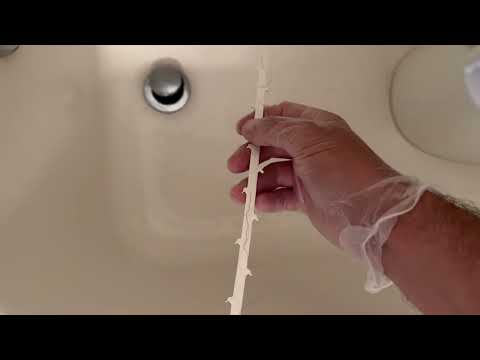
Regular maintenance makes a big difference here. A plunger, hand auger, enzyme cleaner, or a quick P-trap cleanout often solves what room sprays never will.
Steps to Permanently Remove Mildew Smells
The permanent fix follows a clear order. First lower the moisture level, then remove the hidden odor sources, and finally change the habits or materials that let the smell return.
That means using the exhaust fan, improving air circulation, checking for leaks, cleaning grout and drains, and keeping fabrics dry. Natural products like baking soda and hydrogen peroxide can help, but they work best after the moisture problem is under control.
Boost Air Circulation with Exhaust Fans or Windows

A bathroom needs moving air, not just an open door once the room already feels damp. Better airflow cuts drying time on every surface.
The Home Ventilating Institute recommends about 1 CFM of fan capacity per square foot for bathrooms up to 100 square feet, with a practical minimum of 50 CFM for very small baths. It also recommends leaving the fan on for about 20 minutes after use.
| Bathroom size | Helpful fan target | What that means |
|---|---|---|
| Under 50 square feet | At least 50 CFM | Good baseline for powder rooms and small full baths |
| 50 to 100 square feet | About 1 CFM per square foot | Match the fan to room size, not guesswork |
| Over 100 square feet | Size by fixtures | Large baths often need more than one small fan |
- Turn on the fan before the shower starts so the room never gets fully saturated.
- Make sure the fan vents outdoors, not into an attic or enclosed space.
- Open a window only when outside air is actually drier than the bathroom air.
- Use a timer switch or humidity sensor if the family forgets to run the fan long enough.
- Keep the bathroom door cracked after use so damp air does not sit in one room.
Use a Dehumidifier to Control Humidity Levels
A dehumidifier helps most in windowless bathrooms, homes in humid climates, or bathrooms that stay damp long after the shower ends. It is especially helpful when the fan is weak or the room has little natural airflow.
- Choose a portable unit for the bathroom or a nearby hallway if floor space is tight, and aim to keep humidity in the 30 to 50 percent range.
- Use a hygrometer so the homeowner can see whether the room is drying fast enough instead of guessing by smell.
- Empty the tank often, or connect continuous drainage if the unit allows it, because stagnant water in the bucket can create its own odor problem.
- Place the unit where the intake is clear and away from direct shower spray.
- Clean the filter on schedule so the machine keeps pulling moisture efficiently.
- In homes with central HVAC issues, ask an HVAC pro whether a whole-house dehumidifier makes more sense than running a small unit every day.
Identify and Repair Plumbing Leaks
Surface cleaning will not win against an active leak. If a bathroom smells fresh for a day and then slides back into a musty odor, moisture is probably still entering the room.
- Inspect sink traps, faucet supply lines, toilet shutoffs, and tub access panels every few weeks.
- Run a dry hand or paper towel along fittings to catch tiny drips that are easy to miss by sight.
- Check the floor around the toilet after flushing, especially if the smell is strongest near the base.
- Use a flashlight to inspect cabinet backs, wall corners, and the underside of countertops for swelling or staining.
- Replace brittle hoses and corroded shutoff valves before they turn into a bigger repair.
- Call a licensed plumber if the odor stays strong after visible repairs, because the leak may be inside the wall or beneath the subfloor.
- Keep a dated note on what was checked and repaired, which helps if the same smell returns later.
Clean and Disinfect Grout and Tiles with Mold-Fighting Products
- Start with the dirtiest grout lines, corners, and caulk seams, because those areas usually hold the strongest mildew odor.
- Use a cleaner that fits the surface. For many families, white vinegar for weekly upkeep and 3% hydrogen peroxide for stains is a workable, lower-fume routine.
- Let the product sit for several minutes before scrubbing so it has time to loosen buildup.
- Rinse thoroughly and dry the area, because leftover moisture can undo the whole job.
- Use a steam cleaner occasionally if the homeowner wants a deeper clean without reaching for stronger chemicals every week.
- Seal grout after it is fully clean and dry. In most bathrooms, resealing every 6 to 12 months helps reduce future moisture absorption.
- Review consumer reports for product performance ratings on cleaning products to ensure safety and effectiveness.
Wash or Replace Shower Curtains, Bath Mats, and Towels
- Fabrics are often the simplest win. If a room still smells stale after tile cleaning, the next place to look is whatever stays wet the longest.
- Wash towels, bath mats, and shower liners on a regular schedule, usually weekly in a busy home.
- Add white vinegar or a laundry sanitizer only if it fits the fabric care label, and never mix products casually.
- Dry everything completely before it goes back into service, because damp folds are where musty smells hide.
- Replace liners with permanent dark spotting, stiff residue, or a smell that survives the wash.
- Pick quick-dry, mildew-resistant materials when buying replacements from stores such as The Home Depot, especially for kids’ bathrooms that stay in constant use.
- Store backup towels in a dry linen closet, not under a damp sink cabinet.
Unclog Drains and Remove Standing Water
- Use a hand plunger for slow sinks and tubs, then flush with hot water if the pipe material allows it.
- Pull out hair clogs with a drain tool or hand auger instead of relying on fragrance-heavy cleaners.
- Try an enzyme cleaner for organic buildup, especially if the smell returns a day or two after cleaning.
- Clean the sink P-trap if odor seems strongest at the vanity.
- Remove standing water near toilet bases, behind pedestals, or around shower corners as soon as it appears.
- If the bathroom is rarely used, make sure the trap is not drying out, because a dry trap can let sewer odor rise into the room.
- Call a plumber for repeated clogs, gurgling drains, or signs of a deeper blockage.
Natural Remedies to Eliminate Mildew Odors

Natural remedies work best as helpers, not as the whole fix. They can absorb odor, freshen the room, or loosen light mildew, but they cannot solve ongoing moisture by themselves.
That is why these options make the most sense after the fan, leak, and cleaning basics are already handled.
Watch a natural-cleaning video idea
Use Baking Soda or Charcoal Bags to Absorb Moisture
Baking soda and activated charcoal can take the edge off stale odors in small spaces. They are useful for vanity cabinets, toilet closets, and shelves where airflow is limited.
They should be treated like support tools, not a replacement for ventilation. If the bathroom still feels damp every morning, a moisture source is still active.
| Option | Best use | Limit |
|---|---|---|
| Baking soda | Open shelves, cabinets, under-sink storage | Absorbs odor, but will not dry a humid room |
| Activated charcoal bags | Small windowless bathrooms and closets | Helpful for smell, but still needs moisture control |
| Dehumidifier | Whole room humidity | Solves the air moisture issue, not surface grime |
A homeowner can place these absorbers near the shower, under the sink, or behind the toilet, then replace or refresh them as directed.
Apply Vinegar or Hydrogen Peroxide to Affected Areas
- Spray white vinegar on grout, corners, or tile joints and let it sit before scrubbing.
- Use 3% hydrogen peroxide on darkened grout or stubborn spots that need a bit more lift.
- Wear gloves and keep the room ventilated while cleaning.
- Test a small hidden area first if the tile or finish is delicate.
- Do not mix cleaners together. CDC cleaning guidance warns against mixing bleach with other cleaners, and that same caution is smart for bathroom products in general.
- If caulk is soft, cracked, or peeling, clean it first, then replace it instead of repeatedly spraying over damage.
Incorporate Essential Oils for a Fresh Scent
Essential oils are best used after the real odor source has been handled. They can make a clean bathroom smell fresh, but they should not be used to cover up an active mildew problem.
Tea tree, lemon, and lavender are common choices. A homeowner might add a few drops to a diffuser, a mop bucket, or a light finishing spray after cleaning.
For families sensitive to fragrance, less is usually better. One light pass is enough once the room is truly dry and clean.
Preventative Measures to Keep Bathrooms Mildew-Free

Once the smell is gone, the goal shifts to keeping the room dry enough that mildew never gets a foothold again. This is where small routines beat big weekend cleanups.
Regularly Clean and Disinfect Bathroom Surfaces
- Wipe counters, sink edges, and faucet bases several times a week so water spots and soap film do not sit.
- Scrub tile and grout weekly in shower areas that stay wet the longest.
- Clean showerheads and aerators monthly to reduce mineral buildup and biofilm.
- Launder towels and mats on schedule so damp fabric never becomes the room’s main odor source.
- Disinfect high-touch surfaces after illness or heavy family use.
- Recaulk and reseal trouble spots before they start smelling musty again.
Keep the Bathroom Dry After Showers
- Run the exhaust fan during the shower and keep it on afterward.
- Use squeegees on glass, tile, and shower walls to cut surface moisture in seconds.
- Hang towels, bath mats, and the shower curtain so air can reach both sides.
- Move wet items off the floor right away.
- Use a dehumidifier during humid weather or in windowless bathrooms.
- Follow federal emergency management agency guidelines for moisture control when available.
Reseal Grout and Recaulk Problem Areas
- Inspect grout lines and caulk seams every six months for cracks, gaps, or discoloration.
- Remove loose caulk completely before applying new silicone, because fresh caulk will not bond well over damaged material.
- Let the area dry fully before resealing so moisture does not get trapped underneath.
- Use a mildew-resistant caulk around tubs, showers, and sinks.
- If the bathroom is being repainted after cleanup, a bathroom-rated paint from brands such as Sherwin-Williams can add another layer of moisture resistance on the wall surface.
- Keep a simple repair kit on hand, such as painter’s tape, a smoothing tool, and the right caulk, so small failures get fixed quickly.
Install Moisture-Absorbing Items Like Silica Gel
Silica gel packets and other moisture absorbers help in the little zones that trap dampness, like under-sink cabinets, linen closets, and the back corners behind toilets. They are especially useful where airflow is weak.
They work best alongside larger moisture control tools. A homeowner who pairs cabinet absorbers with an exhaust fan, good air circulation, and a dehumidifier usually sees far fewer repeat odors.
When to Seek Professional Help

Some mildew jobs are still reasonable DIY projects. Others point to a deeper moisture issue that needs a plumber, mold remediator, or both.
| Situation | Best next step |
|---|---|
| Small surface spots on tile or caulk | DIY cleaning and drying is usually reasonable |
| Odor keeps returning after cleaning | Inspect for leaks, drain issues, or hidden damp materials |
| Moldy area is more than about 10 square feet | Bring in a qualified remediation professional |
| Family members have asthma, COPD, or immune issues | Avoid DIY cleanup of significant mold and get professional help |
Persistent Odors Despite Cleaning Efforts
If the bathroom smells clean for a day and then turns musty again, the source probably was never removed. That often points to wet drywall, a drain problem, hidden plumbing leaks, or mold tucked behind a vanity or under flooring.
EPA and CDC guidance both put the focus on moisture first. Even mold testing has limited value in many homes if nobody has fixed the damp source yet.
A homeowner should inspect vents, run the fan consistently, check grout and caulk, and look behind cabinets or access panels. If the smell still remains, a professional inspection is the next smart move.
Extensive Mold Growth or Hidden Leaks
Large dark patches, soft walls, or a smell coming from inside the wall cavity are signs to stop guessing. EPA guidance uses about 10 square feet as a rough line where professional remediation becomes the safer choice.
CDC guidance also says people with asthma, COPD, or weakened immune systems should avoid significant mold cleanup. In those homes, bringing in trained help early can protect both the family and the building.
- Call a licensed plumber if there are repeat leaks, soft flooring, or staining around plumbing fixtures.
- Call a mold remediator if the growth is widespread, keeps returning, or appears behind porous materials like drywall.
- Ask what moisture source they found, how they plan to dry the area, and what materials may need replacement.
- Be cautious about paying for routine air testing before anyone has inspected the moisture problem, because the real fix is usually visible water control.
Conclusion

A homeowner can get rid of a musty bathroom smell permanently, but the win comes from moisture control, not from fragrance alone.
Run the exhaust fan, improve ventilation and air circulation, use a dehumidifier if needed, fix plumbing leaks fast, clean grout, wash fabrics, and stay on top of drain cleaning.
If the smell keeps returning or mold has spread into hidden areas, bring in a pro. Once the moisture source is gone, the bathroom usually stays fresh for the long haul.
How Climate Affects Mildew and Moisture Control
The local climate plays a role in how mildew develops. In humid areas, moisture tends to linger, making mildew more likely. In drier regions, low humidity helps keep bathrooms fresher. Homeowners can monitor local weather and adjust ventilation and dehumidifier use accordingly.
Before and After Case Studies
Some homeowners report significant improvements after making these changes. One residence in a humid region achieved lasting freshness after repairing leaks and installing a high-capacity exhaust fan.
Another home in a dry area maintained a pleasant odor with regular cleaning and proper moisture control.
FAQs
1. How do I get rid of mildew smells in a bathroom permanently?
Start by cutting the moisture source, fix leaks, and run a fan after showers. Clean and scrub grout and corners with a chlorine cleaner, rinse well, and replace soaked fabrics and the bath liner if they hold odor.
2. What cleaners stop mildew and the smell fast?
Use a chlorine cleaner to kill mold and an acid cleaner for soap scum and mineral build up. Sprinkle an odor absorber on rugs, let it sit, then vacuum.
3. How do I stop mildew from coming back?
Keep air moving, run the fan, and use a moisture remover when the room stays damp. Dry towels and mats after each use, wash liners and fabrics often, and seal cracked grout so water cannot sneak in. I once ignored a damp towel and paid for it, so I speak from experience.
4. Can I mix cleaners to speed things up?
No, never mix chlorine cleaner with an acid cleaner, it can make toxic gas and put you in danger.


