
Why does a home feel heavier after winter, even when nothing looks terribly wrong? For many households, spring cleaning is the reset that clears the air, cuts clutter, and makes everyday life feel easier.
The EPA notes that Americans spend about 90% of their time indoors, and indoor pollutant levels can often be 2 to 5 times higher than outdoor levels. That is a big reason a seasonal deep clean can do more for physical health and mental health than a quick tidy-up ever will.
A focused clean can change a lot.
This guide explains how spring cleaning supports respiratory health, productivity, energy levels, and family safety. It also shares practical ways homeowners and parents can handle household chores without turning the weekend into an exhausting marathon.
Key Takeaways
- Spring cleaning helps remove dust mites, pet dander, pollen, and mold from the places where they collect most, such as bedding, rugs, vents, and upholstered furniture.
- The CDC advises people with asthma to wash bedding weekly, use a HEPA vacuum, and keep indoor humidity around 30% to 50%, which makes a spring reset especially useful for families dealing with allergy symptoms or respiratory issues.
- Housework counts as real movement. American Heart Association reporting estimates that a 170 pound adult burns about 67 calories in 15 minutes of moderate vacuuming and 71 calories in 15 minutes of heavy cleaning.
- Decluttering supports mental health because it lowers visual overload, creates a sense of control, and makes routines feel less chaotic.
- Spring cleaning also improves safety, especially for homes with kids or older adults, because clearer floors, better lighting, and fewer loose cords reduce everyday injury risks.
What Is Spring Cleaning?
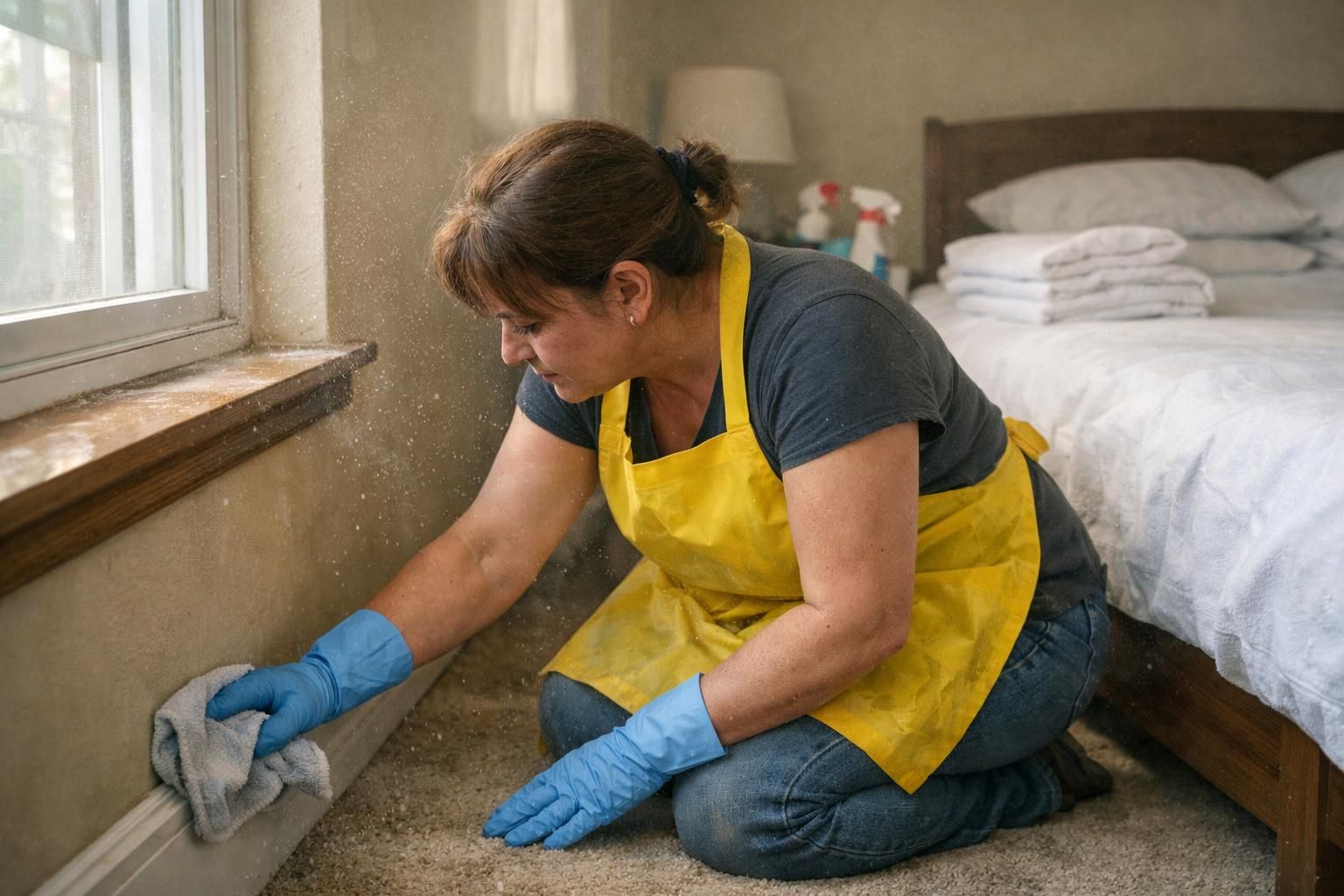
Spring cleaning means a deep home scrub that goes beyond the usual wipe down and vacuum pass.
Definition and purpose of spring cleaning
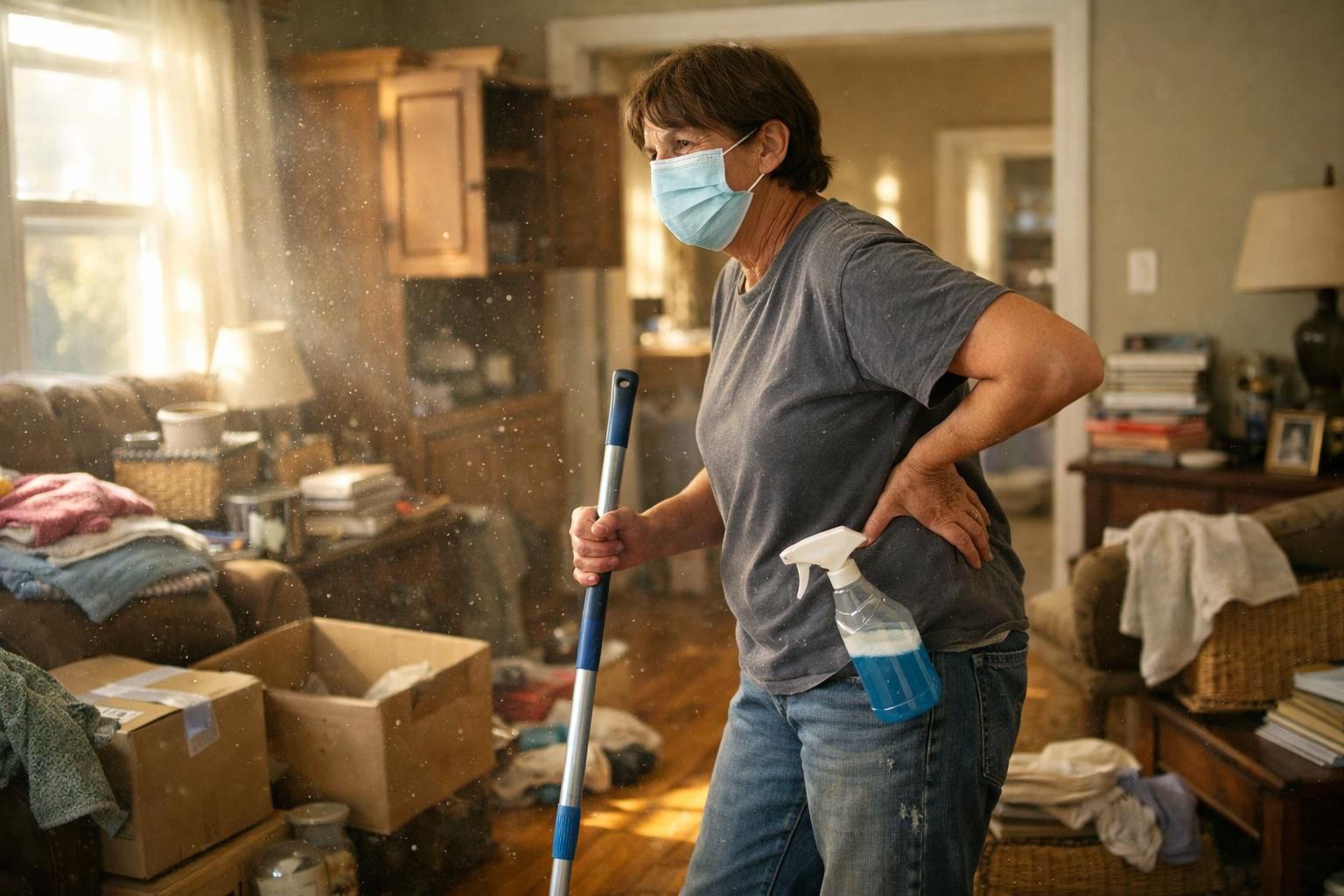
Regular cleaning handles the visible mess. Spring cleaning goes deeper by tackling the places families skip during busy weeks, such as baseboards, mattress covers, vents, ceiling fans, window tracks, under furniture, and stuffed toys.
That deeper pass matters because pollutants settle where daily routines cannot always reach. For homeowners and parents, the real purpose is simple: remove what is irritating the home, restore order, and make the next few months easier to manage.
- Health: remove dust mites, pet dander, pollen, and mold-prone buildup.
- Comfort: freshen bedrooms, bathrooms, and shared family spaces.
- Function: clear storage areas so daily tasks take less effort.
- Prevention: spot leaks, loose rugs, expired supplies, and other hidden safety hazards before they become bigger problems.
The tradition and its seasonal significance

Spring cleaning has practical roots as well as emotional ones. Before electric lighting and modern heating, winter left homes coated with soot from wood, coal, kerosene, and oil lamps, so a major scrub once the weather broke was almost mandatory.
The tradition also shows up in seasonal rituals like Passover preparations and Nowruz, the Persian New Year custom known as khaneh-tekani, or “shaking the house.”
The Physical Benefits of Spring Cleaning
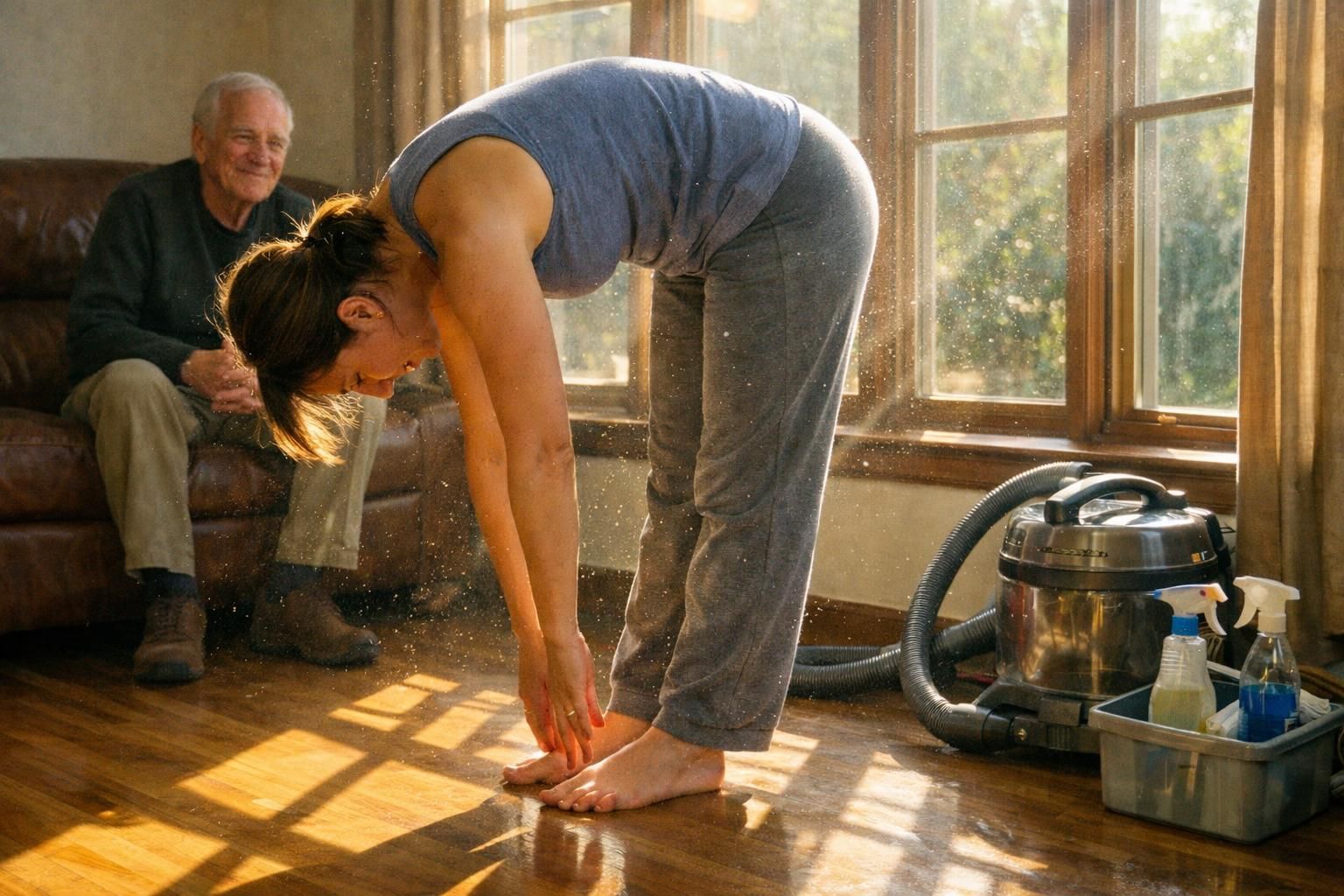
Spring cleaning supports physical health in two clear ways. It lowers exposure to allergens that can irritate the lungs, and it turns household chores into useful movement that gets the body out of a sedentary winter pattern.
Families do not need a fancy plan to get the benefit. A HEPA vacuum, a damp cloth, washed bedding, and a few careful lifting and stretching habits can make a noticeable difference.
Reduces allergens and improves air quality
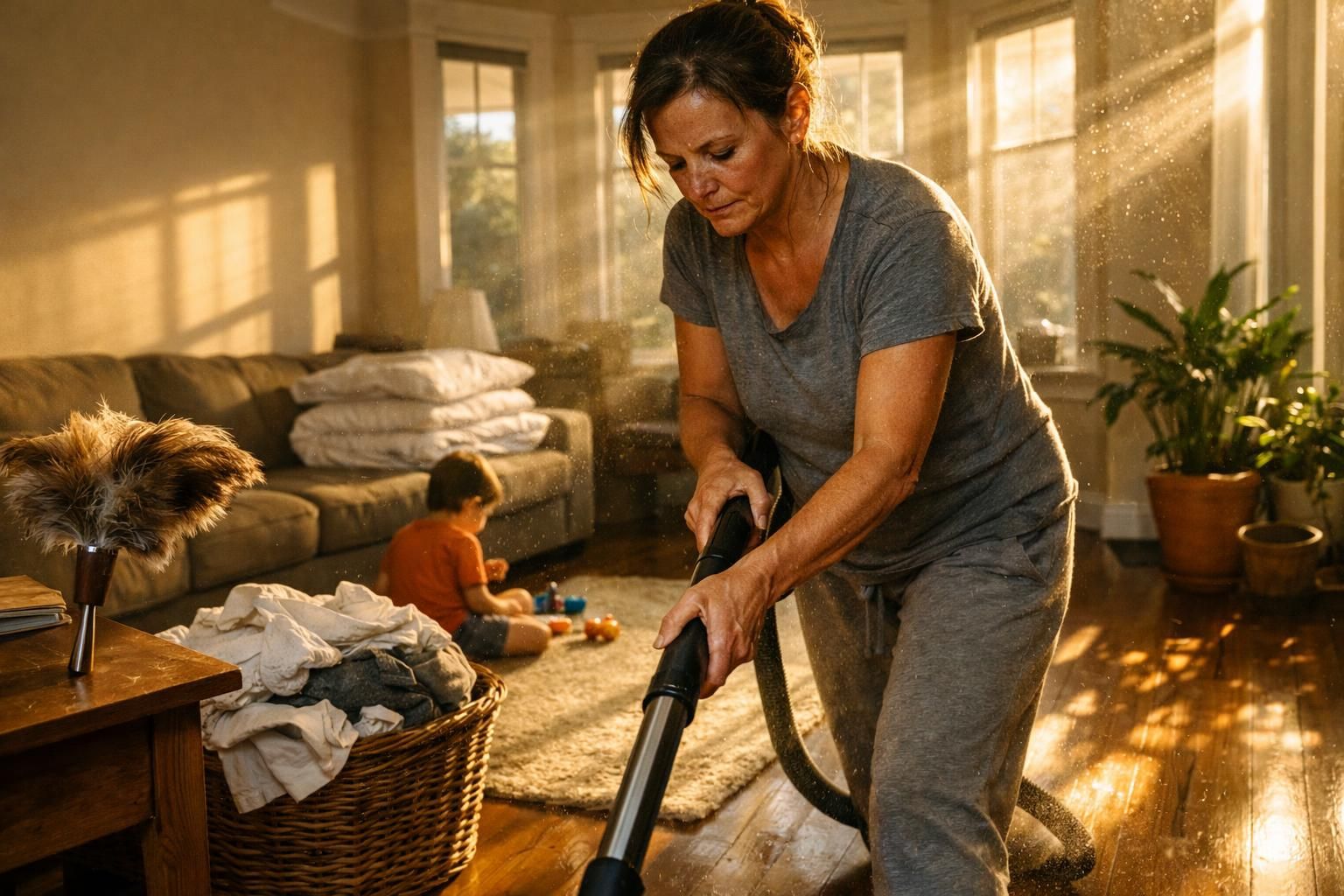
Dust is rarely just dust. It often includes skin flakes, dust mites, pollen, pet dander, and bits of outdoor grime carried in on shoes, backpacks, and paws.
One of the smartest moves is to stop stirring those particles back into the air. The American Lung Association and American Heart Association both recommend damp dusting or using microfiber instead of a dry cloth, because dry dusting tends to send irritants floating again.
- Wash sheets and pillowcases first, so bedrooms improve fast.
- Vacuum rugs and upholstered furniture with a HEPA filter.
- Use mattress and pillow covers if dust mites are a recurring problem.
- Leave shoes at the door to cut down on outdoor debris and bacteria.
Lowers risk of respiratory issues and asthma attacks
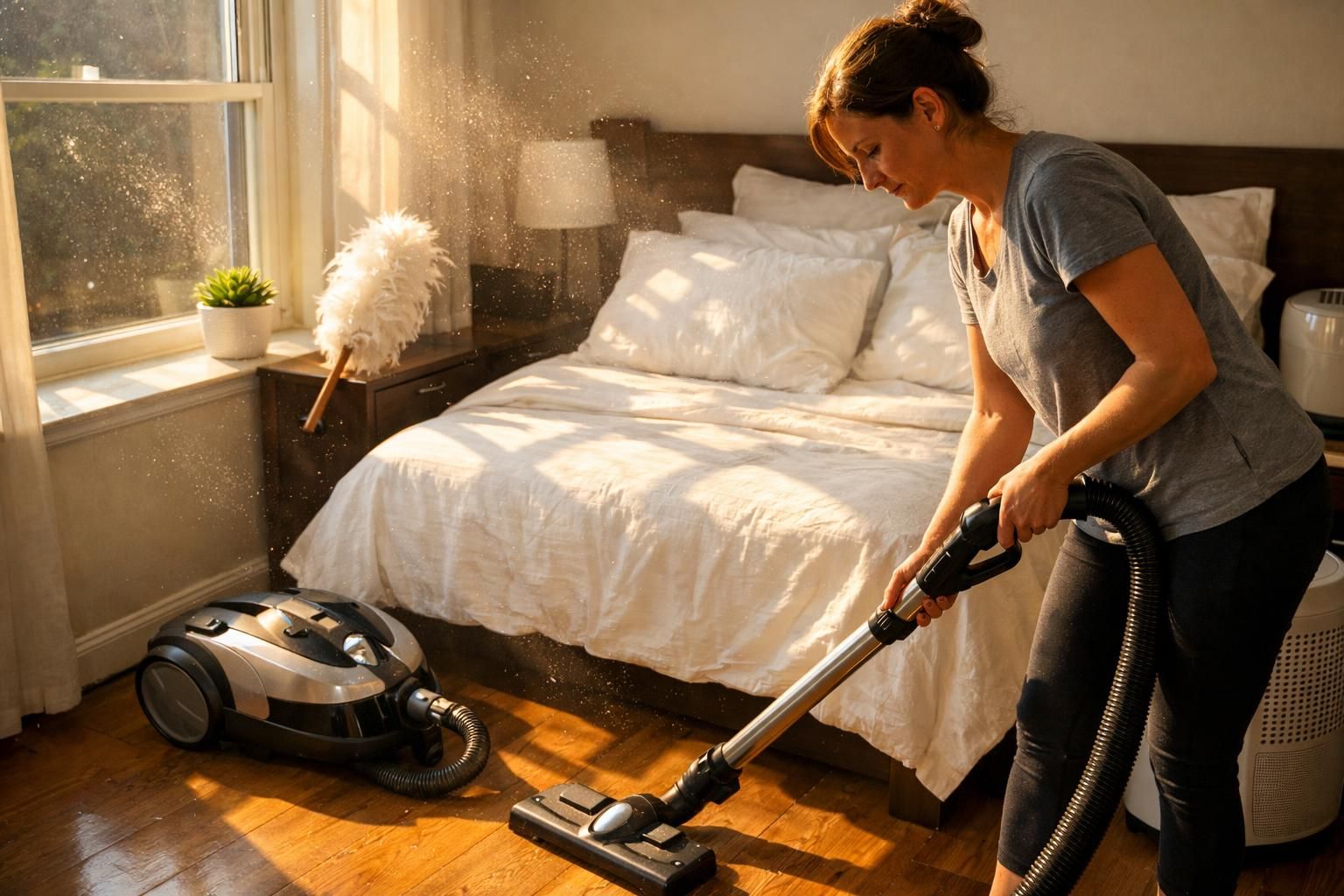
For homes dealing with asthma-attack triggers, spring cleaning becomes more than a comfort project. The CDC’s latest asthma tables show that about 26.8 million Americans were living with current asthma, so reducing indoor triggers is not a minor issue for many families.
The most effective targets are the bedroom and soft surfaces. The CDC advises washing bedding weekly, vacuuming regularly with a HEPA-equipped machine, and keeping relative humidity around 30% to 50%, because dust mites and mold thrive when moisture stays high.
Cleaning products matter too.
Helps burn calories and promotes physical activity
Spring cleaning also works as a practical workout, especially for adults who spend much of the day sitting. It may not replace a walk, bike ride, or gym session, but it does raise daily movement and helps break up sedentary time.
In its spring cleaning guidance, the American Heart Association shared estimates based on sports medicine data for a 170 pound adult. That gives homeowners a more realistic picture of how much effort common chores actually take.
| Task | Approximate calories burned in 15 minutes | Why it helps |
|---|---|---|
| Dusting or polishing furniture | 47 | Light movement that gets the body off the couch and into motion. |
| Moderate vacuuming | 67 | Adds steady movement, arm work, and short bursts of walking. |
| Heavy cleaning, such as windows or garage work | 71 | Pushes heart rate higher and feels closer to a light workout. |
That is why a 30 minute cleaning block can genuinely boost energy levels. For parents especially, it is one of the easiest ways to turn necessary household chores into exercise that still gets the house cleaner.
The Mental Health Benefits of Spring Cleaning

Clutter is not just a visual problem. Work linked to the Journal of Neuroscience and current sleep research helps explain why crowded spaces can make attention feel scattered and rest feel less satisfying.
That is why spring cleaning often improves mental health before the whole house is finished. Even a single cleaned room can feel like the mind finally has somewhere quiet to land.
Reduces stress and promotes relaxation
Stress often rises when the home keeps sending unfinished signals. A pile of laundry, a packed counter, and toys on the floor all compete for attention, even when no one is actively dealing with them.
A 2010 UCLA study on family homes found that mothers who described their homes as cluttered showed higher stress-related cortisol patterns.
Boosts mood through the sense of accomplishment
Few things lift mood faster than finishing a task that has been hanging around for weeks. Spring cleaning works well here because the results are easy to see, which makes progress feel real instead of abstract.
The trick is to make the win obvious. One cleared nightstand, one folded linen shelf, or one cleaned entry bench is often enough to create momentum for the next job.
- Start with the smallest area that looks messy every day.
- Use a timer for 15 to 20 minutes instead of waiting for a free afternoon.
- Keep a donation bag nearby so clutter leaves the room immediately.
- Stop after one completed zone, because stopping on a win makes it easier to start again tomorrow.
Enhances focus and mental clarity by decluttering
Focus gets easier when the environment asks less from the brain. A 2011 Princeton neuroscience line of research showed that when multiple visual items compete for attention, the brain has to work harder to select what matters.
That is why a cleaner kitchen counter can make meal prep feel simpler, and why a tidier desk can make remote work less draining. Decluttering does not have to mean a minimalistic life, it just means making sure the things in view match the task at hand.
- Kitchen: keep only daily-use appliances on the counter.
- Entryway: limit the drop zone to shoes, keys, bags, and mail.
- Play area: rotate toys instead of storing everything in sight.
- Home office: clear the desk at the end of each day so work can start faster the next morning.
How Spring Cleaning Improves Productivity
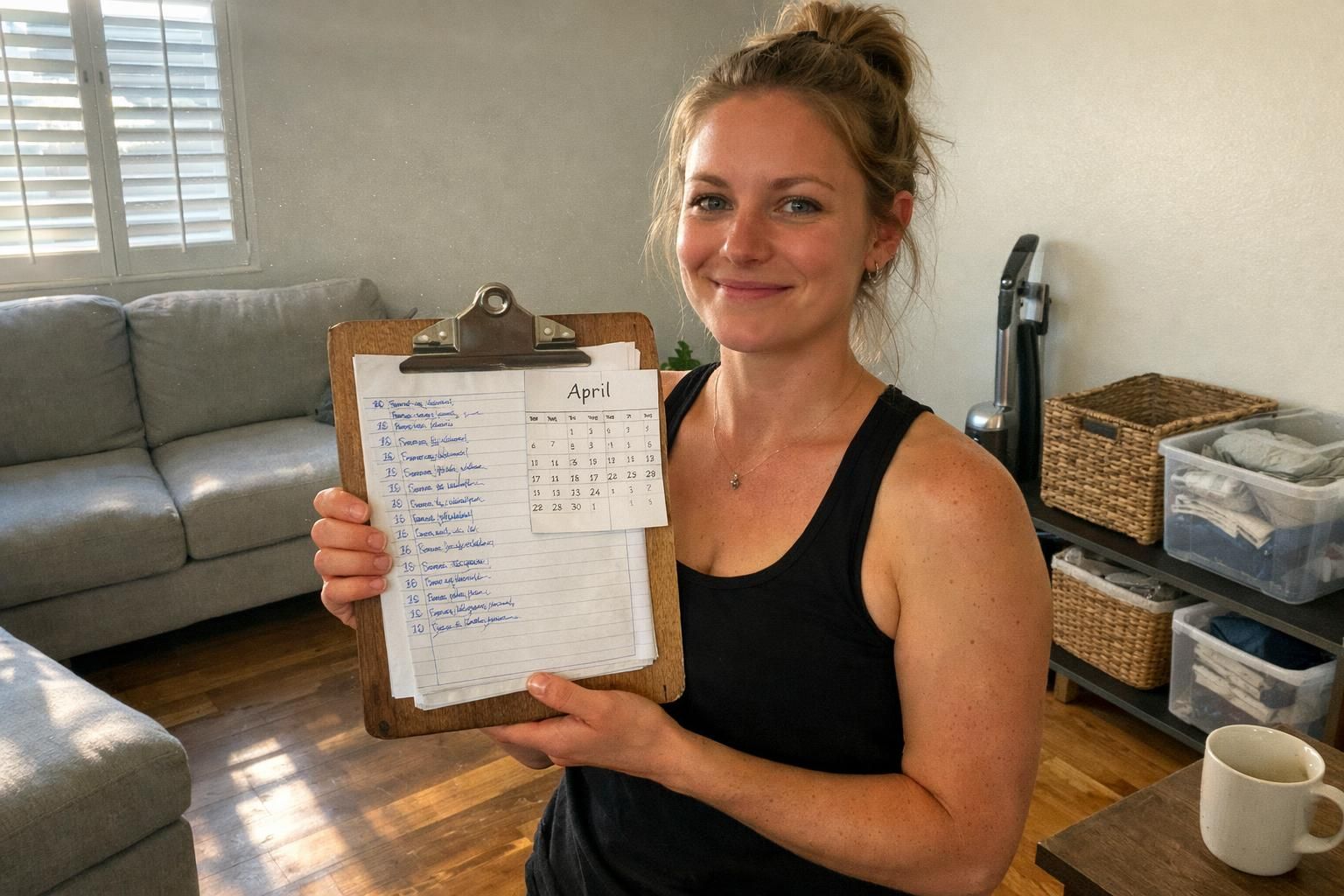
Productivity at home rarely depends on motivation alone. It depends on whether the house makes basic tasks easy, or whether every task starts with hunting for shoes, charger cords, lunch containers, or clean towels.
Spring cleaning helps by reducing those tiny points of friction. When the home flows better, routines speed up almost on their own.
Creates an organized and efficient living space
An efficient home gives every busy item a place. That matters most in high-traffic family zones, where the same objects get used and dropped multiple times a day.
The easiest way to create order is to build the room around behavior, not around decoration. Families do better when the things they reach for every day live where they are actually used.
| Zone | What belongs there | Why it works |
|---|---|---|
| Entryway | Shoes, keys, backpacks, pet gear | Stops clutter before it spreads across the house. |
| Laundry area | Hampers, stain remover, lost sock bin | Makes wash cycles faster and easier to finish. |
| Kitchen command spot | Calendar, school papers, pens, chargers | Keeps family logistics in one easy-to-check place. |
Saves time by reducing clutter and finding items easily
Most people do not notice how much time clutter steals because it disappears in tiny bursts. A minute looking for scissors, three minutes searching for the tape, five minutes rechecking the closet for the soccer bag, it adds up fast.
The spring cleaning payoff comes when those repeats shrink. Clear bins, simple labels, and one home for frequently used items reduce the daily search cycle that makes routines feel longer than they need to be.
Sleep plays a part here too. In the 2025 Sleep in America poll, the National Sleep Foundation found that better sleep health was closely tied to stronger productivity at work and at home, which makes a cleaner, calmer bedroom more than a cosmetic upgrade.
Increases energy levels and motivation
A messy room can make the next task feel bigger than it is. A tidier room does the opposite, because it lowers the visual drag that often makes people feel stuck before they begin.
Physical movement helps as well. Cleaning gets the body moving, boosts circulation, and creates the sort of visible progress that can wake up motivation on a low-energy day.
- Use a 30 minute sprint for bigger jobs.
- Pair one active task with one easy task, such as vacuuming first and folding later.
- End by resetting one surface so the room feels finished.
- Keep supplies in a single caddy to avoid losing momentum mid-task.
Spring Cleaning for Safety and Hygiene
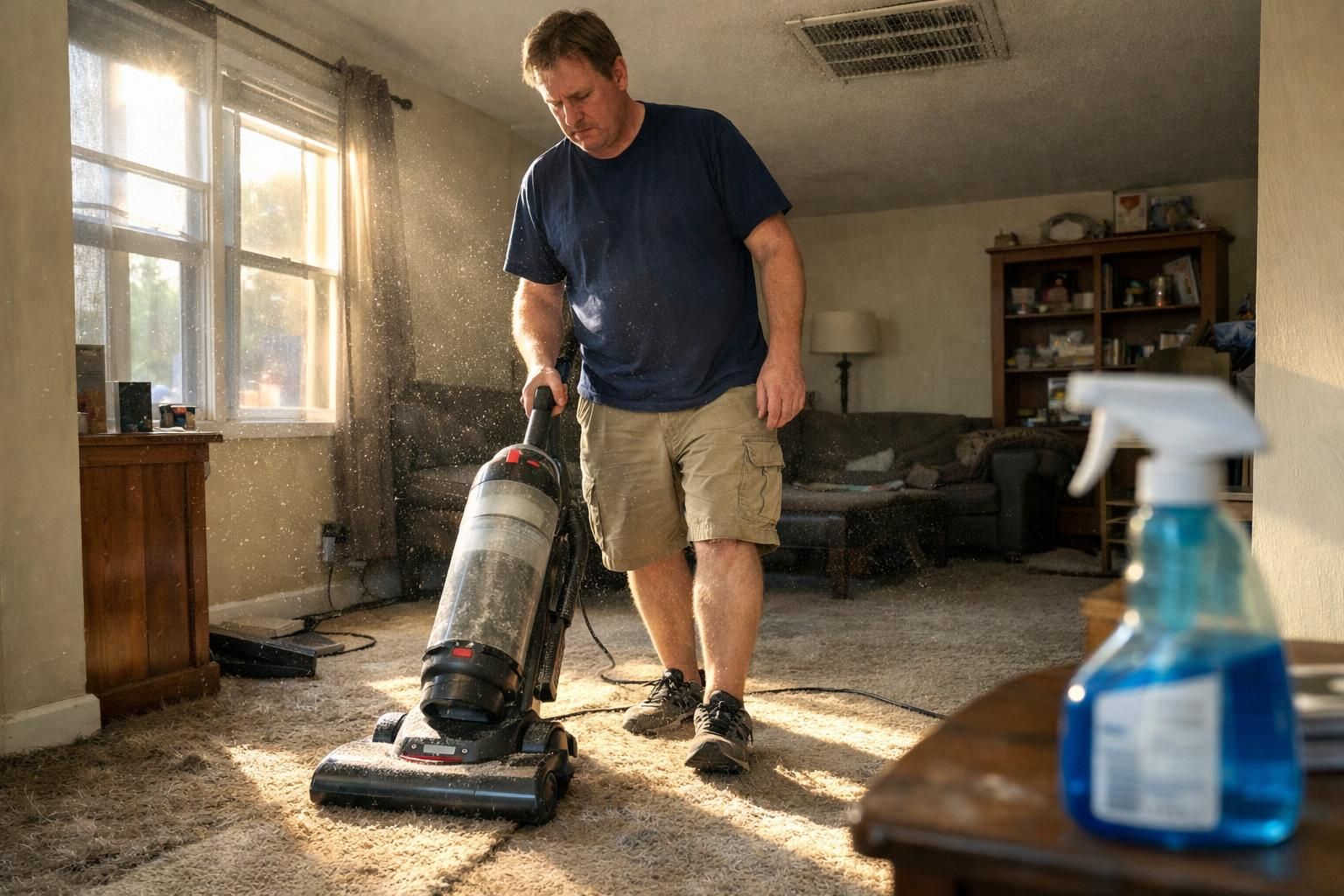
A cleaner home is usually a safer home. Spring cleaning gives families a chance to remove what is unhealthy, spot what is broken, and fix the little hazards that are easy to ignore during a busy season.
Removes hidden hazards such as dust and mold
Some of the biggest irritants in a house are the ones people do not see every day. Dust behind beds, moisture around windows, dirty vent covers, and forgotten bathroom corners can quietly build into bigger air quality problems.
For homes managing allergies or asthma, the best gains usually come from the least glamorous jobs. A HEPA vacuum, washed bedding, cleaned vents, and moisture control do more than scented sprays ever will.
- Check under sinks for slow leaks and soft cabinet wood.
- Wipe bathroom exhaust covers and kitchen vent grilles.
- Wash shower liners, bath mats, and pet bedding.
- Inspect windowsills and basement corners for dark spotting or musty odor.
Reduces risks of falls and injuries
Clutter does more than look messy. It narrows walkways, hides cords, bunches rugs, and turns stairs into places where a rushed step can go wrong.
The latest CDC fall data shows that more than 14 million adults age 65 and older report falling each year, and about 37% of those who fall report an injury that required medical treatment or restricted activity.
| Common hazard | Fast fix |
|---|---|
| Loose rugs | Add non-slip backing or remove them from main paths. |
| Extension cords in walkways | Reroute them behind furniture or secure them along the wall. |
| Dim hallways and stairs | Install brighter bulbs and add night lights. |
| Shoes, toys, or baskets on floors | Create one drop zone instead of several mini piles. |
Encourages cleanliness to prevent disease
Spring cleaning is a good time to separate cleaning from over-disinfecting. The CDC updated its home hygiene guidance in June 2025 and noted that disinfecting to reduce disease spread at home is likely not needed unless someone is sick or has recently been in the home while sick.
That means most families should clean first and clean well. Soap, water, regular household cleaner, fresh towels, and handwashing handle everyday messes, while disinfectants are better saved for high-risk situations and high-touch surfaces during illness.
Environmental Benefits of Spring Cleaning
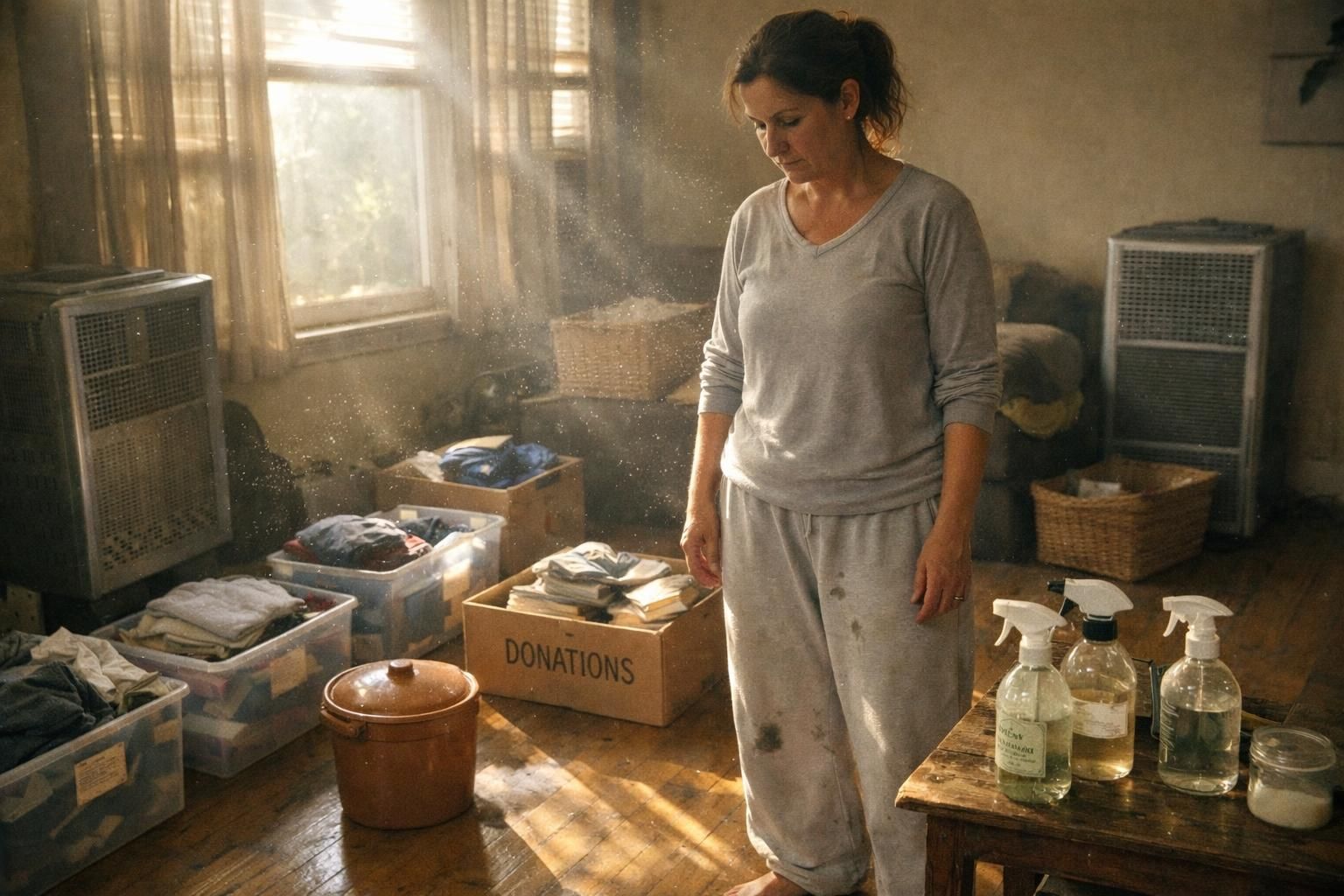
Spring cleaning can also shrink waste. When families sort carefully instead of tossing everything into one trash bag, they keep usable goods in circulation and cut down on what goes to the landfill.
Promotes recycling and reducing waste
The best decluttering plan uses more than one exit door. Some items should be donated, some recycled, some repaired, and only the truly unusable ones should be thrown away.
Goodwill’s current donation guidance lists clothing, household goods, and electronics among the items many locations can take, though local rules vary.
- Donate clean, working clothing, bedding, and small household goods.
- Recycle paper, cardboard, metal, glass, and accepted plastics locally.
- Use approved drop-off programs for electronics, batteries, and cords.
- Compost food scraps and yard waste where local collection is available.
Encourages sustainable cleaning practices
Greener cleaning usually comes down to three habits: using less product, choosing safer formulas, and reusing durable tools. That lowers chemical exposure inside the home and cuts packaging waste at the same time.
As of March 2026, the EPA’s Safer Choice program listed nearly 2,000 certified products, which gives families a practical shortcut when they want effective cleaners with stricter ingredient screening.
| Smarter choice | Best use | Why it helps |
|---|---|---|
| Microfiber cloth | Dusting and counters | Traps particles well and can be washed many times. |
| Refillable bottle with liquid cleaner | Bathrooms and kitchens | Uses less packaging and avoids airborne overspray. |
| EPA Safer Choice product | Routine home cleaning | Offers a simpler way to pick products screened for safety and performance. |
Tips for Effective Spring Cleaning
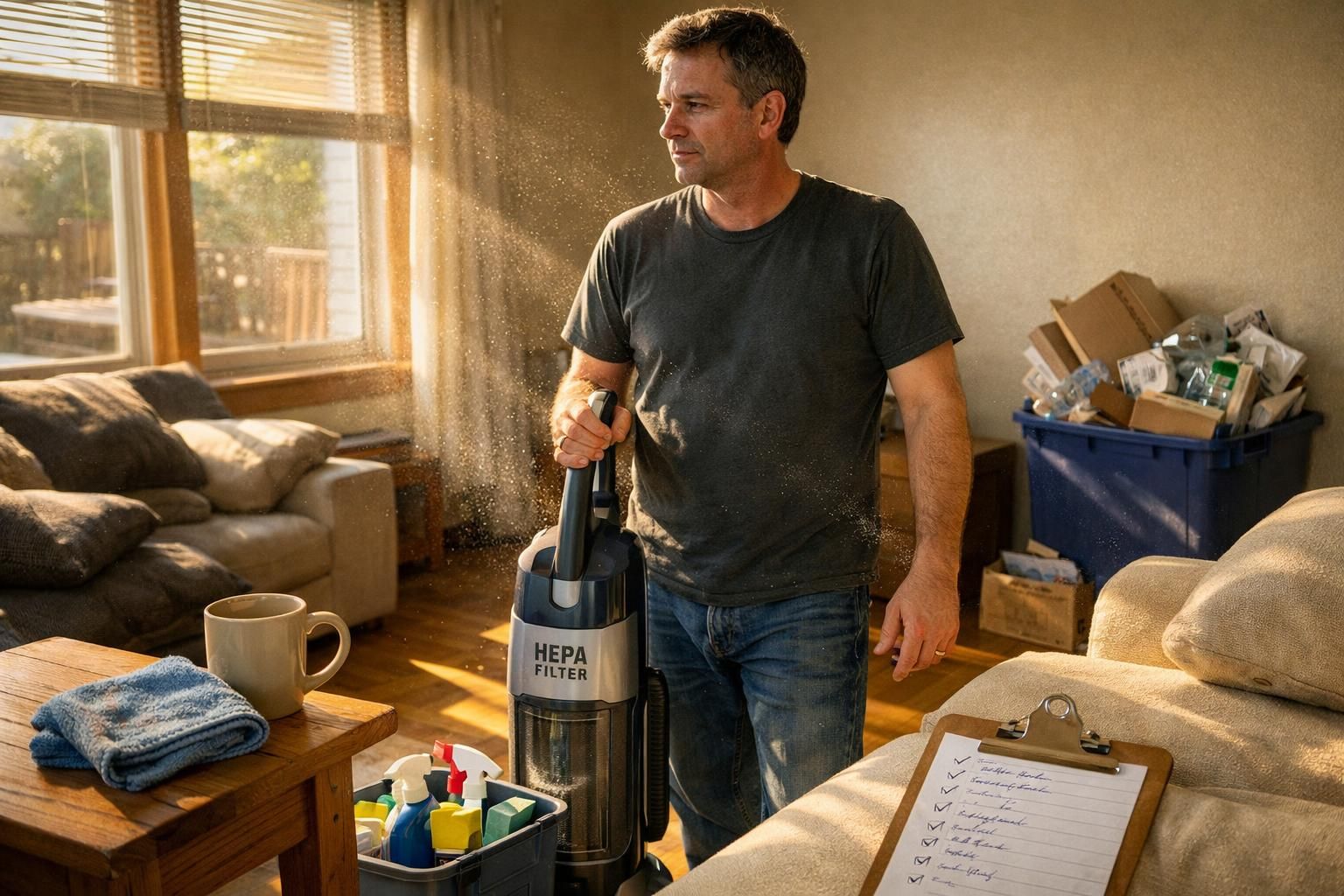
The easiest spring cleaning plan is the one a family can actually finish. A simple checklist, the right tools, and a one-area-at-a-time approach keep the job useful instead of overwhelming.
Create a cleaning checklist
A checklist turns a vague project into a set of visible steps. That matters because big cleaning goals often fail when no one knows what “done” is supposed to look like.
The best list breaks the house into rooms, then breaks each room into quick tasks, deeper tasks, and donation decisions. That way even a 20 minute session can move the house forward.
- Start with bedrooms, because cleaner bedding and floors bring the fastest comfort.
- Move to bathrooms, where moisture and germs build up quickly.
- Tackle the kitchen next, especially the fridge, pantry, and high-touch handles.
- Finish with living areas, entryways, and storage spots that collect everyday clutter.
- End by taking out trash, donations, and recycling on the same day.
Use eco-friendly cleaning products
Eco-friendly cleaning works best when families keep it simple. The goal is not to buy a huge new set of supplies; it is to choose cleaners that do the job well without adding unnecessary fumes or waste.
One practical tip from lung health experts is to spray the cloth instead of the air or surface whenever possible. That lowers what gets inhaled, uses less product, and still handles routine dirt on counters, shelves, and fixtures.
- Choose fragrance-free or low-fragrance formulas for sensitive households.
- Look for the EPA Safer Choice label when buying new products.
- Use microfiber cloths and washable mop pads instead of disposable wipes for everyday jobs.
- Save disinfectants for sick-room cleanup or other high-risk situations.
Tackle one area at a time
Trying to clean the whole house at once is what makes spring cleaning feel impossible. One room, one zone, or even one drawer is enough when the goal is steady progress.
A single-area plan also helps parents clean around real life. It is easier to finish a bathroom vanity before school pickup than to start five rooms and complete none of them.
- Pick one area.
- Set a 15 to 30 minute timer.
- Throw away trash first, then gather donations, then clean.
- Stop after the reset is visible, and schedule the next area for another day.
Conclusion

Spring cleaning gives a home cleaner air, clearer paths, and a calmer rhythm.
With a HEPA vacuum, freshly washed bedding, and a short checklist, homeowners and parents can cut allergens, support mental health, and make household chores feel lighter. A few focused sessions are often enough to bring back order, better energy levels, and peace of mind.
Reflect on your home environment and identify one area that benefits most from a deep clean. Write down steps to improve your space and note changes over time.
FAQs
1. Why is spring cleaning important?
Spring cleaning clears clutter, freshens your home, and cuts allergens. Think of it as a fresh start.
2. What health benefits come from spring cleaning?
It reduces dust and allergens that harm breathing. It also limits microbial growth on surfaces.
3. How does spring cleaning cut stress and boost productivity?
A tidy space clears the mind and helps you focus. Removing clutter makes tasks faster and feels like lifting a weight.
4. How often should I do spring cleaning and what should I focus on?
Do a deep clean once a year, with quick touch ups each month. Focus on declutter, high use spots, and small repairs, and start with one room and simple cleaning tools.
Disclaimer: This content is for informational purposes only and is not a substitute for professional medical advice. Disclosure: This article may include affiliate links.