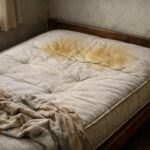
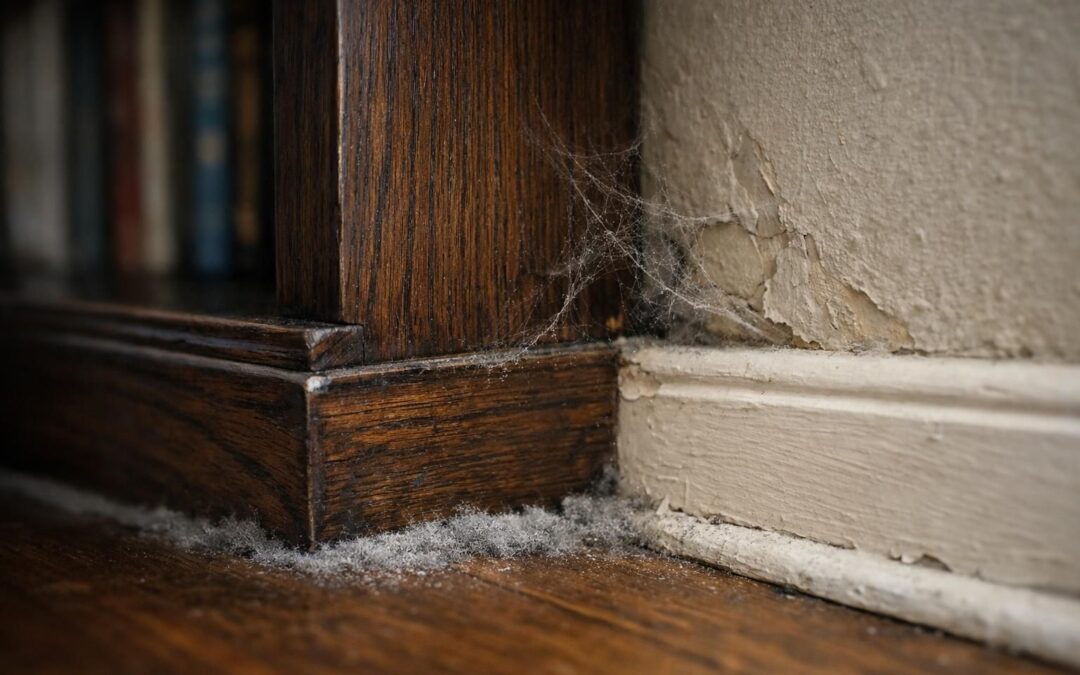
Does it feel like dust returns the day after house cleaning? Kitchens shine, bathrooms sparkle, and living rooms look tidy, yet the same corners keep getting grimy. Even with the best cleaning products and a trusty microfiber cloth, people skip small areas.
Hidden mess settles behind furniture, under appliances, and along door frames. Reddit users often call out baseboards, washing machines, and toothbrush holders as repeat offenders. These spots collect dirt and moisture over time, which can affect allergies and overall air quality.
This guide highlights those sneaky places and offers simple fixes with a vacuum cleaner, microfiber cloths, baking soda paste, and other basic tools. With a few smart habits, small messes will not grow into big ones.
Ready to outsmart the grime that hides in plain sight? Keep reading for quick wins and low-effort upgrades.
Key Takeaways
- Baseboards, door frames, ceiling fans, and spaces under furniture are dust magnets that often go untouched during routine cleaning.
- High-touch items like TV remotes, light switches, doorknobs, and appliance handles spread germs fast without regular disinfection.
- Kitchen and bath culprits include range hood filters, drains, dishwashers, washing machines, showerheads, grout lines, and toothbrush holders.
- Simple tools work best: microfiber cloths, vacuum crevice tools, vinegar for mineral stains, and baking soda paste for tough buildup.
- Consistent attention to overlooked areas helps reduce allergies and slow germ transfer, a tip echoed by Reddit users and pros.
Consider preparing a printable cleaning checklist to track these tasks. This simple tool can assist you in ensuring no area is overlooked during deep cleaning sessions.
Commonly Missed Areas in the Kitchen
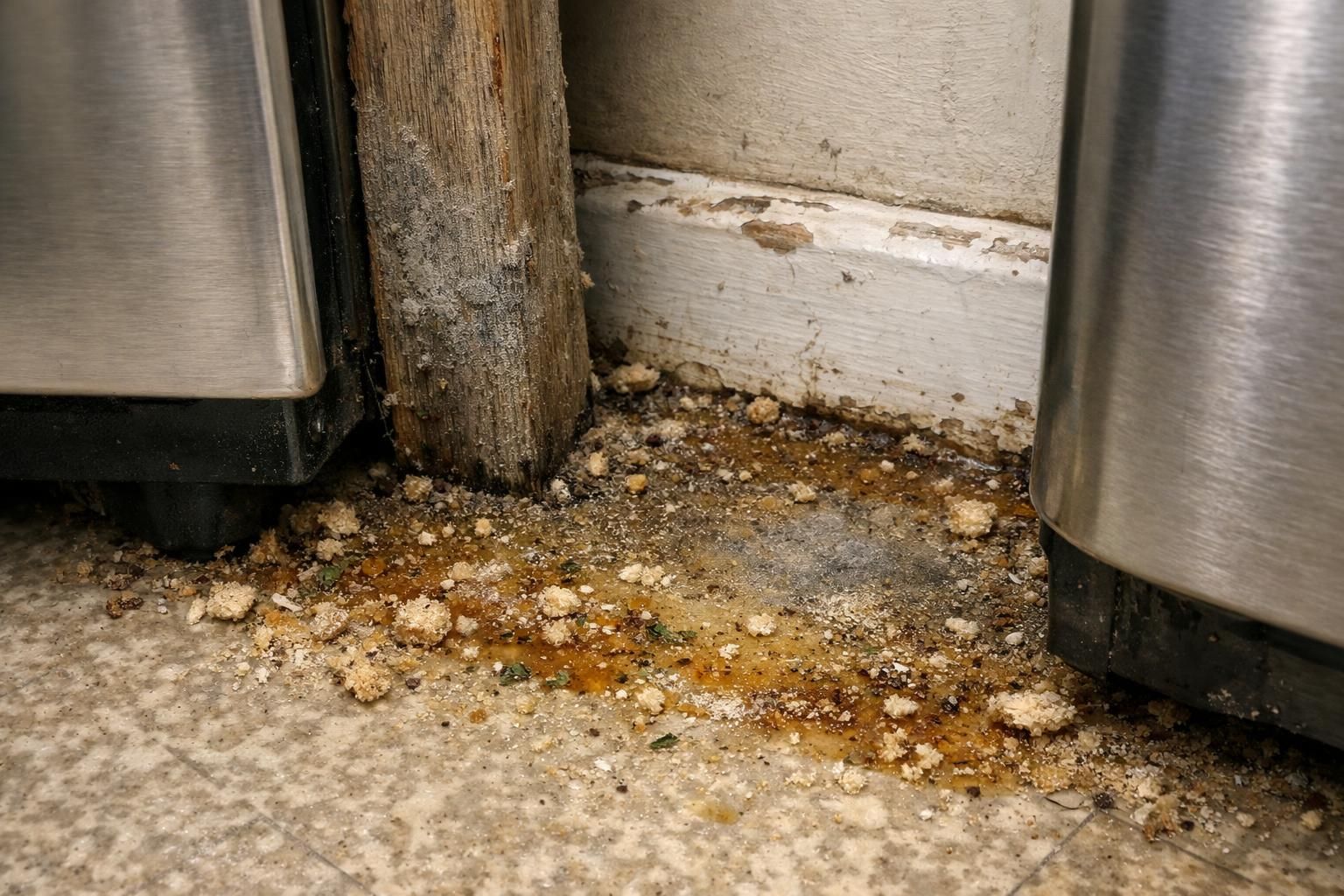
Crumbs and grease play hide-and-seek where eyes rarely go. Even smart cleaning tools can skip these kitchen trouble spots.
Above Cabinets and Refrigerator
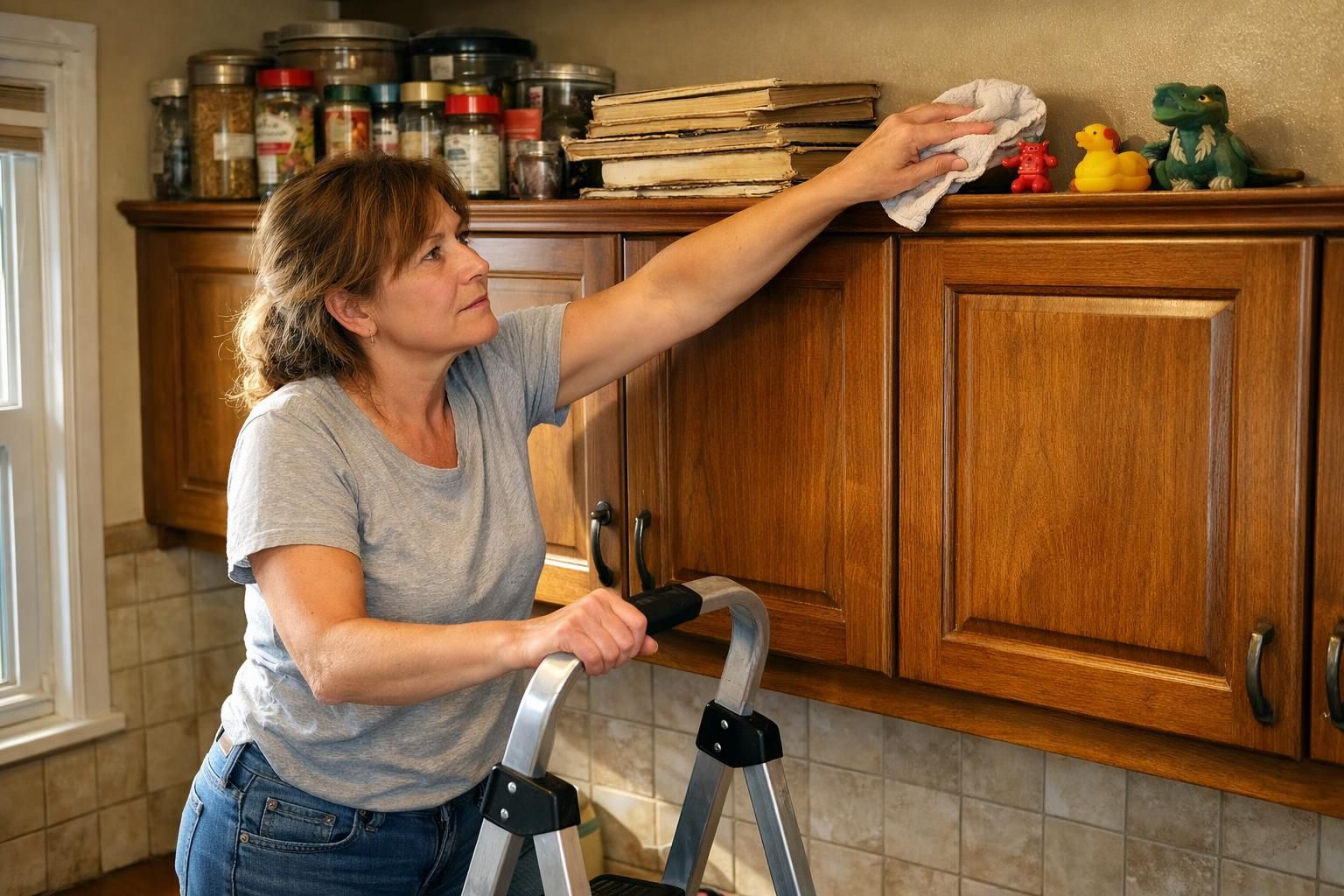
Dust settles fast above cabinets and the refrigerator. Height makes these shelves easy to forget. Grease from cooking mixes with dust and turns sticky.
A step ladder and a damp microfiber cloth handle most buildup. For thick grease, use a degreaser or diluted dish soap. Some folks even find lost coins or toy cars up there during deep cleaning stops.
Regular wipe-downs help cut allergens and keep good housekeeping habits on track.
Behind and Under Appliances
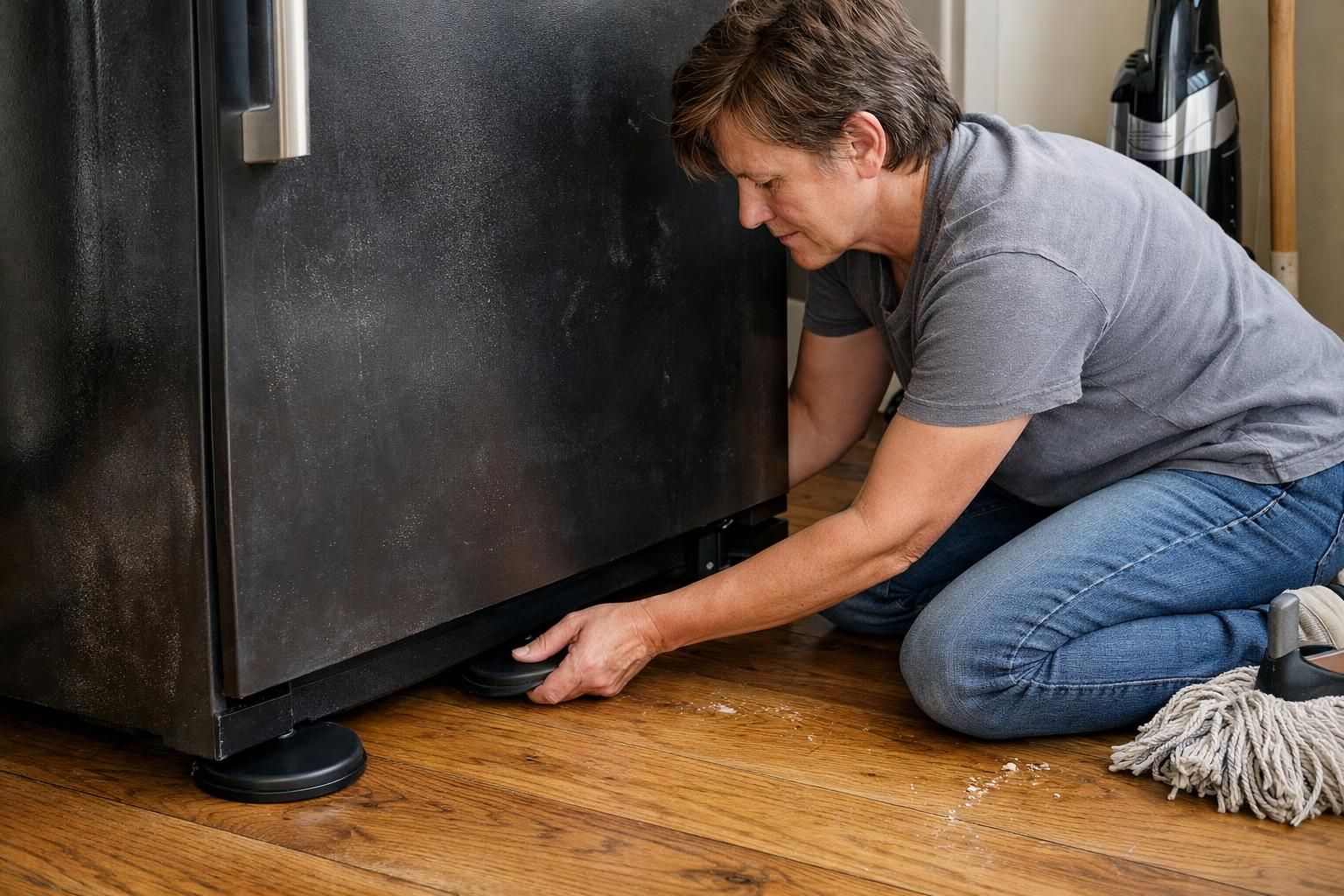
Food bits, grease, and dust love the space behind fridges, stoves, and microwaves. Dishwashers build a fine lint line along walls and floors. These zones often hide sticky spills and missing kids’ toys.
Use furniture sliders to move heavy appliances once a month. Unplug first for safety. Vacuum the edges and floor, then mop with hot soapy water. Stubborn spots may need a stronger cleaner.
Do not forget the range hood. Filters on top collect grime and need attention too.
Range Hood Filters and Microwave
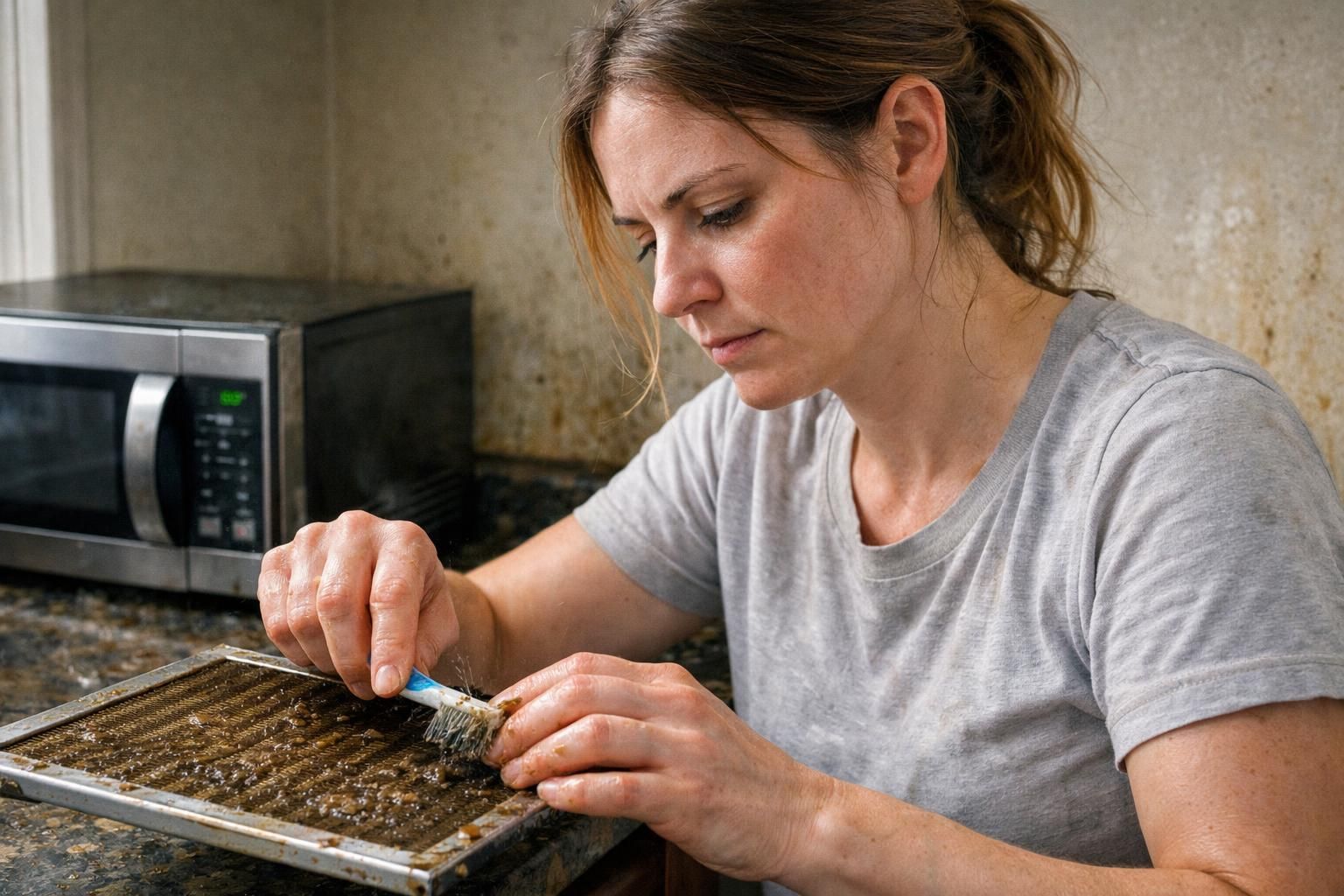
Range hood filters trap grease quickly. If ignored, odor spreads and airflow drops. Soak filters in hot soapy water, then scrub with a soft brush or old toothbrush. Rinse and dry before reinstalling.
Microwaves collect steam and splatter on walls, ceilings, and under the turntable. Loosen grime with a bowl of hot water and vinegar, then wipe with a clean microfiber cloth. For clingy sauce stains, a small amount of bathroom cleaner can help, then rinse with water.

Garbage Disposal and Drains
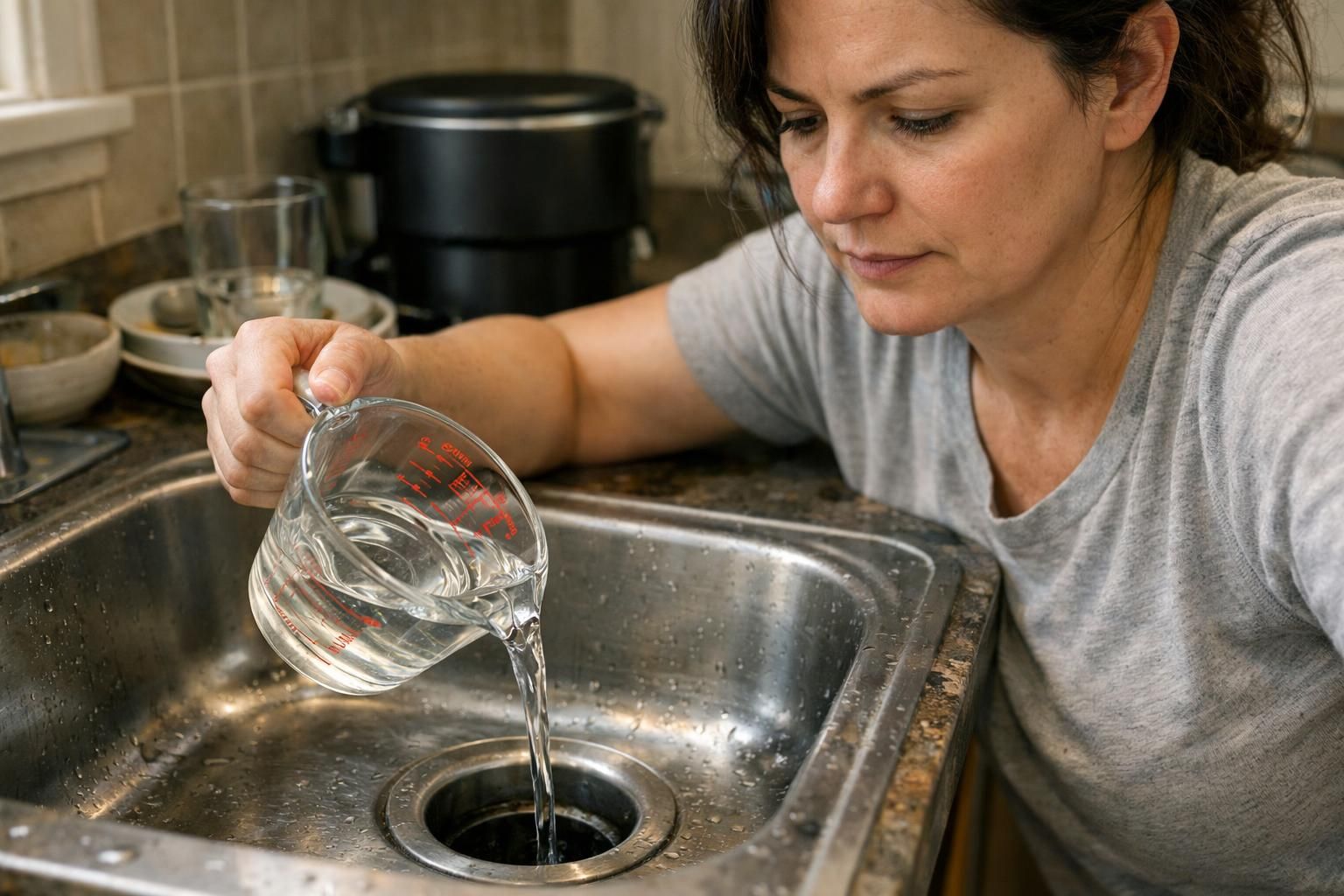
Disposals and drains look clean from the top, but residue clings to the sides. Odors creep up fast. Pour half a cup of baking soda, then add vinegar and let it foam. Flush with hot water after a few minutes.
A monthly refresh keeps the kitchen smelling clean and helps reduce bacteria growth near food prep areas.
Overlooked Spots in Living Areas

Living rooms look tidy at a glance, yet dust hides along low trim and high edges.
Baseboards and Door Frames
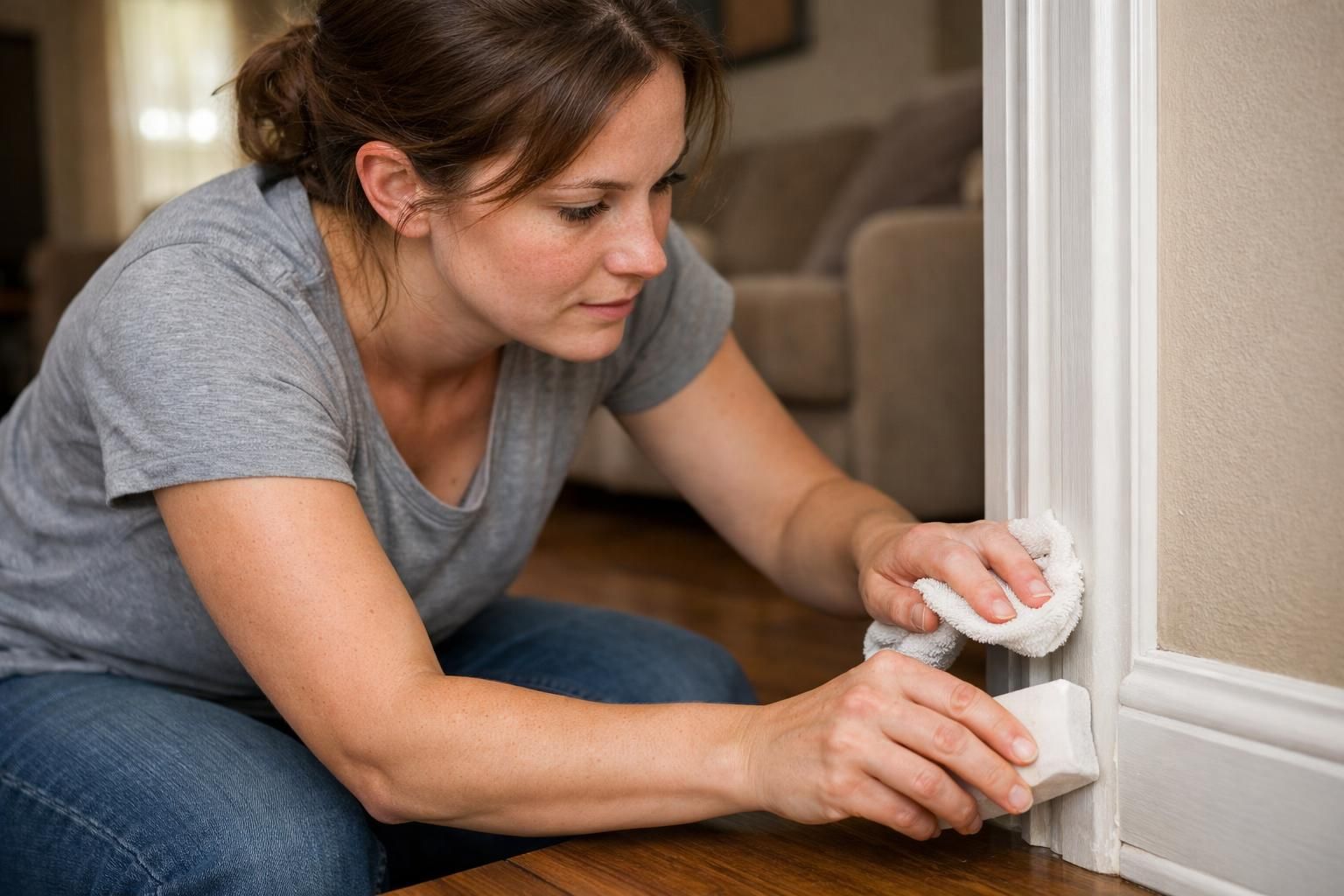
Baseboards catch dust, grit, and pet hair fast, especially in busy rooms and hallways. Most routines skip them. Start with a vacuum brush, then wipe with a damp microfiber cloth and mild soap.
Door frames collect dust along the top edge. Clean these quarterly, or more often if pets shed. For scuffs on painted trim, use a magic eraser or a small dab of baking soda paste. A few minutes makes rooms look freshly cleaned.
Ceiling Fans and Light Fixtures
Eyes look down at floors, not up at fan blades. Dust travels every time the fan spins. That spreads allergens and reduces air quality. Slip a pillowcase over each blade, pull gently, then wipe with a damp cloth.
Light fixtures also trap dust and small insects. Remove globes and wash with warm soapy water. Fabric lampshades respond well to a lint roller or a vacuum brush. Brighter lights make rooms feel cleaner.
Under Furniture
Under couches, recliners, and TV stands, dust bunnies gather with lost remotes and snack crumbs. A quick monthly sweep helps reduce sneezing and keeps air fresher.
Use furniture sliders to move heavy pieces. A vacuum cleaner with a long hose or crevice tool reaches deep into corners. Follow with a microfiber cloth to grab what the vacuum misses.
Window Blinds and Curtains
Blinds and curtains are quiet dust traps. Slats collect fine particles, and fabric holds pollen from open windows. Allergy symptoms often rise if these stay dirty.
Wipe blinds with a damp microfiber cloth or a blind tool. Vacuum drapes regularly, or machine wash them in spring and fall if the label allows. Delicate fabrics may need specialty care. Clean window treatments help rooms smell fresher too.
Neglected Areas in Bathrooms
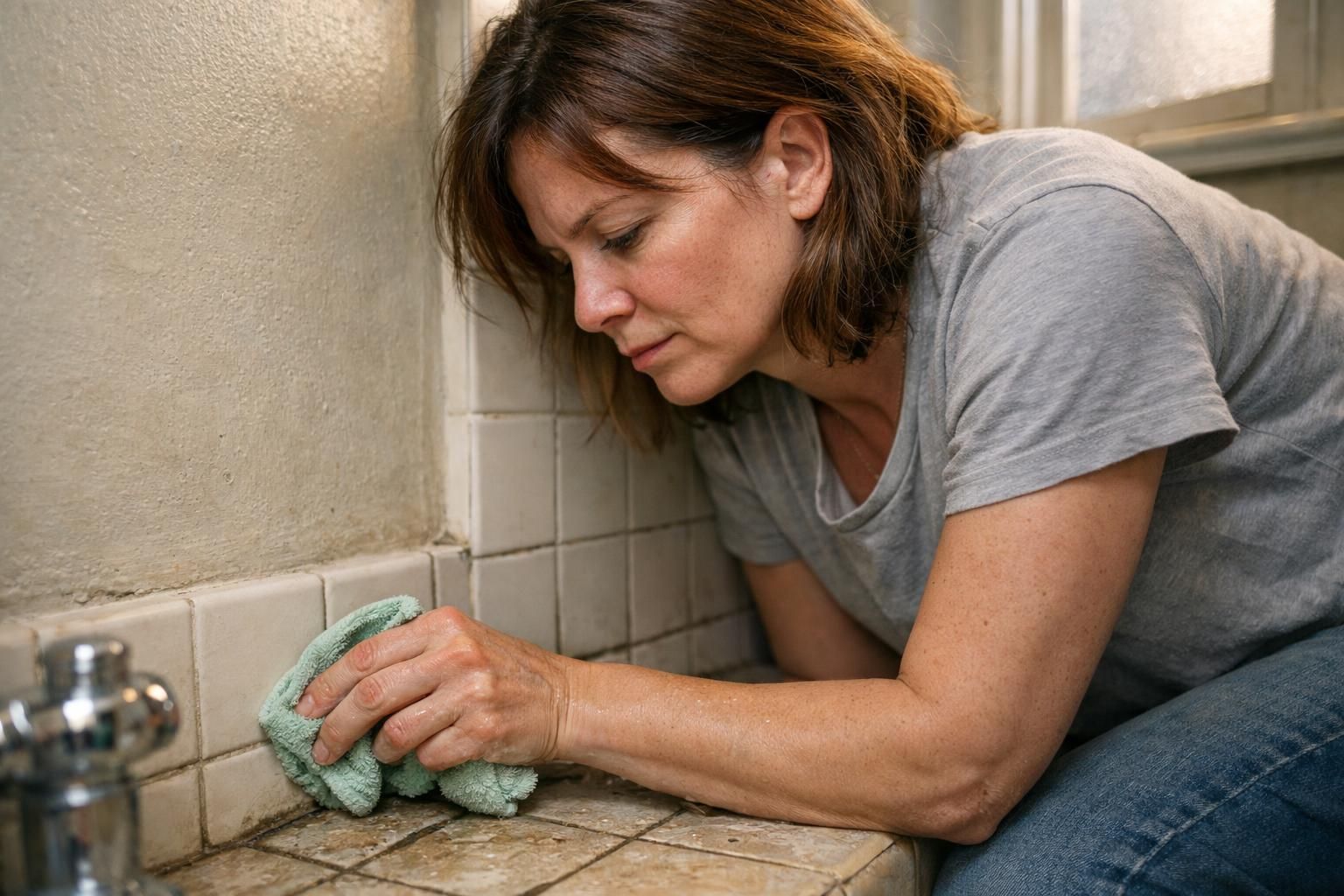
Bathrooms hide grime like a card trick. Soap scum and moisture settle into corners and crevices.
Behind the Toilet
Behind the toilet sits a dust and lint trap. Hair and drips gather where tools barely fit. Use a long-handled scrub brush with vinegar or bathroom cleaner to reach the back and sides.
If buildup lingers, take off the toilet seat for better access. A baking soda paste can break down stuck grime. Rinse with a microfiber cloth and hot water. A cleaner back area makes the whole bathroom smell better.
Showerheads and Grout
Showerheads clog with hard water, which is mineral buildup from calcium and magnesium. Soak the head in vinegar for an hour to loosen deposits. Wipe with a cloth or brush to restore spray strength.
Grout, the lines between tiles, absorbs dirt and soap scum. That encourages mold and raises allergy risks. Spray a bathroom cleaner on grout, scrub with a brush, then rinse. Baking soda paste helps with stubborn stains.
Toothbrush Holders
Toothbrush holders sit wet and warm, a perfect place for bacteria. Wash holders weekly with hot soapy water or a vinegar solution. Disinfecting wipes also work for fast cleanups. For stains, a bit of baking soda paste clears the gunk without harsh scrubbing.
Bath Mats
Bath mats soak up water and dirt every day. Without frequent washing, they smell musty, and bacteria spread. Cotton mats usually handle a hot machine wash each week.
For rubber-backed mats, scrub gently with baking soda paste and rinse well. Clean mats keep feet happy and stop moisture from sneaking into corners.
Forgotten High-Touch Surfaces

Germs love the things hands touch all day. A quick wipe here stops a lot of sharing nobody wants.
TV Remotes and Game Controllers
Remotes collect skin oils, snack dust, and germs fast. Since everyone uses them, they rank among the dirtiest items in a home. Many families forget to disinfect until buttons feel sticky.
Wipe weekly with disinfecting wipes or alcohol-based electronics-safe wipes. A microfiber cloth lifts grime from rubber buttons without scratching. Keep a small pack by the couch for quick touch-ups.
Light Switches and Doorknobs
Like remotes, switches and doorknobs get touched all day. They can hold more bacteria than people expect. Quick wipes once or twice a week help limit spread during cold season.
Use disinfecting wipes or a cloth dampened with mild detergent. Teach kids to help with safe wipes. Small habits here support a healthier home.
Handles on Appliances
Fridge doors, oven pulls, and microwave handles pick up oils, flour, and sticky fingerprints. These spots become grime hubs if ignored during routine cleanups.
Clean handles at least weekly. Disinfecting wipes are fast, but spray cleaner on a cloth also works well. Pay extra attention after cooking sessions or big snack raids.
Salt and Pepper Shakers
Shakers get grabbed during every meal, yet rarely get cleaned. Bacteria hide in threads and under caps. Wash caps and bodies with hot soapy water, then dry well.
For greasy buildup, scrub gently with baking soda paste and an old toothbrush. Food-safe cleaners offer extra peace of mind for families with small kids.
Hidden Spots in Bedrooms

Bedrooms feel restful, yet dust piles up in quiet corners and under heavy furniture.
Under the Bed
Under-bed zones hide dust, socks, toy bricks, and hair. Cleaning here monthly or quarterly keeps dust mites in check. Those tiny bugs feed on dust and can worsen allergies.
Use a stick vacuum for reach or a long hose attachment. A quick pass with a microfiber cloth along baseboards finishes the job.
Behind Dressers and Nightstands
Slide big furniture a few inches and you will find a time capsule of lint and lost items. These pockets trap allergens and fine dust that can drift back into the room.
Move pieces at least once each season. Vacuum edges and wipe the wall line with a microfiber cloth. Dust that enters vents can affect the HVAC system, which stands for heating, ventilation, and air conditioning.
Lampshades and Light Bulbs
Dusty shades steal brightness and make clean rooms look dull. Fabric shades respond well to a lint roller. A small vacuum brush is also helpful.
Wipe bulbs with a dry microfiber cloth after power is off and bulbs are cool. Cleaner bulbs can shine up to 20 percent brighter.
Tools and Tips for Cleaning Missed Areas
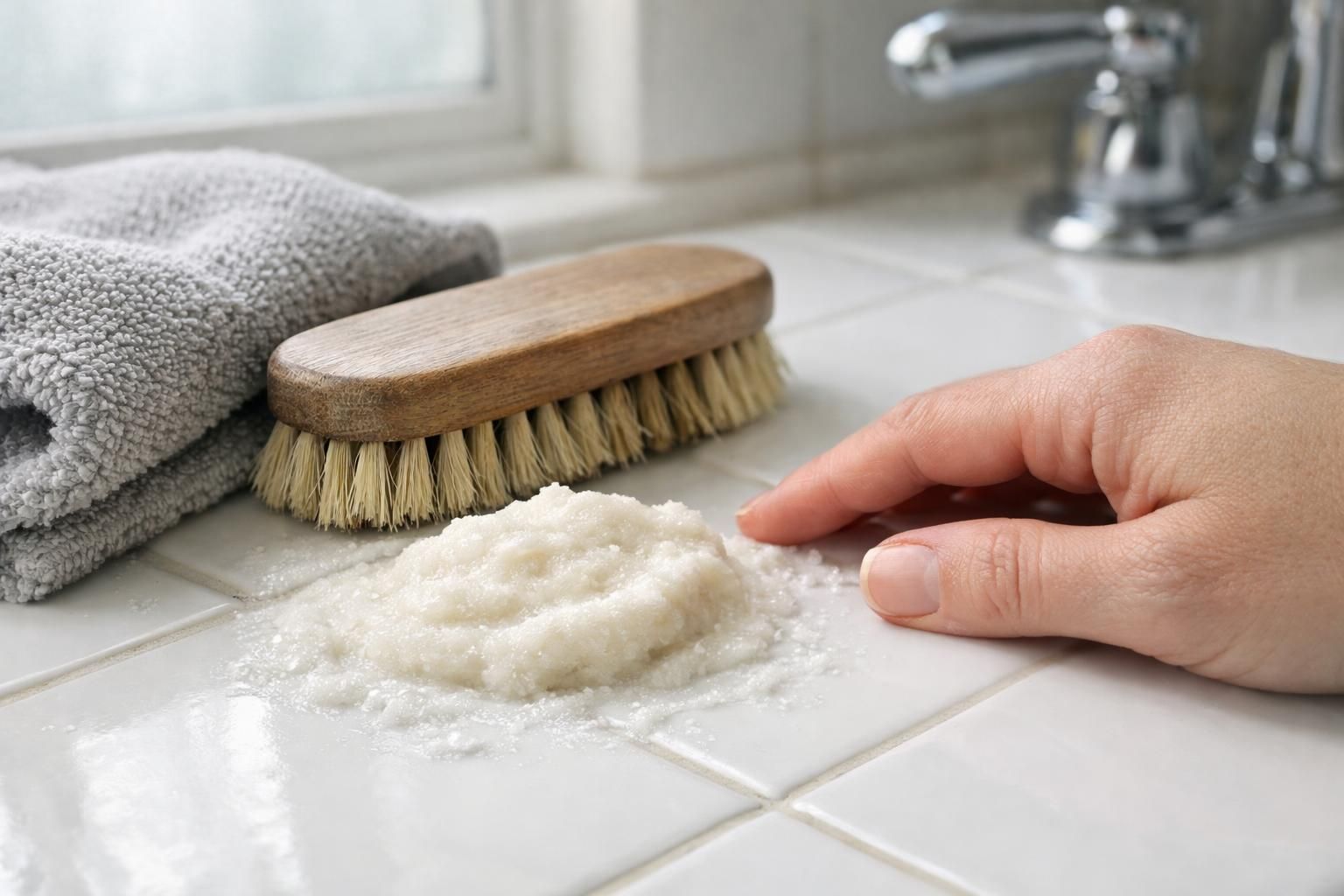
Simple tools, used the right way, speed up tough spots and limit repeat work.
Using Microfiber Cloths and Vacuum Attachments
Microfiber cloths grab dust from baseboards, door frames, and blinds better than cotton rags. They leave fewer streaks and hold more particles. Use light pressure and fold the cloth often for a clean swipe.
Vacuum crevice tools reach under couches, behind appliances, and inside vents. A small brush attachment helps on registers and trim. For tiny corners and grout, an old toothbrush breaks loose grime before a final wipe.
Disinfecting Wipes for High-Touch Surfaces
After dusting, hit high-touch areas with disinfecting wipes. Light switches, remotes, doorknobs, and appliance handles see steady traffic. The Reddit users agree that wipes keep things quick and practical for busy families.
Wipe daily during illness and weekly otherwise. Salt and pepper shakers deserve a pass after meals. Always follow label directions and keep chemicals away from small children and pets.
Vinegar Solutions for Hard Water Stains
Vinegar breaks down hard water stains on showerheads, faucets, and even dishwasher interiors. Soak or spray, wait a bit, then scrub and rinse. Garbage disposals and drains also benefit from a vinegar sit, followed by hot water.
These steps save money on specialty cleaners and cut harsh fumes. A quick vinegar wipe on faucets and baseboards can lift mineral rings and light grime fast.
Additional insights indicate that commonly missed cleaning areas extend to the interiors of dishwashers and toasters, as well as in laundry spaces including washing machine detergent dispensers and dryer vents.
Conclusion
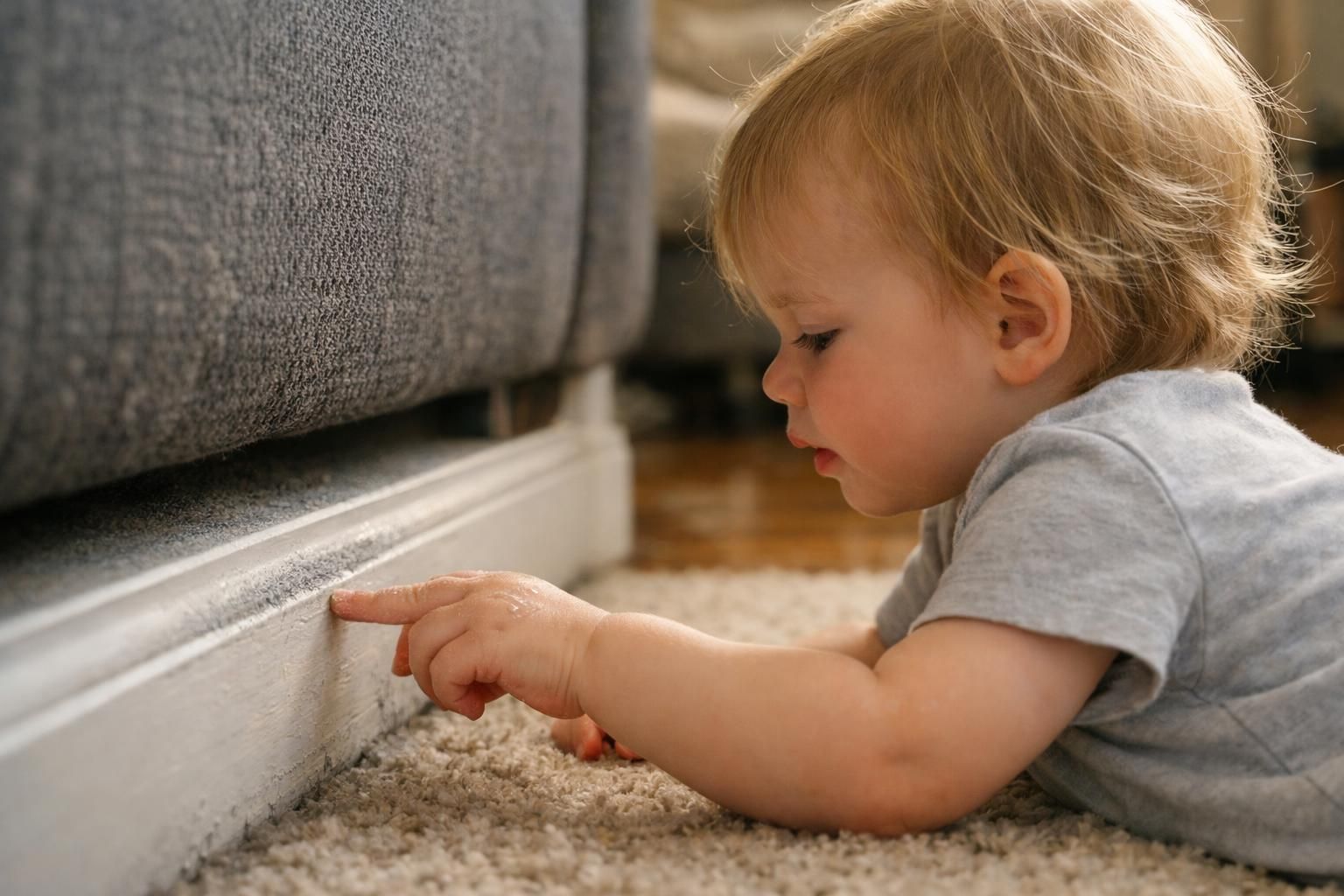
Dust hides where people rarely look, from baseboards and door frames to the space under furniture. Soap scum lingers on showerheads and grout if skipped. Even essentials like TV remotes and toothbrush holders collect germs fast.
With a microfiber cloth, a vacuum cleaner, baking soda paste, and a bit of vinegar, small tasks stay easy. Disinfect high-touch surfaces often to slow the spread of bugs. If time runs short, call local pros for backup, such as My Cleaning Angel
FAQs
1. Why do people often forget to clean door frames during routine cleaning?
Most folks focus on floors and counters, but door frames collect dust too. They blend in with the wall, so it is easy to miss them unless you are looking up.
2. Are there spots where cleaning products rarely reach?
Yes, corners behind furniture and under appliances hardly see any cleaning products. Out of sight means out of mind for most busy cleaners.
3. How can I remember hidden areas like door frames when I clean?
Make a checklist that includes door frames and other overlooked places. It helps keep your routine sharp as a tack.
4. What happens if I skip these missed spots every time?
Dust builds up over weeks; grime settles in before you know it. Skipping areas like door frames or not using the right cleaning products can make your home look less tidy even after hours of work.
Disclaimer: The cleaning tips provided in this guide are informational and are not a substitute for professional cleaning advice. No professional cleaning service is endorsed.