
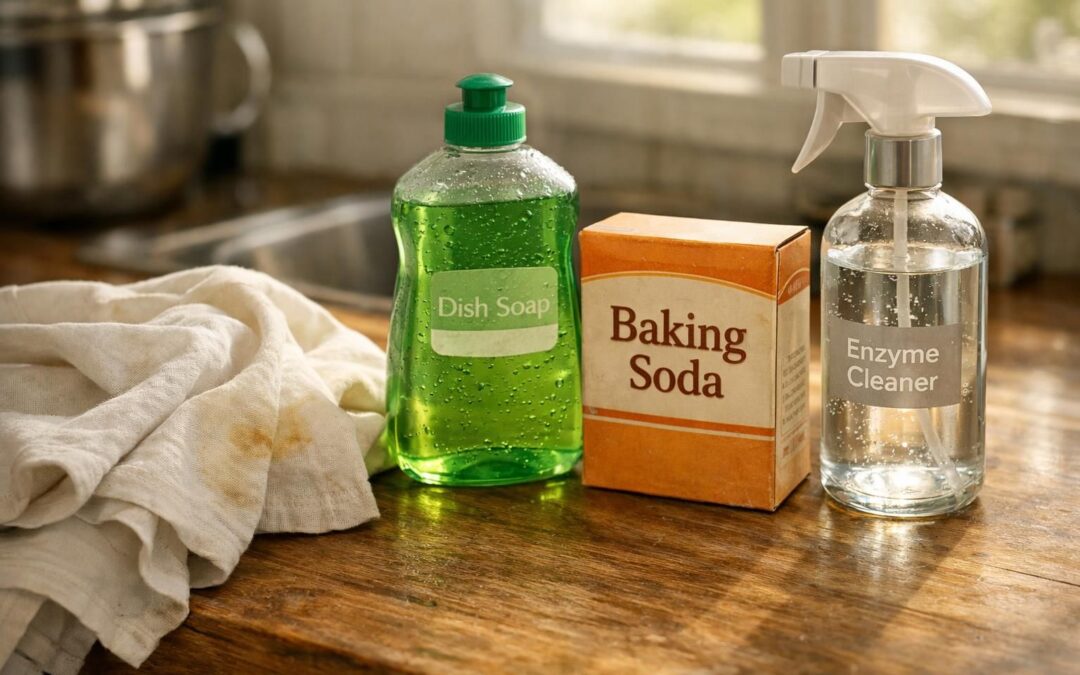
Grease stains have a special talent for showing up right before school photos, a meeting, or the moment a kid leans into a plate of pizza.
The good news is that removing grease stains usually comes down to one thing: getting the oil out before heat gets involved.
That means the dryer stays off until the fabric looks clean in bright light.
This guide walks through stain removal methods that work for busy households, from dish soap and baking soda to enzyme sprays, oxygen bleach soaks, and a few laundry hacks for older stains. Read more below, it will help your house cleaning routine.
Key Takeaways
- Move fast: blot or scrape off excess cooking oil, then keep the garment away from hot water and the dryer until the spot is fully gone.
- Start simple: dish soap plus an absorbent powder like baking soda or cornstarch handles many fresh grease stains without rough scrubbing.
- Use enzymes for mixed messes: enzyme cleaners (such as Zout, Shout, and Spray ‘n’ Wash) can help with oily foods that also contain protein and starch.
- For set-in stains: soak with an oxygen bleach booster like OxiClean, then step up to a heavier degreaser only if the fabric can handle it.
Why Are Grease and Food Stains Difficult to Remove?
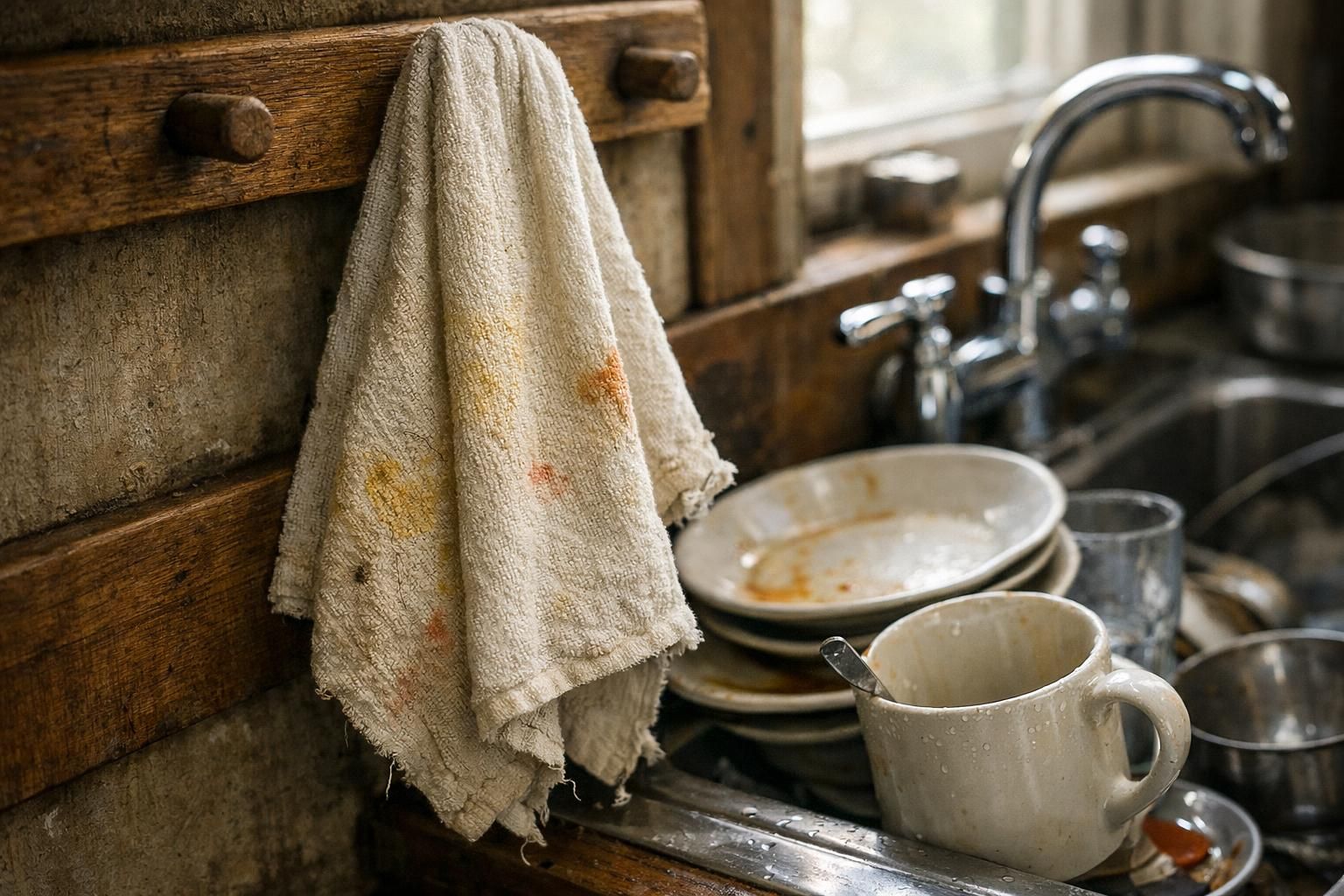
Grease stains cling because oil repels water. Once cooking oil coats fibers, a normal rinse cannot grab it and pull it away.
Fabric type matters, too. The Smithsonian’s Museum Conservation Institute notes that water can swell natural fibers, while synthetics may repel water-based stains but hold onto oily soil instead.
Heat makes everything harder. A hot wash or a dryer can bond leftover oil more tightly to the fiber, turning a faint spot into a permanent shadow.
The fix is simple in concept: use an oil-cutting helper first (a surfactant in dish soap or a stain remover), then wash only after the oil has loosened.
General Tips for Stain Removal
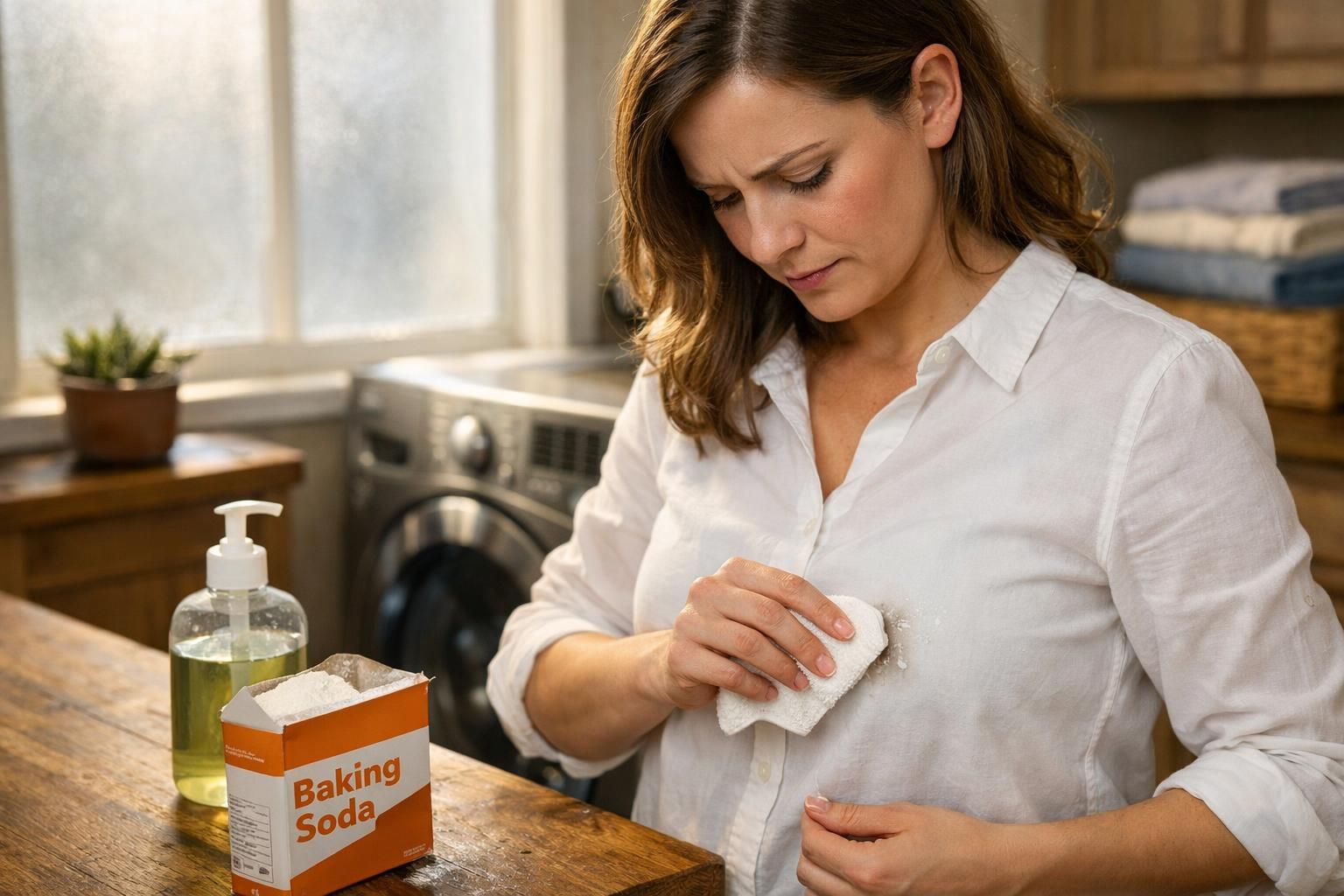
For most grease stains, the safest plan looks the same: pull off the excess, absorb what is sitting on the surface, then use a grease-cutter before the wash.
- Lift off excess. Scrape off thick foods with a spoon or a dull knife, then blot with a clean paper towel or cloth.
- Absorb the shine. Cover the area with baking soda, cornstarch, or another absorbent to pull oil up from the fibers.
- Pretreat. Work in dish soap or a stain remover, using a soft brush if the fabric can handle it.
- Wash by the care label. Use the warmest safe setting for that fabric, and a good detergent.
- Air-dry and inspect. Only use heat once the stain is completely gone.
One important guardrail: the Spray ‘n’ Wash brand’s own FAQ warns not to leave its laundry products on a garment longer than five minutes, since extended contact can damage fabric.

Act quickly
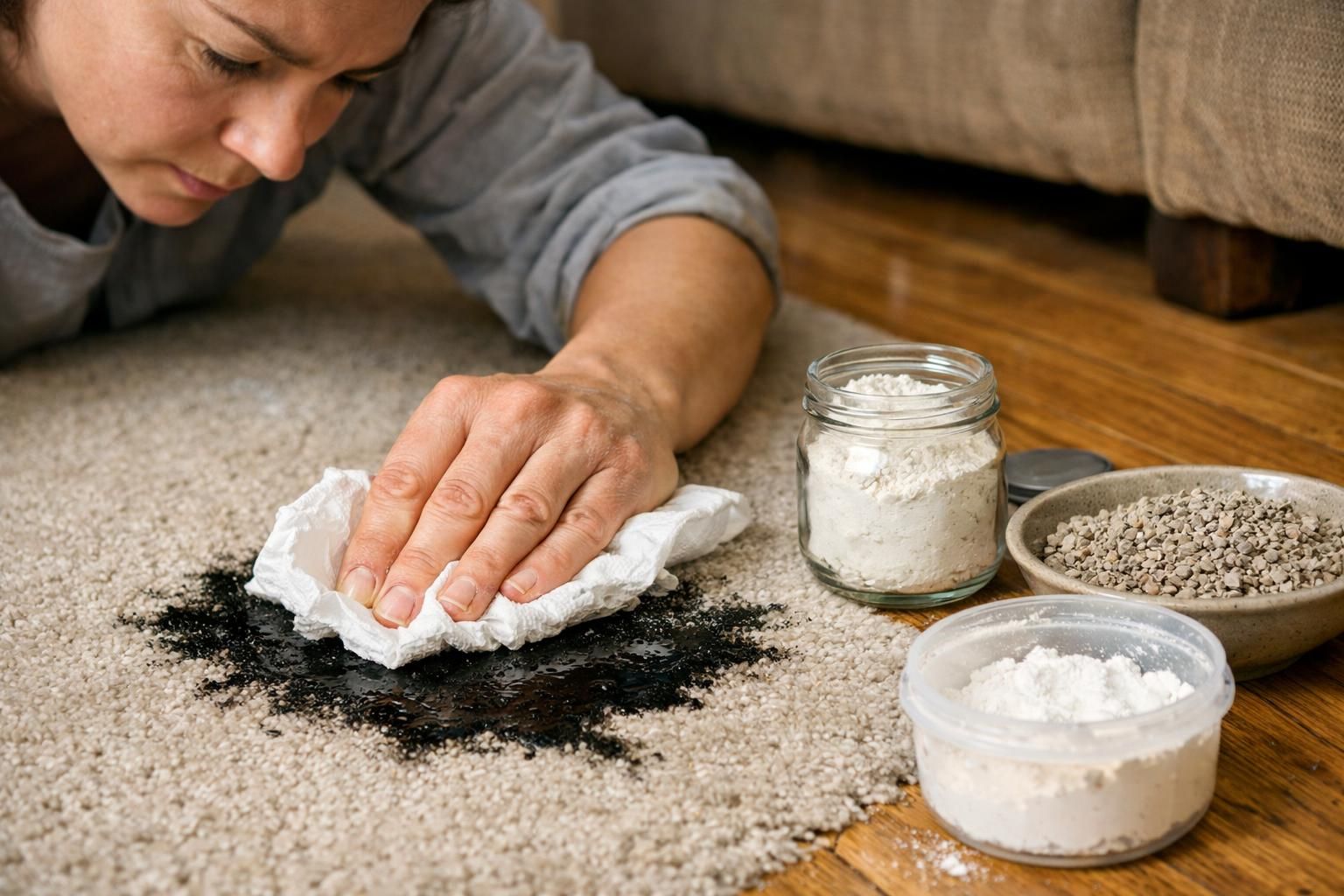
When a spill is fresh, time matters more than the product. Blotting fast keeps cooking oil from sinking deeper and spreading outward.
- Blot first, do not rub. Rubbing can grind oil into the weave and create a wider ring.
- Use an absorbent powder. Baking soda and cornstarch are common, and many textile-care guides also list Fuller’s earth (a clay absorbent) as another option for oily stains.
- Brush off, then pre-treat. Once the powder looks clumpy, brush it away and move on to dish soap or a stain remover.
If the stain is still visible after washing, repeating the pre-treat step usually works better than switching to a harsher chemical right away.
Avoid heat until the stain is gone
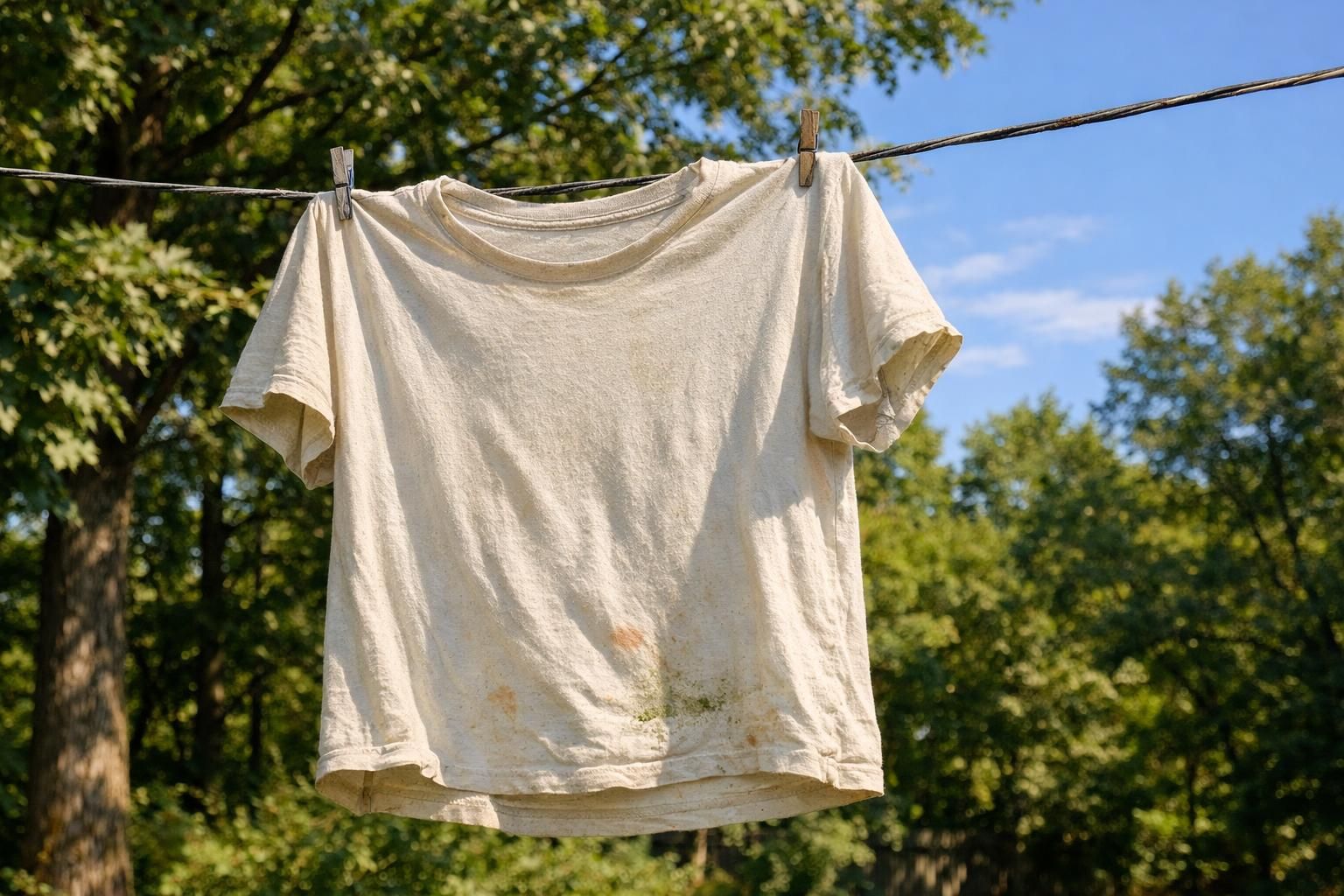
Heat is the fastest way to turn a fixable grease stain into a permanent one. That includes the dryer, a hot iron, and even very hot rinse water.
- Air-dry first. Air-drying gives a second chance if any oil remains.
- Inspect in bright light. Grease can disappear in a dim laundry room and show up again in daylight.
- Check by touch. If the area still feels slick or waxy, oil is still in the fabric.
Once the stain is truly gone, the garment can go back to normal wash and dry routines.
Test cleaning methods on an inconspicuous area
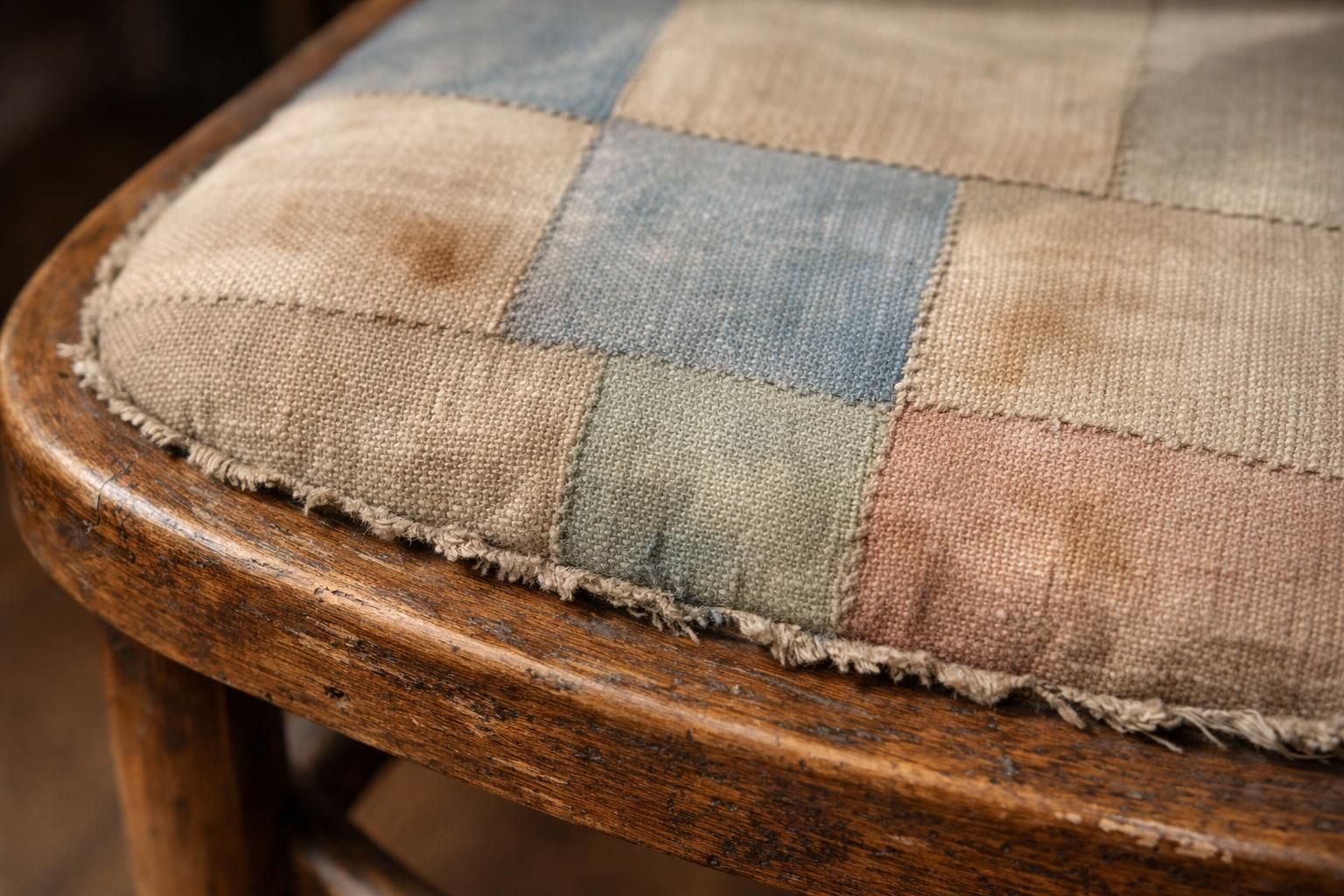
Testing protects color and texture, especially on dark dyes, rayon, acetate blends, stretch fabrics, and anything labeled dry clean only.
Murphy Oil Soap shows one reason testing matters.
- Pick a hidden spot. Inside seam, hem, or the back of a collar works well.
- Watch for dye transfer. Dab with a white cloth to see if color lifts.
- Look for texture change. Some cleaners can stiffen fabric or leave a lighter patch.
If a product label warns about a specific fabric or color, treat that warning like a hard rule.
Delicate Fabric Considerations
For delicate fabrics such as silk, wool, rayon, or sensitive knits, extra care is needed. Use cold water when pre-treating and perform a spot test on an inconspicuous area.
Household Methods for Removing Grease and Food Stains
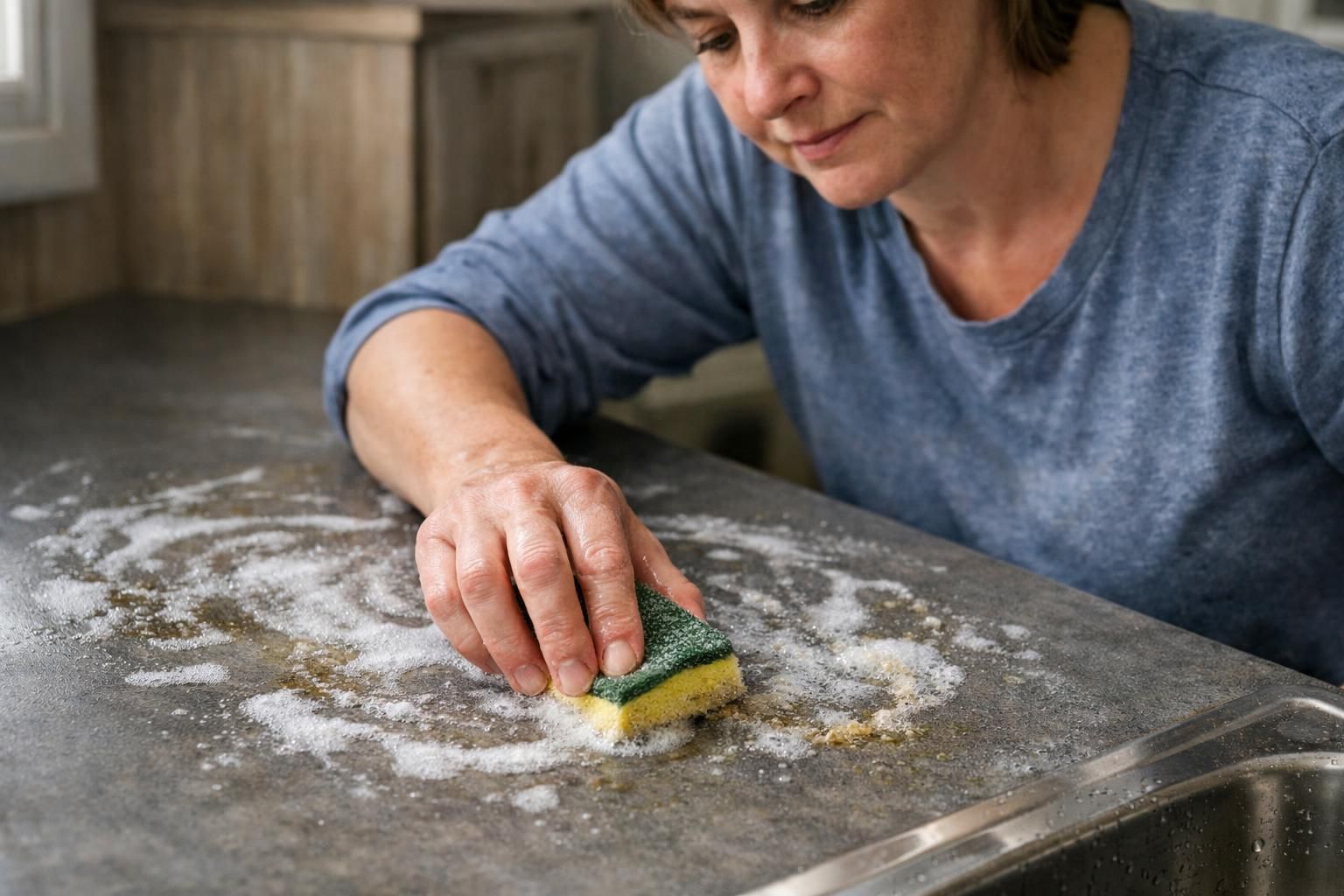
Most families already have the best starter tools for grease stains: dish soap, baking soda, and a soft brush. The trick is using them in the right order.
| Household option | Best use | Fabric notes |
|---|---|---|
| Dish soap | Fresh cooking oil, butter, salad dressing | Great on washable cotton and poly blends, rinse well to avoid soap marks |
| Baking soda or cornstarch | Absorbing surface oil before soap | Helpful on most washables, brush off gently |
| Diluted white vinegar | Deodorizing and cutting leftover residue after soap | Test first on dark dyes and delicate blends |
| Rubbing alcohol | Sticky, oily spots on sturdy synthetics | Spot test is essential, it can affect some dyes and finishes |
Dish soap and baking soda
A simple combo works because each part has a job. Dish soap breaks oil into tiny particles that can rinse away, and baking soda helps absorb and loosen what is sitting in the fibers.
For a quick method, many households make a paste and work it in gently, then wash by the care label.
- Blot excess oil with a clean towel.
- Cover the spot with baking soda to dull the shine.
- Add a small amount of dish soap and gently work it in with fingertips or a soft toothbrush.
- Rinse from the back of the stain if possible, so the oil pushes out instead of deeper in.
- Wash, air-dry, and repeat the pretreat if needed.
This step-by-step stain guide shows a similar paste approach that many parents use for messy food stains.
Chalk for fresh stains
Chalk is often treated like a quick fix because it is dry and easy to rub onto a small spot. It can act like other absorbent powders, soaking up some surface oil before washing.
Chalk usually works best on light splatters. For heavier cooking oil, an absorbent powder plus dish soap tends to do more, since oil can sink below the surface quickly.
- Use plain white chalk to avoid dye transfer.
- Blot first, then apply chalk lightly and brush off before pretreating.
- Skip chalk on delicate knits that snag easily, a soft powder can be gentler.
Vinegar and water solution
Diluted white vinegar can help after degreasing, especially if the stain left a shadow or odor behind. It also helps remove leftover detergent or soap film that can make an area look darker when it dries.
Keep this step gentle. A light mist and a careful blot usually beat soaking, which can spread the stain into a larger ring.
- Dilute vinegar with water in a spray bottle.
- Mist lightly, then blot with a clean towel.
- Rinse and wash again if any odor remains.
Vinegar should never be mixed with chlorine bleach, and it should be tested first on sensitive dyes.
Commercial Products for Stain Removal
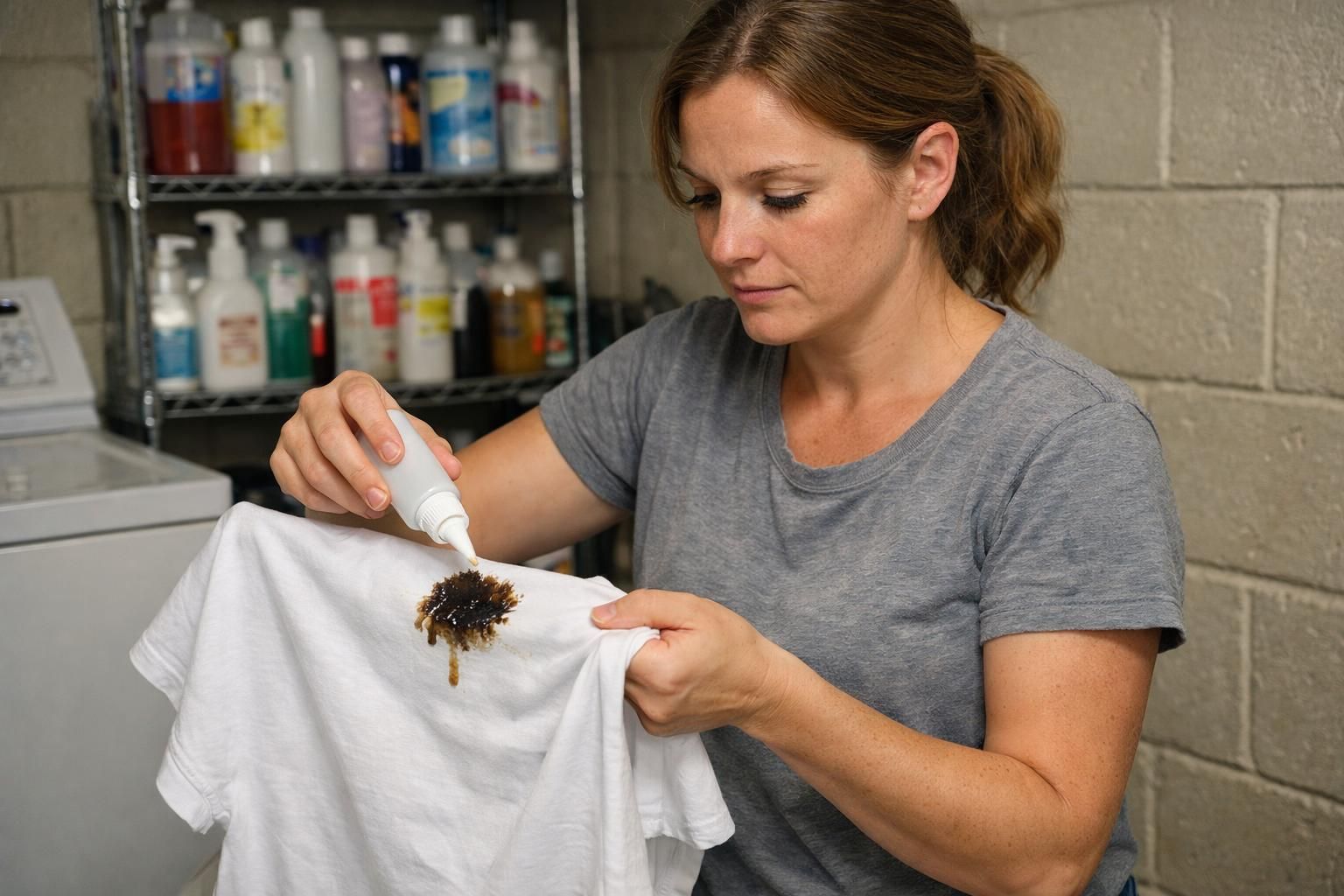
Commercial stain removers can save a lot of time in a busy home, especially when the stain is a combo of grease plus protein or starch (think: pizza, taco night, or kid snacks in the car).
A practical approach is to keep two options on hand: an enzyme-based spray for everyday food stains, and an oxygen bleach booster for older or dull-looking spots.
Enzyme-based stain removers (e.g., Zout, Shout, Spray ân’ Wash)
Enzyme pretreaters work by breaking down common stain ingredients into smaller pieces that rinse out more easily. That matters for greasy meals, because many of them contain more than oil, like dairy proteins and thickened sauces.
- Use enzymes for mixed stains. They can handle food stains that have oil plus protein (cheese) or starch (gravy).
- Apply before washing. Enzymes work best as a pre-treat, not as an afterthought once the stain has been heat-dried.
- Do a quick fabric check. Some colors and finishes react badly to direct application, especially on tricky shades like khaki.
The WD40 then Shout trick shows up often in household conversations. If that route is used, a spot test and a thorough wash afterward help reduce the chance of new marks from the lubricant itself.
Shout Advanced Grease Busting Foam
Shout Advanced Grease Busting Foam is made for heavy grease, including food oils and machine oil. It can be a strong next step when dish soap alone is not enough.
Direction labels matter here. The Shout Advanced Grease Busting Foam directions list waiting one to five minutes (based on stain severity) and also warn not to let the foam dry on the fabric before laundering.
- Shake the can and saturate the stain area.
- Wait briefly, then wash with regular detergent.
- Air-dry and inspect before using the dryer.
For set-in spots, treating the whole affected panel (not just the dot) can reduce the chance of a lighter or darker patch after washing.
Lestoil Heavy Duty Cleaner
Lestoil is a classic heavy-duty option for work clothes, garage messes, and thick grease that laughs at normal stain sprays. It is also known for a strong odor, so good airflow helps.
- Use it as a spot treatment. A little goes a long way on an oily ring.
- Rinse thoroughly before washing. That helps protect the washer and prevents the cleaner smell from lingering.
- Skip delicate fabrics. Lestoil fits sturdy cottons and durable blends better than delicate weaves.
Advanced Techniques for Stubborn Stains
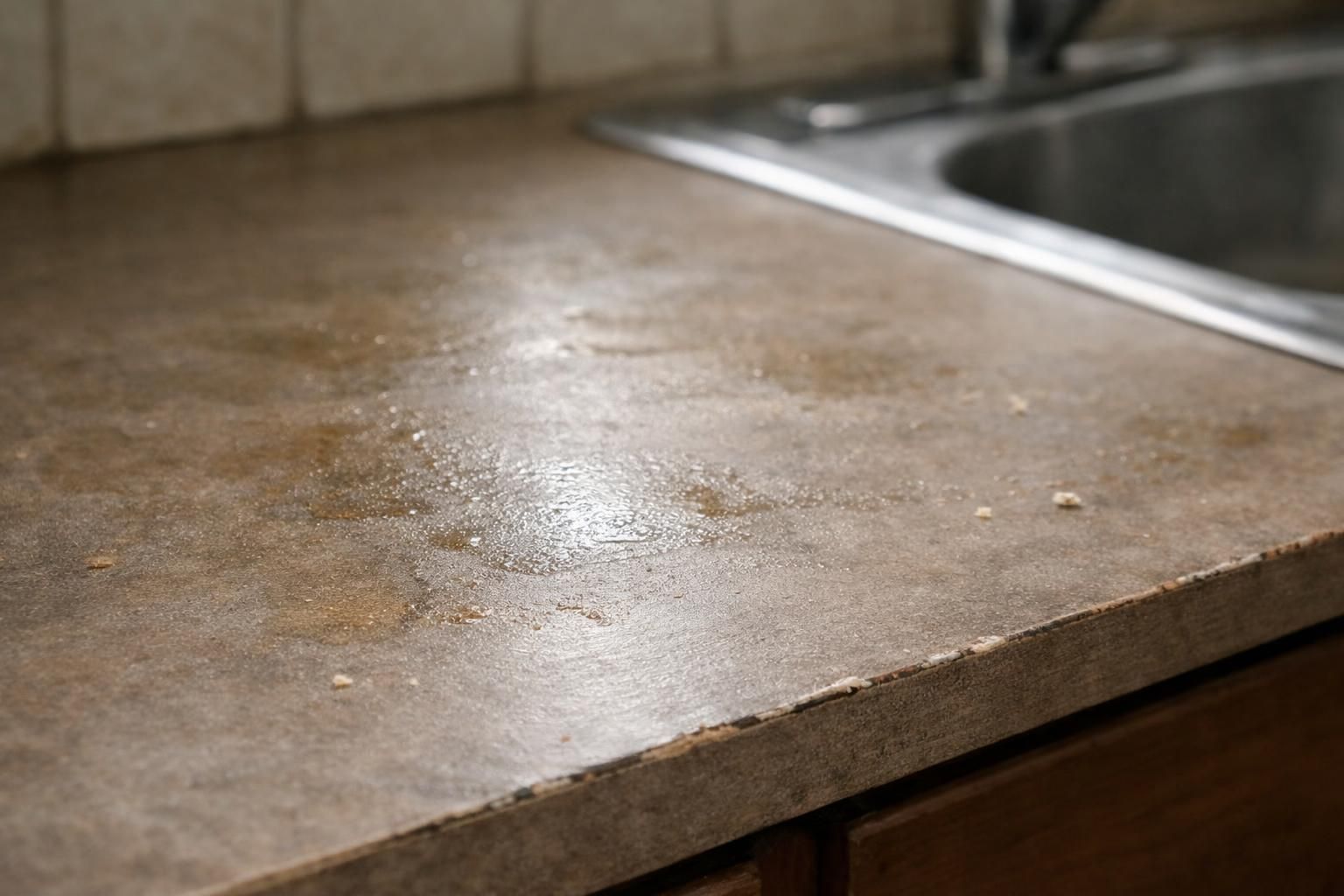
When a grease stain survives a normal pretreat and wash, the goal changes. Instead of a single treatment, most stubborn stains need a cycle of absorb, degrease, wash, inspect, and repeat.
Pretreating with dish soap or stain remover
A parent can get better results by controlling the stain from the back side. Putting cardboard behind the fabric blocks oil from transferring into the clean layer underneath.
- Blot or scrape off any residue.
- Slide cardboard behind the stain.
- Work in dish soap or a stain remover with fingertips or a soft brush.
- Rinse from the back of the stain when possible.
- Wash, air-dry, and repeat before any dryer heat.
A common pitfall is scrubbing hard. Gentle agitation beats force, since fraying can create a permanent lighter spot even after the stain is gone.
Ultrasonic emulsification method
Ultrasonic cleaners use high-frequency sound waves in liquid to create tiny cavitation bubbles. Those bubbles can help lift contamination from surfaces, including oily soil.
This method is not a first choice for clothing. Many home ultrasonic devices are designed for hard items, and the agitation can stress delicate materials.
- Use it only on sturdy, washable fabrics, and test a hidden area first.
- Keep the item from resting on the bottom of the tank so cleaning action reaches the fabric evenly.
- Use a mild detergent solution, then rinse well and wash normally afterward.
Gel poultice cleaning
A poultice approach focuses on absorption, pulling oil out instead of trying to dissolve everything at once. For fabrics, this usually looks like a thick layer of absorbent powder pressed into the stain area.
- Pick an absorbent. Cornstarch, baking soda, and Fuller’s earth are common options for oily stains.
- Press, do not grind. Gentle pressure helps contact without damaging fibers.
- Brush off completely. Leftover powder can hold oil against the fabric if it stays in place.
Unique Insights on Stain Removal
Compare the effects of dish soap and baking soda with those of enzyme sprays in side-by-side tests. Record the results to learn which cleaning methods work best on different fabrics. This insight may serve as a practical laundry hack for future stain removal.
Steps for Removing Old or Set-In Grease Stains
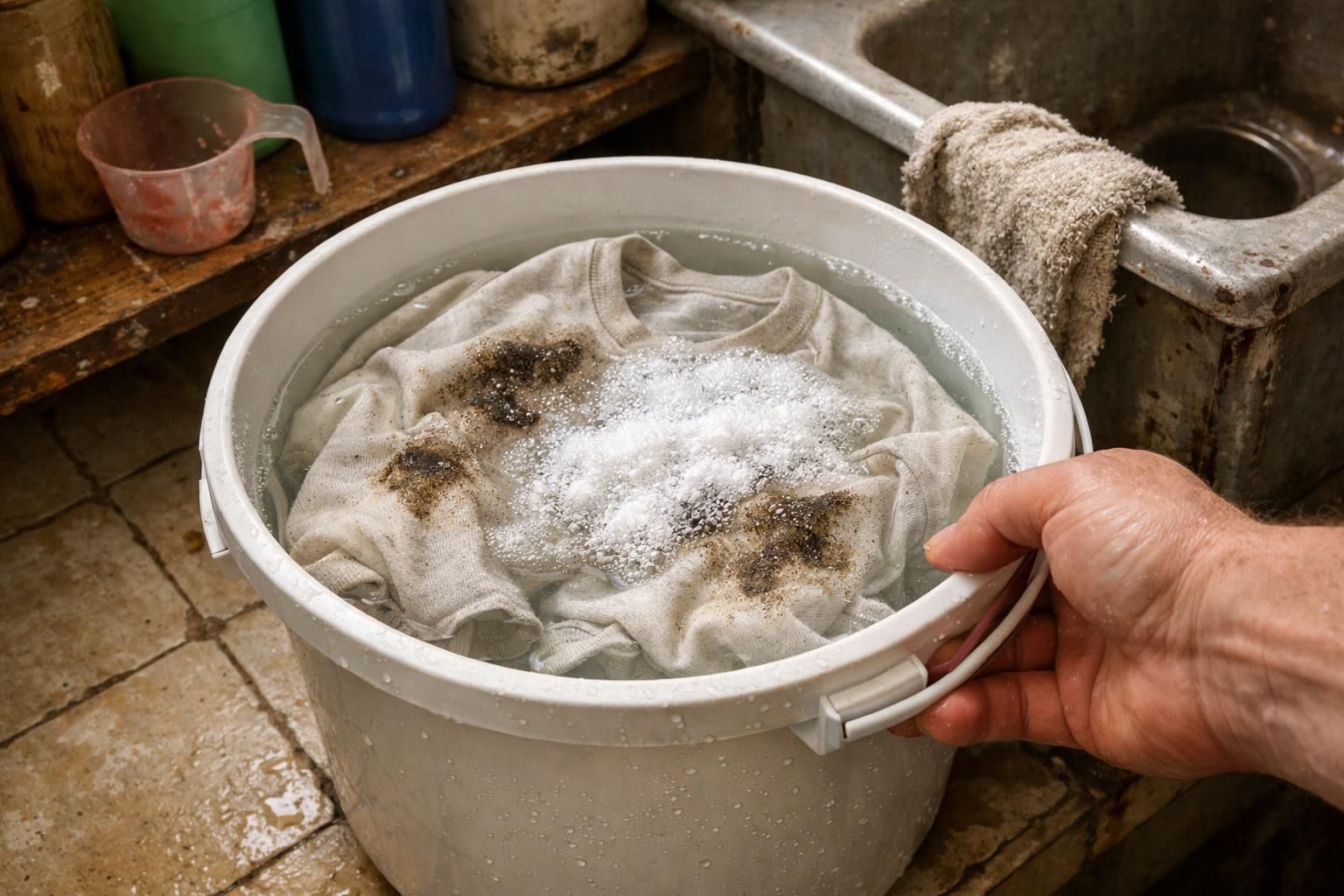
Old grease stains usually need soaking, not scrubbing. The best plan is to loosen the oil over time, then wash in the warmest safe water for the fabric.
Heat still stays off until the stain is gone, including the dryer.
Soak in warm water
Soaking gives cleaners time to work through the fibers. Oxygen bleach boosters are popular for this step because they help lift organic staining without chlorine bleach.
OxiClean’s own directions for its versatile stain remover list soaking stained items for one to six hours (based on stain severity), and they also note that it should not be used on wool, wool blends, silk, silk blends, leather, or fabrics labeled dry clean only.
- Dissolve the powder fully before adding clothing.
- Soak, then rinse and inspect in bright light.
- If any oily shadow remains, pre-treat again before the wash.
Apply heavy-duty stain remover
When soaking is not enough, a heavier pre-treat can help, but fabric safety comes first. Bar-style laundry soaps such as Fels-Naptha are often used by rubbing a damp bar directly onto a grease spot before washing.
For very strong degreasers, a spot test and basic safety steps help prevent a ruined shirt.
- Test on an inside seam.
- Wear gloves if the product feels harsh on skin.
- Rinse the treated area before tossing the item into a full load.
Wash in safe warm water for the fabric
Washing should match the care label, but the warmest safe option usually helps once the stain is already loosened. A quality detergent plus a thorough rinse keeps oil from redepositing elsewhere on the garment.
Air-drying is still the checkpoint. If the stain is not fully gone, repeating the pre-treat and wash beats sending it through the dryer.
Troubleshooting Stubborn Grease Stains
- If the stain does not improve after one treatment, repeat the pretreatment step.
- Consider using an enzyme-based cleaning solution as an alternative approach.
- Allow the fabric to air-dry fully between treatments to check progress.
- For persistent stains on delicate fabrics, professional cleaning may be needed.
How to Prevent Future Stains
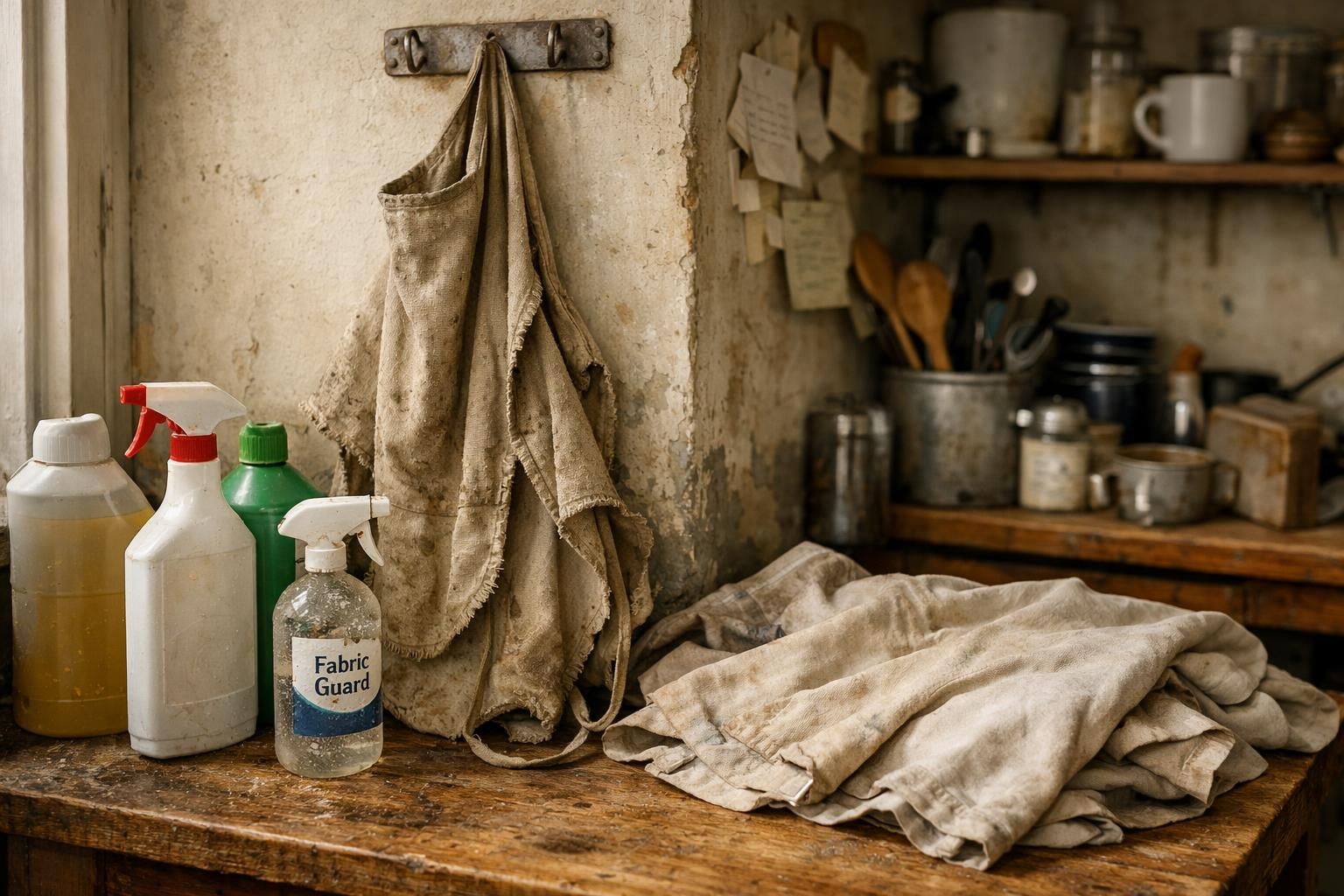
Prevention sounds boring until it saves a favorite hoodie. A few small habits can dramatically cut down on grease stains, especially in kitchens and garages.
- Keep an apron or over shirt near the stove.
- Use a splatter screen for pan-frying.
- Store a small stain kit where messes happen, like the laundry room and the garage sink.
Wear protective aprons when cooking
A water-resistant apron or kitchen bib blocks most cooking oil splatter before it reaches fabric. This is especially helpful during pan-frying, grilling, or any meal that involves stirring sauce close to the body.
For kids helping in the kitchen, a washable smock can prevent stains and reduce last-minute outfit changes.
Pre-treat stains before washing
Pretreating works best when it becomes a routine. A parent who keeps dish soap or an enzyme spray within reach can treat a spot immediately, then wash later.
- Blot, then pretreat.
- Use a soft brush for durable fabrics, and fingertips for delicate knits.
- Keep stained items out of the dryer pile until they are checked in good light.
Use fabric-safe stain repellents
For high-risk items like table linens, kids’ backpacks, and washable jackets, a fabric repellent can buy time. It does not make fabric stain-proof, but it can slow absorption so a spill blots up more easily.
Scotchgard’s Fabric Water Shield instructions describe two light coats (instead of one heavy coat), and note that at average room conditions it should dry overnight, with a shorter dry time between coats often being a few hours.
- Test for colorfastness on a hidden area first.
- Spray in light, even passes.
- Let it dry fully before regular use.
- Reapply after cleaning or heavy wear.
Common Mistakes to Avoid During Stain Removal
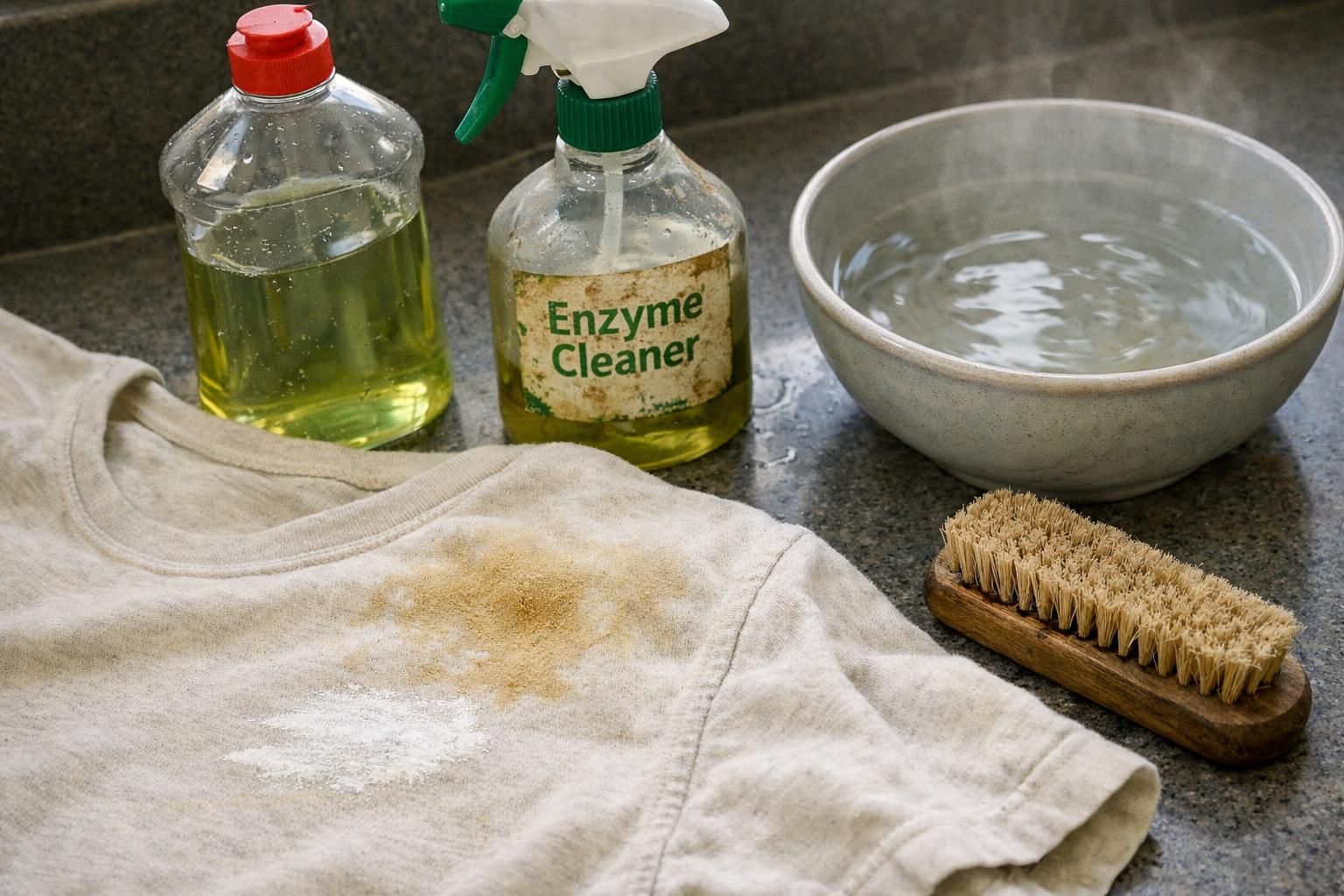
Most stain failures happen for predictable reasons. Fixing the process usually matters more than buying a stronger product.
- Using the dryer too soon. Heat can lock in grease stains and make them far harder to remove.
- Rubbing instead of blotting. Rubbing spreads oil and can damage fibers.
- Skipping the absorbent step. Pulling up surface oil first makes every cleaner work better.
- Letting products dry on fabric. Some formulas can leave rings, stiffness, or discoloration.
- Mixing incompatible chemicals. Vinegar should never be combined with chlorine bleach, and strong degreasers need caution on dyed fabrics.
- Trusting one wash. Stubborn stains often need two or more pretreat-and-wash rounds.
Conclusion
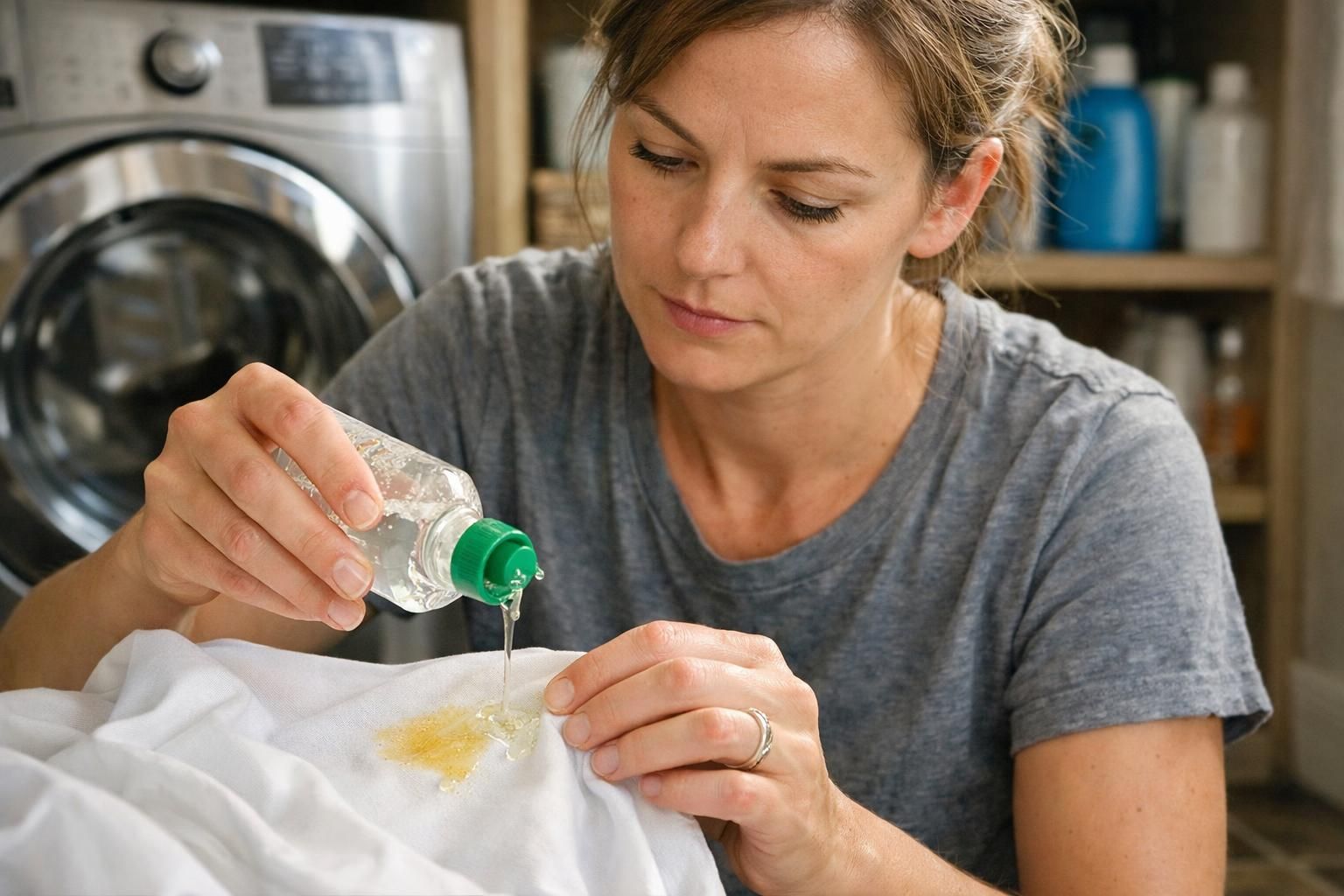
Grease stains do not have to become permanent, even when the spill is cooking oil on a favorite shirt.
The safest win is simple: blot fast, use dish soap and an absorbent like baking soda, then wash and air-dry before the dryer ever touches the fabric.
If the stain is older, an oxygen bleach soak and a careful repeat pretreat usually brings removing grease stains back within reach without ruining the fabric.
FAQs
1. How do I remove fresh grease from clothes without ruining fabric?
Blot off excess grease with a paper towel, do not rub. Put a small drop of soap on the stain, work it in gently, wait five minutes, then rinse in cold water.
2. How do I treat old food stains and greasy spots on clothes?
Mix a little soap with a pinch of cleaning powder to make a paste. Spread it on the stain and let it sit 15 to 30 minutes, then wash as usual. I once saved a favorite shirt this way, so give it a try.
3. Will hot water ruin the fabric when I try to remove food stains?
Start with cold water first, because hot water can set many food stains and damage delicate fabric.
4. Are store stain removers safe for all clothes, and should I test first?
Most stain removers remove grease and other food stains well, but some can fade or weaken fabric. Test the cleaner on a hidden spot, wait a few minutes, then treat the stain if the color and feel stay the same.