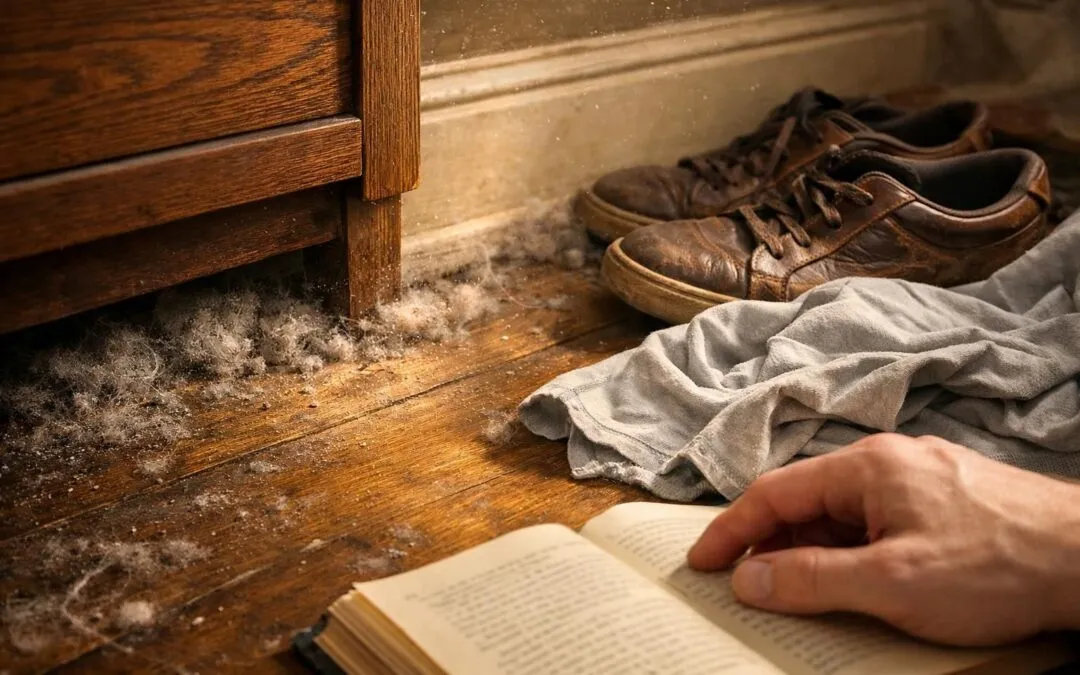
Notice the edges of the room looking fuzzy? Dust bunnies hide under beds, tuck behind sofas, and settle into shadowy corners. These clumps of lint, hair, pet dander, and grit form fast, then spread.
Many folks do not realize they can also hold dead skin cells, dust mites, and even ticks. So they are more than harmless fuzz. This guide shares simple steps to kick out dust bunnies for good and enjoy cleaner air.
Readers will see where they hide, the best house cleaning tools, and easy habits that stop them from coming back. Ready for a fresher home? Keep reading.
Key Takeaways
- Dust bunnies carry dust mites, pet dander, dead skin cells, and sometimes ticks, which can trigger allergic reactions or asthma attacks.
- A vacuum cleaner with a HEPA filter traps over 99% of tiny particles, keeping allergens like pollen from blowing back into the room.
- Use damp microfiber cloths, electrostatic dusters, and compressed air to pull dust from tight spots under furniture and appliances.
- Prevent buildup with weekly vacuuming, 30% less clutter, hot-water laundry every one to two weeks, and indoor humidity under 50%.
- Swap HVAC air filters every three months and add an air purifier with a HEPA filter to capture up to 99.97% of airborne particles.
What Are Dust Bunnies?
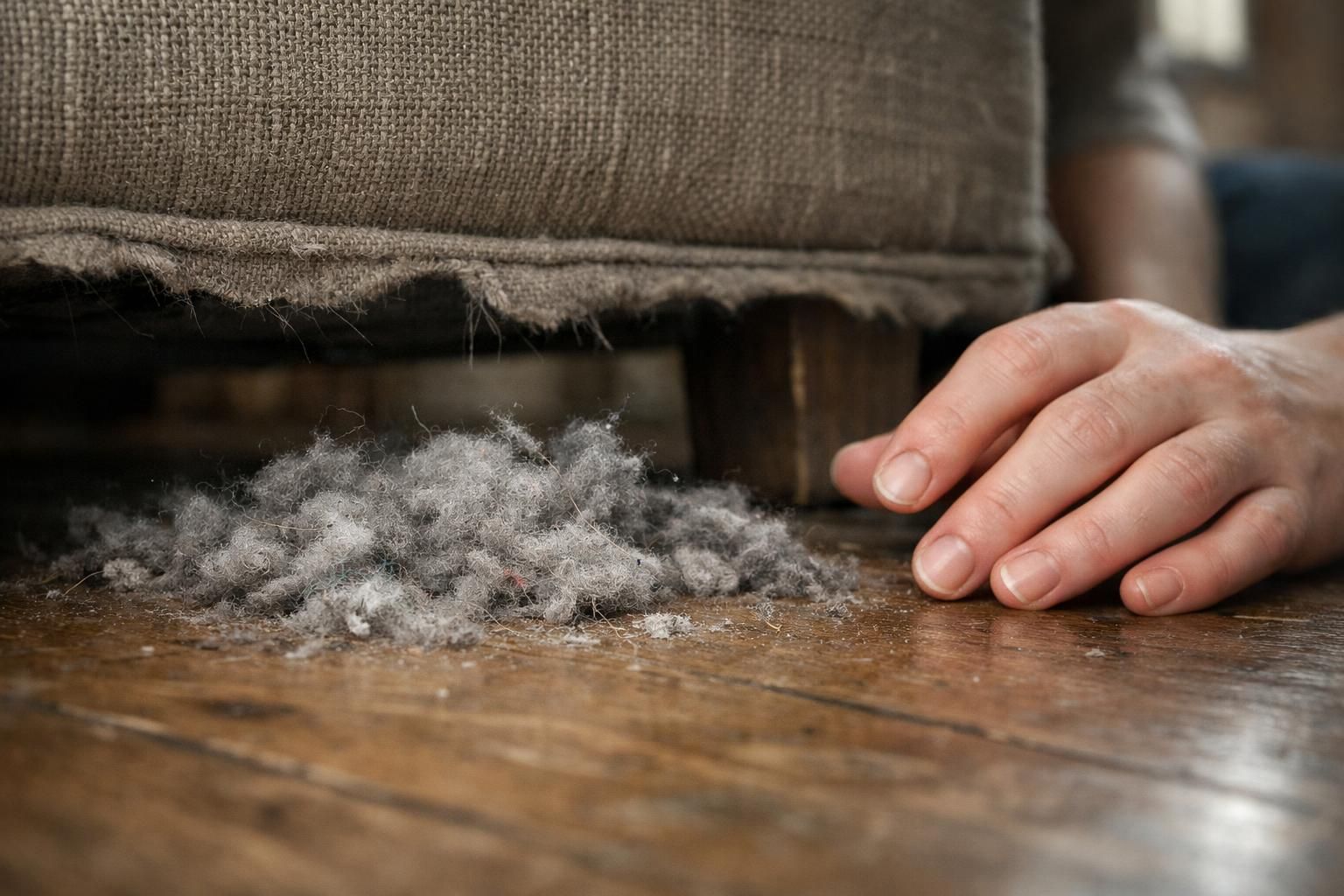
They look fluffy, but dust bunnies are a mix of allergens and grit. Inside each clump are dust mites, pet dander, and dead skin cells that can stir up sneezing or wheezing.
Definition of dust bunnies
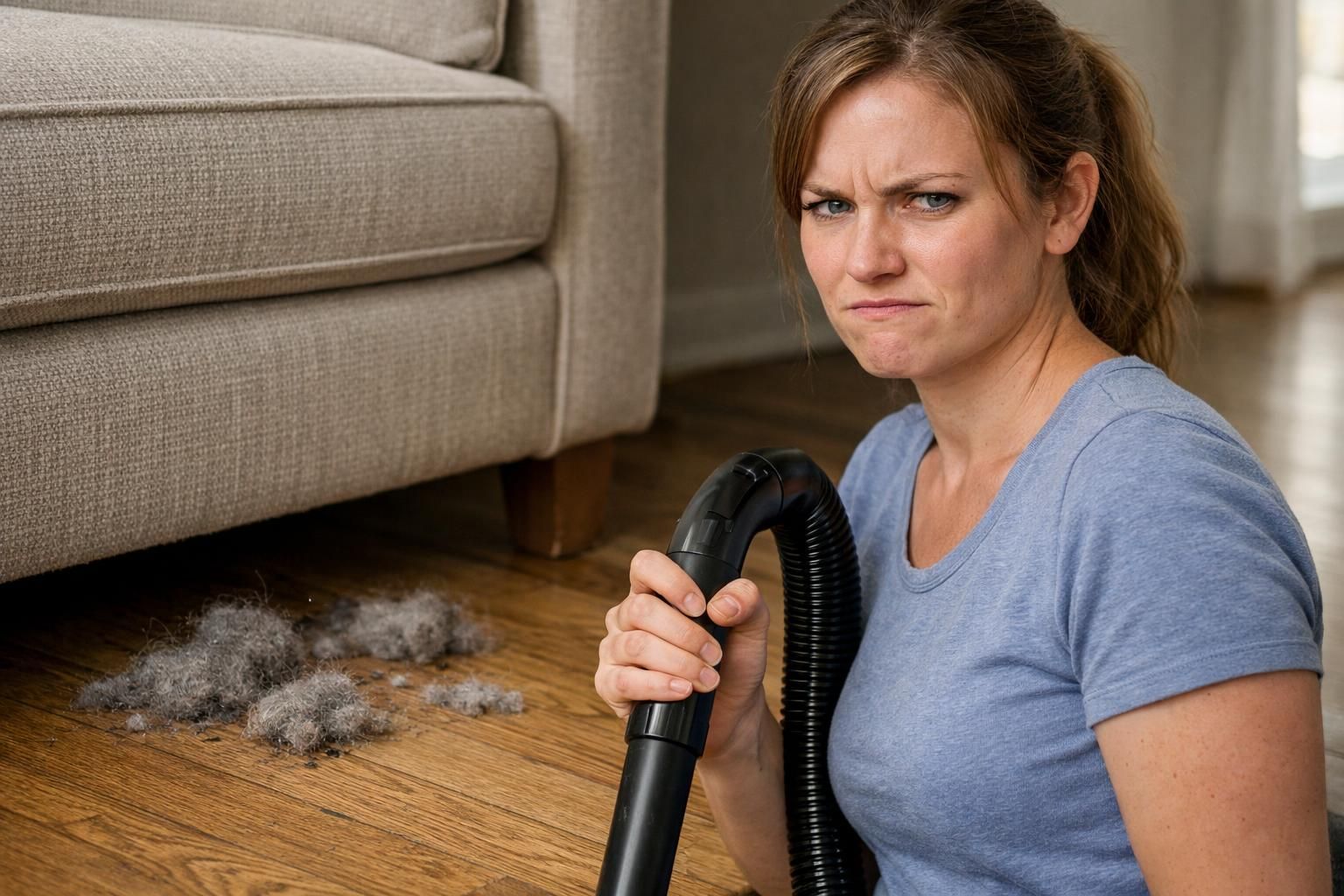
Dust bunnies are tiny clusters made from dust, hair, lint, and flakes of dead skin. They also trap pet dander and fibers from clothes or carpet, along with grains of outdoor dirt.
The name sounds cute, but the impact is not. These clumps become cozy shelters for dust mites and trace chemicals brought in on shoes or blown in from outside.
Most people spot them under a couch or near vents where airflow pushes particles together. Left alone, they can worsen allergies and asthma. Every lump basically holds a little sample of your home life, from dryer lint to pollen.
How dust bunnies form
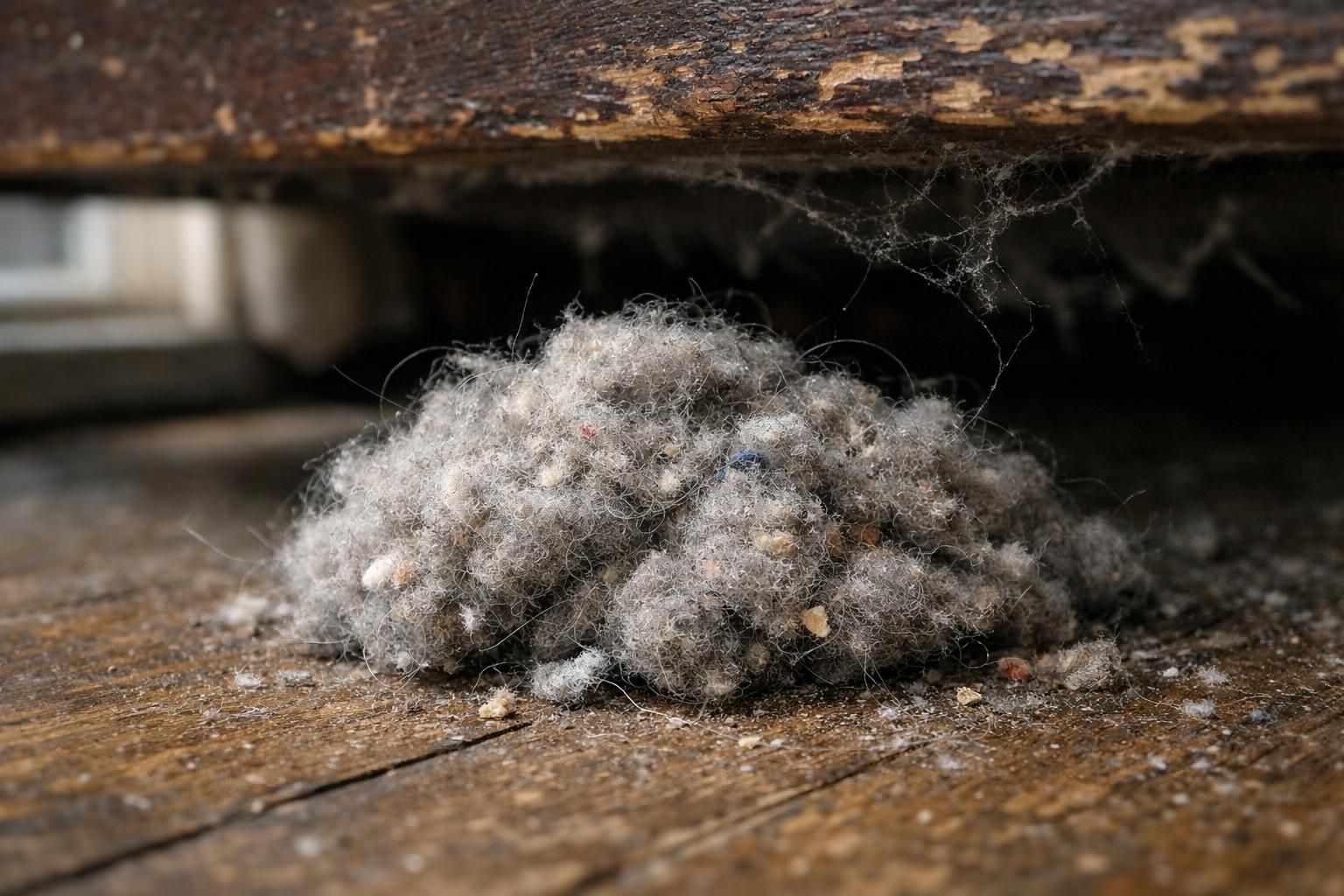
Movement stirs the mix. The HVAC system, a ceiling fan, or footsteps across carpet lift tiny scraps into the air. Those bits include hair, dander, dead skin, pollen, and clothing fibers.
Static electricity acts like a magnet and pulls pieces together under furniture. Strands of hair wrap around the mass, giving dust bunnies that puffy look.
As air flows near baseboards or under sofas, clumps slide into corners and hide. Dust mites add droppings, and crumbs or soil stick to the growing fluff. A single tuft can turn into a cluster within days.
Common Places Dust Bunnies Accumulate
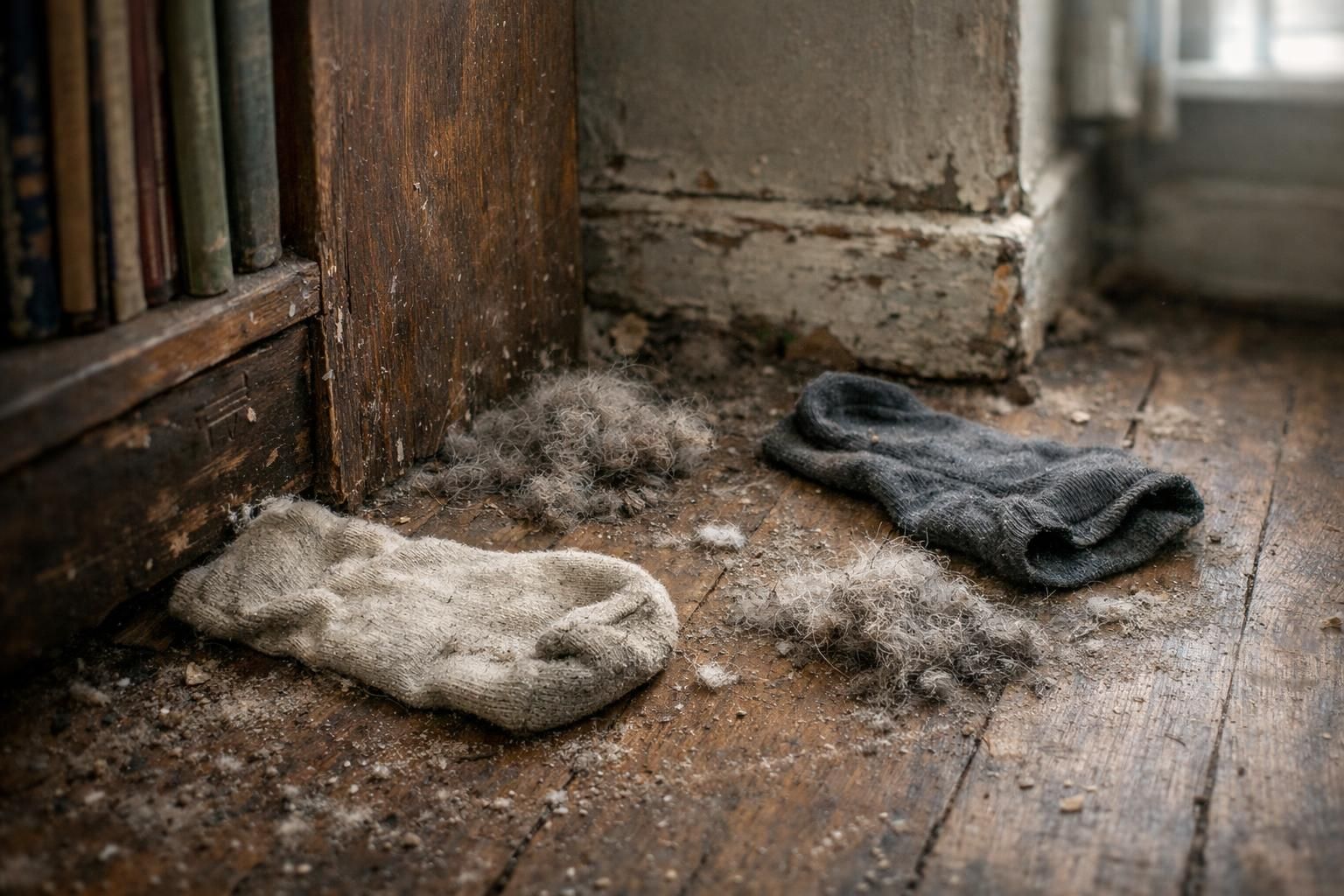
Dust bunnies behave like ninjas, slipping into spots people skip during a quick tidy.
Under furniture and appliances

Under beds and sofas, dust bunnies pile up faster than socks vanish in the wash. These clumps feed on crumbs, dander, and hair, then slide deeper out of sight.
Behind refrigerators and stoves, lint and grit gather near coils and cords. A vacuum with a HEPA filter handles the bulk. Microfiber cloths catch the fine film that other tools leave behind. For tight spots under heavy appliances, compressed air helps push debris out where it can be vacuumed.
In corners and crevices
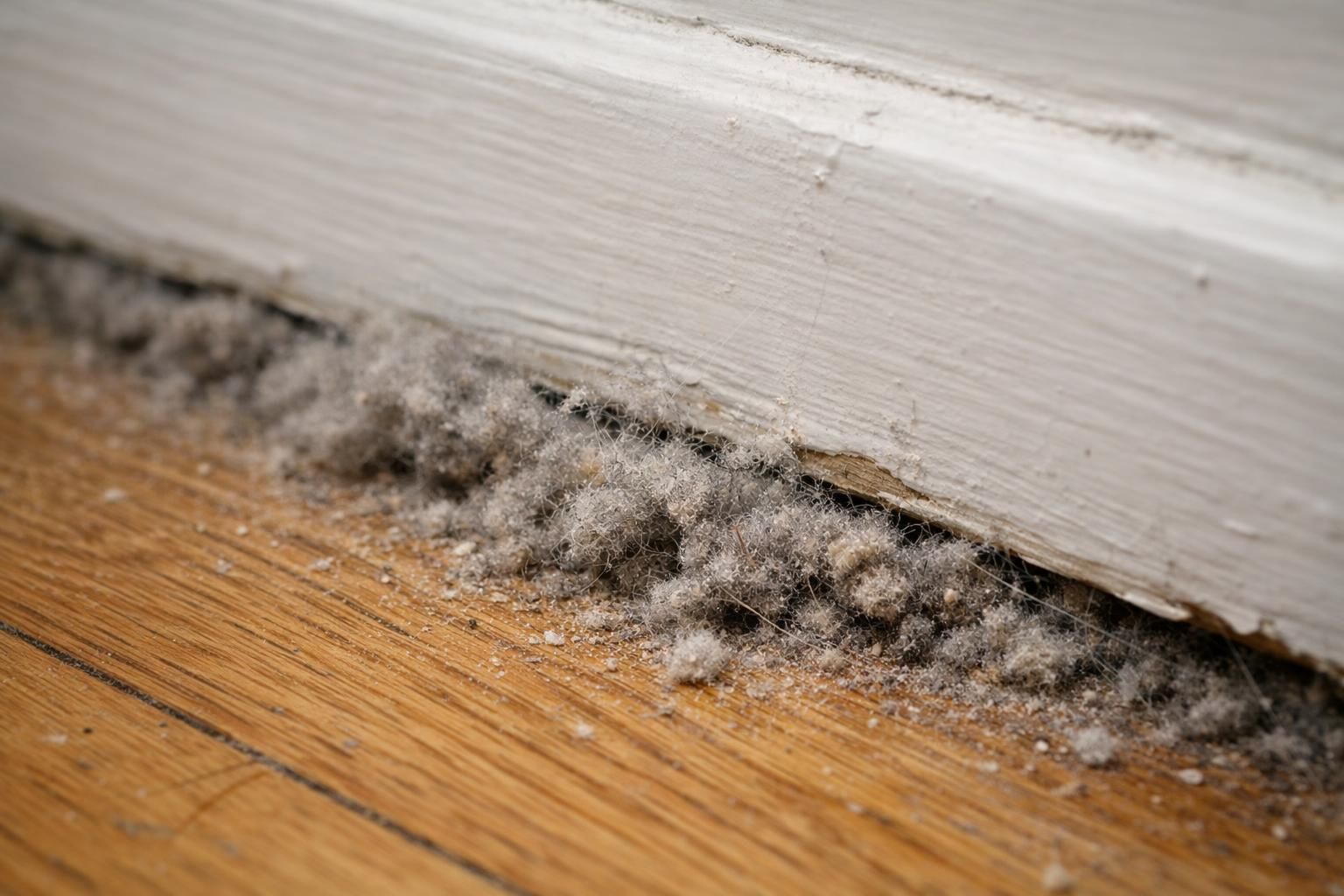
Corners and baseboards trap tiny fluff piles that a quick sweep misses. Pleated lamp shades, window sills, and the strip where carpet meets wall collect lint that keeps returning.
A damp microfiber cloth or an electrostatic duster works well in these tight areas. Compressed air blasts dust out of pleats, and a vacuum with a crevice tool pulls dirt from narrow gaps. Toy bins and bookshelves become dust hotels if they sit untouched for weeks.
On ceiling fans and vents
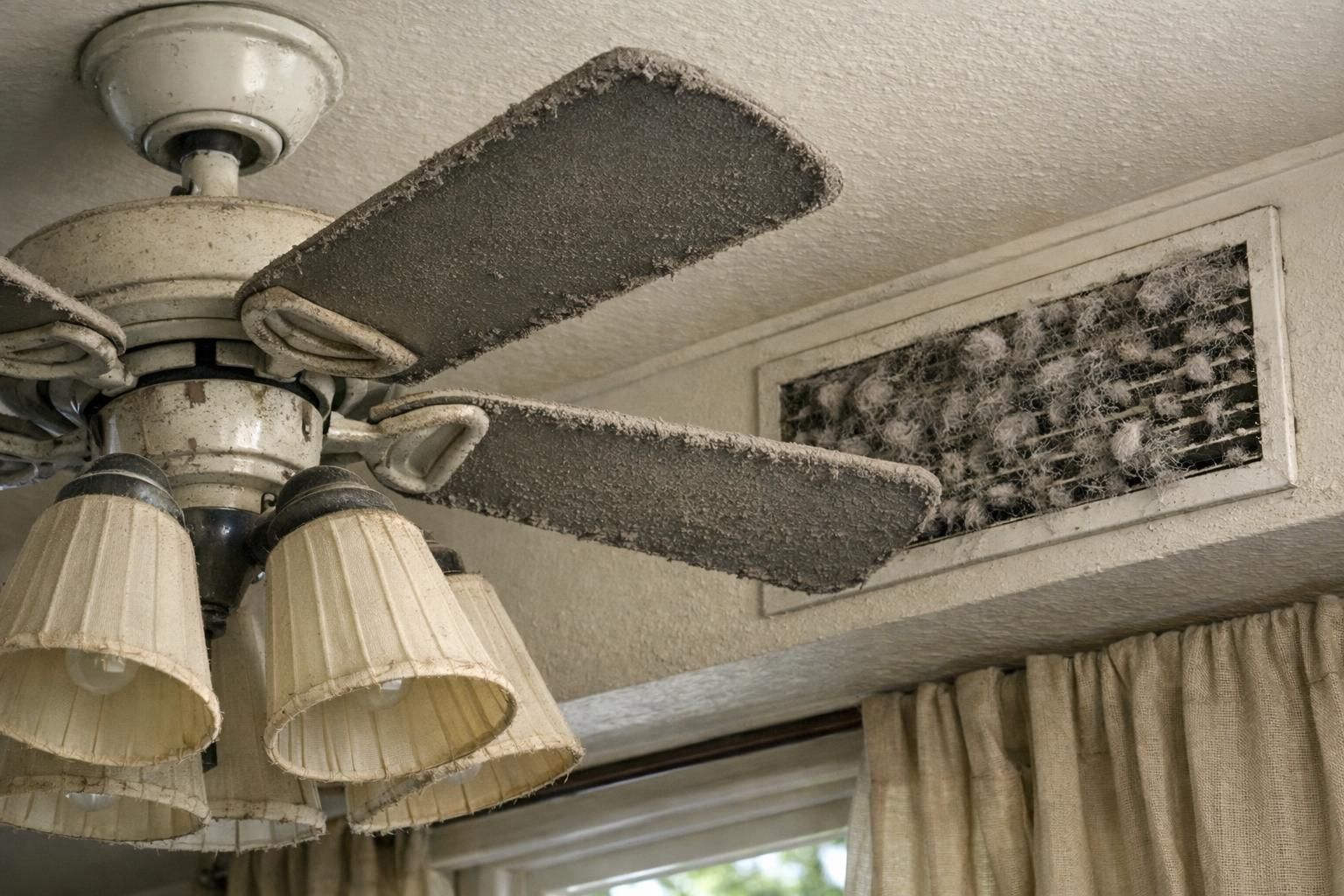
Ceiling fans act like dust collectors, especially along blade edges and near the motor. Supply and return vents push air, and with it, dander and lint travel from room to room.
Run a microfiber cloth over fan blades first, then vacuum with a HEPA filter to keep debris from dropping. For vent covers, use compressed air or an electrostatic duster to reach slats and corners. Keeping these spots clean reduces what the HVAC system sends back into living areas.
Tools Needed to Remove Dust Bunnies
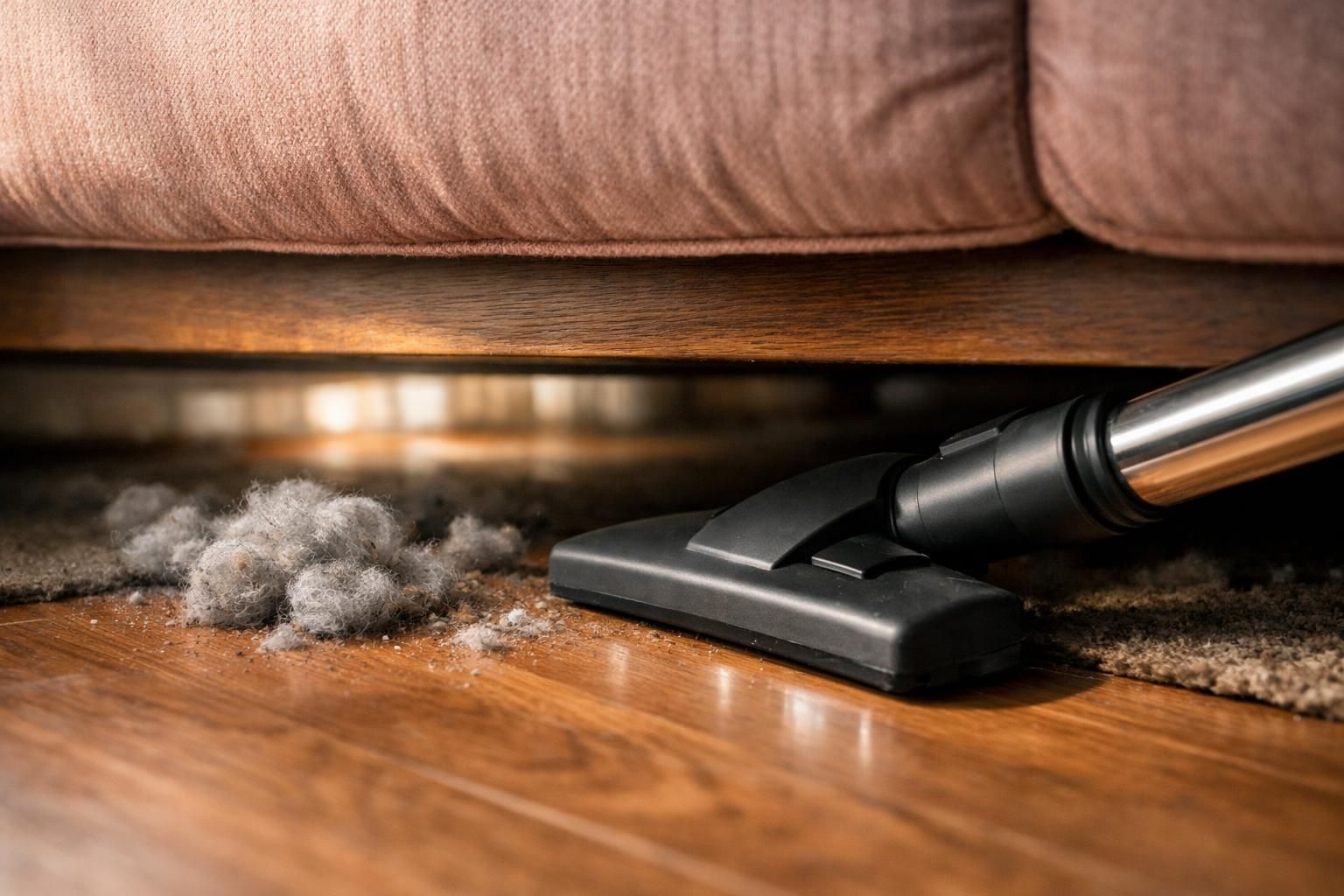
The right gear makes cleanup faster and keeps allergens from floating back into the air.
Vacuum with HEPA filter and attachments
A HEPA filter is a special air filter that traps very tiny particles. Paired with a vacuum, it grabs dust mites, dander, and fine debris from carpets and floors without sending them back into the room.
Use the crevice tool along baseboards and in corners. The upholstery tool clears sofas, drapes, and mattresses where crumbs and pollen hide. Families often notice fewer sniffles after switching to this setup and using it regularly.
Microfiber cloths for dusting
After vacuuming, hit surfaces a vacuum cannot reach. Microfiber cloths have tiny fibers that grab dust and hold it. They work on shelves, lamp shades, vents, and fan blades without puffing dust back into the air.
Dry rags slide dust around. A lightly damp microfiber cloth traps particles instead. Warm water is enough for most jobs, so harsh chemicals are not needed. The dense weave cleans faster and leaves a clean look with less effort.
Electrostatic dusters
Electrostatic dusters build a light charge that attracts dust and hair. Unlike a feather duster, they pull particles in and keep them there. That means less sneezing and better indoor air quality.
They slip into tight areas under beds or behind electronics where vacuums struggle. Use them with HEPA vacuuming and fresh HVAC filters for the best results.
Compressed air for tight spaces
Compressed air blasts dust from zones too small for a cloth or nozzle. A short spray behind the fridge, inside vents, or through keyboards breaks up hidden buildup.
Use quick bursts, keeping the can upright for safety. It is handy for game consoles and laptops too, which helps prevent overheating by removing lint and dust.
Step-by-Step Cleaning Strategy to Eliminate Dust Bunnies
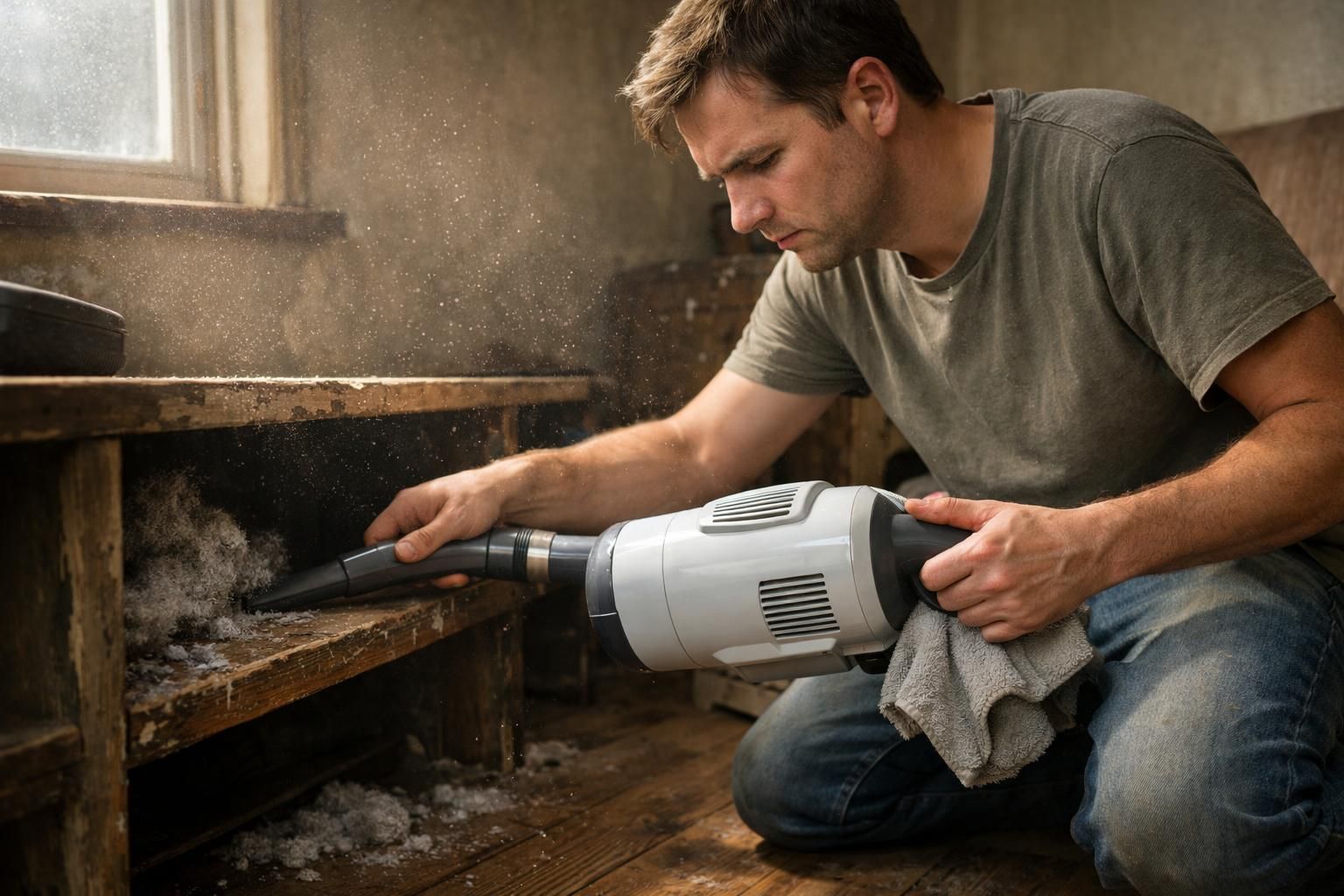
Grab the HEPA vacuum and a damp microfiber cloth. Follow these steps, top to bottom, for a fast win.
Start from high surfaces: Ceiling fans, vents, and light fixtures
High surfaces collect dust first, then drop it to the floor. Use a microfiber cloth or an electrostatic duster on fan blades, vent covers, and lights.
A HEPA vacuum with an extension wand pulls leftover particles from vents without a mess. For tiny corners, use compressed air to shake loose grime. Starting high prevents rework later.
Dust furniture and decor with damp microfiber cloths
Wipe tables, shelves, frames, and decor with a damp microfiber cloth. Dry wiping kicks up dust and dander, while a slightly wet cloth traps it.
Spray the cloth with warm water instead of spraying furniture. This protects finishes and electronics. Launder used cloths in hot water before moving to upholstery and floors.
Vacuum upholstery, carpets, and rugs
Upholstery and thick rugs hide a lot of fuzz. Run a HEPA vacuum over high-traffic carpet weekly. Low-traffic rooms can be done monthly. Clean upholstery one or two times per year to cut allergy flare-ups.
Use a turbo brush to reach inside cushions and along seams. Kids playrooms and the area under dining tables often need an extra pass.
Clean hard-to-reach areas like behind appliances and under beds
Slide appliances and furniture out a bit, then vacuum and wipe the space. A HEPA vacuum collects loose dust. A damp microfiber cloth handles sticky spots.
Compressed air helps with corners and cords. Aim for a deep clean every six months. Lost items often reappear, and indoor air quality improves right away. For heavy buildup or pests, consider a professional cleaning.
Finish with baseboards and corners
Baseboards and tight corners hold stubborn fluff. Use the crevice tool, then follow with a damp microfiber cloth for a final pass.
Do not skip door frames and floor edges. Once the edges shine, you are set up for habits that keep dust bunnies from returning.
Tips to Prevent Dust Bunnies from Returning
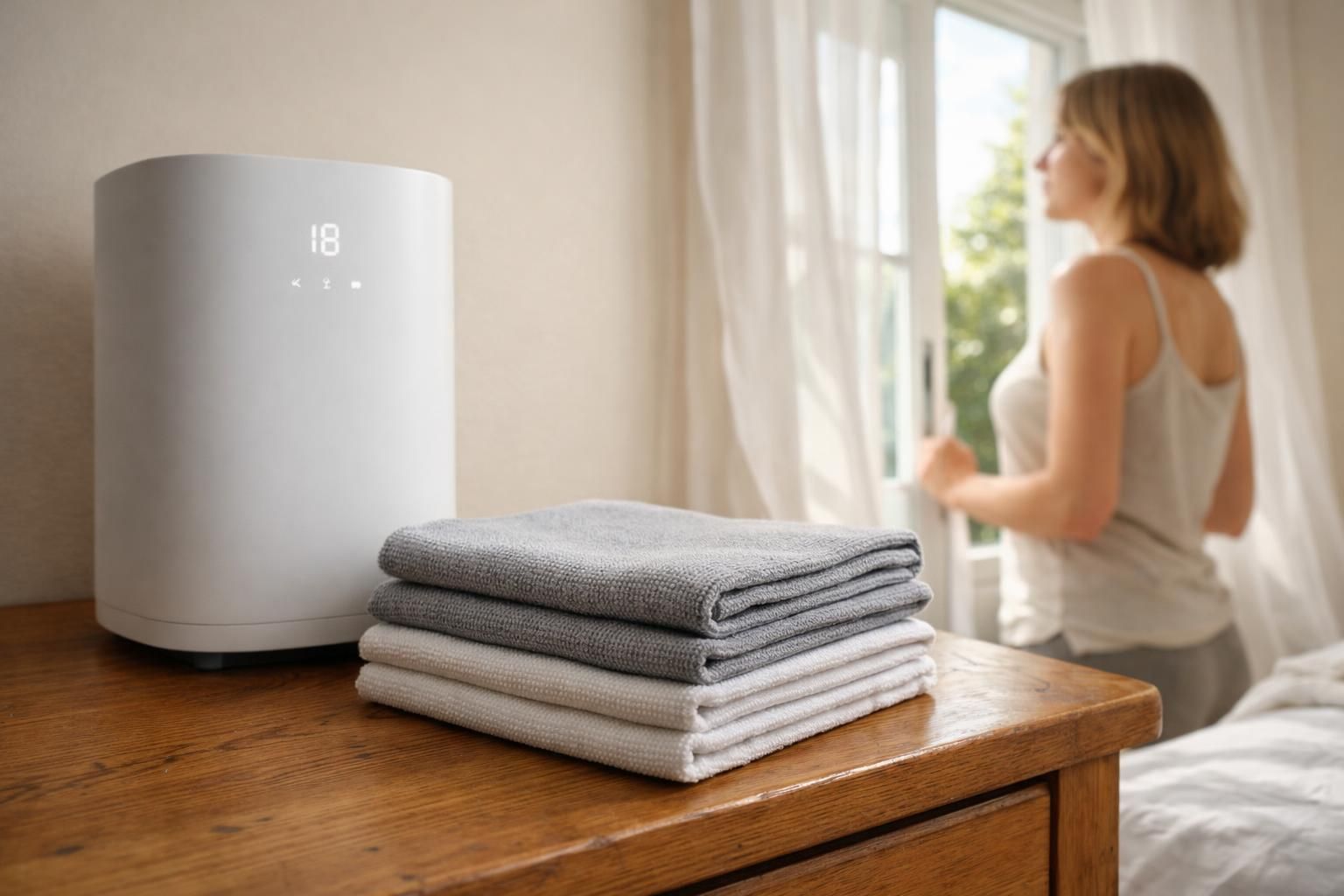
Dust bunnies love a comeback. A few steady habits keep them from building a new nest.
Vacuum and sweep weekly
Vacuum carpets and rugs weekly with a HEPA filter. It traps dander, dust mites, and fine grit hiding in fibers. Hard floors need regular sweeping so debris does not drift under furniture.
Run attachments over ceiling fans before vacuuming the floor. A microfiber cloth handles corners where fluff tries to settle. Turn on an air purifier after cleaning to reduce what stays airborne.
Keep clutter to a minimum
Piles of toys, magazines, and laundry give dust more places to land. Reducing clutter by even 30% cuts dust traps across the room.
Clear under beds and use bins with lids. It makes sweeping easier and keeps particles contained. Donate extras each season so cleaning stays quick and simple.
Wash fabrics like bedding, curtains, and rugs regularly
Bedding, curtains, and throw rugs hold on to dust mites and dander. Use hot water to wash them at least once every week or two. Many families notice fewer sniffles after switching to hot cycles for sheets and pillowcases.
Vacuum rugs with a HEPA filter before washing to remove loose grit. Quick routines stop dust bunnies from turning soft surfaces into permanent homes.
Change HVAC filters and use air purifiers
Fresh HVAC filters keep particles from looping through the house. Swap them every three months, or sooner if pets or kids kick up dust.
Air purifiers with HEPA filters capture microscopic allergens before they land. Place one in the main living area or bedroom for steady coverage. Check floor vents and nearby baseboards after filter changes, then clean any visible buildup.
Maintain indoor humidity levels below 50%
Dry air slows dust mites and helps prevent mold. Keep indoor humidity under 50% using a dehumidifier or strong bathroom fan.
A small digital hygrometer shows humidity at a glance. Line-dry laundry outside when possible. Less moisture means fewer places for dust to stick.
Natural Methods to Improve Air Quality and Reduce Dust
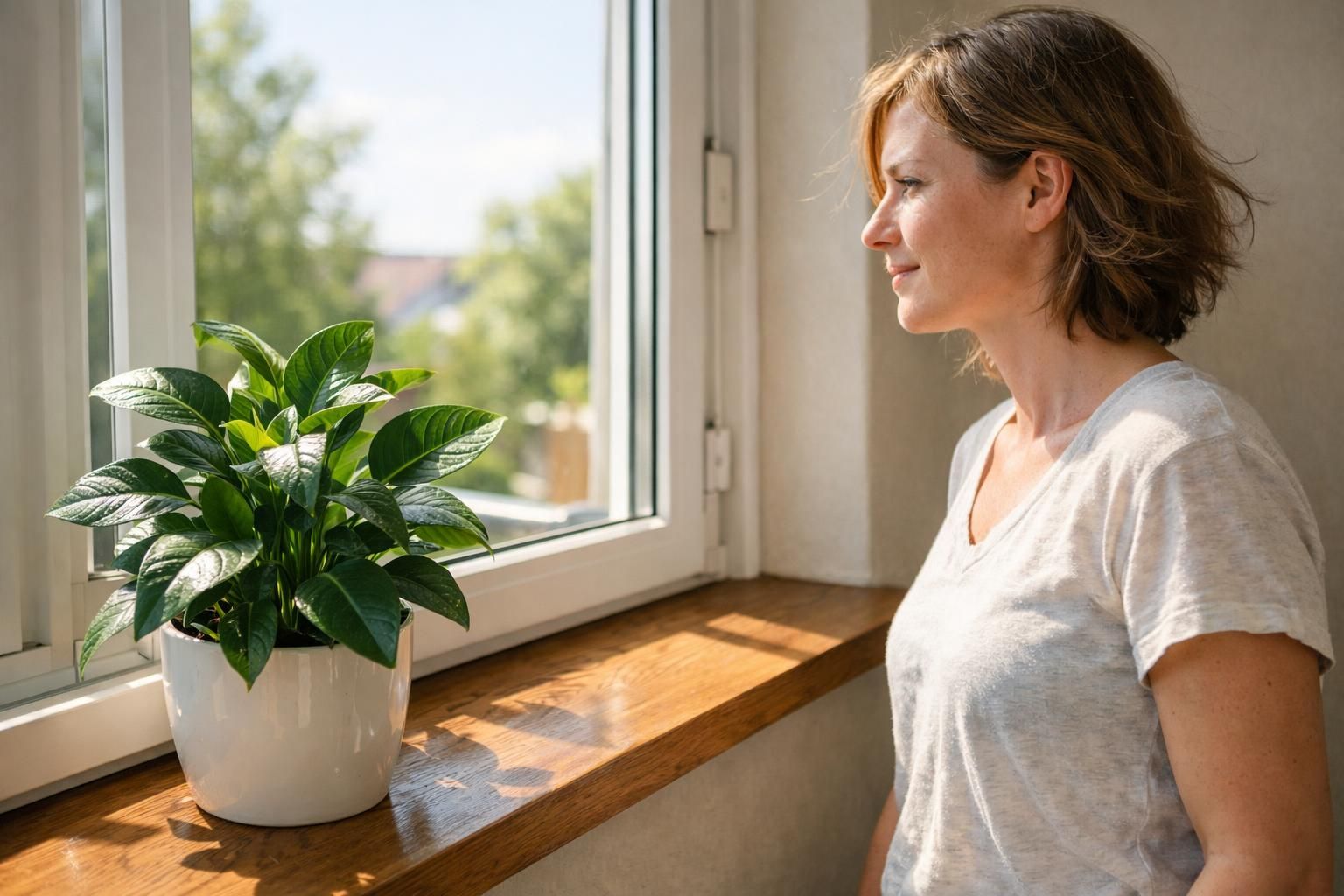
Small natural tweaks can freshen the air and cut dust without heavy products.
Use essential oils as natural air fresheners
Mix a few drops of lavender, lemon, or tea tree oil with warm water in a spray bottle. Lightly mist curtains, rugs, and upholstery to tackle stale odors.
Some families place peppermint oil on cotton balls behind furniture for a clean scent. Set them near return vents so the HVAC system spreads the aroma.
Add air-purifying plants to your home
Snake plants, spider plants, and peace lilies act like gentle filters. NASA’s 1989 study suggested certain plants can help reduce airborne pollutants indoors.
Rubber trees and pothos are hardy and easy to wipe clean. Keep leaves dust free with a damp microfiber cloth so they keep working well. Kids enjoy caring for them, and parents like the calmer air.
Conclusion
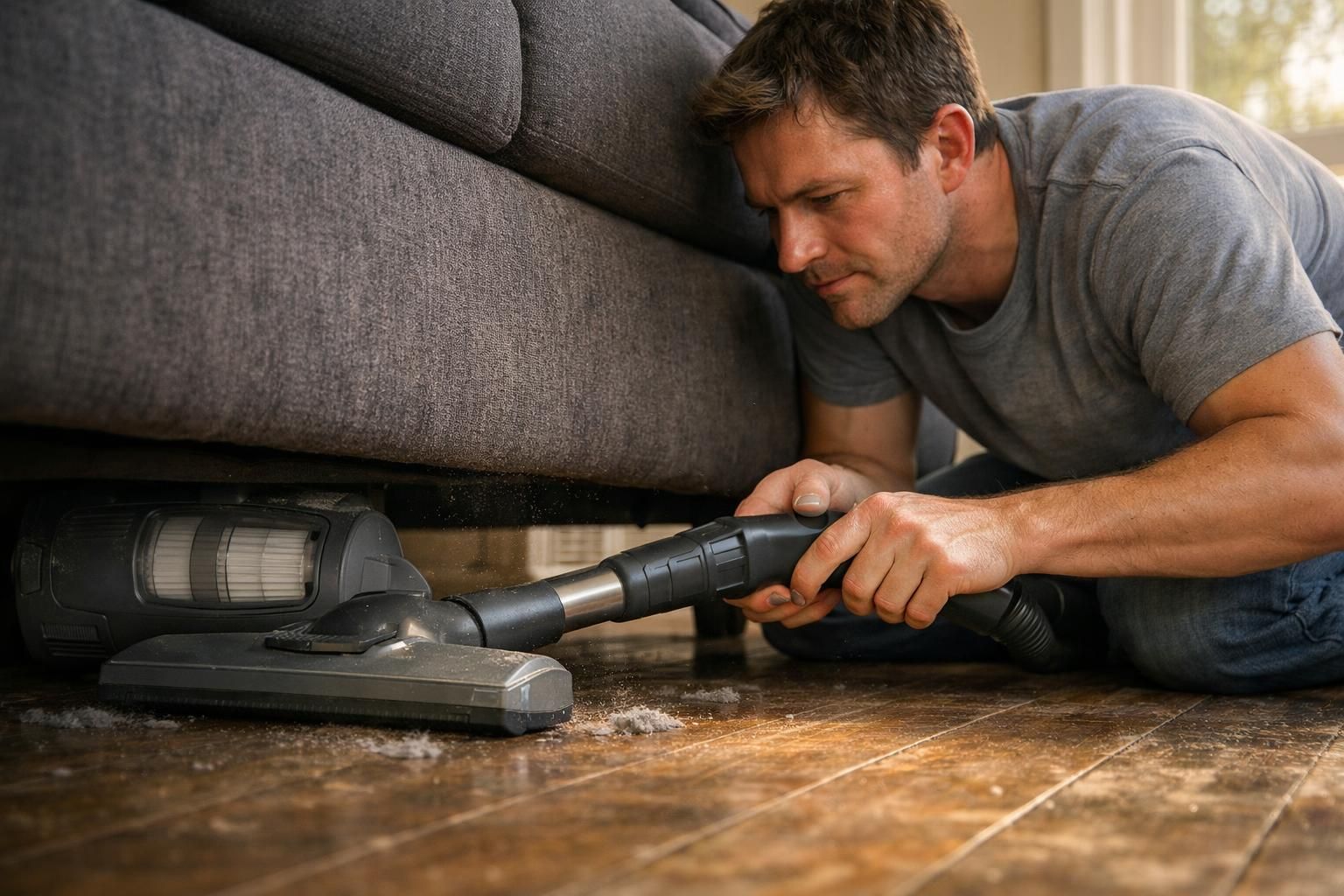
Dust bunnies gather where eyes do not go, like under couches and beds. With a HEPA vacuum, microfiber cloths, and steady habits, they do not stand a chance. Ceiling fans and vents need love too, since they feed the fuzz.
Stay ahead with weekly cleaning, hot-water laundry, and fresh air filters or an air purifier. Keep humidity under 50% to slow dust mites. Anyone with asthma or severe allergies should talk with a healthcare professional for personalized advice.
Spot them early, clear them fast, and breathe easier at home. A cleaner routine equals cleaner air, one pass of the vacuum at a time.
FAQs
1. Why do dust bunnies keep coming back even after I clean?
Dust bunnies form from pet dander, dead skin cells, and dust mites that float around your home. Ceiling fans stir them up. If you skip regular cleaning or use the wrong tools, they gather fast.
2. What is the best way to get rid of dust bunnies for good?
Use a damp microfiber cloth on hard surfaces so particles stick instead of flying away. Clean under furniture and behind appliances often. Swap out old air filters and run an air purifier with a HEPA filter to trap tiny bits in the air.
3. Do certain cleaning tools work better than others against dust bunnies?
Yes, some tools make all the difference. Microfiber cloths grab more debris than paper towels or feather dusters ever could; they hold onto pet dander and dead skin cells like magnets.
4. Can changing my habits help prevent new dust bunnies from forming?
Absolutely! Wash bedding weekly since it collects dead skin cells and attracts dust mites fast. Keep pets groomed to cut down on loose fur floating into corners where those pesky clumps hide out waiting for company.