
Streaks on stainless steel can make even the cleanest kitchen look messy. People often wipe down their stainless steel fridge or sink, only to find more smudges and water spots than before.
Cleaning a stainless steel surface without leaving streaks can feel like a losing battle. Sometimes it’s just like trying to keep house cleaning up to date.
Here’s something important: using warm water and a little dish soap is the most trusted way to cut through grease and grime on your appliances or cookware. Add in the right microfiber cloth, skip harsh cleaners like bleach or steel wool, and you are already halfway there.
This guide will share simple steps, natural options like vinegar solution or baking soda paste, plus safe commercial products for cleaning stainless steel. It covers tips for sinks, stoves, non-stick pots and pans too.
Ready for spotless shine? Keep reading to get all the tricks!
Key Takeaways
- Use warm water and mild dish soap with a microfiber cloth for basic cleaning. This approach is effective for removing fingerprints, grease marks, and other smudges without damaging stainless steel surfaces.
- For tougher stains or hard water spots on stainless steel, apply natural cleaners like a 50/50 vinegar-water solution or baking soda paste. These methods are safe and avoid the use of harsh chemicals.
- Always dry stainless steel surfaces immediately after cleaning using another clean microfiber towel to prevent water spots and maintain a streak-free shine.
- Avoid using abrasive scrubbers such as steel wool, harsh chemicals, or any cleaning tools that can scratch the surface of your appliances.
- Cleaning with the grain of the stainless steel prevents scratches and helps achieve better results in keeping your appliances looking shiny and new.
Understanding Stainless Steel and Its Challenges

Stainless steel looks sleek, but it attracts water spots and fingerprints like a magnet. Cleaning stainless steel can seem tricky, but knowing how its surface reacts to different cleaning products can help everyone get that streak-free shine.
Why Stainless Steel Shows Streaks
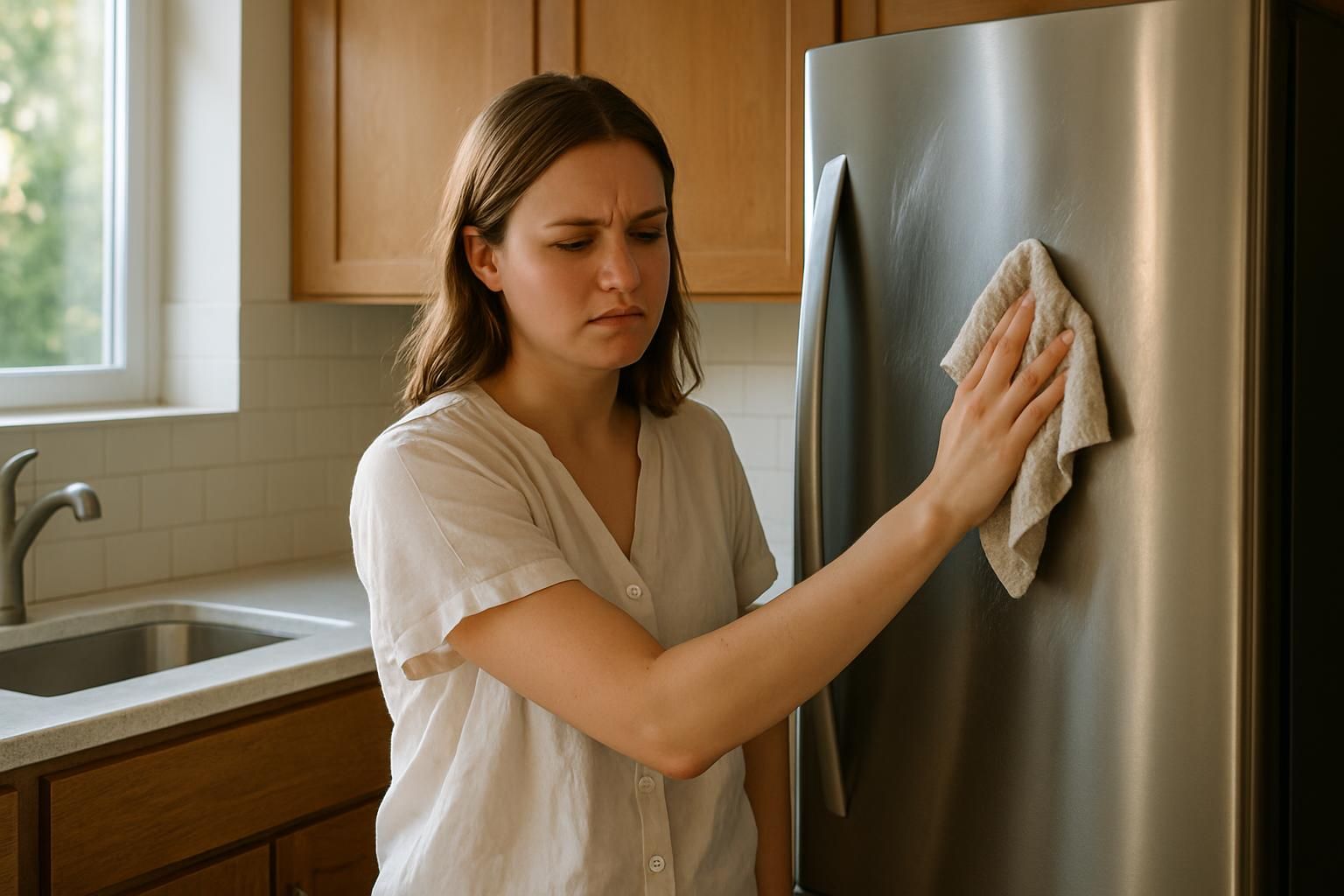
Sleek surfaces like stainless steel love to show off every fingerprint, water spot, and smudge. Parents wiping down their shiny fridge with a damp rag might notice more streaks than before.
That’s because oil-based residues from olive oil or even baby fingers create sticky buildup, which grabs dust and grime like a magnet. Hard water spots leave behind dull marks that catch the light in all the wrong ways.
Using the wrong cleaning products can add insult to injury. Harsh cleaners strip natural luster but leave patchy residue behind. Glass cleaner sprayed on appliances sometimes leaves trails if not wiped with a microfiber cloth.
Even household vinegar in too strong a mix may cause hazy lines rather than a streak-free shine. Matching your cleaning method and tools to your stainless-steel products makes all the difference for parents tired of chasing smudges on busy days.
Importance of Cleaning with the Grain
Stainless steel has a natural grain, running either vertically or horizontally. This matters more than most folks think. Wiping with the grain, instead of across it, helps prevent smudges and scratches.
Parents tackling a stainless steel refrigerator might notice fewer streaks after following this simple trick. One sideways swipe can leave lines that catch light and mark up even brand-new stainless steel appliances.
Using a microfiber cloth in the direction of the grain means everyday cleaning products like vinegar solution or dish washing liquid work better too.
Steel wool should never touch the surface; stick to soft cloths and always move with the grain for optimal results on all stainless steel products, from sinks to hobs to non-stick pans.
Basic Cleaning Methods for Stainless Steel
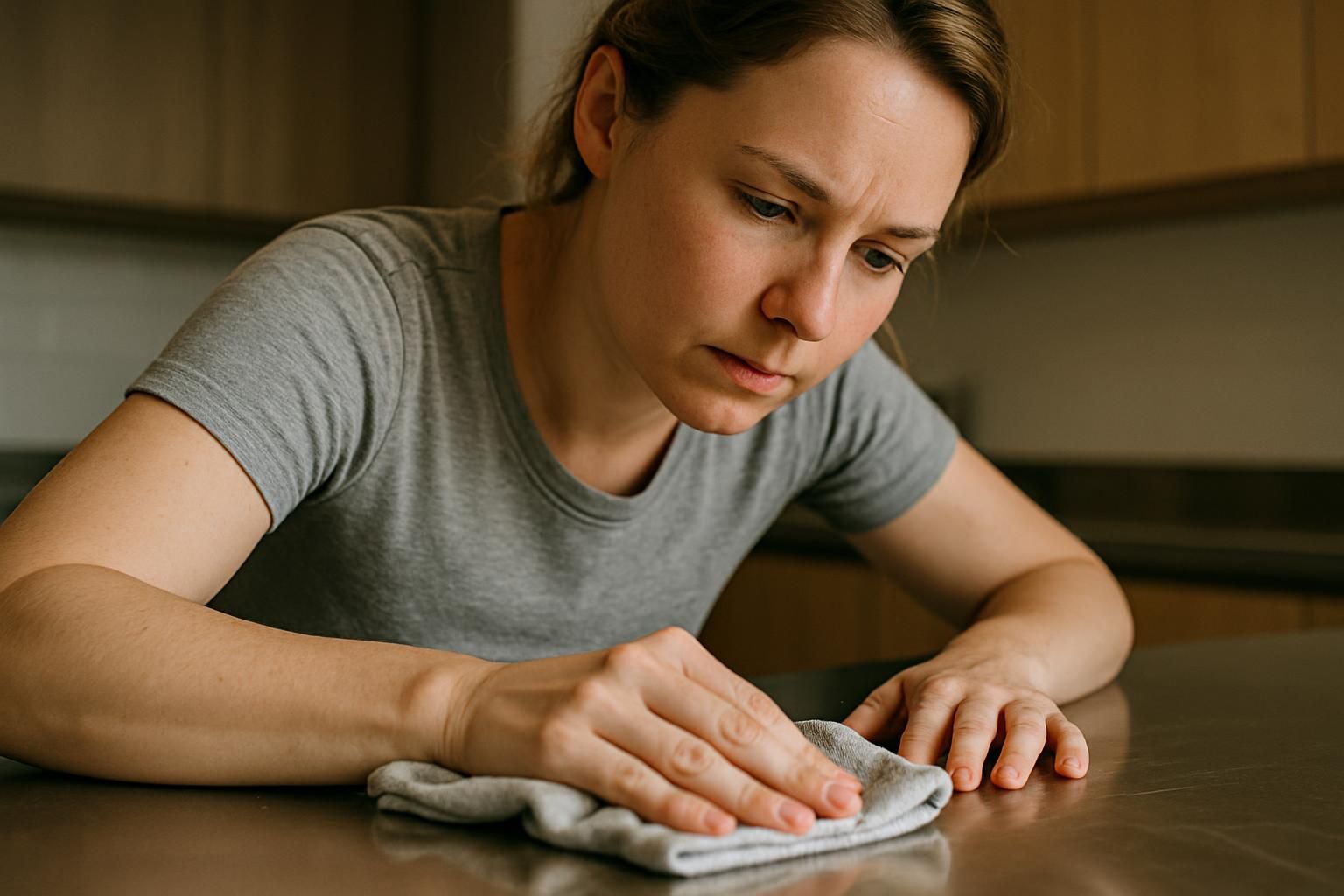
Cleaning stainless steel does not have to be hard or fancy. Grab a soft microfiber cloth and some warm water, and you are already halfway to that streak-free shine.
Warm Water and Mild Dish Soap
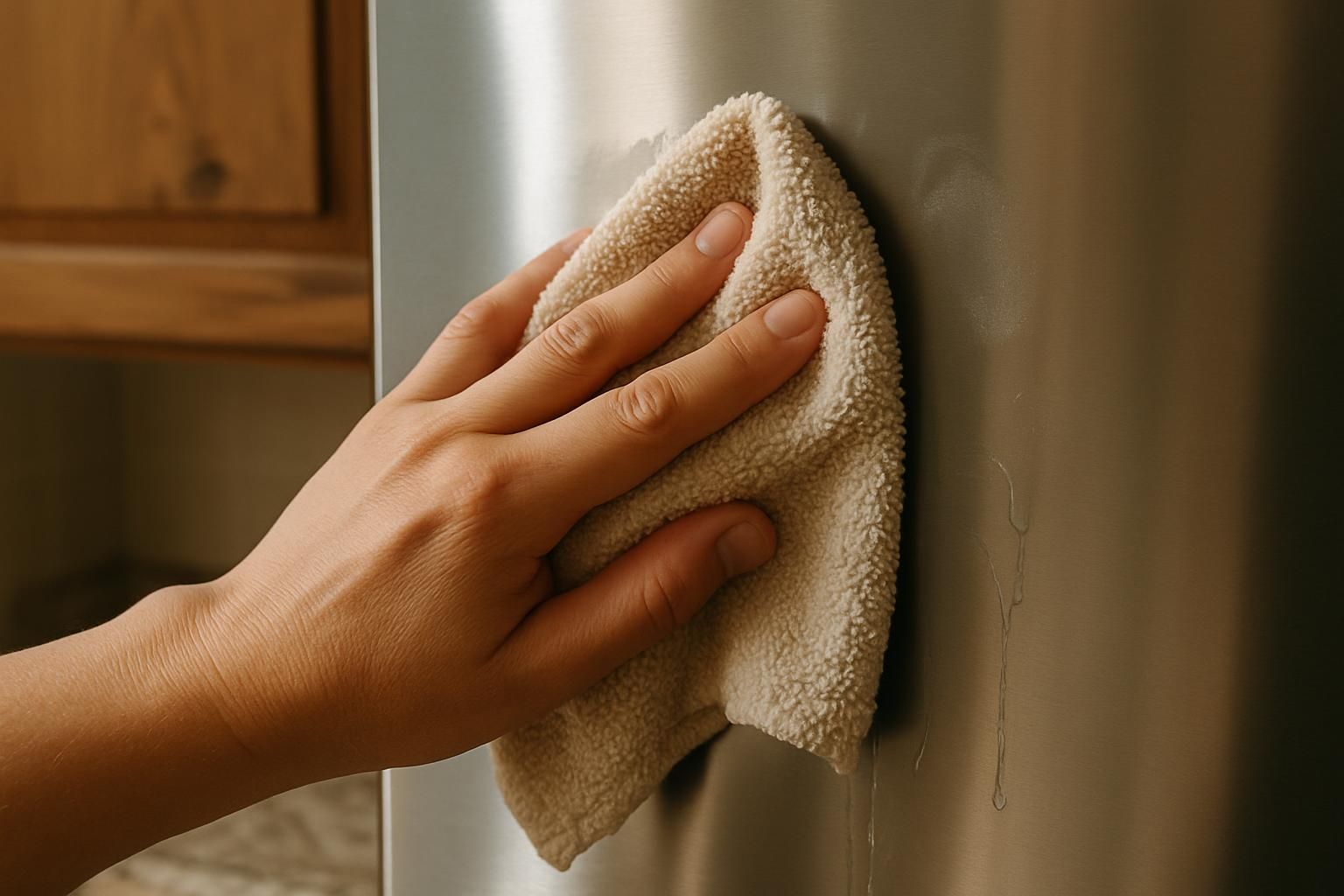
Mix a few drops of mild dish soap in warm water to create the best cleaning solution for stainless steel. Dip a non-scratch scrub sponge or soft microfiber cloth into the sudsy water, then wipe with the grain of your appliance or cookware.
Dish soap is gentle and won’t damage stainless steel’s resistance to corrosion. Most fingerprints, grease marks, and smudges vanish in seconds using this simple method.
Rinse any soapy residue away with clean water, then dry immediately with a fresh microfiber towel. This step prevents water spots and streaks from forming on the surface.
Up next: discover how microfiber towels take your streak-free shine even further.
Microfiber Cloths for Streak-Free Results
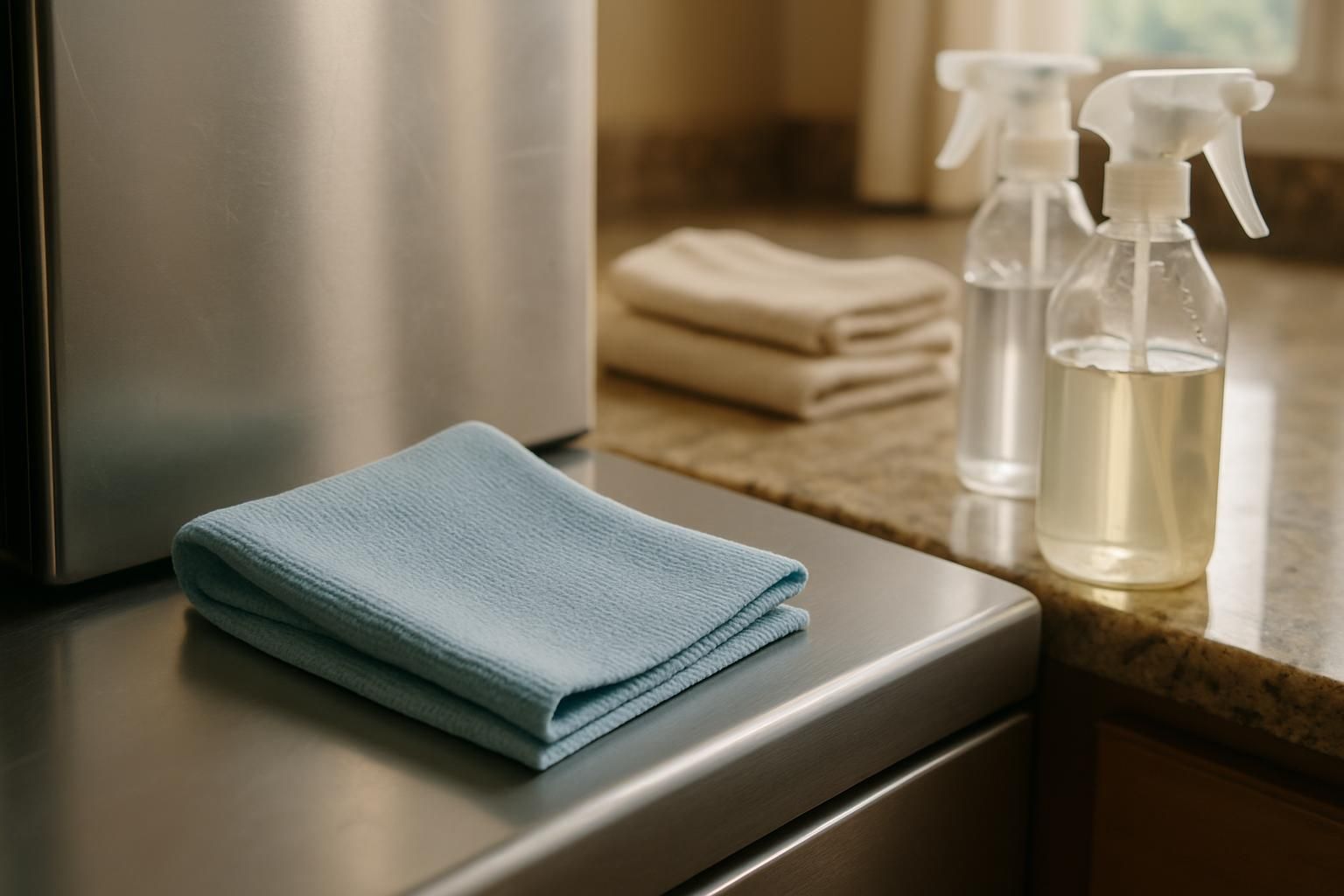
After scrubbing stainless steel with warm water and mild dish soap, many people grab whatever towel is nearby. Microfiber cloths work better than paper towels for getting a streak-free shine on stainless steel appliances.
These soft fibers lift grime without scratching or leaving lint behind. Even seven-year-olds can help wipe away fingerprints using these handy cleaning products.
A dry microfiber towel buffs away leftover moisture to prevent water spots from forming on the metal surface. Steel wool and harsh scrub pads might scratch the shiny finish, but a good microfiber cloth keeps that risk at bay.
People who use vinegar solution or stainless steel cleaner should always follow up with a fresh microfiber cloth for best results. For anyone wanting quick stain removal without any fuss, this simple tool makes all the difference in household cleaning routines.
Natural Cleaning Solutions for Stainless Steel

Sometimes, homemade remedies can outshine store-bought cleaners. Explore what white vinegar and baking soda can do for your stainless steel’s shine.
Vinegar and Water Solution
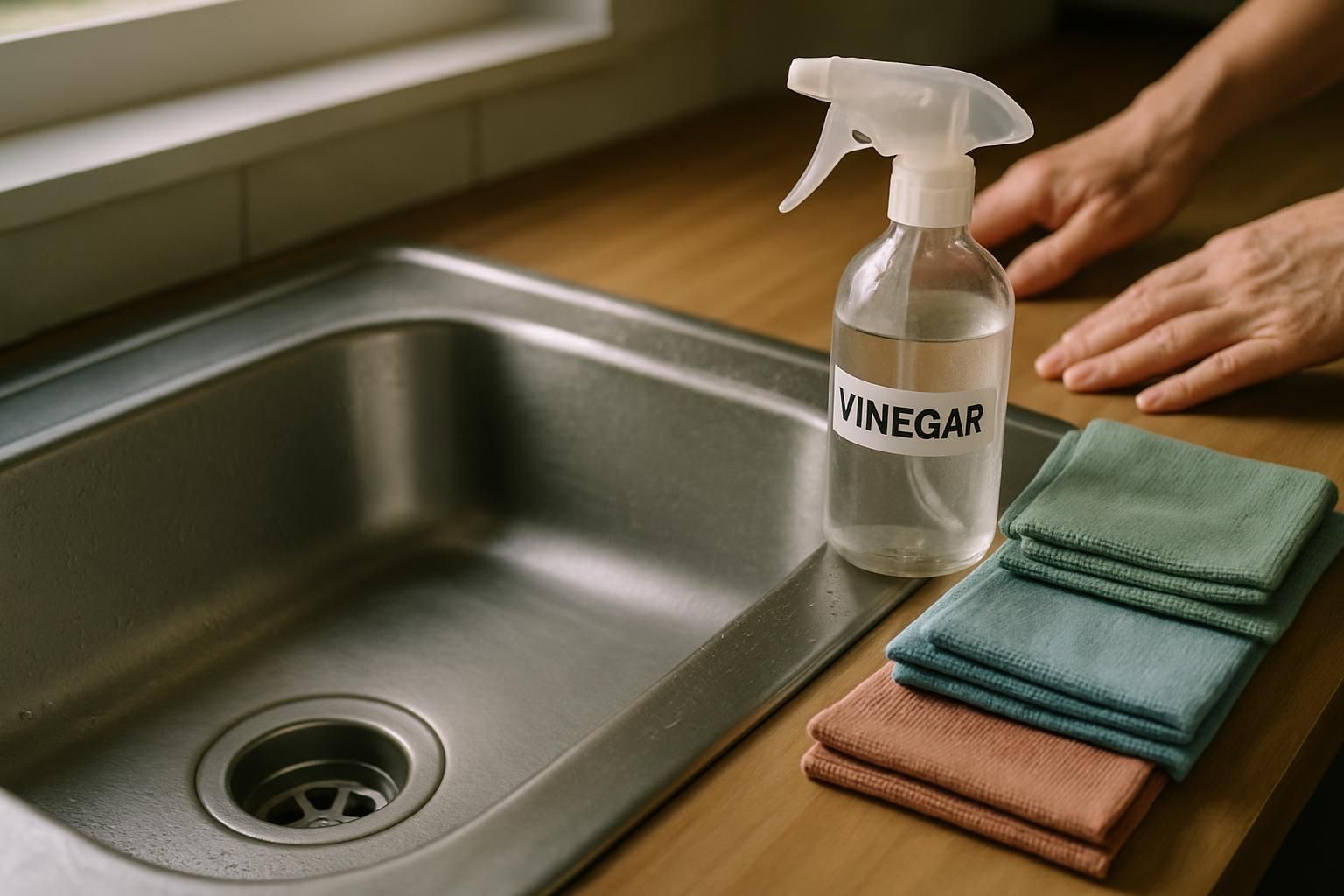
A 50/50 mixture of white vinegar and water works wonders on stainless steel appliances. Parents can grab a spray bottle, pour in equal parts distilled vinegar and warm water, then spray directly onto the surface.
Microfiber cloths help lift away stubborn water spots, leaving a streak-free shine that lasts. For tough hard water stains or bits of rust, undiluted white vinegar packs extra punch.
After wiping down surfaces with the vinegar solution, it helps to dry everything right away using a clean cloth. This quick step prevents new water spots from forming and keeps the finish looking fresh.
Many homeowners swear by this simple method for regular cleaning since it skips harsh chemicals and pricey stainless steel cleaners altogether.
Baking Soda Paste for Tough Stains
Vinegar does wonders for most marks, but some stains on stainless steel appliances refuse to budge. Stuck-on spaghetti splatters or burnt food from last night’s dinner need something stronger.
Baking soda steps up here as the hero of stain removal.
Mix baking soda with a little water until it forms a thick paste. Use a soft microfiber cloth or non-scratch pad and scrub in the direction of the grain never against it. This gentle method keeps streaks away and protects your shiny surface.
Rinse all traces of baking soda off with warm water, then dry right away with another clean towel for that unbeatable streak-free shine. Stainless steel will look brand new in no time, giving parents and house owners fewer reasons to stress about stubborn spots or sticky fingerprints again.
Lemon for Removing Rainbow Stains
Squeeze fresh lemon juice directly onto those stubborn rainbow stains left by high heat on stainless steel pans. The natural acid in lemons reacts with the oxide layer, helping lift discoloration quickly without harsh chemicals.
Scrub gently with a soft microfiber cloth or a non-abrasive sponge to avoid scratching the surface. For tough spots, let the lemon juice sit for several minutes before wiping clean and rinsing well.
Most parents find this method friendly for both kids and kitchenware no odd odors or toxic residue left behind. Lemon works wonders alongside other stain removal products like vinegar solution or baking soda paste if a deeper clean is needed.
Skip steel wool here; it’s too rough and can ruin that streak-free shine you want on your stainless steel appliances and cookware.
Commercial Products for Cleaning Stainless Steel
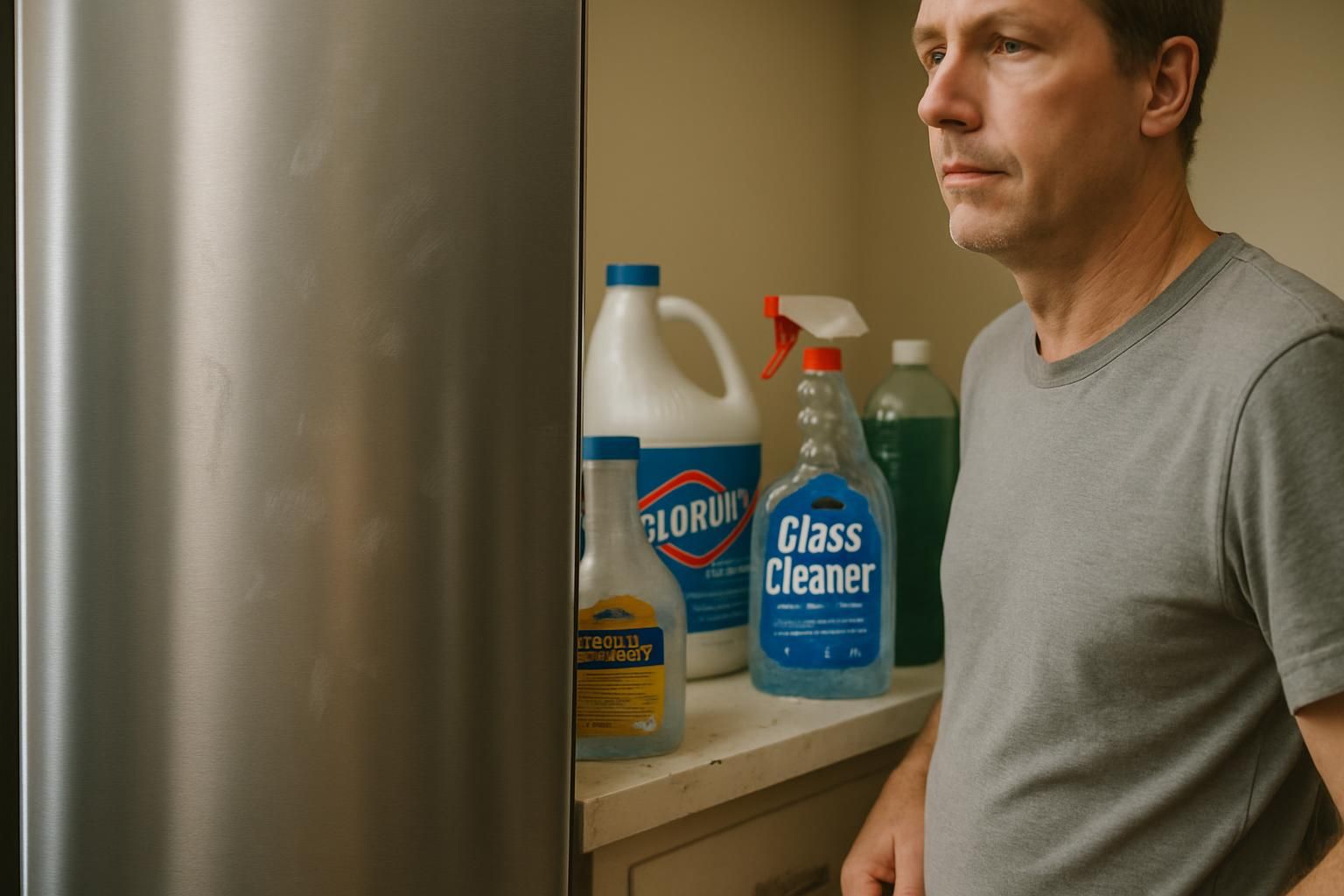
Some cleaners and sprays promise a shiny finish for stainless steel appliances. Many parents swear by them, but the real trick is knowing which brands leave your fridge looking spotless without any water spots.
Stainless Steel Cleaners and Polishes
Barkeeper Friend Soft Cleanser, the liquid version, wipes out rust and hard water stains on stainless steel appliances without leaving scratches. Spray Away stainless steel cleaner sprays on smoothly and tackles fingerprints with ease.
Oil-based cleaners add shine but attract dust if overused; apply sparingly to avoid a sticky mess that seems to grab every fleck of dirt in the house.
Powdered cleaners scratch surfaces, so always skip them for your kitchen or bathroom fixtures. Stainless steel polishes leave sinks and refrigerators gleaming when used right after wiping down with a microfiber cloth.
Commercial cleaning products speed up stain removal and keep those stubborn water spots away longer than plain soap and water alone.
Glass Cleaners for Shine
Many house owners trust glass cleaners to boost the shine on their stainless steel appliances. A 1:1 mixture of water and rubbing alcohol in a spray bottle works well for streak-free results.
Spray this solution directly onto the stainless surface. Wipe clean with a microfiber cloth, always moving along the grain, not across it. This trick removes stubborn smudges and fingerprints fast.
Parents notice that store-bought glass cleaners breeze through tough spots too. Just spray lightly and wipe away water spots or food splatters using short strokes, always following the metal’s grain lines to avoid marks.
Households often rely on this simple method since it brings out a brilliant finish without extra polish or harsh chemicals.
Techniques like these change depending on whether you’re cleaning large kitchen appliances, cookware, or sinks next
Techniques for Specific Stainless Steel Items

Different stainless steel items need a few tweaks in how you clean them. From fridges to cookware, each type shines best with the right technique and handy tools like microfiber cloths or baking soda paste.
Cleaning Stainless Steel Appliances
Maintaining the luster of stainless steel appliances can be a balancing act. Get it right, and they twinkle like the crown of the Chrysler Building; get it wrong, and you’re left with marks that attract every glance. Here’s how to keep them sparkling without breaking a sweat.
Firstly, combine warm water with mild dish soap. This pair does wonders for smudges and grime. Following this, take a microfiber cloth for cleaning surfaces. These cloths don’t leave lint behind or scratch the steel. Always wipe in the direction of the grain; it keeps things looking glossy.
For tougher spots, vinegar and water come to the rescue. Adjust your spray bottle for a fine mist to avoid runs. Baking soda paste deals with those stubborn stains that refuse to go away. Apply gently with a soft sponge.
Lemon juice excels at tackling rainbow stains; it’s like magic without performing any tricks. Stainless steel cleaners are your remedy for a comprehensive shine if natural methods don’t suffice. They’re crafted specifically not to harm surfaces.
Glass cleaner isn’t just for windows; test it out for an extra shine on stainless steel appliances too. Just steer clear of it on fingerprint-resistant or black models unless you want issues.
Regarding issues, avoid abrasive scrubbers and severe chemicals. They cause more issues than solutions by scratching or dulling your appliances’ finish.
And ensure to dry thoroughly with another clean microfiber cloth after each wash to avoid water spots that stand out like sore thumbs.
Regular cleaning preserves the attractiveness and also extends the lifespan of your appliances, making them look brand new for many more years.
So there it is, folks: basic steps to keep your stainless steel partners radiant without any streaks in sight.
Cleaning Stainless Steel Pans and Cookware
Cleaning stainless steel pans and cookware can test anyone’s patience. However, getting that streak-free shine is possible with the right approach.
- Start with the basics: wash your pan with warm water and a little dish soap. This method is gentle yet effective.
- For stubborn food bits, soak the pan first. Then use a Lodge plastic scraper to carefully remove the remains without leaving scratches.
- Encountered burnt food? Fill the bottom of your pan with water, add a few drops of dish soap, and simmer on medium for about 10-15 minutes. Once it cools down, give it another scrub.
- Sometimes the bottom of pans gets grimy and can mess up glass cooktops. To tackle this, dampen the pan, sprinkle some Barkeeper’s Friend on it, and use a non-scratch sponge to scrub. Let it sit for 1-5 minutes before rinsing well.
- Dry everything with a soft cloth immediately after washing to prevent water spots from forming.
- A vinegar solution helps too. Mix equal parts of water and vinegar in a spray bottle for quick touch-ups.
- Baking soda paste is great for tough stains. Just apply, let it sit for a bit, then wipe off.
- Lemon juice works wonders for rainbow discoloration on stainless steel. Rub half a lemon over the surface and watch the magic happen.
- Use microfiber cloths when drying or applying any cleaning solution to avoid streaks.
- For an extra shine, put a tiny amount of olive oil on a cloth and rub it into the steel in circular motions.
Following these steps will keep your stainless steel pans looking as good as new without too much elbow grease or frustration.
Cleaning Stainless Steel Sinks and Faucets
Keeping stainless steel sinks and faucets clean can feel like a magic trick gone wrong. But with the right approach, you can make those water spots disappear without a trace.
- Start with warm water and mild dish soap. This simple mix can tackle everyday grime.
- Use a non-scratch scrub sponge, like Scrub Daddy or Scrub Mommy, for tougher stains without hurting the finish.
- Always wipe and clean with the grain of the stainless steel to prevent scratches.
- After scrubbing, rinse the area thoroughly to remove any soap residue.
- Dry immediately with a microfiber towel. This step is crucial for avoiding water spots and maintaining shine.
- For stubborn water spots, apply white vinegar with a soft cloth, then rinse and dry.
- Olive oil works wonders for polishing stainless steel sinks and faucets after cleaning.
- Avoid using abrasive scrubbers or harsh chemicals that can damage stainless steel surfaces.
Next up: Tips for keeping your kitchen appliances looking their best.
What to Avoid When Cleaning Stainless Steel
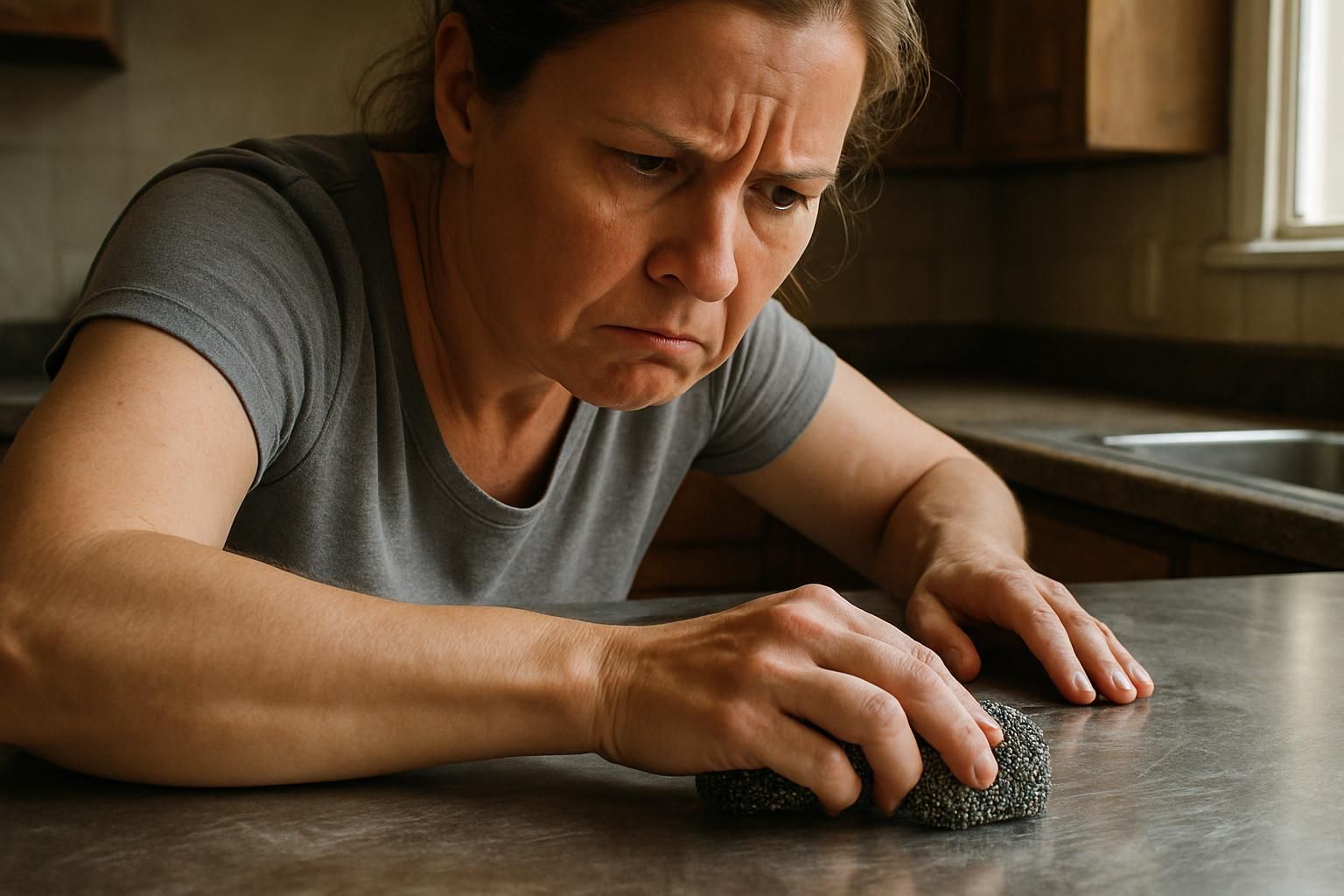
Steer clear of steel wool or rough scrubbers, as these can scratch and dull your stainless steel quicker than you can say water spots curious what else to skip? Keep reading!
Abrasive Scrubbers and Harsh Chemicals
Steel wool and other abrasive scrubbers scratch stainless steel. Even one swipe with a rough pad can leave scars that collect dirt and cause more water spots. Bleach, oven cleaners, and harsh chemicals do not play nice either.
These strong cleaning products attack the metal, leaving stains or permanent damage behind.
Many people believe olive oil makes appliances shine, but it leaves sticky marks that attract fingerprints like magnets. Baby oil causes similar headaches for parents with curious kids at home.
Instead of saving time, these tricks often create long-term cleaning problems on appliances or sinks. Stick to microfiber cloths, warm water, gentle dish soap, or a vinegar solution for safe stain removal and a streak-free result every time.
Cleaning Against the Grain
Swiping a microfiber cloth or sponge against the grain on stainless steel appliances causes fine scratches. These tiny lines scatter light and create streaks that catch every fingerprint, water spot, and splash of tomato sauce.
Big box brands like Whirlpool and Frigidaire always design their stainless steel with a clear grain pattern so owners can quickly see which way to wipe.
People often scrub hard using baking soda paste or reach for harsh cleaning products to remove stubborn spots, but moving across the grain only makes things worse. Each crosswise rub digs into protective layers and dulls that shiny finish.
To keep surfaces looking bright without damage, everyone should clean along the visible lines instead. This one simple habit protects new fridges, stoves, and sinks from turning cloudy before their time.
Tips for Maintaining a Streak-Free Shine
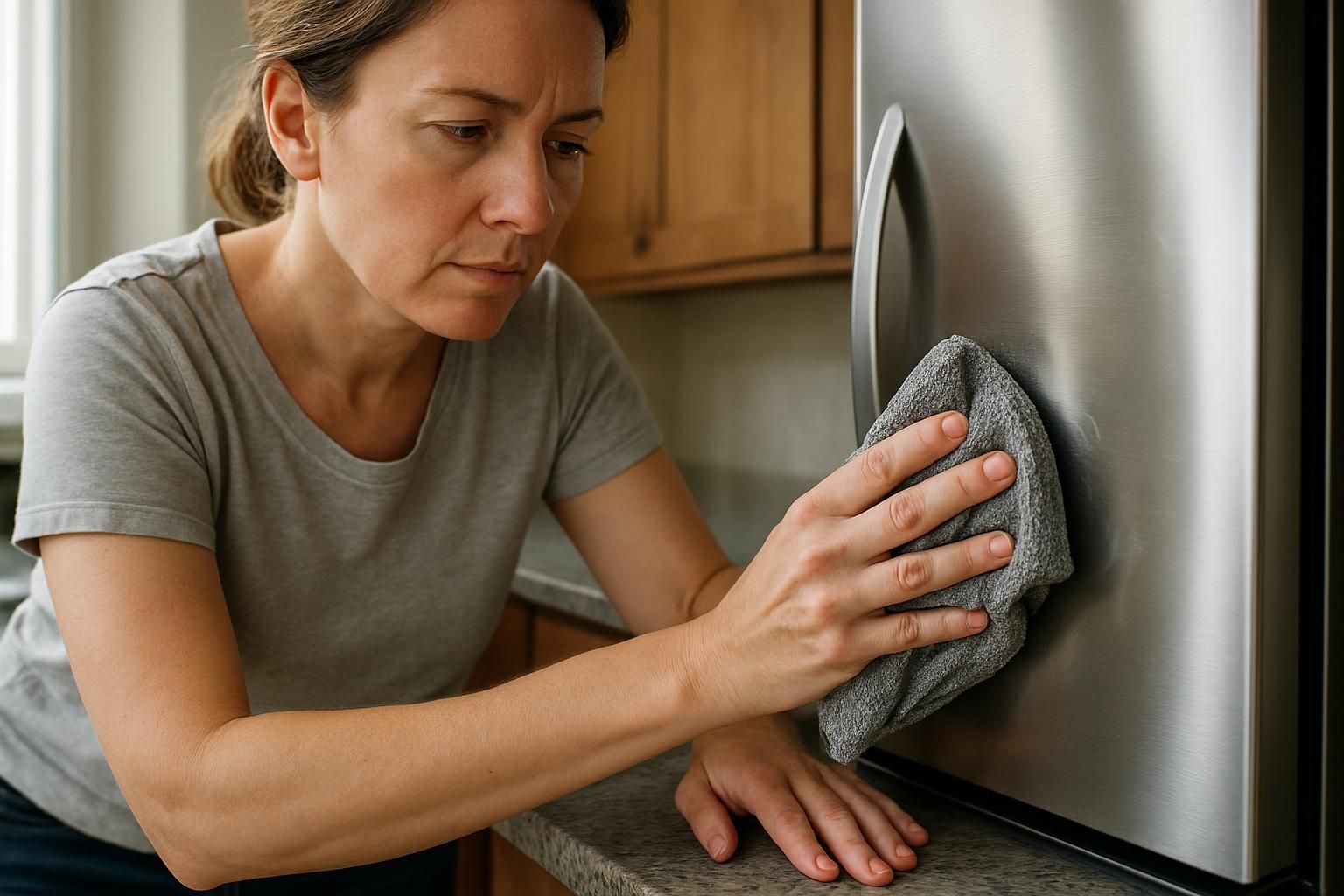
Wipe stainless steel with a dry microfiber cloth and a dab of olive oil simple tricks keep those stubborn water spots away, so read on to outshine yesterday’s chores.
Drying with a Soft Cloth
Dry stainless steel with a separate, soft cloth right after cleaning. This simple move fights water spots like a superhero and keeps streaks away. Air drying often leaves marks that dim the shine of kitchen appliances and sinks.
Microfiber cloths work best for this job since they grab moisture fast and avoid scratching. Parents and homeowners can finish each wipe-down with this step for lasting sparkle.
Many experts in cleaning recommend using these towels instead of paper ones or old t-shirts. Paper towels sometimes leave lint behind while harsh rags cause tiny scratches over time.
Even a quick pass with a clean microfiber towel removes every trace of water from faucets, pans, or fridge doors. Stainless steel surfaces reward the effort by reflecting light beautifully without any hint of dullness or cloudiness.
Regular and Preventative Cleaning
After wiping with a soft cloth, regular and preventative cleaning keeps stainless steel appliances looking fresh longer. Clean surfaces right after use to stop stains, fingerprints, and water spots from sticking around.
A quick wipe of the refrigerator door or sink with warm water and mild dish soap every day works wonders. Make it a habit to use microfiber cloths instead of old rags since they trap dust better and help prevent scratches.
Households with kids know that smudges appear out of thin air cheese-covered fingers love shiny things! Stick to gentle products; avoid harsh chemicals like chlorine bleach or steel wool pads which can harm the finish.
Use natural cleaners such as vinegar solution for day-to-day upkeep, but always dry each spot quickly so streaks do not form.
Conclusion
Anyone can achieve a streak-free shine on stainless steel with the right moves. A simple mix of warm water and mild dish soap does the trick for daily cleaning. A soft microfiber cloth wipes away fingerprints without scratching. Buffing with a dry towel leaves surfaces gleaming like new.
Additional Safety and Eco-Friendly Cleaning Tips
For a safe and eco-friendly approach to cleaning stainless steel, use a soft cloth with warm, soapy water and wipe with the grain. Use a 50/50 mix of water and white vinegar as a vinegar solution or a 1:1 water and rubbing alcohol solution for a streak-free shine.
Dry each surface with a separate cloth to prevent water spots.
Basic cleaning steps can support effective stain removal and help preserve your appliances. Follow these steps:
- Mix a few drops of mild dish soap with warm water.
- Use a soft or microfiber cloth to wipe the surface in the direction of the grain.
- Rinse the cloth with clean water and wipe the surface again to remove soap residue.
- Dry the surface thoroughly with a separate, soft, dry cloth to prevent water spots.
For smudges and shine, prepare a solution as follows:
- Mix equal parts white vinegar and water in a spray bottle; spray the solution, then wipe with a microfiber cloth following the grain and dry with a clean cloth.
- Mix equal parts rubbing alcohol and water in a spray bottle; spray on the surface, wipe with a microfiber cloth in the direction of the grain, and let the surface air dry or wipe with a dry cloth.
For tougher jobs or burnt-on food, try these methods:
- Create a paste of baking soda and water. Apply it to the area and gently scrub in the direction of the grain with a soft cloth or non-scratch pad. Rinse thoroughly and dry.
- Add water to cover the burnt area in a pan, then add a few drops of dish soap. Heat the mixture and let it simmer for 10-15 minutes to loosen burnt-on food before scrubbing.
What to avoid:
- Do not use abrasive cleaners, steel wool, paper towels, or harsh scrubbing pads because they can scratch the finish.
- Avoid cleaning against the grain, which can leave streaks or scratches.
FAQs
1. What’s the most effective way to clean stainless steel appliances without leaving streaks?
The best method is using a microfiber cloth with a vinegar solution or warm water, followed by a polish with olive oil for that streak-free shine. This technique avoids abrasive materials like steel wool which can damage your appliances.
2. Can household items be used as stainless steel cleaners?
Absolutely! A paste made from baking soda and warm water works wonders on stubborn stains. Vinegar diluted in warm water also makes an excellent cleaner, while olive oil acts as a natural polish, leaving your stainless steel gleaming.
3. Are there specific cleaning products recommended for stainless steel?
Yes, there are specialized stainless steel cleaners available in the market that promise stain removal and a shiny finish without any streaks left behind. Always test any new product on an inconspicuous spot first!
4. Do I need to worry about water spots when cleaning my stainless-steel appliances?
Indeed you do! Water spots can leave unsightly marks if not wiped off promptly after cleaning. Using a dry microfiber cloth immediately after washing will help prevent this issue.
5. Is it safe to use abrasives like baking soda on my stainless-steel surfaces?
While baking soda is mildly abrasive and great at removing tough grime, it should be used sparingly and gently rubbed onto surfaces to avoid scratches.