

Ever see a small spill on a sofa dry into a bigger ring?
That is the problem many homeowners and parents run into when they try to clean upholstered furniture with too much water, the wrong stain remover, or a rushed drying job in the living room.
The safest cleaning methods follow a simple order: check the fabric care code, vacuum first, spot clean with a light hand, and speed up air drying so the fabric dries evenly.
Once that order is right, even house cleaning feels far less risky.
Key Takeaways
- Start with the fabric tag. W means water-based cleaning is usually safe, S means solvent only, WS means either method may work, and X means vacuum or light brushing only.
- Vacuuming always comes before wet cleaning so dust, crumbs, and pet hair do not turn into muddy residue.
- Blot spills with a clean white cloth, work from the outside in, and use the least moisture possible during spot cleaning.
- Distilled water, dry towels, and fast airflow help prevent water rings, stiff patches, and musty odors.
- For washable fabrics, baking soda, foam upholstery cleaner, and a portable extractor can all help, but silk, velvet, leather, and X-coded pieces need extra caution.
Preparing to Clean Upholstered Furniture

A careful setup prevents most cleaning mistakes before they happen. Homeowners get better stain removal when they confirm the tag, bring in good lighting, and keep white cloths, a vacuum, distilled water, and a matching upholstery cleaner within reach.
Check the fabric cleaning code (W, S, WS, X)

The tag is usually tucked under a seat cushion or beneath the sofa deck. That small label is the fastest way to protect fabric care, because it tells a homeowner whether water, solvent, or no liquid at all is the safe choice.
| Code | What it means | Best cleaning approach |
|---|---|---|
| W | Water-based cleaners are generally safe | Use a mild soap mix, foam cleaner, or water-safe upholstery cleaner with light moisture |
| S | Solvent-only fabric | Use a dry-clean solvent or call a professional, and keep water away to avoid rings and damage |
| WS | Water-based or solvent-based products may work | Start with the gentlest option and spot-test before broader stain treatment |
| X | No liquid cleaners | Vacuuming or light brushing only, then bring in a pro for deep cleaning |
If the label is missing, caution matters more than speed. Vintage furniture, silk blends, velvet, and secondhand pieces from estate sales are safer to treat like delicate fabrics until a professional confirms the right cleaning instructions.
Gather necessary cleaning tools and materials

The best cleaning kit is smaller than most people expect. A few well-chosen tools do a better job than a sink full of random sprays.
- Vacuum with upholstery brush and crevice tool: This handles crumbs, dust, and pet hair before moisture touches the fabric.
- White microfiber cloths: They blot cleanly, show transferred soil right away, and do not leave lint behind on natural fabric or synthetic fabric.
- Distilled water in a spray bottle: It gives better control than pouring water from a bowl.
- One matching upholstery cleaner: Woolite Fabric & Upholstery Cleaner, Folex®, Simple Green all-purpose cleaner, or a similar product can work, but only if the fabric code allows it.
- Soft brush: A gentle brush lifts dirt from seams and textured weaves without roughing up the surface.
- Dry towels and a fan: These two pieces matter just as much as the stain remover because quick drying is what prevents marks.
Using white microfiber cloths also helps maintain light fabric details such as white shoulders.
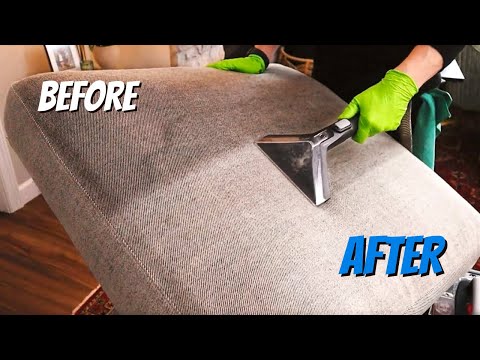
For heavier pet stains or a full sofa refresh, a portable carpet cleaning machine can make deep cleaning easier because it sprays lightly and pulls moisture back out right away. That is a better setup than soaking the cushion by hand and hoping it dries evenly.
Safety Tip: Wear gloves and ensure proper ventilation when using any cleaning solution. Follow manufacturer instructions on products such as woolite instaclean permanent stain and odor remover. Keep cleaning tools in proper storage to support sustainability.

Test cleaning solutions on an inconspicuous area

Every cleaner needs a hidden-spot test, even if the label says it is safe for upholstery. A parent should dab or spray a tiny amount on a seam, blot it, let it dry fully, and then check for color change, rough texture, or a dark ring.
That step matters with Folex®, Woolite InstaClean, Sunbrella stain remover products, Simple Green all-purpose cleaner, and especially hydrogen peroxide.
Hydrogen peroxide deserves extra caution because it can lighten dye. If there is any doubt, skipping that shortcut is the smarter move.
Vacuuming the Furniture Thoroughly

Vacuuming is not just prep work. It is one of the most useful upholstery care habits for a busy house because it removes the dry grit that turns wet cleaning into a muddy mess.
Use a brush attachment for surface cleaning
Start with the upholstery brush on the sofa arms, seat deck, backs, and loose cushions. Slow passes beat aggressive ones, especially on textured weaves, because they lift dust without pushing it deeper into the fabric.
Performance fabrics benefit from a regular schedule here. Crypton® currently recommends weekly vacuuming with the upholstery attachment, which makes sense in homes with pets, kids, or a family room sofa that gets used every day.
Once the surface soil is gone, a compact machine can handle deeper spots more cleanly. In Good Housekeeping Institute Home Care and Cleaning Lab testing, the Bissell Little Green stood out for reaching tight crevices and pulling spills up faster than a cloth alone.
Bissell Little Green multi-purpose portable carpet and upholstery cleaner fits that job well. It is small enough for a bedroom chair or office seat, but strong enough for rugs, pet stains, and sofa cushions.
Remove dirt and debris from crevices
Crevices are where grime hides, and they are often the reason a couch still looks dingy after spot cleaning. Crumbs along welting, pet hair under the seat edge, and dust near zipper folds all mix with moisture and create streaks.
- Lift loose cushions and vacuum both sides.
- Use the crevice tool along piping, seams, skirt edges, and the space where the back meets the seat.
- Loosen clingy hair with a dry brush, then vacuum it away instead of scraping at the fabric.
- If the piece came from estate sales or a secondhand shop, vacuum the underside and back panel before bringing it into the main living room.
That extra five minutes saves a lot of frustration later. It also makes stain treatment far more predictable because the cleaner is working on fabric, not on a layer of hidden dust.
Spot Treating Stains

Spot cleaning works best when it starts fast and stays gentle. The goal is to lift the spill before it spreads into the cushion or dries into a visible ring.
Blot stains with a clean, white cloth
Fresh spills are the easiest to fix. Lift any solids first with a spoon, then blot with a white cloth or paper towel from the outer edge toward the center so the mark does not spread across the sofa or dining & kitchen chair seat.
White cloth matters for two reasons: it avoids dye transfer, and it shows whether the fabric color is lifting. Rubbing is the mistake that spreads the damp area, pushes stains deeper, and roughs up the fabric surface.
For greasy food, lotion, or oily fingerprints, dry absorbents can help before any liquid cleaner goes on. In Sunbrella’s current cleaning guide, cornstarch is recommended as a first step for fresh oil-based spills because it pulls oil up before soap and water ever touch the fabric.
Use a gentle cleaning solution, such as dish soap and water or white vinegar
For W and many WS fabrics, a mild mix is usually enough. A practical starting point is 1 teaspoon of dish soap or enzyme soap in 2 cups of warm distilled water, applied with a lightly dampened cloth instead of a soaking rag.
Distilled water is one of the smartest small upgrades a homeowner can make. Guardsman notes that minerals in tap water can cause rings or fading, which is exactly the kind of surprise that turns a simple spot cleaning job into a second repair job.
- Blot first so the cleaner does not chase fresh liquid farther into the cushion.
- Apply solution to the cloth or brush, not straight onto the whole panel.
- Work in short passes and stop once the stain begins to transfer.
- Use white vinegar only on fabrics that safely tolerate water, and keep the mix very light.
For optimal stain removal, consider using cleaning tips with products such as woolite instaclean permanent stain and odor remover, method stain and odor treatment spray, or bissell professional stain & odor remover when the fabric cleaning code allows.
Even when faced with stubborn spills that seem as relentless as cookie monster’s appetite, these methods provide effective treatment.
Deep Cleaning Upholstery

Sometimes a single spot is not the real problem. If the whole sofa looks dull, smells stale, or shows traffic lines on the arms and seat front, deep cleaning the full surface can give more even results than chasing one patch at a time.
Apply a foam cleanser or commercial upholstery cleaner
Foam is useful because it cleans the top fibers without flooding the cushion. Woolite Fabric & Upholstery Cleaner is a good example because the built-in brush helps work the foam into dirty areas while keeping the fabric from getting overly wet.
Spray or spread the cleaner in a light, even layer, then clean one cushion or panel at a time. This keeps deep cleaning organized and makes it easier to rinse and dry evenly before water stains have time to form.
Use a soft brush to gently scrub the fabric
A soft brush should do the work, not force. Short, overlapping strokes lift soil from the weave while keeping the nap or texture from looking matted.
Harsh scrubbing is where many DIY jobs go wrong. Sunbrella warns against hard bristle brushes and abrasive cleaning on upholstery, and that advice carries over well to indoor sofas, accent chairs, and other soft home decor pieces.
Avoid over-saturating the material
Too much liquid is the usual cause of a watermark. The better approach is to mist, brush, blot, and extract in small sections so the surface gets cleaned while the padding stays only lightly damp.
BISSELL lists a 48-ounce tank, a 4.5-foot hose, and a HydroRinse self-cleaning hose tool for the current Little Green 1400B. Those details matter because they let a homeowner clean a whole sofa or several cushions without constant refills or heavy overwetting.
- Work from seam to seam on one panel at a time.
- Blot after every pass with a dry microfiber cloth.
- Stop if the cushion feels heavy or soggy underneath.
- Skip the steam cleaner unless the manufacturer clearly approves it for that fabric.
Note: Using minimal water and a gentle approach helps support sustainability in cleaning practices.
Interactive Cleaning Checklist
- Check the fabric cleaning code before starting.
- Vacuum all surfaces and crevices thoroughly.
- Test the cleaning solution on an inconspicuous area.
- Use minimal water and apply the cleaner with a lightly damp cloth.
- Consider using products like method stain and odor treatment spray or bissell professional stain & odor remover if allowed.
- Ensure rapid drying with fans or dehumidifiers.
Rinsing Without Leaving Water Stains

Rinsing is the step that often creates halos. Soap residue dries stiff, but uneven rinsing dries visible, so the goal is to remove residue lightly and then remove moisture fast.
Wipe with a clean, damp cloth to remove soap residue
Use a clean microfiber cloth that is damp with distilled water, not dripping. Wipe the full cleaned section rather than just the center of the stain, because partial rinsing is what often leaves a dark edge or pale ring.
Sunbrella’s current upholstery guidance says to clean the entire surface area from seam to seam when possible to help avoid water rings and residue. That is one of the most useful tricks for indoor upholstered furniture too, especially on broad sofa cushions and flat chair backs.
Use dry towels to absorb excess moisture
Dry towels do more than a quick wipe. Press them straight into the damp area, lift, rotate to a dry section, and repeat until very little moisture transfers back.
Rubbing with the towel is still a bad trade. It can spread the damp area, rough the fibers, and undo the careful stain removal work that just happened.
Utilize fans or open windows for faster drying
Fast, even airflow is what finishes the job. A box fan, standing fan, or open window on a dry day helps the fabric dry before minerals, residue, or hidden soil can settle into a mark.
Loose cushions should stand on edge so both sides can breathe. On humid days, a portable dehumidifier can help the room dry faster without blasting the fabric with high heat.
Air drying is usually the safer path. Sunbrella still advises air dry only for its upholstery fabrics, which is a good reminder that heat can dry fabric unevenly and set a ring just as easily as leftover soap can.
Deodorizing and Refreshing the Fabric

Sometimes the sofa does not need heavy stain removal at all. It just needs to smell and feel fresh again.
Sprinkle baking soda on the upholstery and let sit for 15-20 minutes
Baking soda is the gentlest starting point for general odor control. ARM & HAMMER suggests sprinkling it over soft upholstered furniture, letting it sit so it can absorb moisture and odors, and then vacuuming it up.
Fifteen minutes works for a quick refresh. A few hours works better for stronger smells from pets, snacks, or a closed-up guest bedroom.
Vacuum thoroughly to remove odors
Vacuum slowly enough to pull the powder back out of the fabric. A rushed pass leaves baking soda trapped in seams, and that defeats the whole purpose.
- Use the brush attachment on open panels and the crevice tool along welting and seams.
- For pet stains, wait until the upholstery is fully dry before adding baking soda.
- On Crypton® fabric or other performance upholstery, weekly vacuuming helps keep odors from settling into the weave in the first place.
- If odor returns quickly, the source may be inside the cushion insert, not on the fabric surface.
Tips to Avoid Water Stains

Most water stains are not caused by water alone. They happen when moisture meets dust, minerals, leftover soap, or slow drying.
Use minimal water during cleaning
Minimal water means better control, not weaker cleaning. A light mist, foam cleanser, or damp cloth keeps the cleaning products on the surface where they can lift the stain without soaking the padding.
That is why measured spot cleaning works better than a wet rag and a lot of elbow grease. The fabric gets cleaned, but the cushion does not stay damp long enough to dry into a halo.
Dry the fabric quickly to prevent mold and watermarks
Quick drying protects both the fabric and the indoor air around it. A box fan, ceiling fan, or portable dehumidifier helps move moisture out fast, which is especially helpful in finished basements, bath-adjacent sitting areas, or humid bedrooms.
- Blot first, then aim the fan across the surface.
- Set cushions upright if their shape allows it.
- Keep kids and pets off the sofa until the fabric feels fully dry.
- If a ring starts to show, lightly dampen the surrounding area with distilled water and blot the whole panel evenly instead of soaking the center again.
Always follow manufacturer recommendations for cleaning
The care tag wins every time. S-coded fabric should not get water, and X-coded fabric should not get wet DIY treatment at all.
That rule matters most on silk, velvet, vintage upholstery, and expensive living room seating where replacement cost is high. Professional help is usually cheaper than replacing a stained sofa arm or a ruined set of dining chairs.
Cleaning Specialized Materials

Some materials need their own routine. Leather, silk, velvet, and delicate blends do not respond well to general household cleaning methods, even when the same approach works fine on a basic polyester sofa.
Leather furniture: Use leather-specific cleaners and conditioners
Leather should stay in its own lane. A homeowner gets safer results with a pH-balanced leather cleaner, a soft cloth, and very little moisture.
After cleaning, a thin coat of conditioner helps keep the hide supple. Leather care brands commonly suggest conditioning about every six months, which is a practical schedule for family-room seating that gets used every day.
- Test on a hidden seam first.
- Buff spills dry right away with microfiber.
- Avoid dish soap, vinegar, or baking soda paste on finished leather.
Delicate fabrics: Consider professional cleaning services
Silk, rayon blends, velvet, and many vintage fabrics can darken, shrink, or lose texture from a small amount of moisture. If the piece is labeled S or X, or if there is no tag at all, professional cleaning is the safer choice.
That is especially true for secondhand finds from estate sales. Older pieces often carry hidden dust in the padding, weakened dye, or past spot cleaning marks that react badly to fresh water.
Material
Safer choice
Why it matters
Leather
Leather-specific cleaner and conditioner
General upholstery cleaners can dry, dull, or spot the finish
Velvet or silk
Professional cleaning
Nap and dye can change quickly with water or scrubbing
X-coded fabric
Vacuuming only, then call a pro
DIY wet cleaning can leave permanent water marks
Vintage or unknown fabric
Professional evaluation first
Older upholstery may react unpredictably to stain treatment
Conclusion

Homeowners can clean upholstered furniture without leaving water stains by following the right order: vacuuming first, checking the fabric care code, blotting instead of rubbing, and using only light moisture.
Most stains respond better to a calm, controlled approach than to heavy scrubbing. A mild upholstery cleaner, distilled water, dry towels, baking soda, and fast air drying usually do more for a sofa than soaking it ever will.
If the fabric is delicate, unknown, or marked S or X, the safest cleaning tip is simple: stop early and bring in a professional before a small stain turns into permanent damage.
FAQs
1. How do I clean upholstered furniture without leaving water stains?
Vacuum the fabric to lift dirt. Spot test a hidden area, then blot stains with a damp, absorbent cloth and a mild upholstery cleaner. Dry fast with good airflow and never soak the fabric to prevent water stains.
2. Can I use plain water?
Yes for tiny spots, but blot gently and dry fast to stop water stains.
3. Is steam cleaning safe for upholstered furniture?
Vapor cleaning can work, but excess moisture can leave water stains. Use a low moisture setting, strong airflow, and a spot test first.
4. How do I remove an old water stain?
Blot the ring with a mixture of white vinegar and water on an absorbent cloth, then rinse with a damp cloth. Use gentle strokes and dry with airflow to lift the mark. If the stain stays, call a professional upholstery cleaner.


