
Has a homeowner ever spotted bathroom mold and thought, Bleach spray will fix this, but then worried about fumes, bad mixes, or kids and pets getting too close?
That concern is valid, because household bleach is powerful cleaning chemistry.
This guide explains how to use household bleach (sodium hypochlorite) for Bleach For house cleaning in a way that protects the home, the family, and the surfaces being treated.
It covers simple dilution steps, spray bottle tips, where products like clorox clean-up make sense, and when safer alternatives do the job just fine. Read more to find out how.
Key Takeaways
- For routine disinfection, use regular, unscented household bleach (typically 5-9% sodium hypochlorite) diluted to 5 tablespoons (1/3 cup) per gallon of room-temperature water, or 4 teaspoons per quart (as outlined in CDC bleach guidance updated in 2024).
- Ventilate, wear protective equipment (gloves and eye protection), and keep children and pets out of the area until surfaces are rinsed (if needed) and fully dry.
- Never mix bleach with ammonia, vinegar, toilet bowl cleaners, drain openers, or other household cleaners, because dangerous fumes can form quickly.
- Contact time matters: keep the surface visibly wet for the product label’s stated time; if a bleach label provides no directions, a practical baseline is at least 1 minute on hard, nonporous surfaces.
- Make bleach solutions fresh, discard diluted bleach solutions after 24 hours, and store the original bleach bottle upright, away from heat and direct sun; for disinfection uses, many manufacturers recommend replacing bleach about 1 year after it was produced.
Understanding Household Bleach for Cleaning
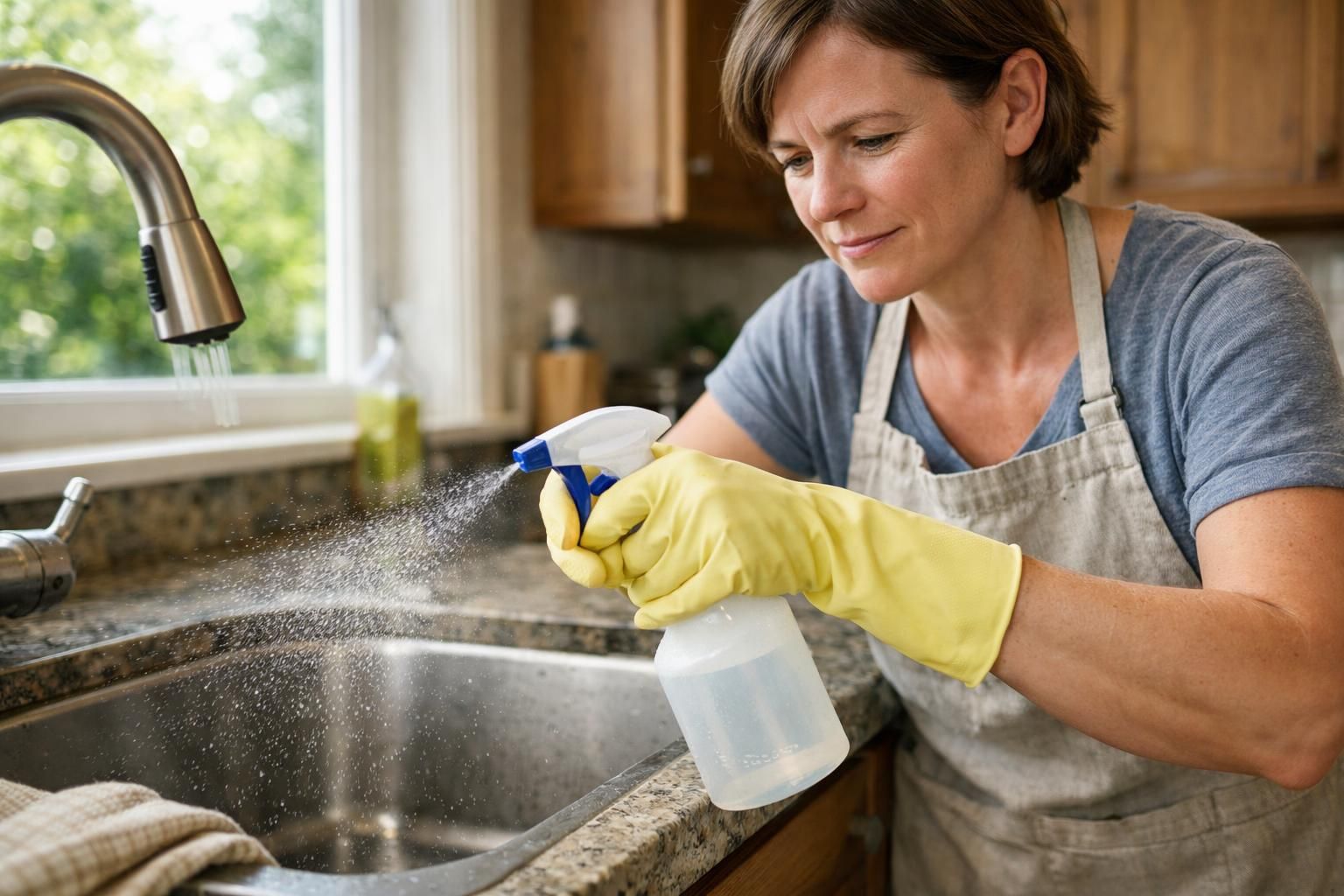
Household bleach is a bleach chemical with sodium hypochlorite as the active ingredient. When used correctly, it can kill many germs on hard surfaces and help prevent the spread of illness through high-touch areas.
It also helps to separate two jobs that get blended together in everyday talk: cleaning removes grime, and disinfecting kills remaining germs after the surface is clean.
- Cleaning first: A little soap and water often goes a long way on everyday messes.
- Disinfecting second: Bleach solutions work best after crumbs, grease, soap scum, and visible dirt are removed.
- Rinse when it matters: For food-prep areas and kid-facing surfaces, rinsing after contact time can help reduce residue and lingering odor.
What is household bleach?

A parent should treat household bleach like a serious disinfectant, not just another bottle under the sink. In the U.S., regular household bleach commonly lists 5% to 9% sodium hypochlorite on the label.
Choosing the right bottle matters. Guidance for home disinfection often calls for regular, unscented bleach, and it warns that some specialty formulas (like certain splashless products) are not intended for disinfecting unless the label clearly supports that use.
For day-to-day housework, bleach can be mixed into bleach solutions in a labeled spray bottle, or they can use a ready-to-use bleach spray. For example, a homeowner might use a bleach spray for tough messes on hard surfaces, while keeping gentler household cleaners on hand for routine wipe-downs.
A clear plan for storage helps, too. Keeping bleach separate from other cleaning supplies reduces mix-ups, and it also helps an adult quickly grab the right item without leaving chemicals unattended around kids.
For homes that prefer professional help for deep cleaning or recurring schedules, some families keep their go-to cleaning supplies simple and let a service handle heavy jobs.
Common uses of bleach in cleaning
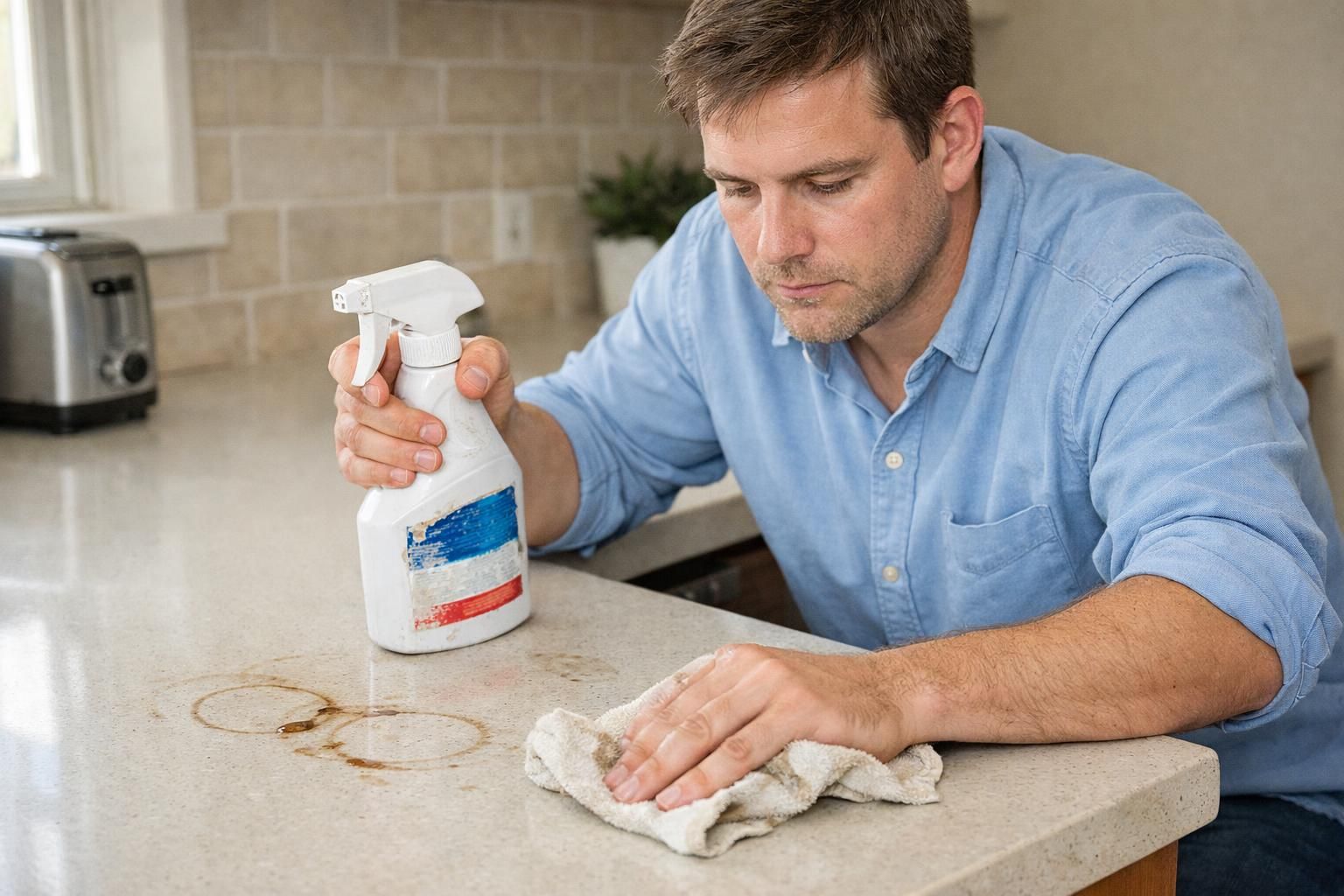
Bleach works best on hard, nonporous surfaces, especially in kitchens, bathrooms, laundry areas, and outdoor spaces that can be rinsed well.
Many households reach for clorox clean-up as a bathroom cleaner and kitchen disinfectant, because it can tackle stains, grease, and common messes without needing separate mixing.
- Bathrooms: Tub surrounds, tile, and toilet exteriors (not inside the bowl if another cleaner is already in use).
- Kitchens: Sinks and sealed, nonporous counters (rinsing after contact time is a good habit for food areas).
- Laundry: Whitening and disinfecting cycles for bleach-safe fabrics.
- Outdoor hard surfaces: Patio furniture and concrete, where runoff and rinsing can be managed.
Those who want a simpler shopping filter can look for EPA Safer Choice labeled products for everyday cleaning products, then save bleach for true disinfection needs.
Safety Precautions Before Using Bleach

Bleach is helpful, but safety comes from small habits done the same way each time: ventilation, protective equipment, and a strict rule about mixing.
- Open windows or run an exhaust fan before spraying.
- Keep kids, pets, and food out of the area until the job is finished and surfaces are dry.
- Use one product at a time, and rinse thoroughly before switching to a different cleaner.
- Keep the original bottle capped and upright when not actively pouring.
Read the product label

The label is the home’s safety manual. It lists the sodium hypochlorite concentration, surface limits, dilution instructions (if needed), and the exact contact time required for disinfecting.
A smart label check also prevents the most common household mistake: using bleach where it is likely to damage finishes. Many labels warn against use on natural stone, aluminum, or certain painted surfaces.
Clorox Clean-Up lists ingredients through SmartLabel, and many household essentials carry similar ingredient statements. It also helps to keep bleach clearly separated from anything that belongs in the medicine cabinet, like dietary supplements.
Cleaning products are not treatments, and they should never be used for self-diagnosis. The Food and Drug Administration has repeatedly warned consumers about dangerous claims that suggest disinfectants can be consumed.
Use in a well-ventilated area

Ventilation is the difference between a fast job and a headache. Open windows and doors, and run the bathroom fan or a portable fan pointed toward an open window.
If the smell becomes sharp, a short break outside the room is a better choice than pushing through. Bleach fumes can irritate eyes, nose, and throat, especially in small bathrooms or laundry rooms.
They should also keep children and pets out of the room until the air clears and surfaces are dry, because little lungs sit closer to the floor where heavier vapors can linger.
Wear protective gloves and eyewear
Gloves and eye protection are the easiest upgrades a homeowner can make. A splash from a spray bottle is rare, but it happens at the worst time, usually when someone is rushing.
- Gloves: Nitrile or rubber gloves help prevent dry, irritated skin during longer scrubbing sessions.
- Eye protection: Safety glasses or splash goggles are useful for overhead spraying in showers and around toilet tanks.
- Clothing plan: Bleach can spot fabrics, so older clothes are a safer pick for bathroom cleaner tasks.
If bleach gets on skin, rinsing right away with plenty of water is typically the fastest way to prevent irritation.
Preparing a Bleach Solution

Mixing bleach solutions is simple, but it should be done like cooking with a hot pan: slow, measured, and without distractions.
- Start with a clean container and room-temperature water.
- Measure bleach with a dedicated measuring spoon or cup (not a food utensil that goes back in the kitchen drawer).
- Add bleach to water, then gently mix.
- Pour into a clean, labeled spray bottle, and keep it out of reach of children.
- Make only what they plan to use that day, then discard leftovers after 24 hours.
Recommended dilution ratios
For routine home disinfection, a common ratio is 5 tablespoons (1/3 cup) of household bleach per 1 gallon of room-temperature water. For a smaller batch, 4 teaspoons per 1 quart of water makes the same strength.
This is the same mixing shortcut many homeowners use when they need a dependable, repeatable dilution without doing math mid-clean, and CDC guidance lists these exact ratios when a bleach bottle does not provide its own directions.
- Best for: hard, nonporous surfaces like sealed tile, porcelain, and many plastics.
- Not for: natural stone (like marble or granite), unfinished wood, and most fabrics unless the laundry label explicitly allows bleach.
Mixing bleach with water safely
Mixing should happen in a well-ventilated spot, ideally with kids and pets out of the room. A funnel reduces splashes when filling a spray bottle, and a label prevents a future mix-up.
They should also avoid hot water. Room-temperature water helps keep fumes down, and it supports the same dilution ratios used on many labels.
After the job, the spray nozzle can be wiped off and the bottle stored upright in the same place every time. That simple routine makes accidental leaks and accidental grabbing far less likely.
Avoiding dangerous chemical combinations
Bleach should be mixed with water only. Combining bleach with other cleaners can create toxic gases or caustic irritants, especially when acids or ammonia are involved.
- Ammonia: found in some glass cleaners, and also in urine, which is why bleach is a poor choice for litter boxes and diaper pails.
- Acids: vinegar, many toilet bowl cleaners, and many drain openers.
- Other disinfectants: switching products without rinsing in between can leave residues that react.
A simple household rule keeps it clear: one product at a time, rinse, then switch if needed.
How to Use Bleach for Cleaning Different Areas

Bleach can handle kitchens, bathrooms, laundry, and some outdoor projects, but the best results come from matching the method to the surface. A spray bottle works for quick disinfection, while a bucket mix makes more sense for floors and larger areas.
| Area | Best bleach approach | Key caution |
|---|---|---|
| Kitchen | Pre-clean, disinfect hard nonporous spots, then rinse food-contact surfaces | Avoid natural stone and never mix with other household cleaners |
| Bathroom | Use a bleach spray or clorox clean-up on tile, tubs, and sink surfaces | Ventilate strongly, especially during mold cleanup |
| Laundry | Use the washer dispenser or a properly diluted add-in method | Check fabric labels, bleach can damage colors and fibers |
| Outdoor | Use a diluted solution on hard surfaces that can be rinsed | Protect plants, manage runoff, and test a small area first |
Using bleach in the kitchen
Kitchen bleach cleaning works best when the surface is already clean. Grease and crumbs block disinfectants, so a quick wash with soap and water first is often the step that makes the rest of the work faster.
- Spray or wipe diluted bleach onto hard, nonporous areas like sinks and some sealed counters.
- Keep the surface visibly wet for the stated contact time.
- Rinse with clean water after contact time on food-prep surfaces, then let dry.
For families with kids who snack at the counter, rinsing and drying also helps reduce lingering odor that can encourage little hands to touch the surface again.
Cleaning bathrooms with bleach
Bathrooms are where bleach feels most satisfying, because soap scum, stains, and mildew odor can disappear quickly. Gloves, eye protection, and a running fan should be the default setup.
For a ready-to-use option, the manufacturer directions for clorox clean-up list distinct contact times based on the job: 30 seconds for cleaning and disinfecting hard, nonporous surfaces, 3 minutes for specified allergens, and 5 minutes for mold and mildew on hard, nonporous surfaces.
- Spray from a short distance so the surface gets fully wet, not misted.
- Keep the surface wet for the full contact time, then wipe and rinse as directed.
- Dry the area well afterward, because moisture control is what prevents the next round of growth.
For recurring mold, fixing the moisture problem is the long-term win. In a 2025 update, the U.S. Environmental Protection Agency notes that bleach is not recommended as a routine practice for mold cleanup, and that dead mold still needs to be physically removed.
Disinfecting laundry with bleach
Laundry disinfection is less about spraying and more about using the washing machine correctly. Bleach can help prevent the spread of germs through shared towels, bedding, and cleaning cloths when someone in the house has been sick.
- Check the fabric care label first, because some fibers and dyes do not tolerate chlorine bleach.
- Measure carefully, then use the washer’s bleach dispenser when available.
- Keep the laundry room ventilated if bleach smell builds up during the cycle.
Mixing bleach with other cleaning products is still the hard no, even in laundry. If a household wants to switch from bleach to another product, a full rinse cycle and a dry drum help reduce residue.
Outdoor uses of bleach
Outdoors, bleach is mainly useful on hard, rinse-friendly surfaces like concrete steps, trash can exteriors, and some patio furniture. It is less predictable on wood, fabrics, and painted finishes.
- Choose a low-splash method, like a sponge or pump sprayer, instead of a fine mist in windy conditions.
- Rinse thoroughly after contact time, especially on metal parts and nearby fixtures.
- Test a small hidden area first to check for discoloration.
Outdoor bleach work is also a good time to simplify the chemical lineup. Using one product at a time, then rinsing, reduces the chance that leftover residue will react with the next cleaner.
Tips for Effective Cleaning with Bleach

Bleach is not a shortcut around cleaning. It is a finishing step that works best on a surface that is already free of grime.
- Set up first: open windows, start the fan, and put protective equipment on before spraying.
- Pre-clean: soap and water first, then bleach solutions.
- Time it: use a kitchen timer so contact time is not guessed.
- Rinse smart: rinse food-contact surfaces and any surface that will touch skin often.
- Protect finishes: bleach can pit some metals if left too long, so rinse and dry after disinfecting.
Pre-cleaning surfaces
Pre-cleaning is the simplest pro move. A quick wash removes the layer that would otherwise block disinfectants from doing their job.
Soap, a scrub pad, and warm water work well on counters, sinks, and tubs. After that, bleach solutions can be applied evenly and won’t get used up fighting grease and dirt.
Allowing proper contact time
Contact time is the stay wet window that makes disinfection real. If the surface dries early, the homeowner should apply a little more product to keep it visibly wet.
If a label does not provide directions, a practical minimum many public health instructions use for diluted bleach on hard surfaces is at least 1 minute before wiping away.
A timer keeps the process calm and consistent, which matters when kids need attention or a pet is scratching at the door.
Rinsing thoroughly after use
After the contact time, wiping with a clean damp cloth helps remove residues. Rinsing is especially helpful on kitchen surfaces, toys, pet bowls, and anything that will touch skin or food.
Once the area is dry and aired out, it is safer for children and pets to come back in and use the space normally.
Troubleshooting and Common Mistakes
Check for sufficient ventilation and proper contact time. Reread product labels if cleaning supplies yield unexpected results. Test a small area before using a new cleaning product or bleach spray.
- Fume issues: Open windows or move outside if fumes become strong.
- Solution dryness: Reapply the solution promptly if it dries too soon.
- Mix-up prevention: Keep bleach separate from other cleaning supplies and household essentials to avoid dangerous chemical reactions.
Natural Alternatives to Bleach

Sometimes bleach is overkill. For everyday cleaning, simpler household cleaners can handle odors, grime, and mild stains with less irritation.
The key is to match the product to the goal. Cleaning products that remove dirt are great for routine maintenance, while disinfection is a separate, label-driven task.
Hydrogen peroxide
Hydrogen peroxide is a common alternative for families who dislike the smell of bleach. Many households keep a 3 percent bottle for light cleaning jobs and occasional disinfecting products that are peroxide-based.
- Store it in its original dark container, because light exposure breaks it down faster.
- Spot-test first on colored or delicate surfaces, because it can lighten dyes.
- Use one product at a time, and never mix hydrogen peroxide with vinegar or bleach.
Vinegar-based solutions
Vinegar solutions are popular for routine cleaning, especially for hard water spots and everyday wipe-downs. A simple starting mix is one part white vinegar to one part water in a spray bottle.
Vinegar can clean well, but it does not replace an EPA-registered disinfectant for situations that call for true disinfection.
- Keep vinegar away from natural stone, because acids can dull or etch some stone finishes.
- Never combine vinegar with bleach, because toxic fumes can form.
Frequently Asked Questions about Bleach Cleaning
Can bleach be used on all surfaces?
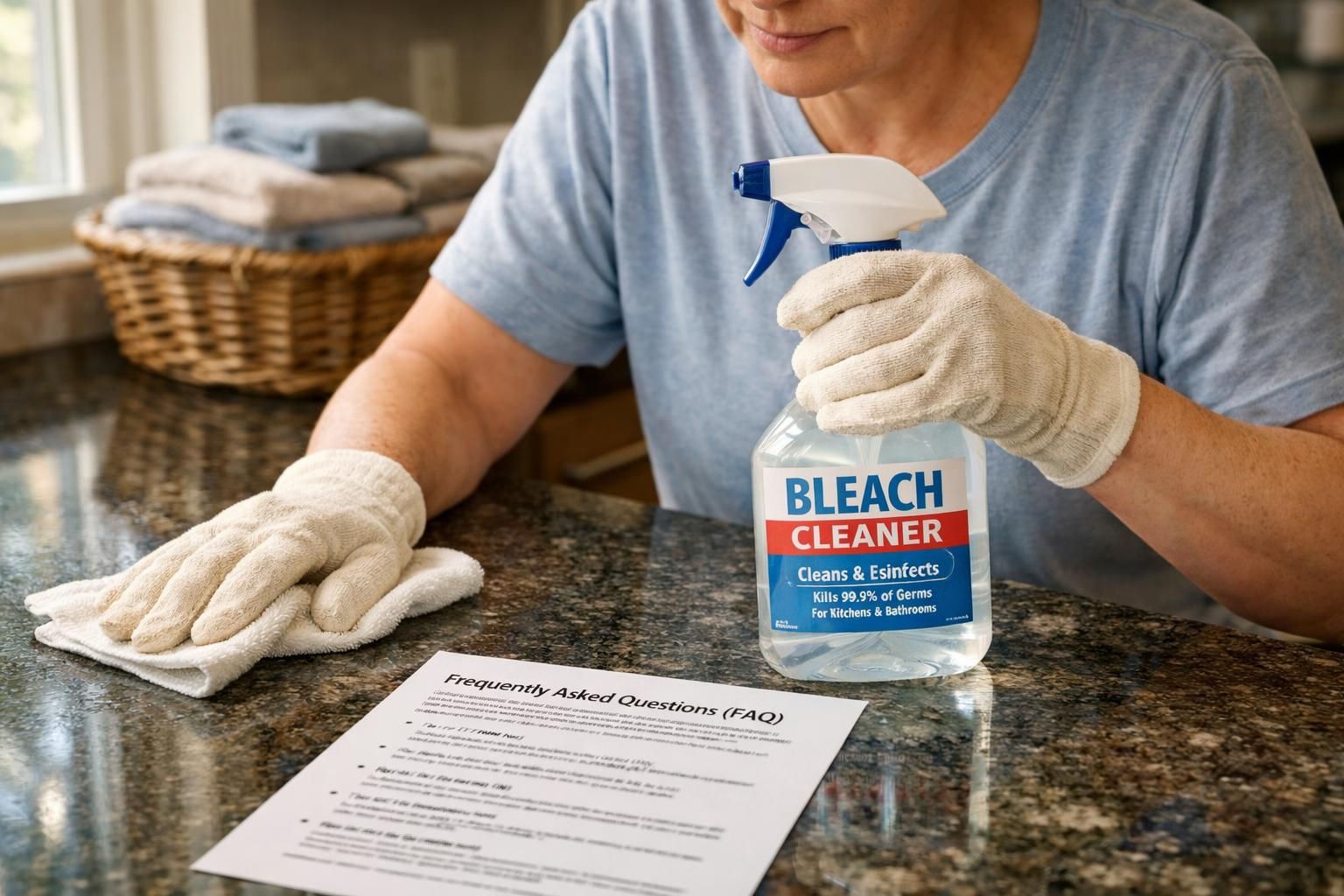
No. Bleach is best on hard, nonporous surfaces like tile, porcelain, glass, and many plastics. It can discolor fabrics, damage unfinished wood, and dull or harm certain finishes.
Natural stone often needs special care. Bleach and other harsh cleaners can damage stone sealers and the surface itself, so a stone-safe cleaner is usually a better choice.
When in doubt, a small spot test in a hidden area is a safer approach than learning the hard way on a visible countertop.
What is the shelf life of bleach?
Household bleach does not stay at full strength forever.
Diluted bleach solutions lose strength quickly. Making a fresh batch daily and discarding leftovers after 24 hours is a simple standard that reduces guesswork.
How do I store bleach safely?
Bleach should stay in its original bottle with the cap tightly closed, stored upright on a high shelf or in a locked cabinet. A cool, dry spot away from heat and direct sun helps slow down strength loss.
- Separate it: keep it away from ammonia-based products, acids, and anything that could be mistakenly mixed.
- Keep it labeled: never decant into drink bottles or unmarked containers.
- Limit access: child-resistant latches reduce the risk of a fast, curious grab.
How should I dilute bleach for cleaning around the house?
Mix 1/3 cup of regular bleach with one gallon of water for most hard surfaces around the house. Wear gloves and open windows as you clean.
Can I use bleach on all surfaces and fabrics?
No. Bleach can fade fabrics and harm some surfaces, so test a hidden spot and rinse well.
Is it safe to mix bleach with other cleaners?
Never mix bleach with ammonia or acidic cleaners, they can make toxic gases.
How do I protect my family and pets when using bleach?
Keep kids and pets out of the room while you clean. Ventilate well, wear gloves, and wipe the area after the contact time on the label. Store bleach up high with the cap closed, like keeping a sleeping dragon out of reach.
Conclusion
Household bleach can be a smart choice for disinfection, but it works best when it is measured carefully, used with ventilation, and kept away from kids and pets.
Safe Bleach For Cleaning comes down to three habits: dilute correctly, never mix with other household cleaners, and give the surface the full contact time before wiping and rinsing.
With a labeled spray bottle, the right protective equipment, and a consistent routine, a homeowner can prevent the spread of germs while keeping surfaces, and the whole household, in good shape.