Many Atlanta families know the moment, the remodel looks finished, the door opens, and a film of dust still sits on the new floors. That is where post-construction cleaning stops being a nice extra and starts feeling necessary.
Parents usually notice the same risks first: fine drywall dust on baseboards, grit in window tracks, and sharp scraps hiding in corners where kids and pets roam.
This page gives house owners a clear way to compare Atlanta companies, review a real cleaning checklist, understand pricing, and ask for a free quote with fewer surprises.
Key Takeaways
- Atlanta companies worth comparing include Stratus Clean, CCS, Lasso Cleaning, Cleanup Cartel, and Bradfield Post Construction Cleaning, each with a different strength such as commercial cleaning, data center cleaning, final-detail work, or contractor-focused scheduling.
- Recent Atlanta pricing shows that true post-construction cleaning services are often phased. Publicly posted local starting rates run from about $0.35 per square foot for rough cleaning to $0.55 per square foot for final cleaning, while Atlanta averages often land around $0.50 per square foot for full post-construction work.
- For homes built before 1978, a cleaner may need lead-safe credentials if the project disturbed painted surfaces. That question should be asked before booking.
- Debris hauling matters in Atlanta because regular city bulk pickup does not accept building and construction materials. A bid that skips disposal can end up looking cheaper than it really is.
- The safest hire is usually the company that offers a written cleaning checklist, proof of insurance, clear scope by phase, and a final walkthrough before payment.
Quick Summary of Key Considerations:
- Compare clearly defined service offerings and pricing phases.
- Check for proper licensing and insurance documents.
- Review detailed cleaning checklists for safety.
- Confirm that hazardous materials are managed by certified specialists.
For readers using The Atlanta Cleaning Source, this comparison works best as a screening tool. It helps narrow the list before asking two or three firms for a free quote.
Why Post-Construction Cleaning Is Essential
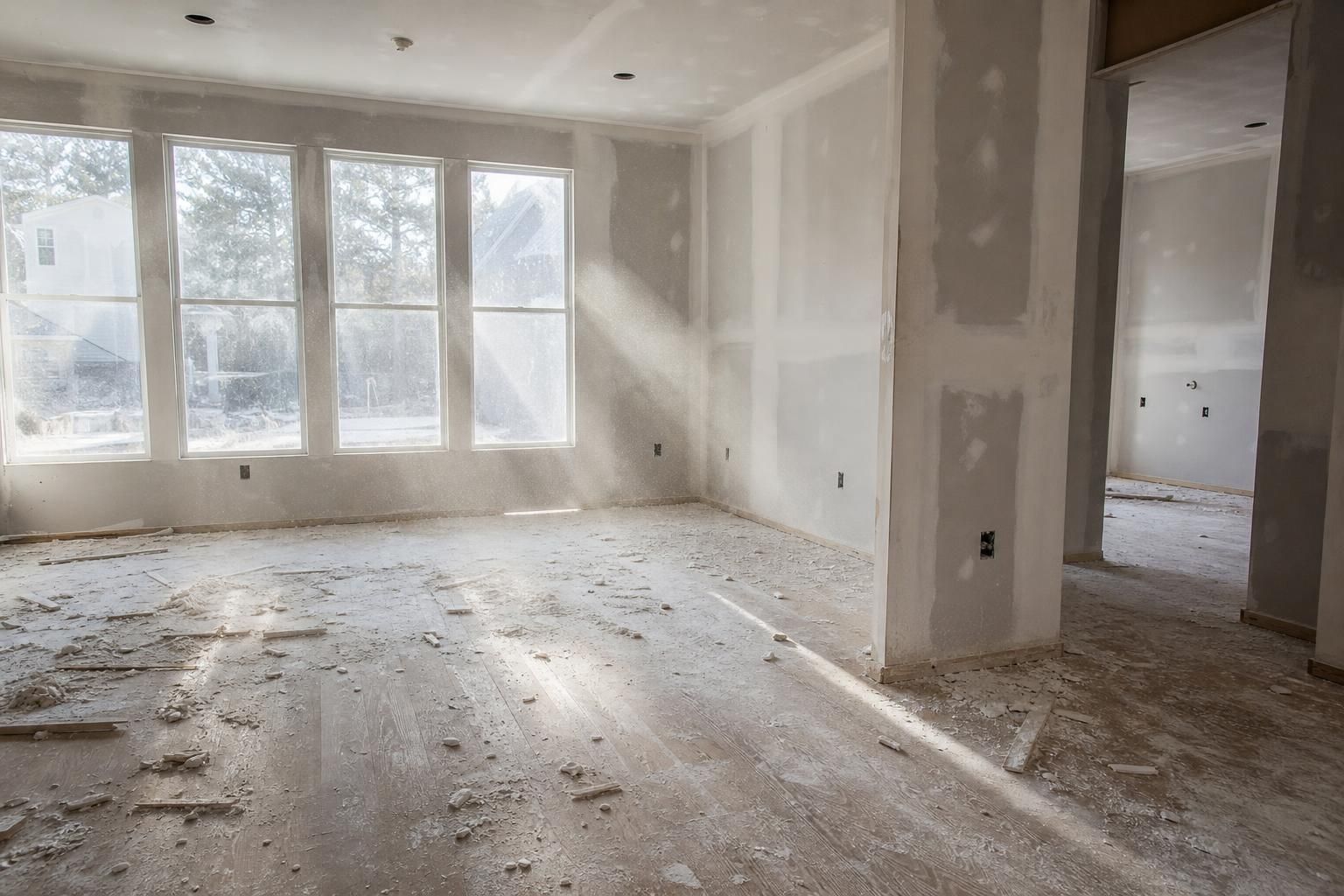
Professional post-construction cleaning removes the mess that ordinary house cleaning leaves behind, including drywall dust, adhesive residue, paint specks, glass film, and stray hardware.
The practical issue is not just appearance. The City of Atlanta’s current solid waste guidance says regular curbside bulk service does not take building and construction materials, so cleanup crews often need to handle both deep cleaning and debris removal as part of the same job.
Watch a video example of a final clean
Removing dust, debris, and hazardous materials
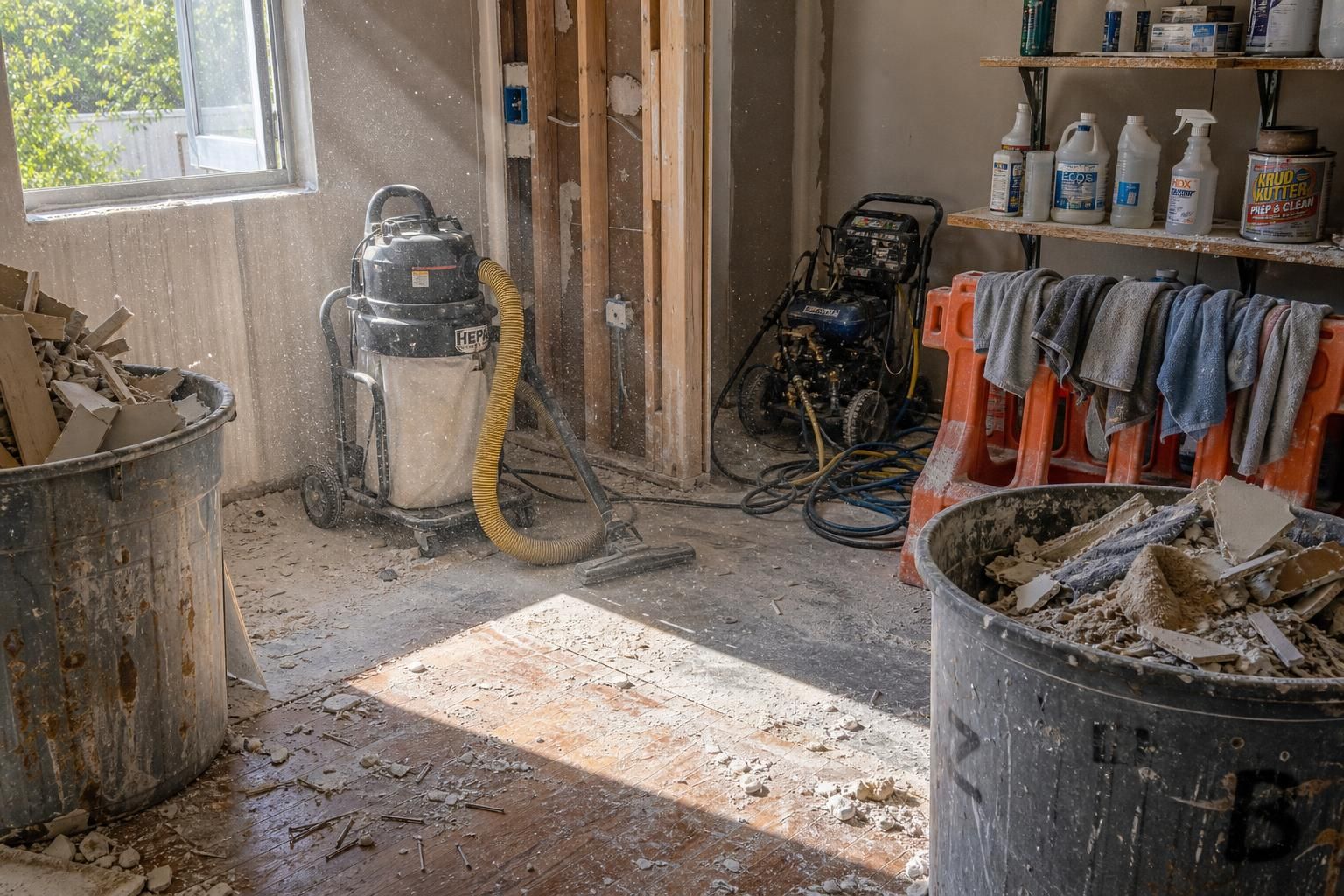
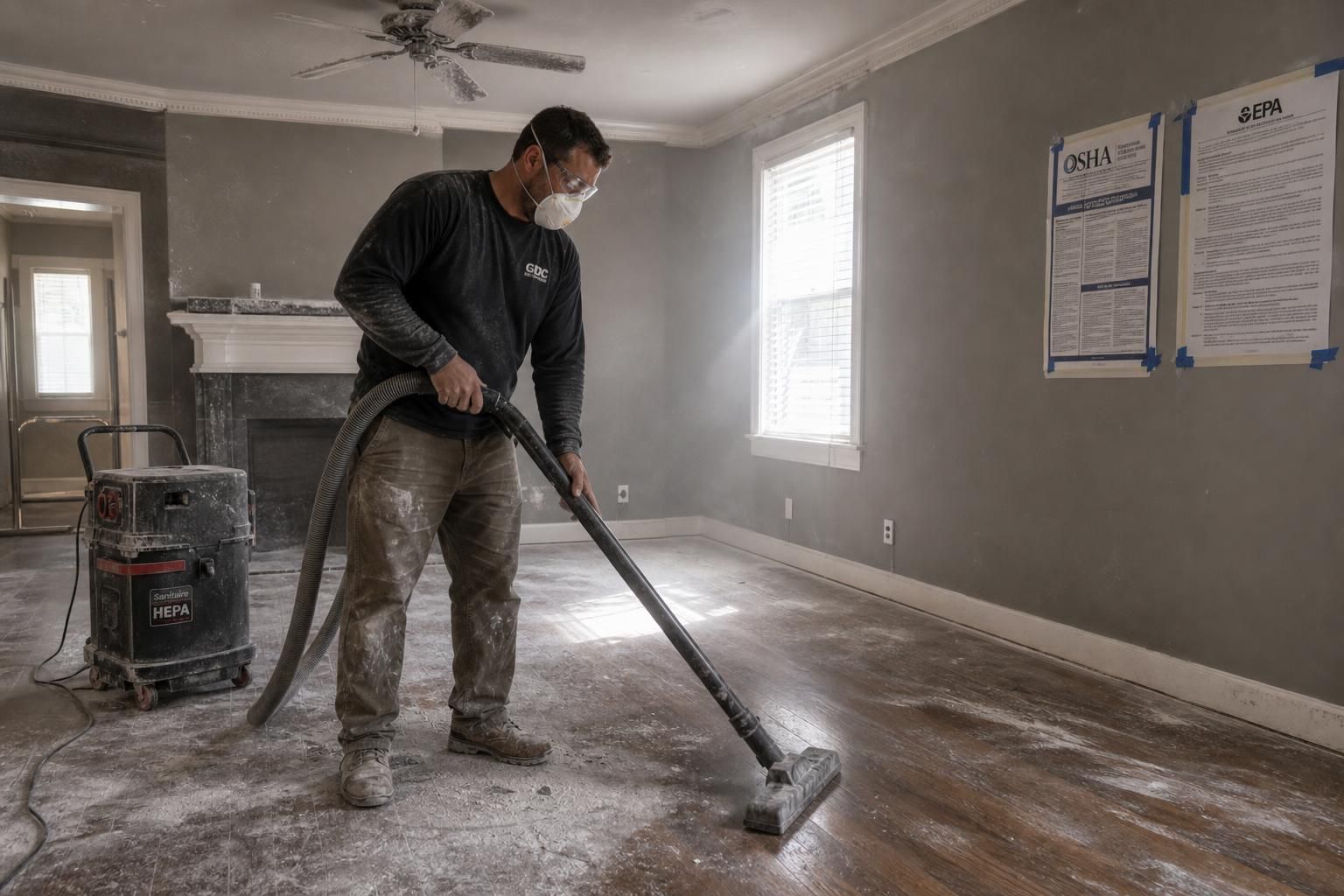
The first job is always dust control. A real construction cleaning crew uses HEPA vacuums, microfiber cloths, and a high-to-low method so fine particles get trapped instead of pushed back into the air.
That detail matters more than it sounds. Cleaning forums and contractor discussions often repeat the same warning: regular household vacuums clog fast on drywall dust, lose suction, and can blow fine particles back into the room.
- Ceilings and high ledges: dust settles there first, then keeps dropping for days.
- Window tracks and sills: sawdust and drywall grit collect in tight channels that kids and pets touch easily.
- Baseboards and closet shelves: these areas make a room feel dirty even after the floor looks clean.
- HVAC returns and vent covers: trapped construction dust can keep cycling through the house after move-in.
Hazardous material questions should come early.
If the scope includes chemical spills, asbestos, mold, or suspect lead debris, a general cleaner is not enough. That is the point to pause normal cleaning and bring in a certified specialist.
Homeowners who want to review handling basics can still ask about hazardous material handling before they approve a bid.
Summary of Essential Cleaning Needs:
- Use HEPA vacuums and microfiber cloths to control dust.
- Check for lead-safe certification in older homes.
- Confirm that hazardous materials are managed by certified specialists.
Ensuring a polished and safe environment
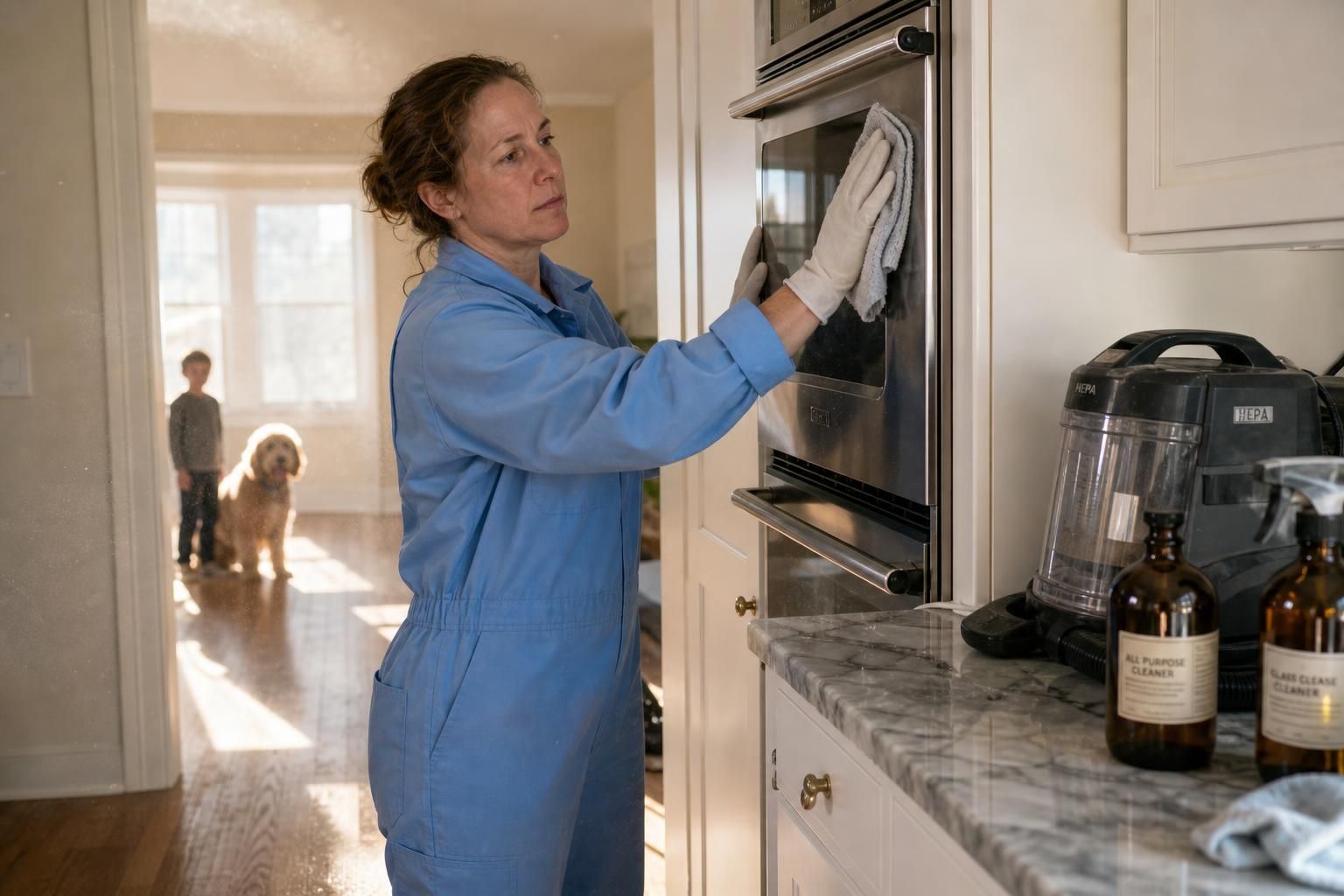
A polished result usually takes more than one pass. Many Atlanta post construction cleaning teams split the work into rough cleaning, final cleaning, and a touch-up visit after punch-list work, because new dust often appears after electricians, painters, or installers return.
This is where company type matters.
For families, the payoff is simple: cleaner air, fewer hidden sharp scraps, and surfaces that are ready to touch without leaving white residue on fingertips.
Benefits for contractors, builders, and homeowners
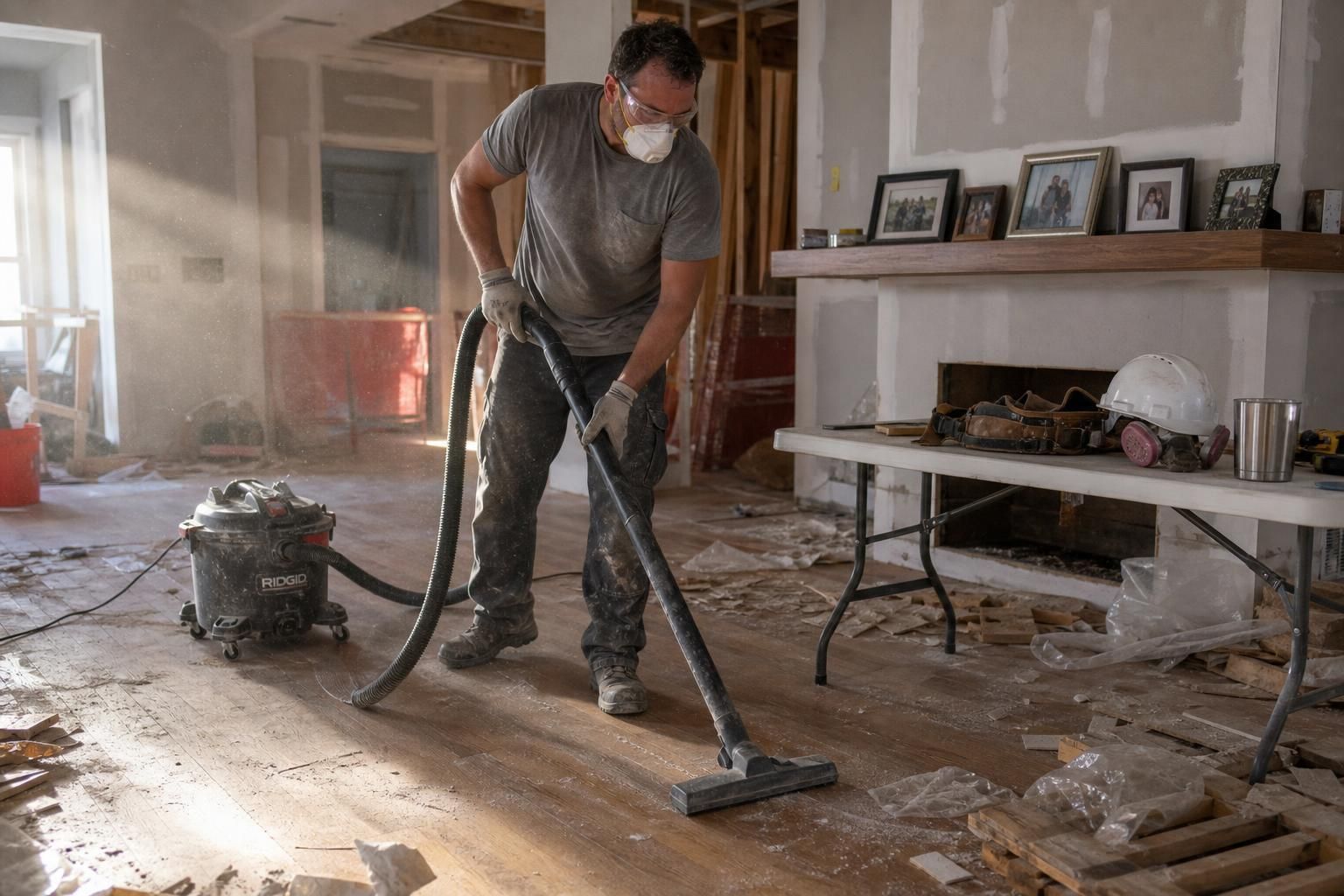
Good construction cleaning services help every side of the job, not just the family moving back in.
- Homeowners get time back: a professional crew handles floor care, debris removal, windowwashing, and detailed interior cleaning in one visit or planned sequence.
- Contractors protect the handoff: photo walkthroughs, room-by-room checklists, and signed completion notes make final turnover smoother.
- Builders reduce call-backs: finishing after trades are truly done lowers the chance of re-dust complaints.
- Commercial owners get continuity: companies like Stratus Clean and Resolute can roll from initial site cleanup into janitorial and maintenance, office cleaning, or property maintenance.
- Specialized sites stay protected: CCS and other mission-critical cleaners can support commercial projects such as hospitals and data centers where contamination control matters more than ordinary janitorial work.
Key Benefit: A clear cleaning checklist reduces re-dust complaints and ensures project satisfaction.
Key Factors to Consider When Choosing a Post-Construction Cleaning Company
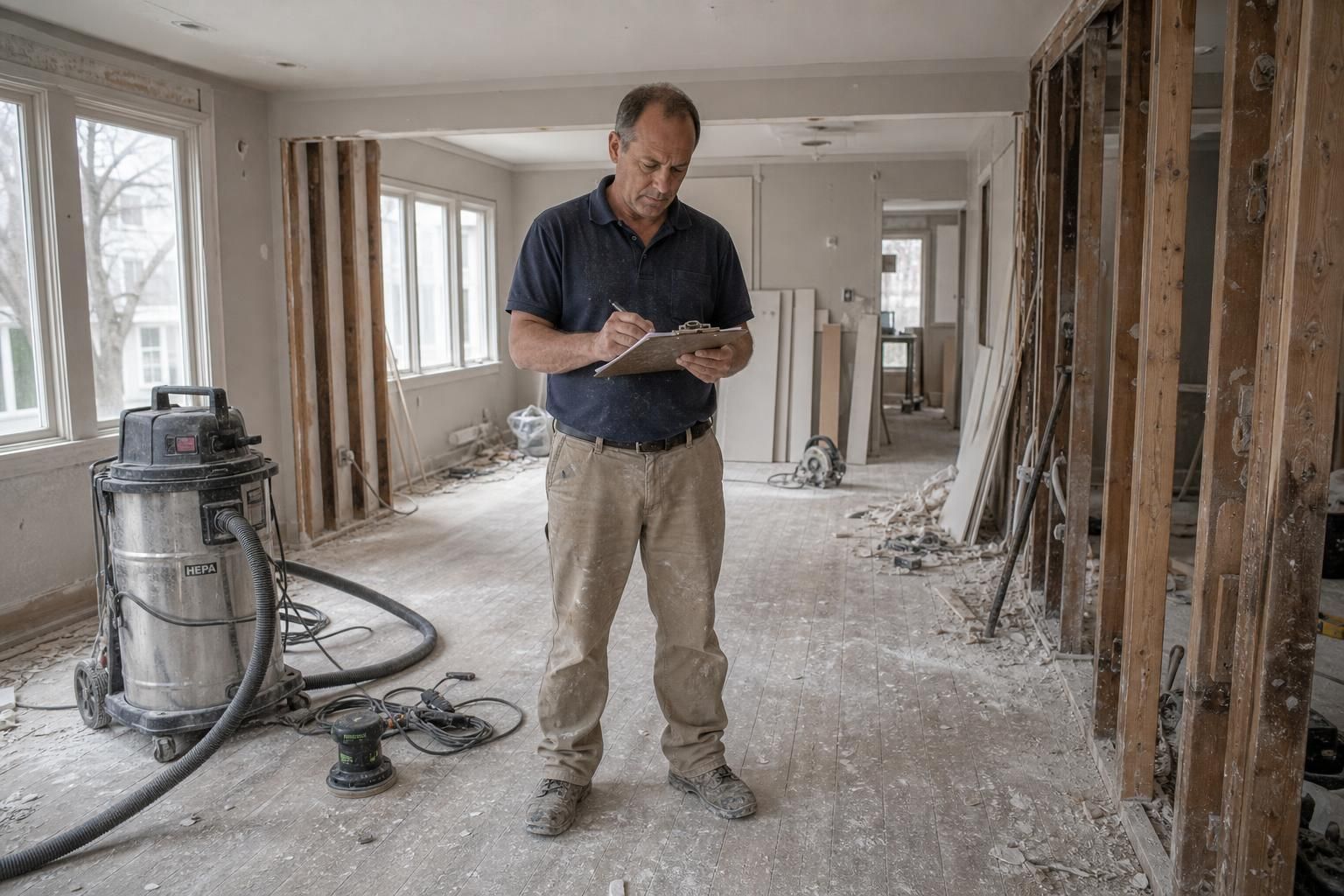
The strongest hire is rarely the lowest bid. The best Atlanta post construction cleaning companies spell out their insurance, process, tools, and service area before the first vacuum comes through the door.
Watch what to check before hiring a crew
Licensing, bonding, and insurance
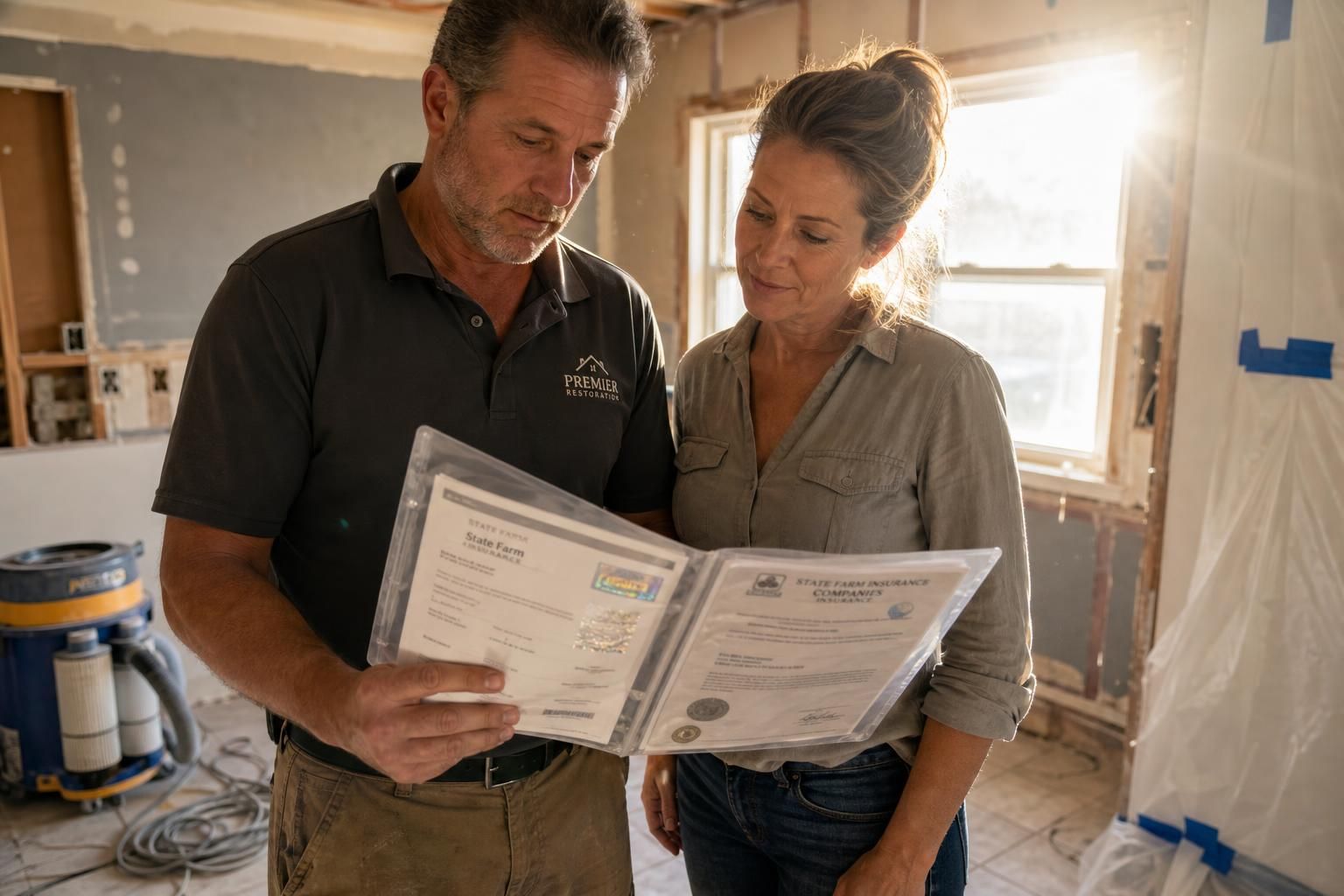
Insurance paperwork should be requested before the cleaner gets access to the home. The safest bid includes proof of general liability insurance, workers compensation coverage, and a bond or other financial backstop for damage or incomplete work.
For older homes, one more document matters. Georgia EPD keeps a list of certified renovation firms, so if the home was built before 1978 and painted surfaces were disturbed, parents should ask for the exact company name used on its lead-safe certification.
- Certificate of insurance with current dates
- Workers compensation confirmation for on-site staff
- Bond information, if offered
- Lead-safe paperwork for older homes or child-occupied spaces
If a company hesitates to share those basics, that is useful information before any contract is signed.
Experience and reputation
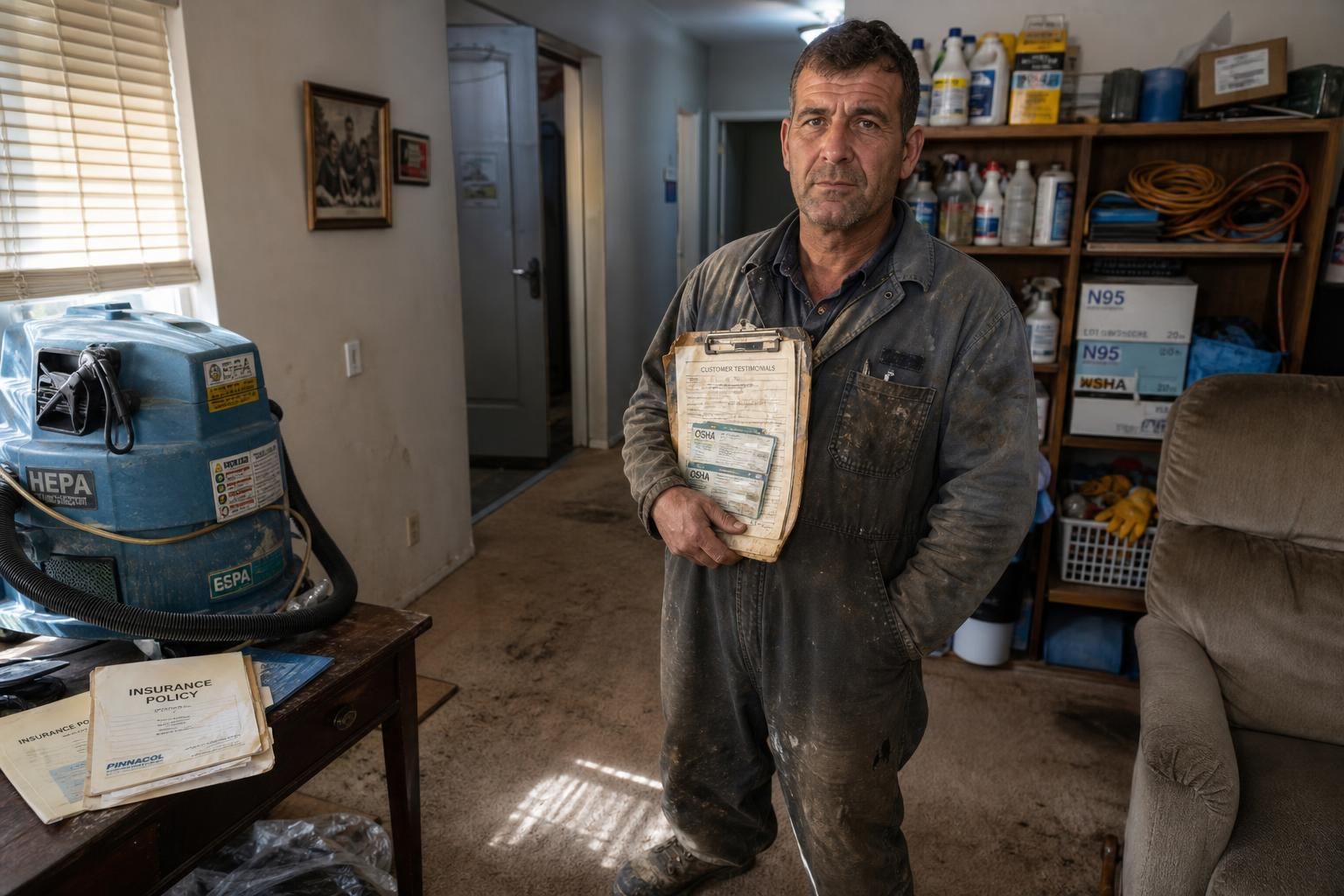
Experience should match the project type. A team that handles office cleaning every week may still struggle with paint overspray, grout haze, and post-build dust if it does not do construction cleaning regularly.
There are useful signals to look for. CCS promotes in-house crews only and long Atlanta experience, Stratus Clean highlights broad commercial cleaning services that include hard floorcare and dayporter support, and Lasso Cleaning focuses on office build-outs and contractor coordination.
- Before-and-after photos from similar projects
- Clear mention of rough clean, final clean, and touch-up work
- Tools suited for fine dust, such as HEPA vacuums and air scrubbers
- Reviews that mention punctuality, detail work, and communication with the general contractor
The strongest reputation usually comes from consistent execution, not a flashy sales page.
Transparent pricing and estimates
Written estimates should show exactly what is included: labor, debris hauling, floor and carpet care, window cleaning, appliance detailing, and any rush or after-hours charges. That kind of scope keeps a cheap quote from turning into an expensive final invoice.
As of May 2026, Angi lists Atlanta post construction cleaning at about $0.50 per square foot on average.
| Pricing model | Best use | What should be included | Main risk if the bid is vague |
|---|---|---|---|
| Per-square-foot | Empty homes and larger commercial projects | Phase, glass count, floor type, debris hauling, and crew size | Two bids can look equal while covering very different scopes |
| Flat fee | Small remodels and final touch jobs | Rooms covered, checklist items, and disposal terms | Add-on charges appear later for windows, appliances, or haul-off |
| Hourly | Touch-ups, re-dust visits, or partial-area cleans | Number of workers, hourly cap, and minimum hours | Budget can drift if the space is dustier than expected |
A homeowner should always ask one extra question: is this a builder clean, a full final clean, or both? That one line changes the price more than almost anything else.
Service area coverage
Atlanta coverage can sound broad until the address is specific. A strong company should confirm whether it serves the greater Atlanta metro area, including neighborhoods and close-in suburbs such as Inman Park, Decatur, Midtown, Sandy Springs, Roswell, Alpharetta, Marietta, and Brookhaven.
That detail matters in condos and commercial buildings where freight elevators, loading zones, concierge check-in, or evening access rules can delay the job. Companies that regularly handle commercial cleaning and officecleaning tend to manage those logistics better.
- Ask if the crew serves the exact ZIP code and building type.
- Ask whether weekend or evening access is available.
- Ask if parking, elevator reservations, or certificates for building management are required.
- Ask if debris hauling is done in-house or through a separate partner.
Note: Validate service area details, including ZIP code coverage and access rules.
Services Offered by Atlanta’s Best Post-Construction Cleaning Companies
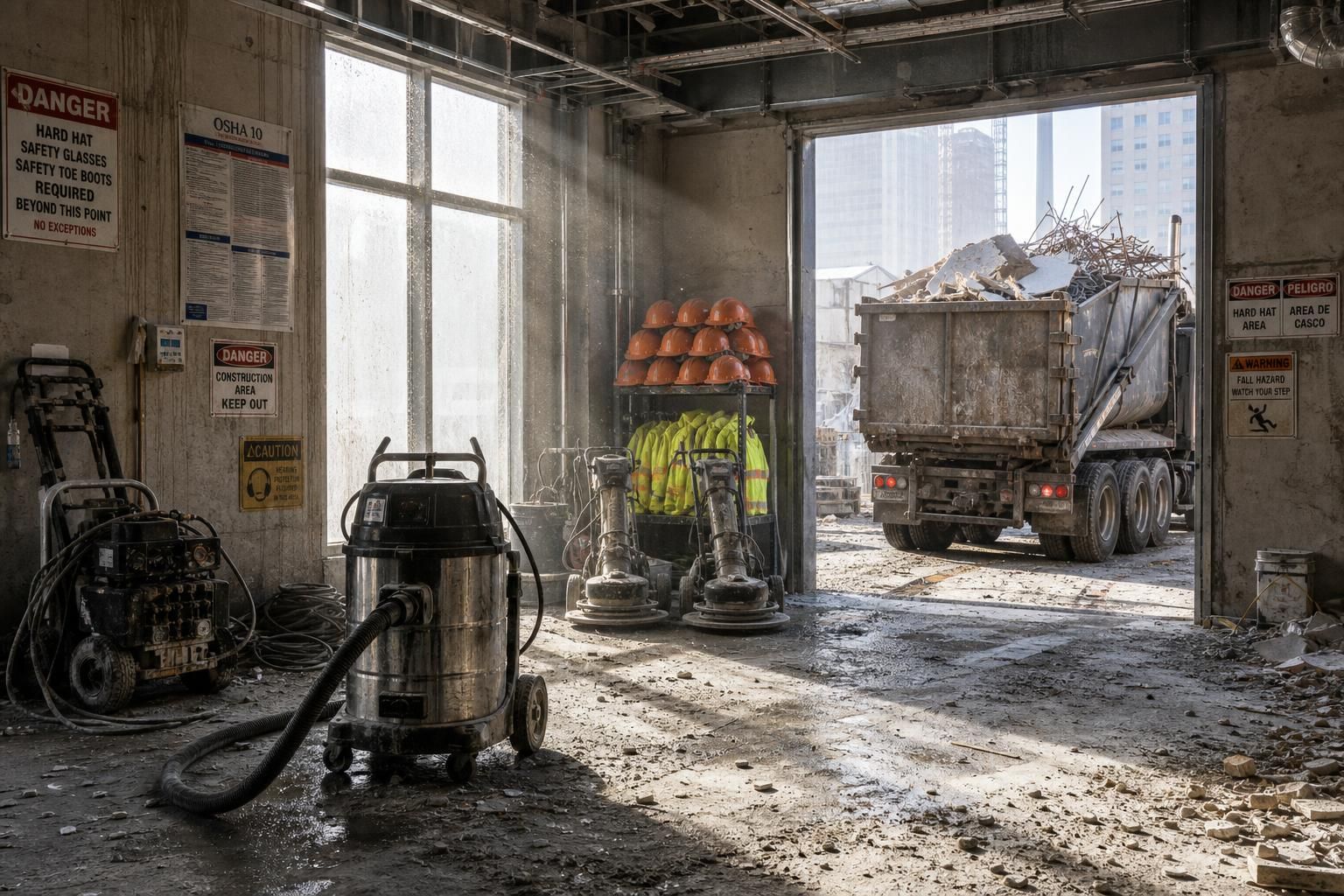
Atlanta crews usually mix several specialties into one job, including dust removal, floor care, window washing, pressurewashing, and disposal of construction waste. The difference between a light cleanup and full post-construction cleaning services is the amount of detail the crew is willing to own.
Watch a post-construction cleaning walkthrough
Key Service Highlights: Quality cleaning includes dust removal, comprehensive floor care, window cleaning, and thorough debris removal.
Floor and carpet care
Floor care after construction is more technical than standard mopping. Hardwood, luxury vinyl plank, tile, polished concrete, and carpet all react differently to dust, grit, and leftover adhesive.
- Vacuum first: HEPA vacuuming lifts fine dust without turning it into muddy residue.
- Damp wipe second: microfiber picks up what dry tools leave behind.
- Use the right cleaner: neutral products protect finished floors better than strong degreasers.
- Finish with detail work: edges, grout lines, and carpet transitions usually hold the last visible dust.
That order matters. Crews that mop too early often smear drywall dust into grout lines and corners, which turns a short job into rework.
For commercial cleaning, Stratus Clean specifically lists carpet cleaning and hard floor care in its Atlanta services. That makes it a practical option for offices and healthcare facility spaces that need both final construction cleaning and routine upkeep after opening.
Remember: Use the correct cleaning products for each floor type.
Ceiling-to-floor debris removal
Ceiling-to-floor debris removal is the part of construction cleaning that separates professionals from ordinary house cleaners. It means starting high, removing loose material, and working down slowly so the same dust does not keep falling onto cleaned surfaces.
- Ceiling corners, vents, beams, and light trim
- Top edges of doors, cabinets, and shelving
- Walls, switch plates, and baseboards
- Floors, corners, thresholds, and under built-ins
For homes with kids, this step matters because nails, caulk pieces, broken zip ties, and sharp metal fragments often hide at the baseboard level. A written cleaning checklist should name those areas, not just promise a general wipe-down.
Essential Reminder: Clean consistently from top to bottom to avoid recontamination.
Window, fixture, and appliance cleaning
Final-detail work should make the room feel complete, not just dust-free. That includes window washing, fixture polishing, sticker removal, appliance wipe-downs, and careful cleaning of glass, chrome, and stainless surfaces.
- Window glass, sills, tracks, and frames
- Paint specks and film on fixtures and hardware
- Inside and outside of new appliances
- Cabinet faces, shelves, and drawer interiors
- Light fixtures, mirrors, and switch plates
Families notice this section right away. Smudged glass, dusty pendant lights, and gritty pantry shelves make a remodel feel unfinished even if the major debris is gone.
Contractor-focused companies like Lasso Cleaning lean into move-in-ready presentation because final detail is often the last impression before a client walkthrough, photo shoot, or office handoff.
Tip: Ensure that glass surfaces and fixtures are free of smudges for a completed look.
Disposal of construction waste
Waste disposal needs to be part of the estimate, not a last-minute surprise.
This is especially important for bulky debris, broken tile, drywall scraps, and packaging from cabinets or appliances. In north-metro cases, even local transfer rules can vary.
- Ask whether hauling is included in the base price.
- Ask where the waste goes and whether receipts or manifests are available.
- Ask how hazardous or suspect materials are handled.
- Ask whether dumpsters, permits, or extra labor are billed separately.
Quick Reminder: Verify if waste hauling is included in the base price to avoid hidden costs.
Cost of Post-Construction Cleaning in Atlanta
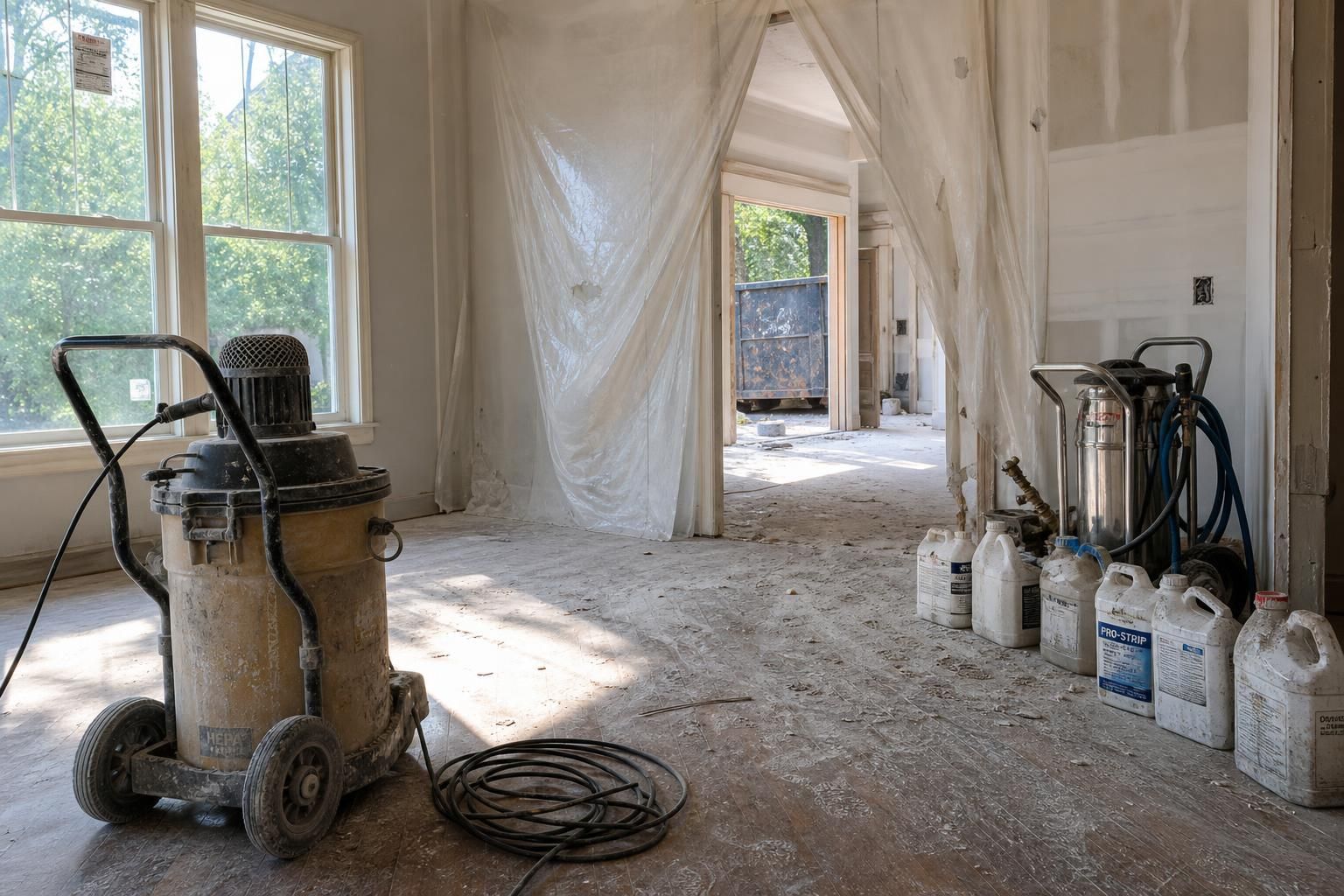
Atlanta pricing makes more sense once the job is broken into phases. A light rough clean can look affordable on paper, but final detail, floor and carpet care, debris hauling, and re-dust visits usually raise the real number.
For a house owner comparing bids in 2026, the safest move is to ask each company for the same scope and the same cleaning checklist. That is the easiest way to see whether one free quote is truly cheaper or simply missing work.
Average cost per square foot
The table below gives a realistic budget frame for Atlanta post-construction cleaning. It combines the Atlanta market average with public local starting prices for phased cleaning.
| Service type | Typical price signal | What is usually included | Quick budget note |
|---|---|---|---|
| Atlanta market average | About $0.50 per sq. ft. | General benchmark for post-construction cleaning in Atlanta | Useful for spotting bids that are suspiciously low |
| Rough clean | Starting around $0.35 per sq. ft. | Heavy debris pickup, dust removal, leftover materials | Best early in the project, not enough for move-in on its own |
| Deep clean | Starting around $0.45 per sq. ft. | Fine dust, adhesive removal, more detailed wipe-downs | Often the middle phase that owners forget to price |
| Final clean | Starting around $0.55 per sq. ft. | Glass, fixtures, appliances, finish polishing | This is the phase most families picture when they say move-in ready |
| Touch-up or re-dust visit | Quoted separately | Final pass after punch-list work or trade returns | Often worth adding for remodels with tight closeout timing |
That is why a 1,500-square-foot project can swing from a few hundred dollars into four figures quickly. The size matters, but the finish level matters more.
Factors influencing pricing (e.g., hazardous material, rush fees)
Square footage is only the starting point. The final bill usually rises because of scope, access, dust severity, and disposal needs.
| Factor | Why it changes the price | What to ask before approving the quote |
|---|---|---|
| Cleanup phase | Rough cleaning, final detail, and touch-up are priced differently | Is this quote for one phase or the full project? |
| Dust level | Drywall sanding, concrete dust, and heavy sawdust slow the job down | Will the crew use HEPA vacuums and air scrubbers? |
| Glass and fixtures | More windows, mirrors, and polished hardware add labor time | Are glass scraping and film removal included? |
| Floor type | Hardwood, tile, carpet, and polished concrete need different methods | Is specialized floor care billed separately? |
| Debris hauling | Atlanta curbside service does not take building materials | Does the price include haul-off or dump fees? |
| Rush or after-hours work | Weekend, evening, or next-day jobs often carry premiums | What is the extra charge for expedited service? |
| Access issues | Stairs, elevators, loading docks, and parking rules increase labor time | Has the estimator seen the site in person? |
| Hazardous materials | Lead, asbestos, mold, or chemicals require special handling | Is a certified outside contractor required? |
A quick rule helps here: if one bid looks far lower than the rest, it often excludes either final detail, hauling, or re-dust work.
Pricing Factors:
- Scope, dust level, floor type, and access issues impact cost.
- Confirm all factors with the contractor before signing a quote.
Why Hiring Professionals Is Worth It
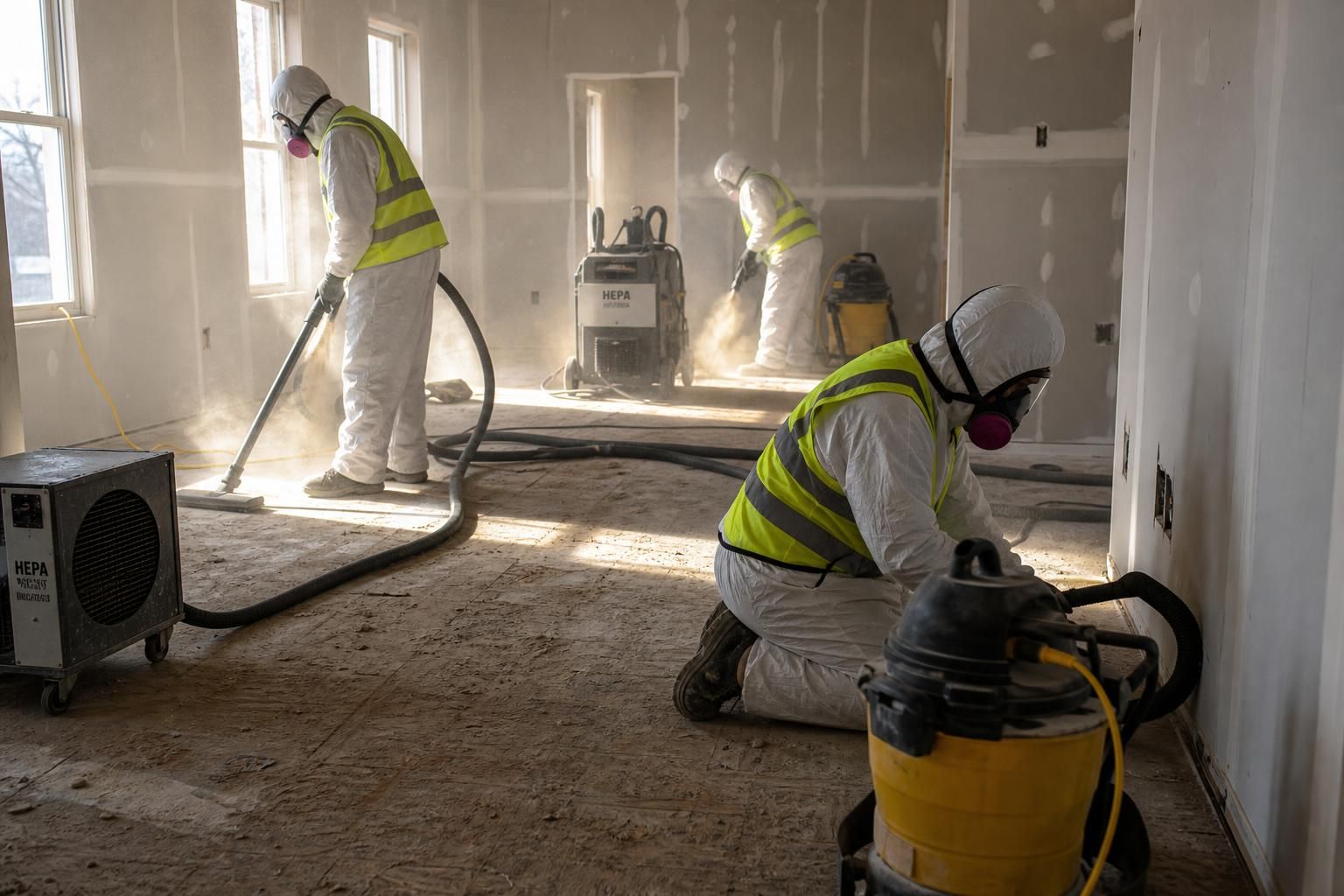
Professional crews save more than time. They bring equipment, sequencing, and job-site habits that most families and standard house cleaners simply do not keep on hand.
These post construction cleaning services also support final touch & turnover preparation.
Time-saving and efficient methods
Professionals work in a set order, debris first, dust second, detail last. That keeps them from cleaning the same room twice unless a touch-up visit is planned.
- They divide the work by phase, which avoids cleaning too early.
- They move room by room instead of bouncing around the house.
- They use checklists so vents, shelves, and window tracks are not skipped.
- They can schedule evenings or weekends for commercial projects that need a fast handoff.
That kind of planning is why one focused visit can replace several rounds of homeowner touch-ups.
Specialized cleaning tools and techniques
Post-construction cleaning services depend on tools that ordinary house cleaning rarely uses well. The gear matters because construction residue is finer, sharper, and harder on surfaces than everyday dust.
| Tool or method | Why it matters |
|---|---|
| High-efficiency particulate air vacuums | Capture fine dust without blowing it back into the room |
| Microfiber wipe-downs | Lift dust from trim, cabinets, and fixtures without pushing it around |
| Air scrubbers | Reduce airborne particles during and after heavy dust cleanup |
| Floor machines and extractors | Handle hard floorcare and carpet care after grit and adhesive removal |
| Non-scratch scrapers and finish-safe cleaners | Remove overspray and film without damaging glass, stone, or appliances |
For sensitive spaces, the difference gets even bigger. Data center cleaning and healthcare facility cleaning demand tighter dust control than regular commercial cleaning because debris is not just ugly, it can disrupt operations.
Ensuring compliance with safety standards
Safety rules are easy to ignore until a job involves older paint, heavy dust, or chemical residue. That is where professionals bring real value.
- Lead-safe work: EPA says certified firms are required for certain work in pre-1978 homes, schools, and child-occupied spaces when more than six interior square feet of painted surface or more than 20 exterior square feet is disturbed.
- Dust control: OSHA’s silica guidance points crews toward proper dust collection and HEPA-filtered vacuum systems for fine particulate work.
- PPE use: gloves, eye protection, respirators, and controlled cleanup methods help keep workers and residents safer.
- Documentation: checklists, insurance records, and disposal notes protect both the client and the general contractor.
A key note: Certified safety practices reduce risk during and after cleaning.
Frequently Asked Questions About Post-Construction Cleaning in Atlanta
Atlanta homeowners usually ask about timing, package details, and whether a crew can handle risky materials. Those are the right questions.
Quick FAQ Reminder: Evaluate cleaning timelines and package details carefully for best results.
How long does post-construction cleaning take?
There is no single standard timeline because the work depends on phase, size, and how much dust the trades left behind. A light kitchen remodel may fit into one visit, while a full-home renovation or large commercial cleaning project often needs rough, final, and touch-up phases.
The smartest move is to schedule the walkthrough after painters, flooring installers, and punch-list trades are truly done. If people keep coming back into the space, the dust often comes back with them.
- Small remodels are often handled in one scheduled visit.
- Whole-home projects may need a final clean plus a return touch-up.
- Commercial projects are commonly phased across multiple visits.
Keep in mind: Timelines vary widely. Confirm details with your cleaning provider.
What’s included in a typical cleaning package?
A solid package usually covers more than floors. It should bring the home from active work zone to livable space.
- Dust removal from ceilings, walls, trim, vents, and baseboards
- Vacuuming and damp wiping of hard surfaces
- Floor and carpet care
- Window, fixture, and appliance cleaning
- Cabinet, shelf, and drawer wipe-downs
- Bagging and removal of light debris or coordination for haul-off
Add-ons often include pressure washing, heavy debris removal, carpet extraction, inside-fridge or oven cleaning, and rush service. A written cleaning checklist should spell those out instead of treating them like assumptions.
Can companies handle hazardous material cleanup?
Some can, many cannot. A general post-construction cleaner may handle ordinary debris and dust, but lead, asbestos, mold, and chemical spills usually require a certified specialist or a separate hazardous materials contractor.
- If the home was built before 1978, ask about lead-safe certification.
- If there is suspect asbestos, stop normal cleaning until the material is identified.
- If solvents or unknown chemicals are present, ask who is responsible for disposal.
- If a company says it handles hazmat, ask for the credential, not just the claim.
That extra step protects the family and keeps a cleanup job from turning into a much bigger problem.
Conclusion
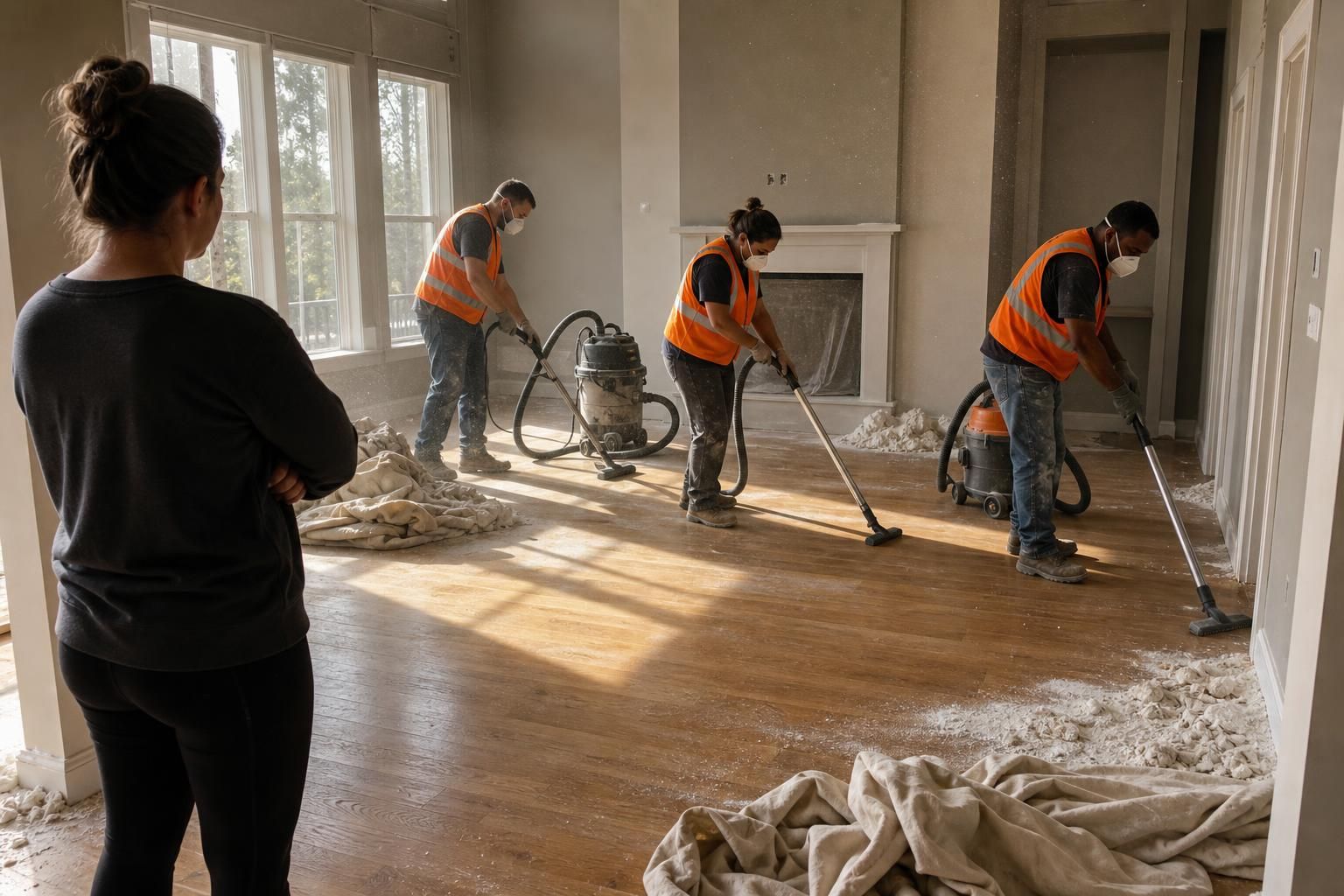
Strong post-construction cleaning in Atlanta comes down to matching the company to the project. Some crews shine with homes and final touch work, while others are built for offices, hospitals, data centers, and large commercial projects.
The safest next step is simple. Compare two or three firms, request the same cleaning checklist from each, and review debris hauling, floor care, and final-detail items side by side before choosing a free quote.
That approach gives house owners and parents a cleaner finish, fewer surprises, and a space that finally feels ready to enjoy.
Industry Insight: Trends in post construction cleaning include a focus on green cleaning practices and thorough surface clearing. These insights help improve outcomes for residential projects, commercial spaces, and industrial cleaning efforts alike.
FAQs
1. What do top-rated post construction cleaning companies in Atlanta do?
They remove construction debris, dust, paint splatters, and adhesive residue. They handle the final clean so the space is ready for use.
2. How do I pick a top-rated post construction cleaning team in Atlanta?
Read reviews and ask for before-and-after photos. Confirm the cleaning firm is licensed and insured, and get a clear quote that lists the scope of work.
3. How long does post construction cleaning take?
A small job can take a few hours. A large build may take one to three days, based on crew size and the amount of construction debris.
4. What should I expect on the day of the cleaning?
Crews arrive with vacuums, floor machines, and waste bags. They remove debris, wipe surfaces, clean windows, and do a final walk-through with you, like a stage crew before opening night.
Disclaimer: This content is for informational purposes only and is not a substitute for professional advice. Verify all details with certified experts before proceeding.