

How To Remove Pet Hair From Carpets, Couches, And Bedding Effectively?
What is the fastest method to remove embedded pet dander and hair?
The fastest and most effective method to remove embedded pet hair and dander from carpets and upholstery is to use a dry rubber squeegee or a damp electrostatic microfiber cloth to pull the woven hair to the surface. This should be followed immediately by a vacuum equipped with a motorized brush roll and a true HEPA filter to permanently extract the microscopic dander from the fabric.While lint rollers work for quick surface touch-ups, dealing with heavy shedding requires a structural approach to protect your home’s indoor air quality. If you need a complete reset, the team at My Cleaning Angel uses advanced HEPA-filtration to safely extract dander. For everyday maintenance, here is our complete, step-by-step guide…
Pet hair removal can feel endless in a busy home.
Cats leave fur on bedding. Dogs work it into carpets. Couches grab whatever is left.
The good news is that most house owners and parents do not need a bigger chore list. They need the right order, the right cleaning tools, and a few habits that stop pet fur from spreading in the first place.
This guide explains how to remove pet hair from carpets, upholstery, and laundry with less waste and better results, including where a lint roller helps, where a rubber glove wins, and when a washer or air purifier actually makes a difference. This with a deep cleaning will help you keep your home spotless.
Table of Contents
- Key Takeaways
- Why Pet Hair Removal Is Important
- Tools for Removing Pet Hair
- Lint Rollers
- Rubber Gloves
- Pet Hair Removal Glove
- Carpet Rakes
- Methods to Remove Pet Hair From Carpets
- Vacuum Cleaners with Pet Attachments
- Baking Soda for Loosening Hair
- Carpet Brushing Techniques
- Techniques to Remove Pet Hair From Couches
- Steps to Remove Pet Hair From Bedding
- Additional Tips for Managing Pet Hair
- Conclusion
- FAQs
Key Takeaways
- Use a vacuum with a motorized pet attachment and a true HEPA system for deeper carpet and upholstery cleaning. EPA says a true HEPA filter captures 99.97% of 0.3-micron particles, and the machine should be sealed so air does not leak around the filter.
- Manual pet hair removers are often faster for surface fur. A Chom Chom roller works well on flat fabric, while the BLACK + DECKER pet hair remover is a reusable low-cost pick for couches, rugs, and car seats.
- For bedding, remove loose hair before washing. A short no-heat dryer cycle with dryer balls or a dryer sheet usually knocks off more fur than tossing hairy sheets straight into the washer.
- Carpet rakes and tools like Uproot Cleaner Pro, Uproot Cleaner Max, and Uproot Cleaner Xtra lift buried hair that a vacuum often leaves behind, especially on stairs and dense rugs.
- Regular grooming matters as much as cleaning. The National Institute of Environmental Health Sciences notes that pet allergens can stay on carpets and furniture for months, so brushing pets and cleaning soft surfaces on a schedule lowers the daily pileup.
Checklist: Use a motorized vacuum with a true HEPA filter, try manual removers on flat fabrics, pre-clean bedding with a short no-heat dryer cycle, and use carpet rakes on embedded fur. Regular grooming lowers allergens.
Why Pet Hair Removal Is Important

Pet hair removal is about more than keeping a room tidy. The National Institute of Environmental Health Sciences notes that more than half of households have a dog, a cat, or both, and that pet allergens can remain on carpets and furniture for months.
Hair is often the visible part of the problem. Dander, saliva, and skin proteins travel with it, which is why a sofa can still bother sensitive family members even after the fur looks gone.
That is also why laundry steps matter. A product like Uproot Washing Machine Cleaner Pro may help reduce washer buildup, but it works best after loose pet fur is removed from blankets and pet beds first.
- Cleaner soft surfaces: Less hair on couches, carpets, and bedding means fewer furry clothes and fewer quick cleanups before guests arrive.
- Better air quality: Loose pet fur and dander get stirred up by kids, pets, and vacuuming, so early pickup helps sensitive noses.
- Less strain on appliances: Removing clumps before washing and drying helps keep lint traps, washer drums, and vacuum brush rolls from filling up so fast.
Checklist: Pet hair removal improves air quality and helps maintain appliances. Regular cleaning and brushing reduce allergens.

Tools for Removing Pet Hair

Most homes do better with a small toolkit than one miracle gadget. As of May 2026, Uproot lists its Pro at $15.29, Max at $22.49, and Xtra at $44.99, which makes it easier to match the tool to the surface instead of overspending on the wrong one.
| Tool | Best For | What Stands Out | Helpful Note |
|---|---|---|---|
| Chom Chom roller | Flat couch cushions, bedding, clothing | Reusable, no adhesive, built-in hair chamber | Usually around $24.99 at major U.S. retailers, and best on smooth fabric rather than plush carpet |
| BLACK + DECKER pet hair remover | Couches, rugs, car seats, pet beds | Transparent window and push-button bin | Often found in the low-teens price range, which makes it a solid budget pick |
| Gonzo Pet Hair Lifter | Bedding, drapes, stairs, upholstery | Reusable sponge format | Use it dry, never wet, then wash and fully dry the sponge between uses |
| Analan Mini Pet Hair Remover | Seams, corners, cars, tight upholstery areas | Triangle detail shape | Official U.S. listings place it around $15.95, which is useful for stubborn edges a roller misses |
| Uproot Cleaner Pro, Max, and Xtra | Carpets, stairs, rugs, larger furniture | Manual scraping edge, with Max 2X wider and Xtra adding a 60-inch handle | Best as a pre-vacuum step for embedded fur |
For laundry-heavy households, machines with dedicated pet-hair features can help too. The Maytag Pet Pro System adds a built-in filter or pet option on certain models, but even those machines work better after a quick pre-clean.
Note: Consider products like uproot cleaner pro, uproot cleaner max, and uproot cleaner mini for efficient fur removal. Homeowners may also explore options such as the uproot deepclean kit and uproot clean glove to improve cleaning techniques in pet care.
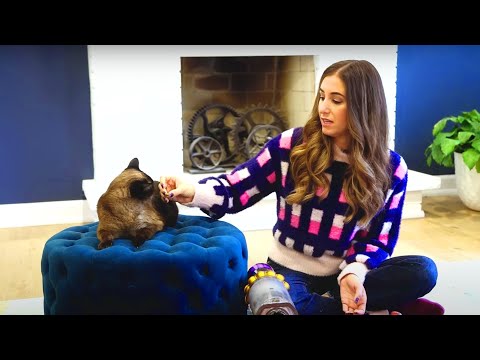
Lint Rollers

Lint rollers grab loose pet hair from couches, carpet edges, and clothing fast. They work best for surface fur, not deeply embedded hair.
The Chom Chom roller has stayed popular because it is reusable and does not rely on sticky sheets. Its chamber holds fur as it rolls, so a parent can clean a sofa cushion, empty the bin, and move on without tearing through refill sheets.
The BLACK + DECKER pet hair remover fills a similar role. Its clear window makes it easy to see when it is full, which helps during quick cleanups before school drop-off, visitors, or a load of laundry.
- Use a sticky lint roller for clothes, lampshades, and last-minute touchups.
- Use a reusable roller for couch seats, throw blankets, and pet beds that get cleaned every day.
- Use short strokes on seams and piping, since long passes tend to skip packed-in fur.
Rubber Gloves

Rubber gloves pull clinging fur from upholstery with almost no setup. In practice, they are one of the cheapest and most reliable ways to gather hair into clumps before vacuuming.
A long-running CleaningTips discussion kept circling back to the same trick: use a plain dishwashing glove, rub in one direction, and let the hair ball up. That one-direction pass matters because back-and-forth rubbing can push hair deeper into textured fabric.
- Lightly dampen the glove, or keep it dry on delicate fabric that marks easily.
- Rub with firm strokes in one direction until the fur gathers into lines or clumps.
- Pick up the pile by hand or follow with a vacuum nozzle.
Specialty gloves can still have a place. A product such as Uproot QuickClean Gloves Pro is marketed more as a fast pet wipe-down glove, while an ordinary reusable rubber glove is usually the better value for couches and bedding.
Tip: Consider the uproot clean glove option for efficient fur removal on delicate surfaces in pet care routines.
Pet Hair Removal Glove

A pet fur remover glove helps most before shedding hair lands on the furniture. It works like a grooming mitt, lifting loose fur straight from the coat during brushing, bathing, or quick check-ins by the door.
The American Kennel Club notes that rubber brushes and grooming mitts are best on short-coated dogs, while slicker brushes and undercoat rakes do better on medium, long, or double coats.
- Short coats: Rubber mitts and gloves lift dead hair well.
- Long or curly coats: A slicker brush usually pulls more loose fur before it mats.
- Double coats: An undercoat rake removes the loose layer that ends up all over the couch.
- Quick daily use: Keep a glove near the door or mudroom for a one-minute pass before pets settle in.
Carpet Rakes

Carpet rakes lift buried fur and pull it into visible piles. They are especially useful on area rugs, carpeted stairs, and low-to-medium pile carpet where pet hair twists below the surface.
Manual scrapers in the Uproot line fit this job well. The Uproot Cleaner Max is officially listed as 2X wider than the Pro, while the Xtra adds a 60-inch handle that helps with large rooms and stairs.
- Choose a small rake or Pro-style tool for stairs, edges, and car mats.
- Choose a wider rake like the Max for area rugs and bigger rooms.
- Test first on a hidden spot, since aggressive scraping can leave temporary marks on delicate or looped carpet.
- Use the rake before vacuuming, not after, so the machine can lift the loosened fur in one pass.
Summary: Using a carpet rake before vacuuming lifts trapped hair well, ensuring cleaner carpets.
Methods to Remove Pet Hair From Carpets

Carpet is where pet hair turns from annoying to stubborn. Fur slips down into the pile, tangles around fibers, and stays behind even after a fast vacuum pass.
The most effective routine is simple: loosen first, vacuum second, then spot-treat the edges and corners. That order saves time because the vacuum is not asked to do the rake’s job.
Checklist: Loosen hair, vacuum thoroughly, then spot-treat corners. Follow the sequence for effective fur removal from carpets.
Vacuum Cleaners with Pet Attachments
The right vacuum makes pet hair removal much faster. It also helps keep stirred-up dander from blowing back into the room.
- Use a vacuum cleaner with a motorized brush or power head to lift embedded fur from carpet fibers. Slow, overlapping passes pick up more than a quick back-and-forth sweep.
- Pick an upholstery tool for stairs, sofas, and pet beds so the fabric does not snag or fuzz.
- Add a crevice nozzle for baseboards, room corners, and under couch fronts where fur collects in lines.
- Choose a model with a true HEPA filter if dander is part of the problem. EPA defines HEPA as 99.97% efficiency at 0.3 microns, and also warns that a vacuum should be designed as a sealed HEPA system, not just retrofitted with a HEPA-style filter.
- Keep a handheld vacuum for car seats, pet steps, and bedding touchups before laundry day.
- Clean the brush roll, empty the bin, and cut wrapped hair off the roller often. Strong suction drops fast when pet fur stays tangled in the head.
Baking Soda for Loosening Hair
Baking soda can help loosen pet hair from carpet and cut static at the same time. It is most useful as a prep step on rugs and pet beds, not as a miracle fix by itself.
- Sprinkle a light layer over the carpet and let it sit for 10 to 15 minutes before vacuuming.
- Use it on pet-favorite spots first, since those areas tend to hold both fur and odor.
- Follow the sprinkle with a carpet rake or rubber brush to lift hair to the surface.
- Keep the layer light. Heavy piles of powder create extra cleanup and can clog some vacuums.
- Skip scented add-ins on bedding or pet areas if anyone in the house is sensitive to fragrance.
Tip: Use a light dusting of baking soda to help reduce static and ease fur removal before vacuuming.
Carpet Brushing Techniques
Loosened hair responds well to a firm brush. Brushing pulls out the stubborn tufts left behind after vacuuming.
- Use a carpet rake or brush with stiff rubber teeth to work along the pile, then pull the collected fur into a pile for easy pickup.
- Run a detail tool such as the Analan Mini Pet Hair Remover over corners, stair edges, or spots where the vacuum head cannot sit flat.
- Brush in short sections so fur gathers instead of spreading across the room.
- Light brushing in high-traffic zones every few days helps stop buildup and makes the next deep-clean session much shorter.
- On delicate rugs, reduce pressure and test first. Aggressive scraping can rough up soft or looped fibers.
- Finish with a vacuum once the hair is visible, since brushing alone only moves the fur, it does not remove it from the room.
Checklist: Brush in short sections with a firm brush. Follow up with vacuuming to remove loosened fur from carpets.
Pro Tip: Even with daily brushing, pet hair will eventually accumulate on your baseboards and under furniture. Establishing a strict vacuuming routine is key, or you can supplement your efforts by booking a
Techniques to Remove Pet Hair From Couches

Couches trap pet fur in seams, textured weave, and seat creases. That makes them a little different from carpet, since the best method depends on the fabric as much as the amount of hair.
A simple two-step routine usually works best: pull surface hair together with a glove, brush, or roller, then use a vacuum attachment to finish the job.
Dampened Rubber Gloves
Damp rubber gloves pull pet hair from fabric with very little setup. The grip of the rubber creates drag, which helps clinging fur gather into piles instead of staying woven into the upholstery.
- Lightly dampen a dish glove, then rub the couch in one direction.
- Work one cushion at a time so the fur does not spread to the next section.
- Rinse the glove when it becomes coated, then continue.
- Use a vacuum or hand brush after the glove pass to catch loose dander and crumbs.
- On microfiber, wring the glove well so it is only slightly damp, not wet.
- On velvet or delicate fabric, test a hidden area first to avoid leaving marks.
Static Brushes
Static brushes are a strong middle ground between gloves and vacuums. They loosen clingy fur fast and do especially well on woven upholstery, pet beds, and couch backs where hair sits on the surface.
- Brush in short, even sweeps.
- Push hair toward a corner or edge so it collects instead of scattering.
- Use the firmest pressure on durable upholstery, and lighter pressure on softer fabrics.
- Pair the brush with a crevice tool to clean seams and under cushions.
Tip: Combine static brushes with a crevice tool for better cleaning of seams and corners on couches.
Reusable Lint Rollers
Reusable lint rollers are one of the easiest couch tools to keep nearby, which is why they often end up getting used more than a full vacuum. They are quiet, quick, and good for the nightly reset after pets settle in for the evening.
- Even in a long-running Zero Waste discussion, the Chom Chom Roller kept coming up as the reusable favorite for couches and blankets.
- A BLACK + DECKER pet hair remover gives the same quick manual cleanup feel with a visible collection chamber and budget-friendly pricing.
- Firm, even passes work better than fast flicks. The goal is to let the roller pull hair into its chamber, not skate across the top.
- Use a reusable lint roller on bedding before washing to keep extra fur out of the washer.
- Empty the chamber after each session so the tool keeps grabbing instead of smearing trapped fur back onto the fabric.
- For heavy shedding weeks, combine a glove first and a roller second. The glove handles the clumps, and the roller catches the leftovers.
Steps to Remove Pet Hair From Bedding

Bedding needs a slightly different routine because wet hair can cling harder once it reaches the washer. Dry removal first almost always works better.
- Shake bedding outside or over a hard floor that is easy to sweep.
- Run a quick no-heat dryer cycle to knock loose hair into the lint trap.
- Use a glove, roller, or brush on leftover fur.
- Wash and dry as usual, then clean the lint trap again.
Checklist: Shake bedding outdoors, use a no-heat dryer cycle, then remove remaining fur manually before washing.
Dryer Sheets for Pre-Treatment
Dryer sheets help because they cut static, and static is part of what makes pet fur cling so stubbornly to sheets and pillowcases. They work best as a pre-treatment step, not as the only fix.
- Rub a dryer sheet across pillowcases or fitted-sheet corners before laundry day.
- Use a 10-minute no-heat dryer cycle for hairy blankets and pet throws.
- Check the lint trap halfway through a very furry load if the dryer starts losing airflow.
- Finish with another sheet or dryer ball in the final dry cycle if static is still an issue.
Tip: Dryer sheets cut static and prepare bedding for washing. They are effective as a pre-treatment.
Washing Machine Additives for Hair Dissolution
Many laundry products promise to dissolve or release pet hair, but the bigger improvement usually comes from better prep. Hair that never reaches the wash drum is easier to manage than hair a product tries to break loose later.
Some laundry enthusiasts still experiment with enzyme laundry additives, mostly to help with body oils and odor. For fur-heavy homes, though, the better decision is often a machine with a built-in pet-hair feature or a better pre-clean routine.
- As of 2026, Maytag says certain top-load Pet Pro models remove 5X more pet hair with the built-in Pet Pro Filter.
- The Pet Pro option adds extra water and a deep rinse to help lift and capture hair from clothes and linens.
- If a washer does not have a pet filter, a pre-wash roller or glove pass matters even more.
- After washing pet bedding, wipe the drum or gasket if loose fur is still visible.
Tip: Pre-cleaning fur from laundry machines may reduce the need for additives. Not every load requires extra treatment.
Using a Pet Hair Remover Before Washing
A manual pre-clean keeps more hair out of the washer, dryer, and lint trap. It also helps bedding come out looking cleaner on the first cycle instead of needing a second pass.
- Lay the sheet or blanket flat, then use a lint roller, reusable roller, or rubber glove in short strokes.
- Focus on seams, hems, and fitted-sheet corners where fur gets packed in.
- For thick comforters, do a fast dryer-air cycle first, then roll or glove the remaining fur.
- Empty the collected hair into the trash right away so it does not drift back onto the laundry pile.
- If the load still sheds heavily after washing, run an extra rinse and clean the lint trap before the final dry.
Checklist: Remove loose hair before washing with a manual pre-clean step. Ensure the washer and dryer stay clear of excess fur.
Additional Tips for Managing Pet Hair

Daily control matters more than heroic weekend cleaning. A few small habits keep pet fur from turning into a whole-house project.
Summary: Daily grooming, quick cleanups, and smart furniture choices help in pet care routines. Consistent action reduces fur spread and allergens.
Grooming Pets Regularly
Grooming is the first cleanup step, because the easiest hair to remove is the hair that never reaches the couch. The American Kennel Club advises that some dogs need brushing weekly, some a few times a week, and some daily during heavy shedding periods.
The schedule depends on coat type, but a short routine is enough to make a visible difference in the house.
- Brush short-coated pets with a rubber mitt or bristle brush.
- Use a slicker brush for long coats and an undercoat rake for double-coated breeds.
- Brush outside, in a mudroom, or over a towel that can be shaken out easily.
- Keep sessions short and calm so pets tolerate the routine better.
- For bigger jobs, a contained system such as the Uproot Pet Grooming Kit can help collect fur while grooming instead of letting it float through the room.
Investing in Pet-Friendly Furniture
Some fabrics fight pet hair better than others. Smooth microfiber, tightly woven performance fabric, leather, and faux leather usually release fur faster than velvet, chenille, or loose weave upholstery.
Washable covers and throws also make a big difference for families. They move the mess to something easy to strip and launder instead of forcing a full couch cleanup every time.
- Use machine-washable throw blankets on favorite pet spots.
- Choose removable cushion covers when buying new furniture.
- Keep a dedicated pet bed near the couch so pets have another soft place to settle.
- Test rollers and brushes on an unseen patch first, especially on velvet or textured fabric.
Tip: Choose fabrics that are simple to clean and use washable covers for easier fur removal during household cleaning.
Using Air Purifiers to Reduce Floating Hair
An air purifier helps with what is floating, not what is already settled into the carpet. EPA makes that distinction clearly, which is useful because many families expect an air purifier to solve both problems.
That means a purifier can reduce airborne dander and fine particles, but it still needs to be paired with vacuuming, washing, and surface cleanup.
| Room Size | Minimum CADR From EPA Sizing Chart | Helpful Use |
|---|---|---|
| 100 square feet | 65 cfm | Small bedroom or nursery corner |
| 200 square feet | 130 cfm | Average bedroom or office |
| 300 square feet | 195 cfm | Larger bedroom or playroom |
| 400 square feet | 260 cfm | Living room or open family room zone |
Place the purifier near pet beds or the seating area where dander gets kicked up most often. A true HEPA unit sized to the room is usually the better choice than a small machine run on high all day.
Tip: A true HEPA air purifier works best with regular cleaning practices to reduce airborne fur and dander.
Eco-Friendly and Reusable Pet Hair Removal Tools

Reusable tools usually save money after a few weeks of steady use. They also reduce the pile of sticky sheets, disposable wipes, and worn-out tape that heavy-shedding homes go through fast.
| Tool | How It Works | Best For | Eco Benefit | Notes / Examples |
|---|---|---|---|---|
| Reusable lint roller | Rolls or brushes trap hair into a chamber instead of onto disposable sheets. | Couches, bedding, clothing. | Replaces single-use adhesive sheets. | Chom Chom is a well-known example, and it works best on flat fabric surfaces. |
| Rubber glove | Dampen, rub, and gather clumps into piles. | Fabric couches, car seats, blankets. | No batteries and almost no waste. | One inexpensive pair can last through months of quick cleanups. |
| Pet hair removal glove | Rubber or silicone nodules pull loose fur from the coat before it drops indoors. | Short and medium coats. | Reusable and cuts down on indoor shedding. | Best as a grooming step, especially for short-coated pets. |
| Carpet rake | Stiff teeth lift trapped hair from carpet fibers. | Area rugs, stairs, low-to-medium pile carpet. | Manual tool with a long lifespan. | Use before vacuuming for the biggest difference. |
| Gonzo Pet Hair Lifter | Dry sponge wipes fur from fabric and upholstery. | Bedding, drapes, upholstery, stairs. | Washable and reusable. | Use dry only, then wash and dry it fully before storing. |
| Uproot Cleaner family | Manual edge pulls and lifts hair from surfaces. | Carpets, couches, stairs, cars, clothing. | Reusable tool set with no adhesive refills. | As of May 2026, Uproot lists Mini at $11.69, Pro at $15.29, Max at $22.49, and Xtra at $44.99. Max is 2X wider, and Xtra adds a 60-inch handle. |
Checklist: Choose the right tool for each surface. Reusable options support eco-friendly fur removal and save cost over time.
Bonus Tip for Renters
Are you a pet owner preparing to move out of a rental? Pet hair and lingering odors are one of the top reasons landlords withhold funds. Booking a specialized
Conclusion

Good pet hair removal gets easier once each surface has the right tool. Carpets usually need a rake and vacuum, couches respond well to a glove or reusable roller, and bedding comes cleaner when loose fur is removed before washing.
For most families, the winning routine is simple: groom pets often, keep one manual remover close by, run a quick dryer pre-treatment for hairy bedding, and use an air purifier as backup for airborne dander, not as a replacement for home cleaning.
Summary: Use proper cleaning techniques and quality tools to keep surfaces fur-free. Regular grooming and pre-clean routines reduce allergens and save time.
FAQs
1. How do I remove pet hair from carpets fast?
Run a cleaner with strong suction over the carpet in short, overlapping strokes. Go over problem spots twice to lift trapped pet hair.
2. What works best on couches and bedding?
Use a roller or a firm brush to lift hair from couches and bedding. For small items, toss them in the dryer on low for 10 minutes to loosen hair, then pick it up with the roller.
3. How can I stop pet hair from piling up?
Brush your pet regularly and use washable covers on couches and bedding.
4. Any tips for stubborn hair stuck deep in fabric?
Put on gloves and rub the fabric to roll hair into clumps, then pick them up by hand. A slightly damp cloth helps pull hairs from deep fibers, and a cleaner with a small brush tool finishes the job.


