Kids and pets can turn a spotless home into a snack zone in days. Routine cleaning helps, but some grime hangs on until a true deep cleaning breaks it loose.
If anyone wonders how often a deep clean is needed or what to tackle first, they are not alone. Most experts suggest a full deep clean once or twice a year, supported by monthly, quarterly, and seasonal touch-ups.
Think bigger jobs: washing windows, dusting light fixtures, tackling kitchen grease, and scrubbing stubborn bathroom grime. This guide maps out a simple cleaning schedule with clear steps for every room. Fresh, usable spaces without the weekend meltdown.
Interactive Tools: Homeowners can use printable deep cleaning checklists and digital calendars to manage tasks. This approach supports living room deep cleaning, bedroom deep cleaning, and house cleaning routines.
Users can track area rugs cleaning, stove top cleaning, and electronics cleaning to maintain clean rooms and ensure overall cleanliness.
Key Takeaways
- Many experts, including Martha Stewart, suggest deep cleaning once or twice a year, plus monthly, quarterly, and seasonal tasks for better hygiene.
- Core targets include grout lines, ceiling fans and light fixtures, monthly pillow washing, and yearly upholstery shampooing.
- Use cleaning checklists, homes that use them are about 40% more thorough than those cleaned from memory.
- Replace HVAC filters every three months; wash bedding weekly at 130 °F or hotter to kill germs, per CDC guidance.
- Affresh products can clear odors and buildup in washers and dishwashers; EPA-approved disinfectants cut germs on high-touch surfaces weekly.
Defining Deep Cleaning
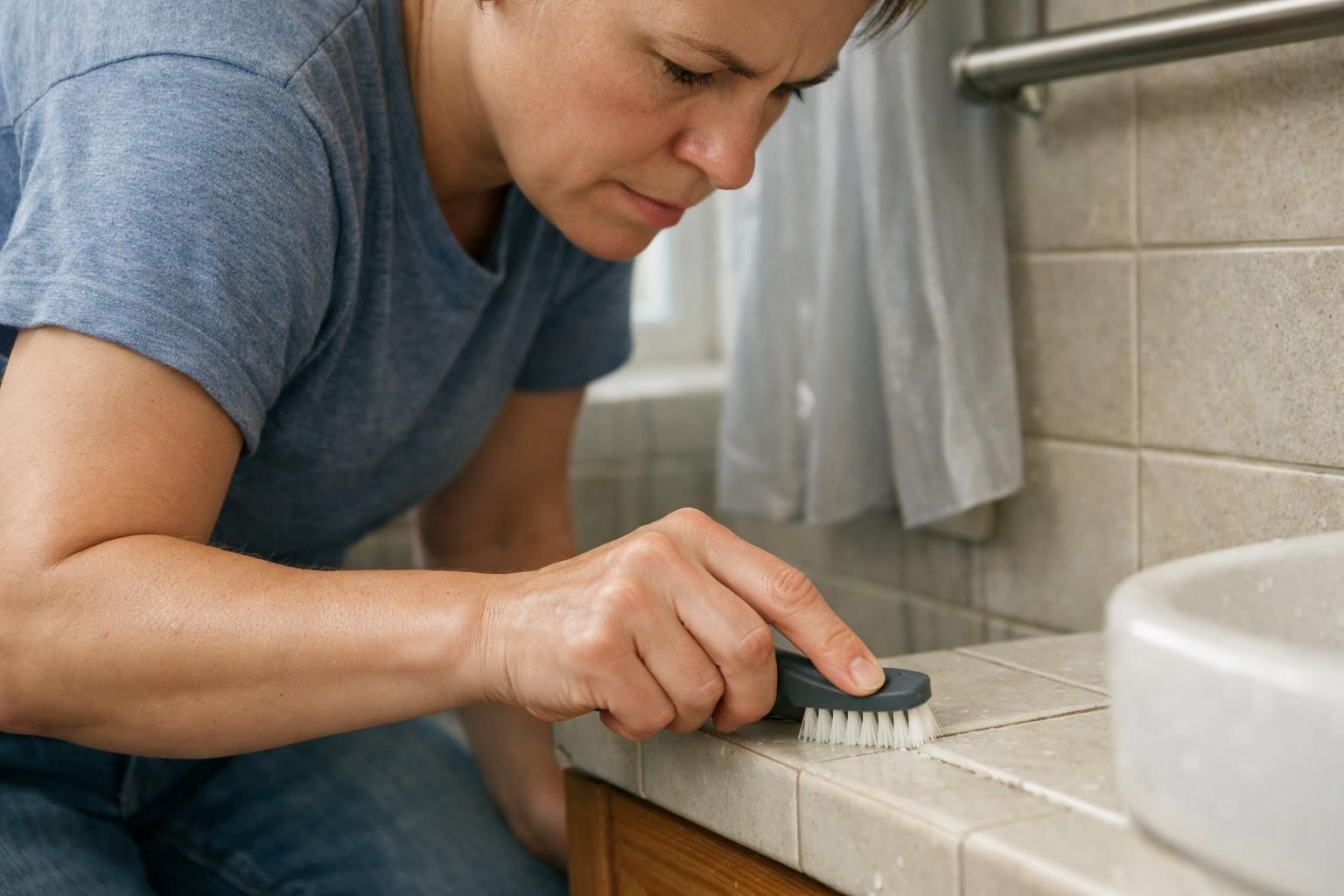
Deep cleaning goes past weekly tidying. It means wiping ceiling fan blades, scrubbing grout lines with brushes, and using a degreaser on oven racks or stovetops. These are the skipped spots that quietly collect buildup.
Expect 8 hours or more for a full home, especially when using a vacuum cleaner for carpet cleaning and microfiber cloths for dusty shelves and light fixtures. Many parents split jobs over several days to avoid burnout.
This level of cleaning targets areas that affect indoor air quality and household hygiene. Mold prevention starts by hitting bathroom corners, shower curtains, and backsplashes. In bedrooms, it includes pillows, mattress seams, and closet floors.
These steps cut allergy triggers and keep rooms fresh for everyday life. Wondering how often to plan this deeper work?
Frequency of Deep Cleaning Your Home

Most families guess at the right cleaning frequency. Here is a simple rhythm to keep dust bunnies from hosting parties under the couch.
Monthly Deep Clean Tasks
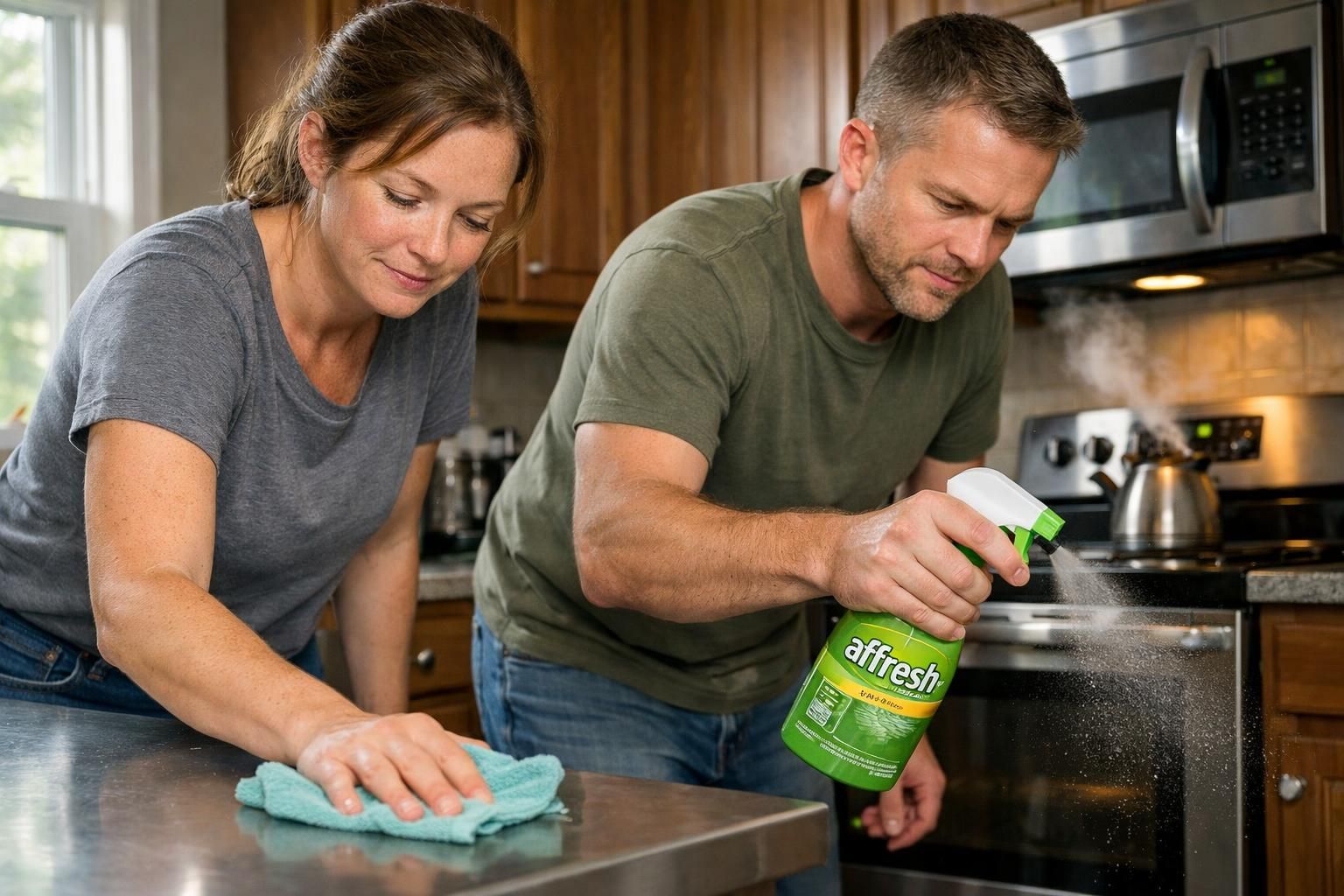
A monthly deep clean keeps odors down and protects family health. Use this list to refresh high-traffic areas fast.
- Tidy the fridge, toss expired items, wipe shelves, and check for spills or leaks.
- Clean kitchen appliances like washers, dishwashers, dryers, microwaves, and disposals. Use Affresh appliance care products to remove hard water stains and odors.
- Wash trash cans inside and out with soap or disinfectant to block bacteria and smells.
- Scrub sinks, faucets, counters, shower doors, and bathroom vanities with a strong disinfectant.
- Dust ceiling fans, light fixtures, vents, and air returns; vacuum to improve indoor air quality.
- Change bedding, including pillowcases and sheets. Wash pillows at least monthly to reduce dust mites.
- Deep clean area rugs and door mats with a carpet cleaner or spray to lift tracked-in dirt.
- Wipe electronics like TVs and remotes with soft cloths or an approved cleaner.
- Declutter kitchen cabinets and closets so clutter does not pile up; organize pantry goods too.
- Do a quick check in laundry rooms or garages for spills or messes that could attract pests.
These routines set the stage for a cleaner home without a huge time sink each month.

Quarterly Deep Clean Essentials

Every three months, roll up sleeves and reset the house. This rhythm lightens allergy loads and lowers stress.
- Vacuum and shampoo all carpets and area rugs to freshen fibers and reduce allergens.
- Wipe baseboards, moldings, light switches, doorknobs, and light fixtures where dust settles.
- Clean windows inside and out; dust blinds or shades for better light and airflow.
- Handle kitchen deep cleaning: clean refrigerator coils, inside and outside the microwave, scrub the stovetop, run the self-cleaning oven cycle if available, and disinfect countertops.
- Scrub bathrooms top to bottom: polish faucets, clean grout, sanitize sinks, scrub tubs, toilets, showerheads, mirrors, and door handles.
- Wash or vacuum drapes and upholstery; use attachments or call professional cleaning services for tough stains.
- Dust ceiling fans thoroughly so they do not scatter dust back into rooms.
- Replace HVAC filters for cleaner airflow; check vent covers too.
- Organize bedroom closets and donate unused items for extra space.
- Deep clean laundry rooms, wipe machines inside and out, including detergent trays, to prevent musty smells.
- Check garage or attic storage, sweep floors, and clear broken or unneeded items to speed up spring cleaning later.
Quarterly chores erase hidden grime before it sparks allergies or invites surprise guests.
Seasonal Deep Cleaning Checklist
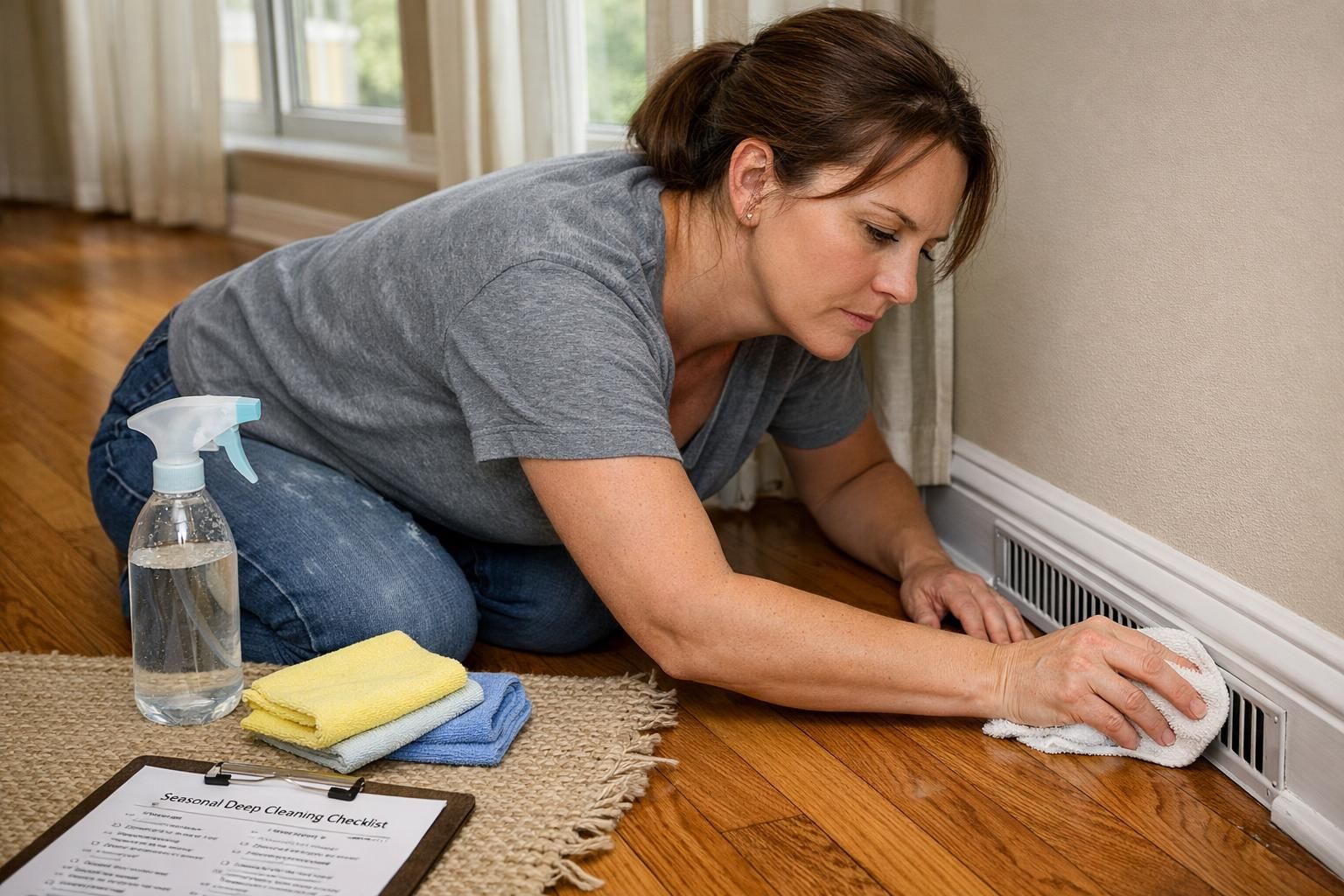
Seasonal deep cleaning builds a cleaner base for everyday life. One weekend can change how the whole home feels.
- Wipe ceiling fans and window blinds to remove thick dust that triggers sneezing.
- Scrub baseboards, door frames, and vents where grime hides in plain sight.
- Deep clean area rugs; a thorough wash every spring or fall helps remove allergens.
- Disinfect high-touch points like doorknobs, light switches, remotes, and game controllers.
- Pull out and clean behind kitchen appliances to clear crumbs that attract ants.
- Empty pantry shelves, toss expired food, and wipe surfaces before restocking.
- Wash windows inside and out so sunlight brightens rooms without streaks.
- Wash bedding in hot water; clean pillows too since dust mites love soft fibers.
- Focus bathroom cleaning on grout lines and check shower curtains or liners for mold.
- Organize garage shelves and attic bins so seasonal gear does not turn into clutter.
With each season, a bit of extra effort keeps weekly cleaning easier all year.
Annual Deep Clean Schedule
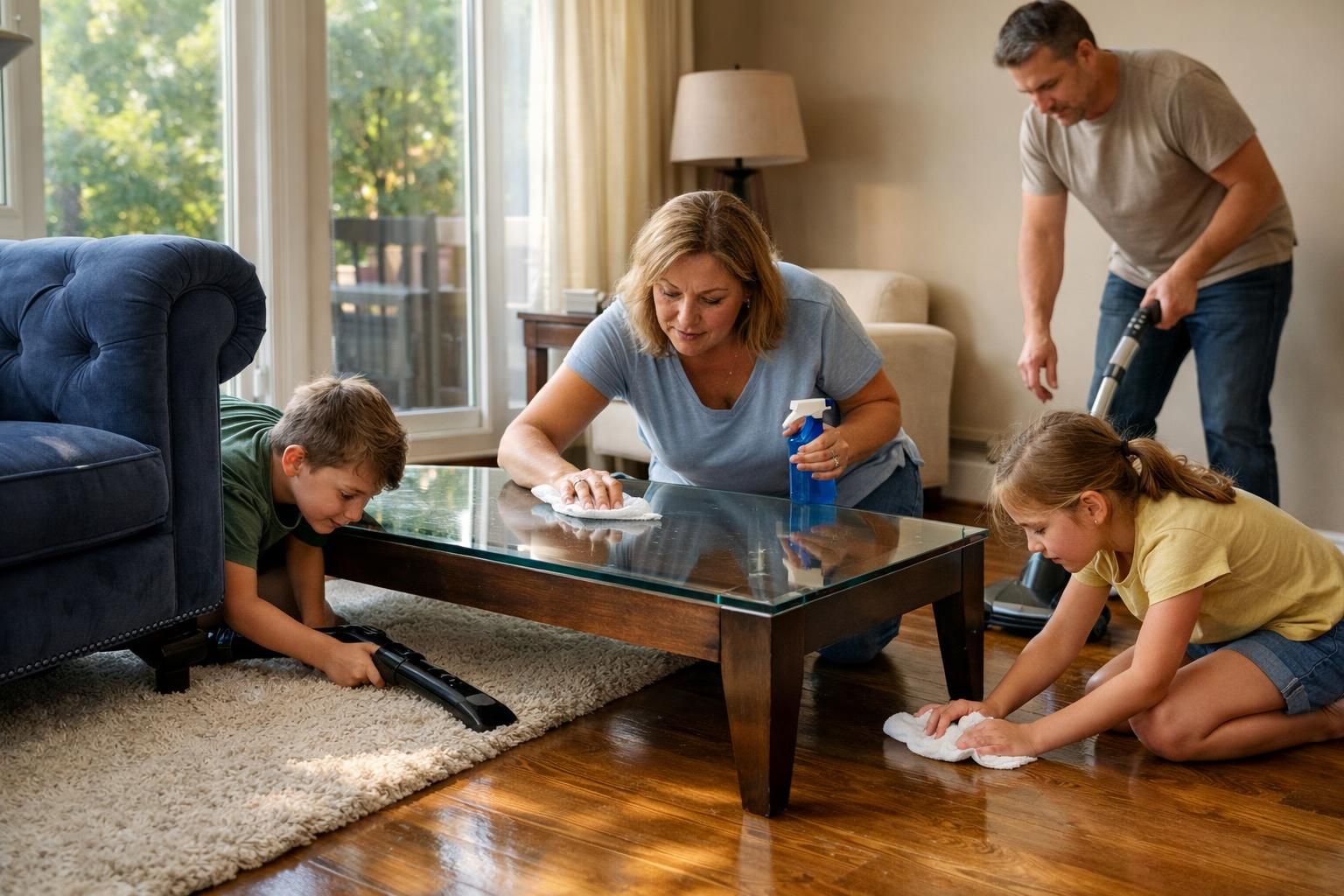
The yearly deep clean handles the big jobs that never fit into weekdays. Martha Stewart and other pros back this once or twice yearly reset.
- Move large furniture, such as sofas and beds, then vacuum and mop underneath.
- Scrub baseboards, ceiling fans, and vents with gentle soap and hot water.
- Deep clean kitchen appliances: refrigerator shelves, oven racks, burners, microwave walls, and the dishwasher interior.
- Wash area rugs with a carpet cleaner or send them out for professional care.
- Clean windows inside and out for more natural light; wash curtains and wipe blinds.
- Disinfect high-touch spots like doorknobs, light switches, remotes, consoles, and phones.
- Shampoo upholstery; remove pet hair with sticky rollers or vacuum attachments.
- Organize closets, donate old clothes and shoes, and wipe shelves before restocking.
- Clear the garage or attic, toss broken items or expired paint, sweep, and check for cobwebs.
- Swap bedding for the season; wash pillows in hot water to limit dust mites.
- Test smoke alarms and change batteries once a year to stay ready for emergencies.
This annual list clears the big chores in one focused round, leaving peace of mind behind.
Key Areas for Deep Cleaning
Some spots demand gentle care, others need elbow grease. Deep cleaning these areas lifts stress and keeps air fresher for everyone.
Kitchen Deep Clean Focus
Grease builds up fast on the range, vent hood, and stove top. Tackle one station at a time, starting with dishwasher cleaning inside and out, then handle microwave cleaning.
Clear old leftovers from the refrigerator, freezer, and ice maker to stop smells before they spread. Wipe counters after clearing clutter for a real shine.
Cabinets catch crumbs and drawers hide sticky surprises. Empty and wipe them with hot soapy water monthly. Give sinks special attention, disinfect them, and fizz the garbage disposal with baking soda and vinegar for fresh scent.
Scrub the trash can every few weeks to fight bacteria. Finish by vacuuming crumbs before mopping. A steady kitchen cleaning routine lowers stress and supports a healthier family space.
Bathroom Deep Clean Requirements
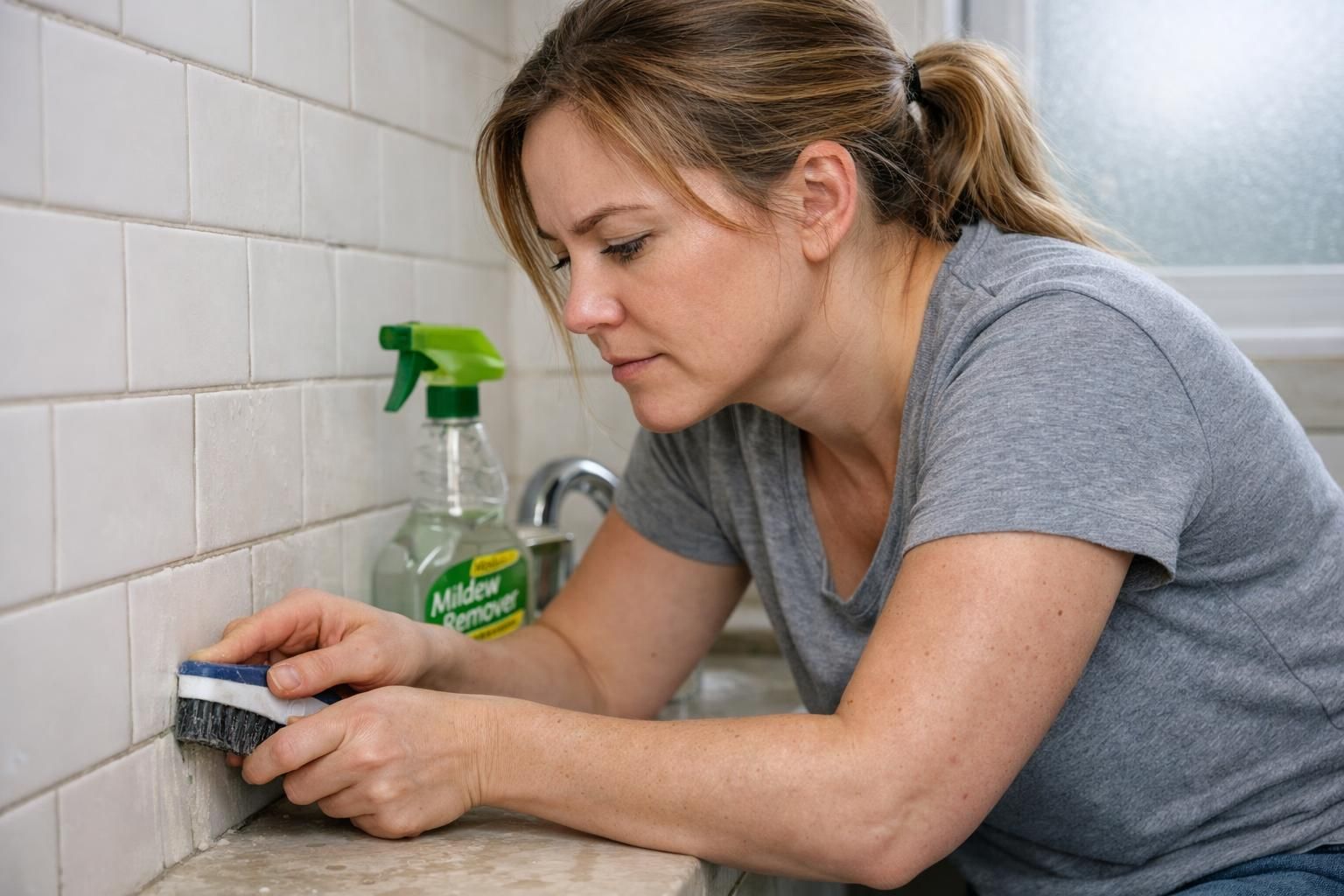
Scrub tiles and blast grout lines for a real reset. Disinfect the toilet, sink, and faucet handles to eliminate germs where hands linger.
Households with kids should descale the showerhead monthly for stronger water flow. Wash or swap plastic tub liners and wipe glass doors so soap scum does not spread.
Check the medicine cabinet, toss expired products, and clean shelves. Shine mirrors until they sparkle.
Hit high-touch spots like light switches, towel hooks, and drawer handles. Busy bathrooms collect grime faster than most rooms, so a deeper pass keeps mornings smoother.
Bedroom Cleaning and Maintenance
After finishing bathroom deep cleaning, shift to the bedroom. Start with bedding. Strip blankets, pillowcases, and sheets, then wash for a fresh reset.
Flip or rotate mattresses to extend their life and improve comfort. Dust bunnies hide under beds and furniture, so use a strong vacuum to reach corners and under dressers or nightstands.
Microfiber cloths work well on headboards, lamp bases, electronics like alarm clocks, and window sills. Clean area rugs regularly too, dust settles fast in soft fibers.
Wash curtains twice a year since they trap allergens. Run washable drapes on a gentle cycle. Wipe blinds with a mild soap solution. Clean inside windows and outside if possible for brighter mornings.
Check smoke detector batteries once a year. Keep closets clear by removing outgrown clothes and single socks often. A tidy space speeds up early routines.
Living and Dining Room Cleaning Priorities
After bedrooms, focus on living room deep cleaning routines. Dust falls from ceilings and fans, landing on lamps, shelves, frames, and remotes.
Use a microfiber cloth or duster and work top to bottom to avoid re-cleaning. Treat electronics gently. Avoid spray cleaners on screens and use anti-static wipes on consoles.
Sunlight reveals crumbs under sofas and between cushions. Pull out furniture if possible and vacuum well. Do not skip drapes or blinds because they collect dust that affects indoor air quality.
Spot clean high-touch items like remotes and light switches weekly. Mop floors last so nothing gets tracked back in. Gently dust china cabinets so keepsakes stay unharmed. Regular care keeps family spaces ready for movie night or game day.
Laundry Room Cleaning Tasks
Dust and wipe every shelf, cabinet handle, and laundry basket. Use a mild cleaner on spots where soap spills or lint gathers. Scrub the utility sink, clean around the faucet base, and clear gunk from the drain with an old toothbrush.
Clean washer doors, detergent trays, vents, and dryer lint traps monthly to lower fire risk. Check drains and hose connections for debris. Many plumbers find socks here during repairs.
Look behind machines for dust bunnies and lost items. Wipe washers and dryers inside and out. Run a cleaning cycle with white vinegar if there is a mildew smell.
Dust light fixtures, then mop floors to clear grime tracked in by kids or pets. A tidy laundry area makes the next deep clean easier and faster.
Garage and Attic Organization and Cleaning
Start by pulling everything out. Sort items and toss broken tools, old toys, or things ignored for years. Wipe ceilings and shelves with a gentle cleaner to clear spiderwebs.
Sweep, then mop for a quick refresh. Next, organize what stays. Clean plastic bins and cabinets before refilling. Label boxes so finding holiday lights next year takes minutes.
Check the garage door opener alignment so mornings run smoothly. Give storage spaces a final pass so only useful items remain. More space, less chaos.
Detailed Kitchen Deep Cleaning
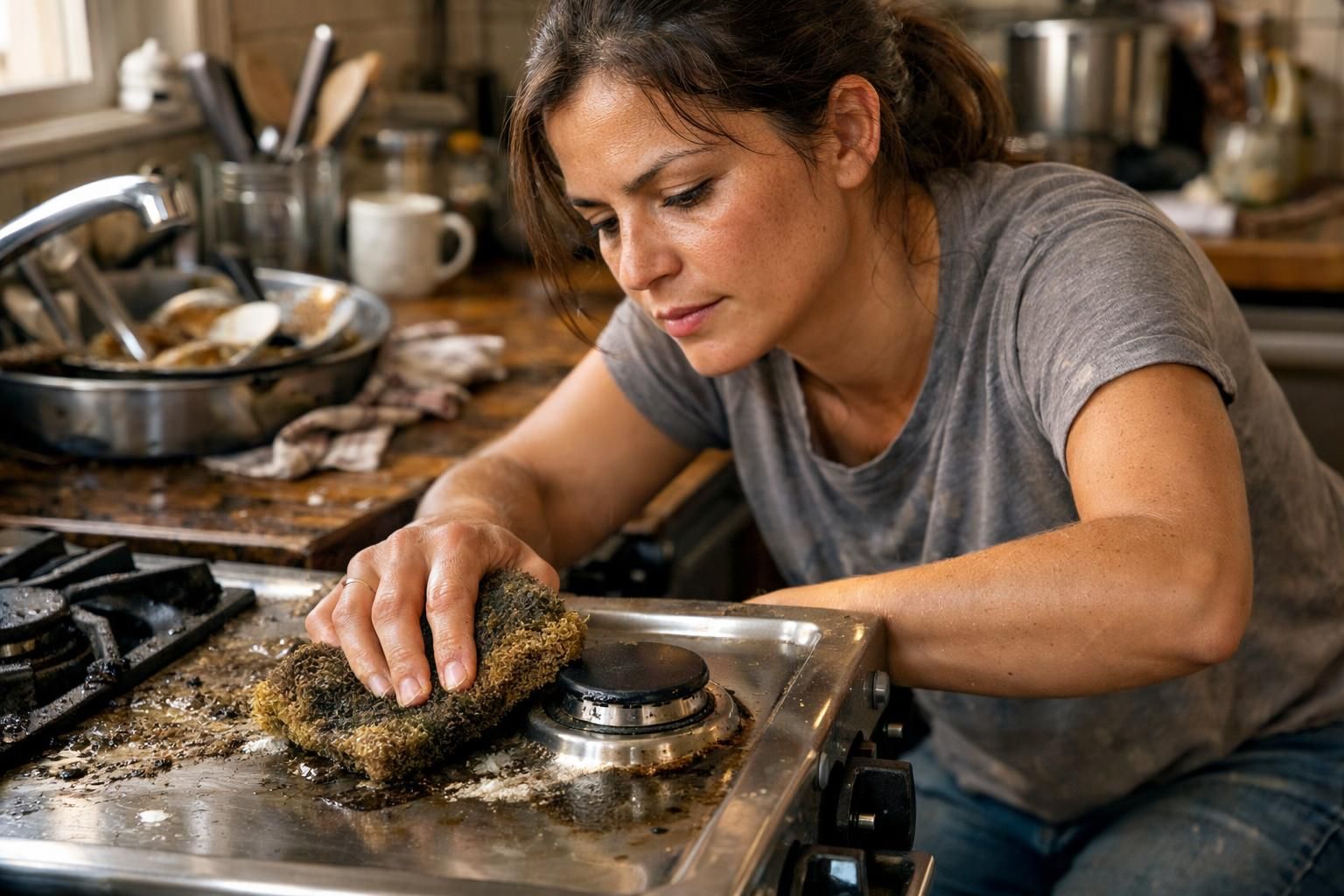
Grease hides in plain sight on busy days. A focused round of kitchen deep cleaning makes cooking feel easier and safer.
Cleaning Key Appliances
Appliances work hard every day. Target the biggest grime spots first for quick wins.
- Clean stove tops by removing grates and scrubbing surfaces to remove stuck-on food and grease.
- Drop dishwasher cleaner tablet into the dishwasher monthly to fight limescale, odors, and grime.
- Use washing machine cleaner tablet to clear residue from seals and the drum.
- Use an disposal cleaner tablets monthly to cut disposal odors; it takes minutes but works well.
- Pull trays and wash refrigerator shelves with warm soapy water, then dry before restocking.
- Run an coffee maker cleaner tablet cycle monthly to remove oily residue that dulls flavor.
- Steam-clean microwave interiors by heating a bowl of lemon water, then wipe splatters with a damp cloth.
- Soak oven racks in hot water and dish soap, scrub after a long soak for easier cleaning.
- Vacuum under big appliances like fridges and ranges twice a year where dust collects.
- Swap range hood filters every three months to keep cooking air cleaner.
Small wins add up. A cleaner stove top and fridge make the whole kitchen feel new.
Sanitizing Sinks and Disposal Systems
Once appliances shine, handle sinks and the disposal. These spots hold odors and germs if ignored.
- Scrub the sink with baking soda and a soft sponge for stain removal without scratches.
- Pour half a cup of white vinegar down the drain, then flush with hot water to fight odors.
- Run the disposal with ice cubes and lemon peels under cold water for about a minute to deodorize.
- Brush around faucet bases with a toothbrush dipped in vinegar to remove hidden grime.
- Disinfect the trash can by spraying all surfaces and letting it sit 10 minutes before rinsing.
- Rinse sink grids, dish racks, and drain stoppers in hot soapy water, then dry well.
- Flush fresh water through pipes weekly to reduce buildup and future clogs.
- Wipe handles and knobs with antibacterial wipes twice a week, they collect germs quickly.
- Check under the sink for leaks or mold during each cleaning session.
- Add an air freshener if desired, but rely on scrubbing to remove real bacteria.
Regular sink care stops odors and keeps the kitchen more hygienic for everyone.
Decluttering and Cleaning Storage Spaces
After the sink and disposal, shift to storage. A tidy pantry or cabinet cuts dinner stress by half.
- Empty cabinets and drawers completely to start fresh. Dust does not pay rent.
- Toss expired food, old spices, and anything unused since last year’s big game.
- Wipe shelves, corners, and hardware with an all-purpose cleaner, focus on sticky spots.
- Use organizers from brands like Rubbermaid or The Container Store to sort snacks and supplies.
- Label containers so kids know where snacks go, it speeds up busy mornings.
- Follow âfirst in, first out so older groceries get used before new ones.
- Place tall items in the back and smaller ones in front for easy reach.
- Keep a bin for kids’ art gear if homework happens at the table, cleanup becomes simpler.
- Disinfect drawer handles, snack time leaves sticky fingerprints everywhere.
- Return only what is needed; donate extra dishes instead of storing clutter.
Small organizing steps each week lead to a kitchen that runs on autopilot.
Floor Cleaning and Disinfecting
Now tackle the floor. This is where crumbs, spills, and pet hair team up daily.
- Remove chairs, stools, and rugs so every inch is within reach.
- Vacuum the whole floor, use a crevice tool along edges and corners.
- Mop with hot soapy water or a disinfecting solution safe for your flooring. A microfiber mop works well.
- Move furniture like tables or rolling islands so dirt does not hide underneath.
- Scrub areas near appliances where sticky spills tend to collect.
- Let floors dry completely before returning furniture to prevent slips.
- Use EPA-approved disinfectants at least monthly during deep cleaning sessions.
- Open windows if possible to speed drying and clear cleaner smells.
A clean kitchen floor does more than shine, it supports family health week after week.
Comprehensive Bathroom Deep Cleaning
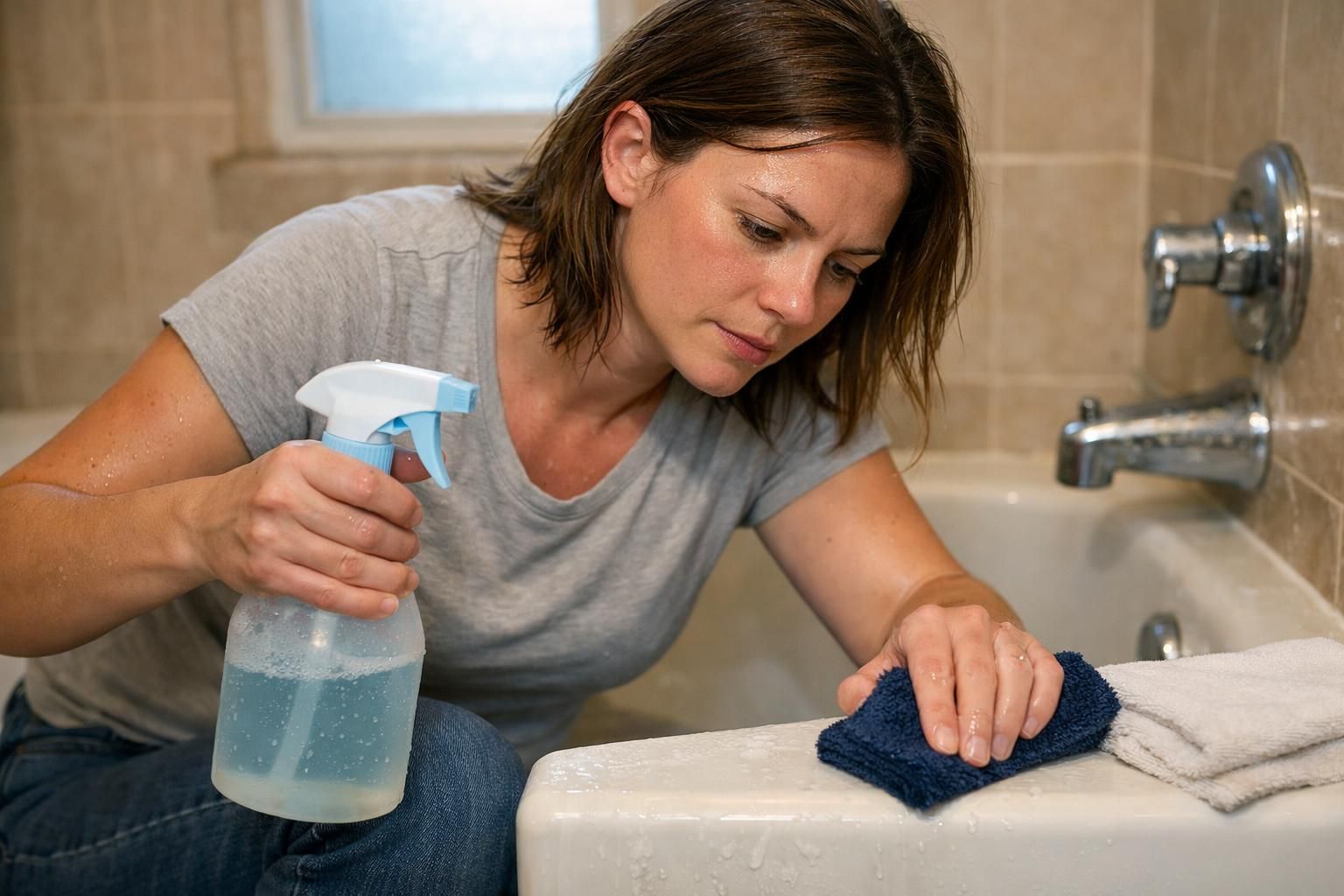
Bathrooms collect moisture and residue fast. With the right tools, that buildup does not stand a chance.
Mold and Mildew Removal
Mold and mildew thrive in damp, dark corners. Stop growth early and it stays manageable.
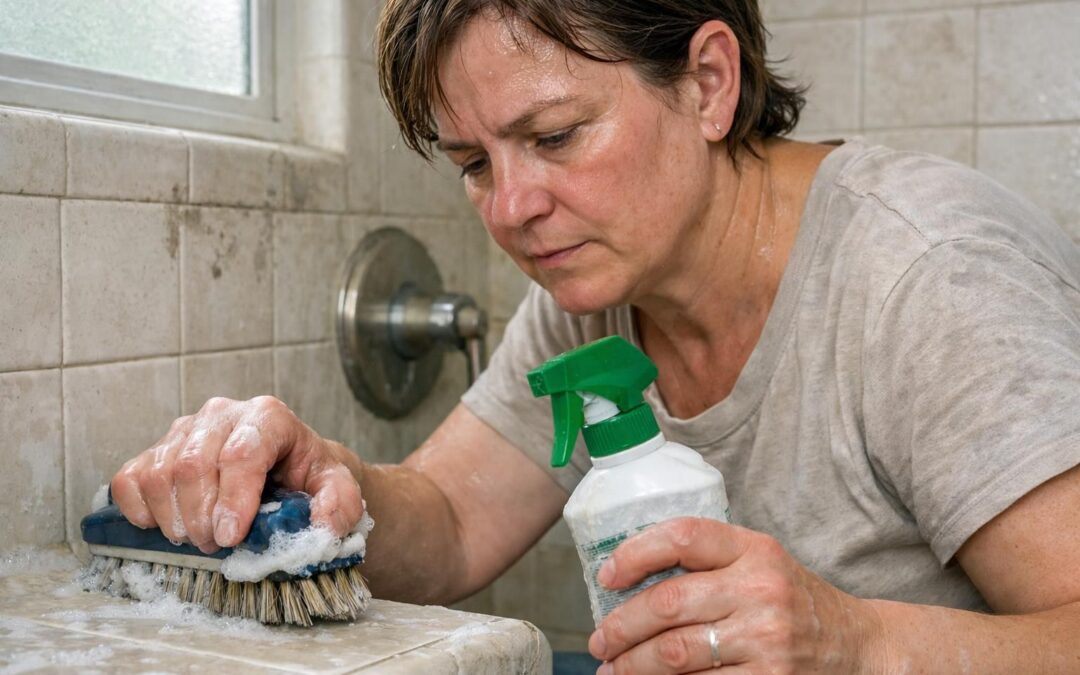
- Spray equal parts white vinegar and water on shower tiles and grout. Wait ten minutes, then scrub with a stiff brush.
- Run a bathroom fan or open windows during showers to control moisture.
- Remove soap scum, mildew clings to it. A baking soda paste helps with stubborn stains.
- Descale the shower head every three months with white vinegar to clear mineral deposits.
- Clean bathroom corners, baseboards, and under sinks where humidity lingers.
- Wash musty bath mats or towels in hot water, adding a little borax if needed.
- Replace cracked caulk or loose grout quickly so mildew does not grow in gaps.
- Use a dehumidifier in damp bathrooms, set it between 30 to 50 percent year-round.
- Check ceilings and behind toilets for hidden mold after leaks or heavy rain.
These habits protect family health and reduce surprise repair costs later.
Comprehensive Scrubbing of Essentials
After mold control, scrub the core fixtures. These spots collect the most daily grime.
- Scrub the toilet bowl with a disinfecting cleaner and brush, reach under the rim. Clean seat hinges and the flush handle.
- Use a strong cleaner on the tub and shower walls to remove soap scum and hard water. Detail grout with an old toothbrush.
- Wipe faucets, handles, and fixtures with antibacterial wipes or spray, kids touch these often.
- Clean the sink basin and around the drain, toothpaste splatter leaves sticky film.
- Remove hard water spots on shower doors with white vinegar or a limescale remover.
- Polish light switches, door knobs, towel racks, and hooks, germs love these touch zones.
- Check expiration dates in the medicine cabinet and dispose of old medicines safely.
- Clear hair from drains so water does not pool during showers and busy mornings.
- Disinfect trash cans with hot water and mild detergent, then dry before adding liners.
- Wipe mirrors with glass cleaner for a clear, streak-free shine.
Surface and Mirror Cleaning
Surfaces and mirrors collect fingerprints and splashes. A quick system brings back the shine.
- Wipe all countertops with a gentle cleanser to remove sticky spots and dust.
- Use streak-free glass cleaner or vinegar spray on mirrors, buff with microfiber.
- Clean sink fixtures with disinfectant wipes to remove germs and watermarks.
- Dust light fixtures above mirrors; dust here dulls room brightness.
- Wipe shelves, window sills, and tile edges where soap residue hides.
- Disinfect door handles, cabinet pulls, and switch plates.
- Vacuum or mop the bathroom floor after surface cleaning, dust drops as you wipe.
With surfaces sparkling, focus next on high-touch sanitizing to keep the bathroom cleaner between deep cleans.
High-touch Area Sanitization
These are the spots hands touch all day. Regular sanitizing cuts down on family illness, especially during flu season.
- Disinfect light switches using EPA-approved wipes or sprays.
- Wipe door handles on entryways, closets, and cabinets, kids’ rooms need extra care.
- Clean appliance handles on fridges, microwaves, ovens, dishwashers, laundry machines, and coffee makers.
- Sanitize stair railings and chair backs with a microfiber cloth and disinfectant.
- Scrub faucet handles in kitchens and bathrooms, and hit soap dispensers too.
- Disinfect TV remotes, gaming controllers, smart speakers, and tablets.
- Clean phones, computer mice, keyboards, and touchscreens with electronics-safe alcohol wipes.
- Wash trash can lids inside and out weekly, include pedal mechanisms.
- Sanitize drawer pulls in dressers and kitchen cabinets.
- If babies or toddlers are around, clean bed rails or crib bars more often.
Use disinfectants labeled for germ control or a diluted bleach mix, one tablespoon per quart of water. Weekly is a good baseline, and increase during illness.
Thorough Bedroom Cleaning
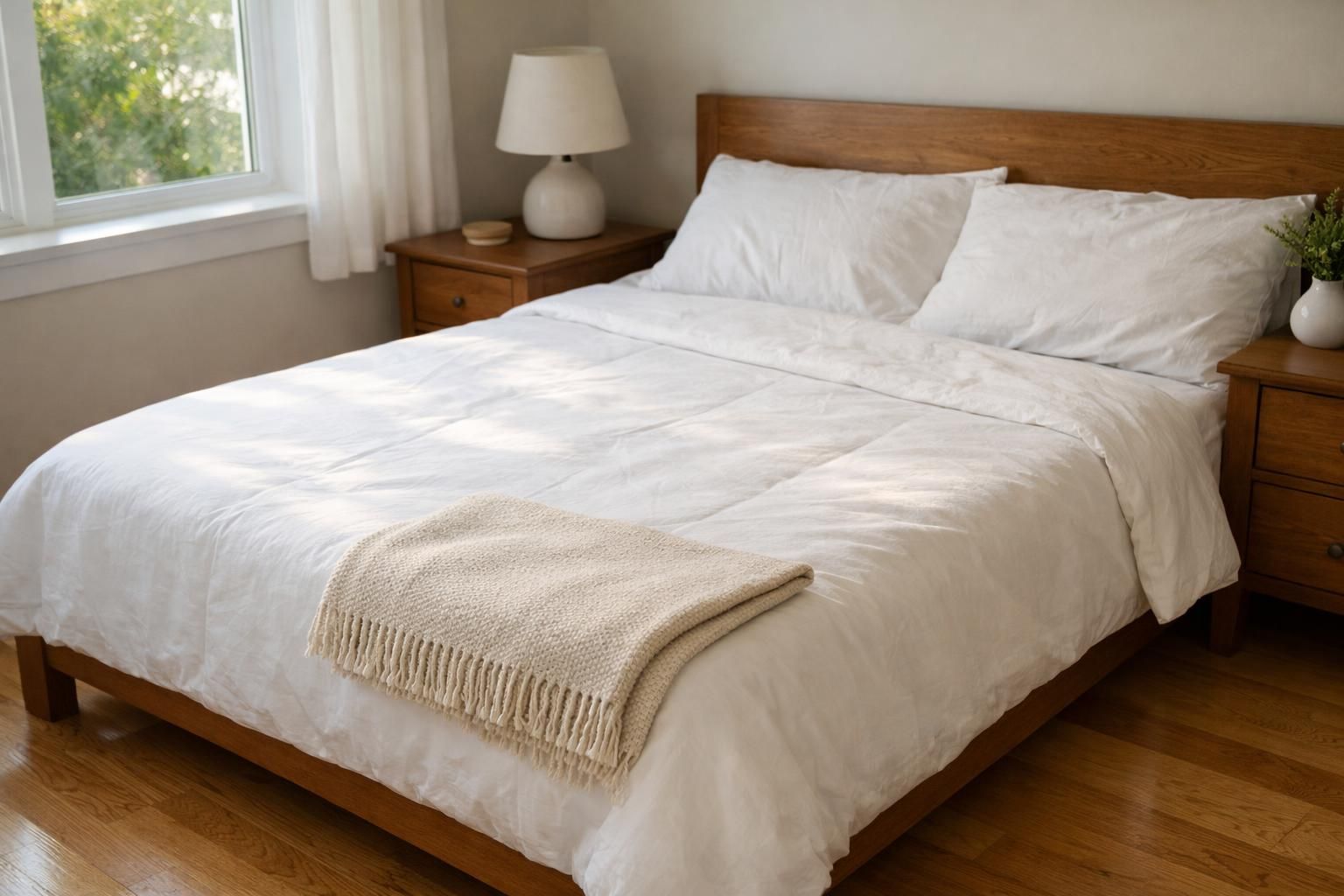
A thorough bedroom reset helps everyone sleep better. Wash sheets, vacuum everywhere, and clear clutter so the room feels calm again.
Bedding and Pillow Washing
Dust mites and allergens love bedding. Regular hot washes keep the bedroom healthier for parents, kids, and pets.
- Strip sheets and blankets weekly. Wash at 130°F or higher, per CDC advice, to kill germs and dust mites.
- Wash pillowcases with sheets each week. Clean throw pillows or cases monthly, more if allergies flare.
- Wash pillows at least every three months. A front-loading washer helps prevent clumping. Tennis balls in the dryer restore fluff.
- Check care tags first. Foam pillows should be vacuumed or spot cleaned, not machine washed.
- Wash comforters and duvet covers monthly with gentle detergent to protect color and feel.
- In kids’ rooms, wash plush toys with bedding monthly or more often during colds or flu season, following CDC guidance.
- Rotate heavier bedspreads into storage after cleaning as seasons change to reduce dust buildup.
Clean bedding fights allergens and makes the room smell fresh again.
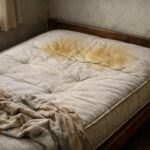
Mattress Cleaning
With bedding fresh, turn to the mattress. A clean mattress supports sleep and reduces allergy triggers.
- Strip everything and air out the mattress for at least 30 minutes each month. Sunlight helps reduce bacteria and odors.
- Vacuum both sides with an upholstery tool to collect dust, skin flakes, and crumbs.
- Sprinkle baking soda, wait 30 minutes, then vacuum again to remove odors.
- Spot clean stains with mild soap or enzyme cleaner. Blot with a damp cloth instead of scrubbing hard.
- Flip or rotate the mattress every three months, the National Sleep Foundation recommends it to prevent dips.
- Wipe bed frames and headboards with disinfectant wipes to remove nearby dust and germs.
- Use a washable mattress protector to block allergens and make laundry simpler.
- Limit pets on the bed to reduce fur, dander, and pests inside the fabric.
- Check for insects like bed bugs while cleaning. Catching them early is cheaper and easier.
- Use fans or open windows after cleaning so moisture does not linger inside.
This monthly or seasonal habit extends mattress life and eases allergy symptoms.
Furniture and Under-furniture Cleaning
After the mattress, attack hidden dust under furniture. Out of sight does not mean harmless.
- Move chairs, beds, dressers, and sofas so no floor spot gets missed.
- Vacuum under large items with a HEPA filter vacuum to trap fine particles.
- Dust table legs, chair backs, armrests, and low ledges with microfiber cloths.
- Empty closets to sweep or mop corners before restocking to prevent musty smells.
- Wipe furniture frames with a damp rag and mild soap. Do not soak wood, wring out the cloth first.
- Check under cushions for crumbs, coins, and toys, then use a handheld vacuum or lint roller.
- Clean chair seats, arms, ottomans, and headboards, then follow with gentle disinfectant if needed.
- Dust behind shelves or TV stands with a long-handled duster after pulling them away from walls.
- Before returning items, treat any floor stains. Some carpet spots hide for months.
Moving furniture is not fun, but breathing easier at night is worth the effort.
Closet and Drawer Organization
Organized closets save time and cut stress on busy mornings. A quick system keeps clutter from sneaking back.
- Empty every closet and drawer before anything else.
- Sort items into keep, donate, or toss. Use big bins to make sorting easy.
- Dust shelves and wipe surfaces with microfiber and eco-friendly spray, including corners.
- Vacuum or mop closet floors where dust hides under shoes and bins.
- Use drawer organizers so socks, underwear, and small items stay sorted.
- Hang clothing by type or season to reduce decision fatigue.
- Store less-used items up high, keep daily items at eye level.
- Fix missing buttons, broken hangers, or sticky drawers as you go.
- Label bins for winter hats, sports gear, or school supplies so kids can help themselves.
- Donate unneeded clothing twice a year, spring and fall work well.
- Keep only what fits well today.
Good tools help, think Dyson vacuums, OXO bins, and soft microfiber towels for hidden shelf dust.
Tips for an Effective Deep Cleaning
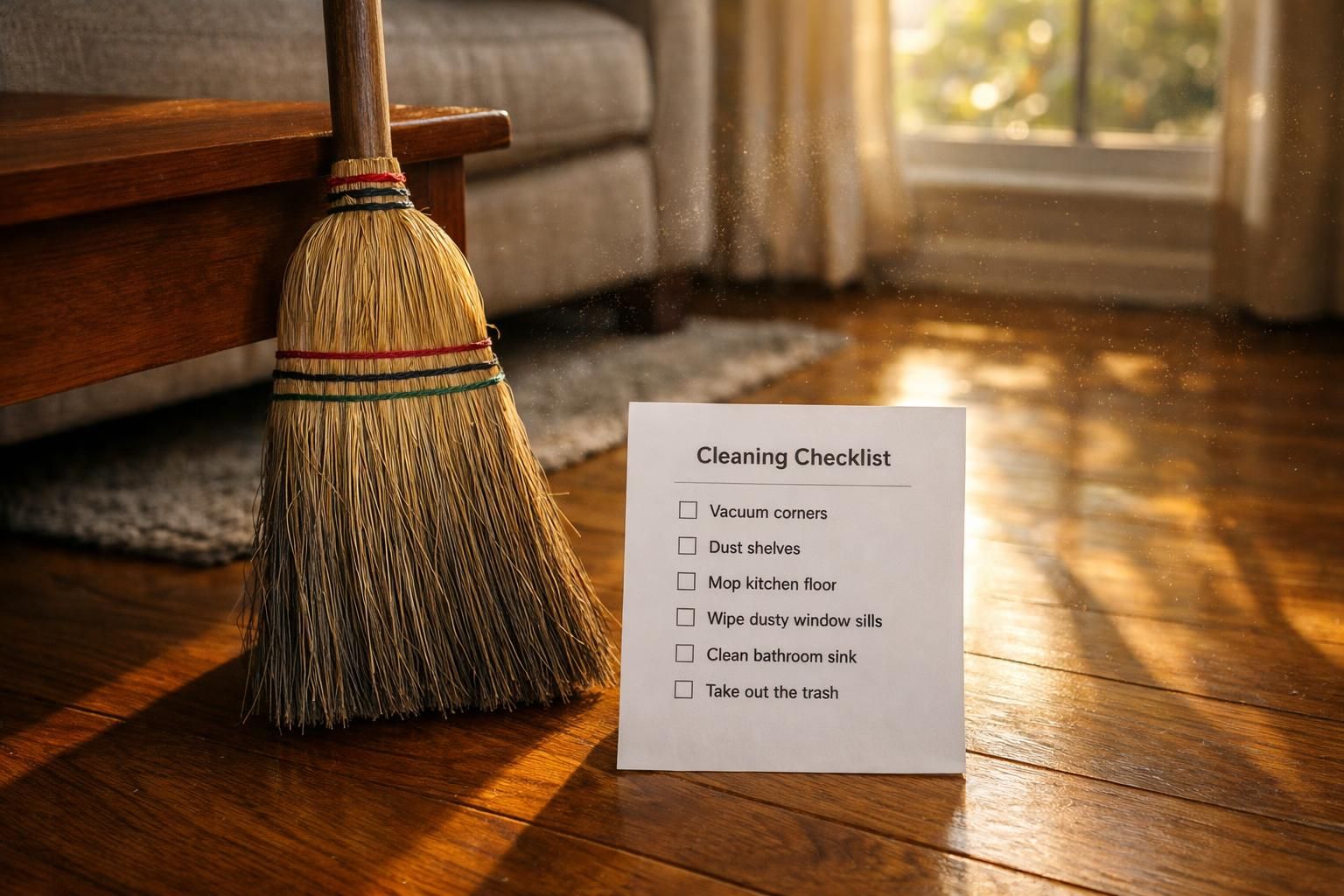
Dust bunnies hide well. A plan, the right tools, and a simple checklist make them easier to catch.
Checklist Utilization
A deep cleaning checklist acts like GPS for the house. It guides parents and homeowners room by room so no spot gets skipped. Scrub the oven, then check it off. Wash the windows, cross it out.
Homes cleaned with checklists are about 40 percent more thorough than those cleaned from memory. Printable lists help. Kids can join by checking off their own tasks, which brings the whole household on board.
Cleaning Supplies Preparation
After mapping the checklist, gather supplies. Stock microfiber cloths, scrubbing brushes, sponges, buckets, mops, gloves, and disinfectants.
Appliance care products help remove deep grime from dishwashers and washers. Ovens respond to specialized cleaners for baked-on food.
Gathering gear first prevents trips around the house looking for a missing spray bottle or a broken vacuum belt. Keep extra garbage bags nearby. Place stain remover next to detergent. When everyone knows where glass cleaner and bathroom scrubbers live, cleaning moves faster with fewer stops.
Task Segmentation
Split deep cleaning across several days to avoid overwhelm. Take one room at a time instead of the entire house in a single weekend.
Use room-specific cleaning checklists. Spread out jobs like scrubbing baseboards, wiping ceiling fans, and closet cleaning so the workload feels manageable.
Assign simple jobs to kids, like dusting shelves, while adults handle sanitizing high-touch areas or moving heavier furniture. Track progress with printable lists or color-coded calendars. Families who segment tasks often finish faster and feel calmer.
Conclusion
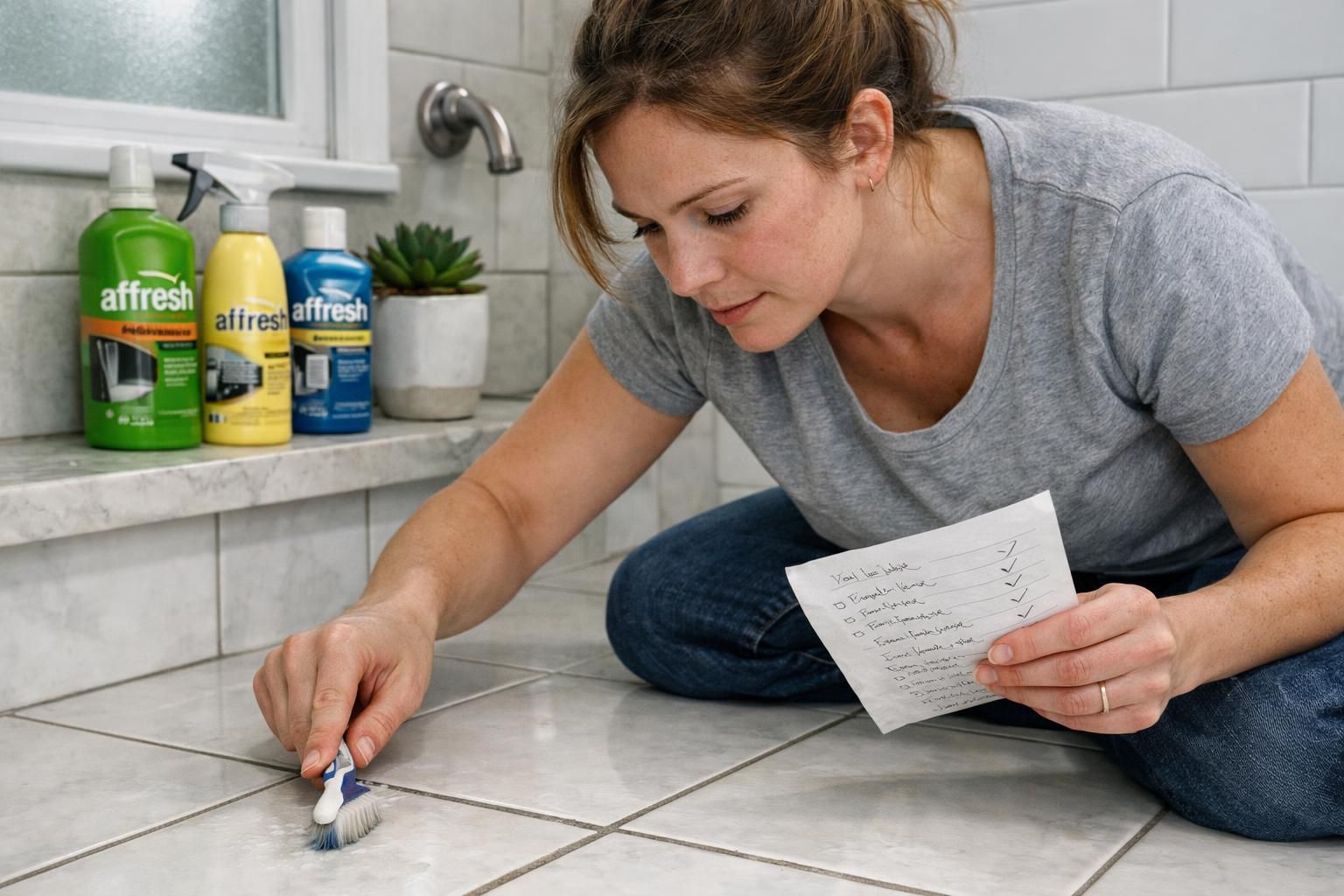
Deep cleaning once or twice a year keeps homes fresher and healthier. Skipping fan blades, grout lines, and deep appliance cleaning lets grime stack up. Homeowners and parents can use a cleaning checklist to track tasks from high light fixtures to the space under beds.
Breaking projects into smaller parts makes even long cleaning days doable. Affresh products keep washers and dishwashers odor free. Old toothbrushes are perfect for tile grout.
Kitchens shine when fridge shelves are washed and sinks stop smelling thanks to regular disposal care. Bathrooms look brighter when showers, toilets, and mirrors get real attention instead of a quick wipe.
Bedrooms feel calm when mattresses get rotated, smoke detector batteries are replaced, and fresh sheets go on the bed. A simple cleaning schedule, supported by steady habits, turns hard chores into wins. Clean homes lift everyone’s mood, which is a great trade for a little sweat.
FAQs
1. How often should you deep clean your home?
Most homes need a deep clean every three to six months. If you have pets, allergies, or kids who treat the house like a playground, aim for every season. Life gets messy fast.
2. What tasks should be included in a deep cleaning routine?
Deep cleaning means scrubbing floors, washing baseboards, wiping ceiling fans and light fixtures, cleaning behind appliances like refrigerators and stoves, sanitizing bathrooms top to bottom, and dusting vents. Don’t forget windowsills; dirt loves hiding there.
3. Is there an easy way to remember what needs attention during a deep clean?
Think of it as hunting for hidden grime in places you skip on regular days: under beds, inside ovens, behind couches where socks go missing forever. Make a checklist so nothing slips through the cracks.
4. Can I split up my deep cleaning over several days?
Absolutely! No one expects you to tackle everything at once unless you’re auditioning for a reality show about spotless houses. Break big jobs into smaller chunks; spread them out over weekends or evenings so it feels doable instead of overwhelming.